Comparative analysis Normal Science Worksheets for Ages 5-9
3 filtered results
-
From - To
Explore our comprehensive selection of Comparative Analysis Normal Science Worksheets tailored for ages 5-9. These engaging worksheets offer fun and effective ways to develop critical thinking and scientific observation skills in young learners. Each worksheet is designed to help children compare, contrast, and analyze various scientific concepts like life science, earth science, and physical science. Colorful illustrations and age-appropriate content ensure that kids stay interested while enhancing their learning experience. Ideal for both classroom settings and home practice, our worksheets are an excellent resource for solidifying foundational science skills in early education. Unlock your child’s potential with our expert-designed materials today!
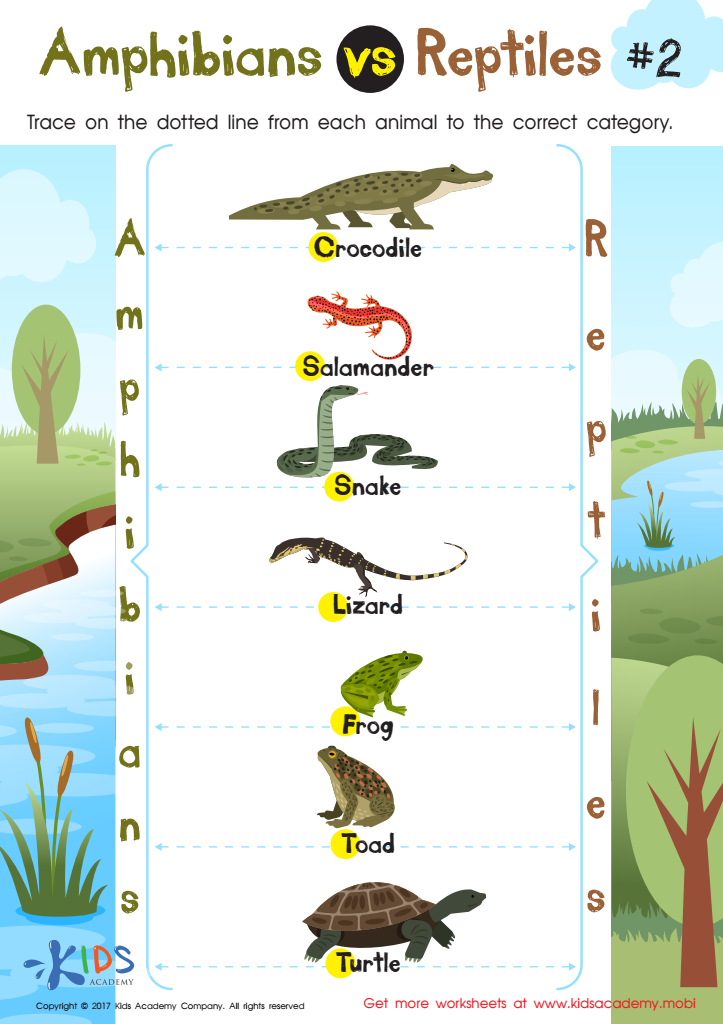
Amphibians vs Reptiles Worksheet for 3rd Grade
 Assign to My Students
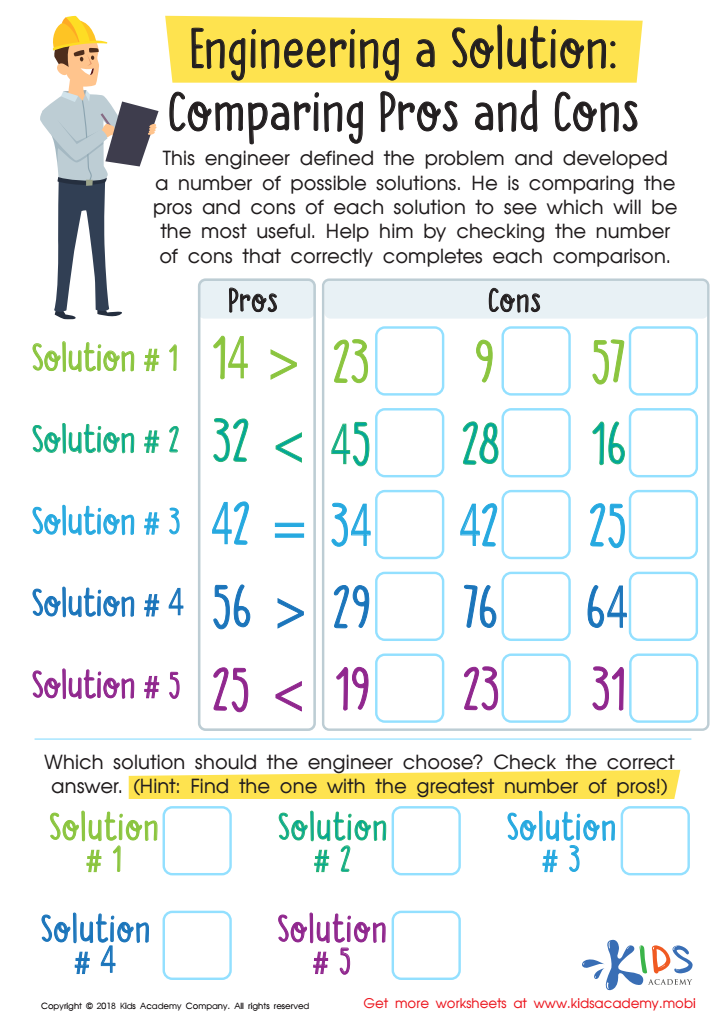
Engineering a Solution: Comparing Pros and Cons Worksheet
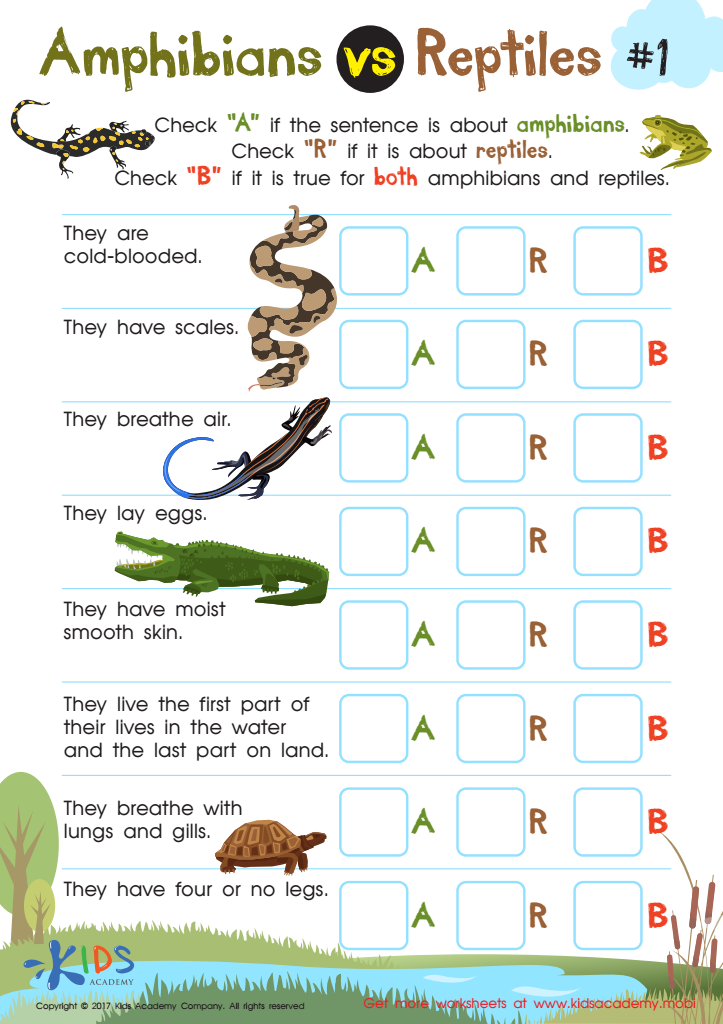
Amphibians vs Reptiles Worksheet






Comparative analysis in normal science for children ages 5-9 can be a pivotal educational tool that fosters cognitive development and stimulates curiosity about the world. Parents and teachers should care about this for several reasons.
Firstly, comparative analysis encourages critical thinking. Young children are naturally curious, and teaching them to compare and contrast different objects, substances, or phenomena helps them develop analytical skills. For example, comparing the properties of various materials can enhance their understanding of concepts like weight, texture, buoyancy, and density.
Secondly, it promotes observation and measurement skills. When children compare items, they need to observe details closely and often measure differences. These activities lay the groundwork for scientific inquiry and quantitative reasoning, skills that are fundamental in various aspects of life and other subjects, such as math.
Thirdly, it supports language development. Discussing similarities and differences aids vocabulary building and improves descriptive language skills. This language enrichment can contribute to enhanced reading comprehension and communication skills.
Lastly, establishing a foundation in comparative analysis nourishes a love for science and learning. It transforms abstract scientific principles into tangible, relatable activities, making science accessible and exciting for young learners.
By integrating comparative analysis into early education, parents and teachers lay a solid foundation for continuous intellectual growth and an enduring curiosity about the natural world.







