Counting practice Normal Science Worksheets for Ages 5-9
4 filtered results
-
From - To
Enhance your child's counting skills with our engaging Normal Science Worksheets designed for ages 5-9! These worksheets combine essential math practice with science themes, making learning both fun and educational. Our carefully crafted activities encourage young learners to explore numbers while discovering fascinating scientific concepts. From counting animals to measuring simple objects, each worksheet promotes critical thinking and develops foundational math skills. Perfect for home or classroom use, our resources cater to different learning styles, ensuring that every child can succeed. Download our Counting Practice worksheets today and support your child's journey towards numeracy and scientific understanding in a playful way!
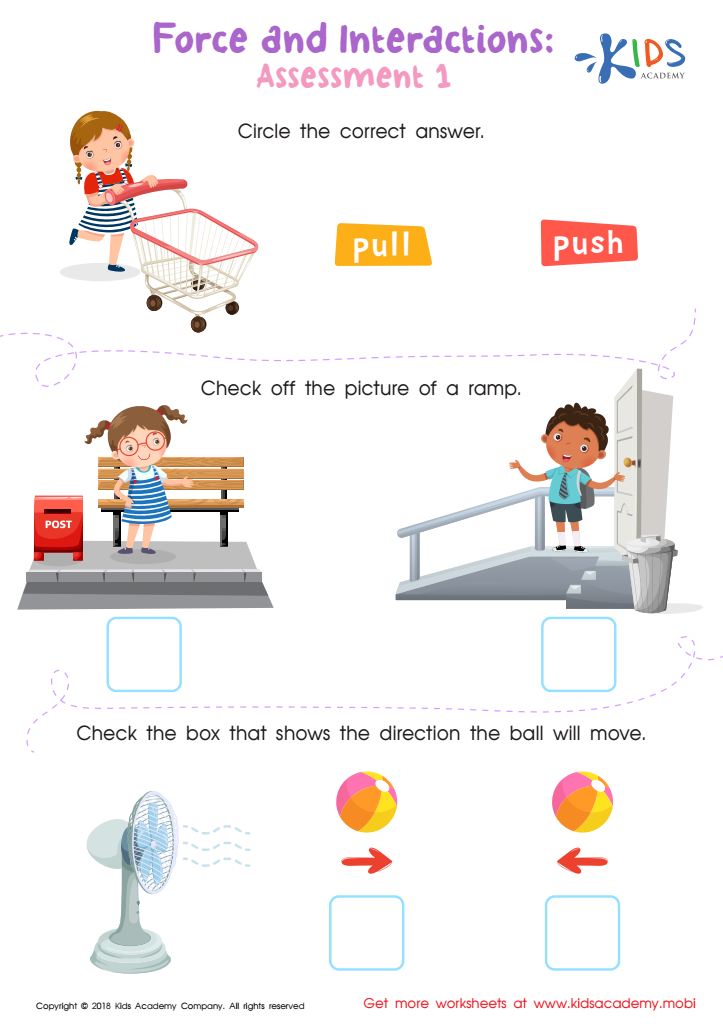
Force and Interactions: Assessment 1 Worksheet
 Assign to My Students
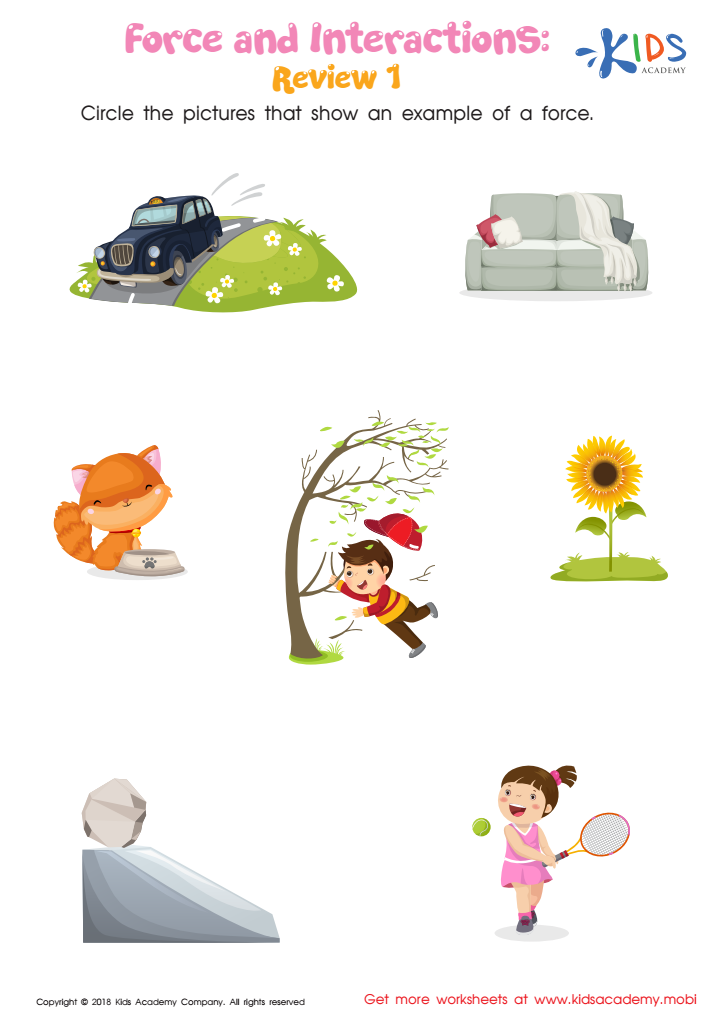
Force and Interactions: Review 1 Worksheet
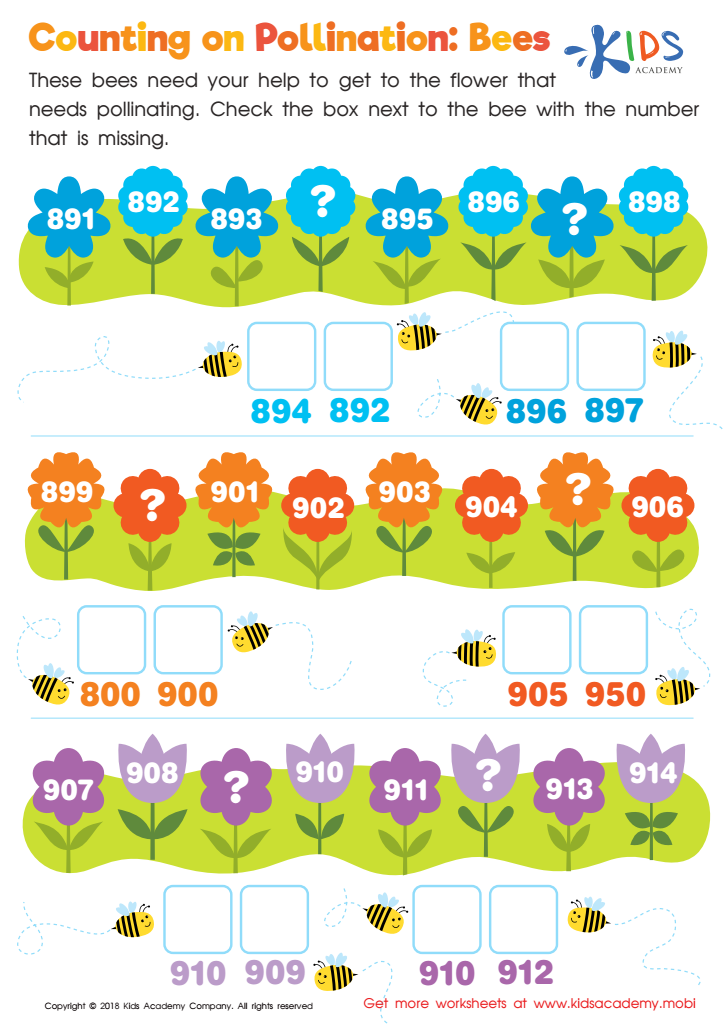
Counting on Pollination: Bees Worksheet
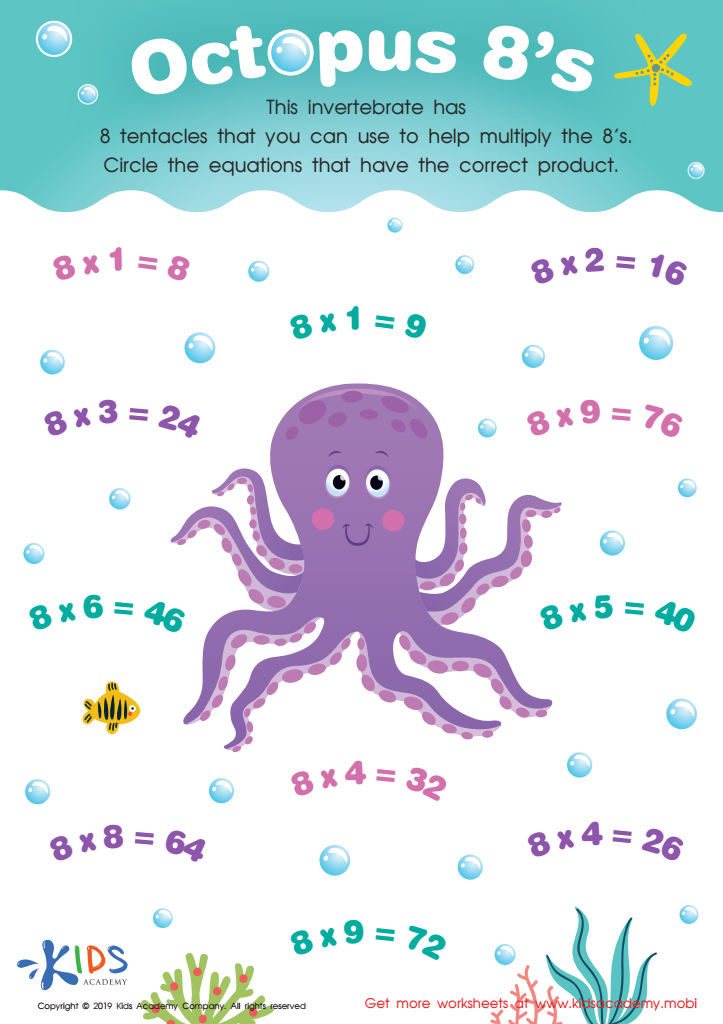
Octopus 8’s Worksheet







Counting practice in early science education is crucial for children ages 5-9, as it lays the foundation for essential cognitive and academic skills. This age group is marked by significant brain development where children are highly receptive to learning concepts related to numbers and measurements. Engaging in counting activities fosters numeracy skills that are crucial not just in math but in daily life situations.
Understanding counting in a scientific context actually enriches this learning experience. For instance, counting can be integrated into investigations and experiments, allowing students to quantify observations, repetitions, or groupings of objects, which deepens their understanding of scientific concepts. When children start counting different varieties of plants, animals, or even measuring ingredients for simple experiments, they develop critical thinking skills and an awareness of the natural world.
Moreover, counting practice promotes collaboration and communication among peers when working on experiments or projects. This group dynamic encourages social skills, boosting their confidence. As parents and teachers geared toward early education, prioritizing counting practice in conjunction with science paves the way for holistic learning, ensuring children are prepared for more complex concepts in the future while fostering a love for both mathematics and science.







