Plant identification Normal Plants Worksheets for Ages 5-9
4 filtered results
-
From - To
Introducing our "Plant Identification Normal Plants Worksheets for Ages 5-9", designed to make learning fun and engaging for young explorers. These worksheets foster a child's curiosity about the natural world by helping them identify common plants. With vivid illustrations and simple terminology, children will learn to recognize different plants and their parts. Perfect for both classroom and homeschool settings, these printables enhance observation skills and build foundational science knowledge. Encourage your child to discover the wonders of nature with our expertly crafted worksheets, making plant identification an exciting adventure for young minds.
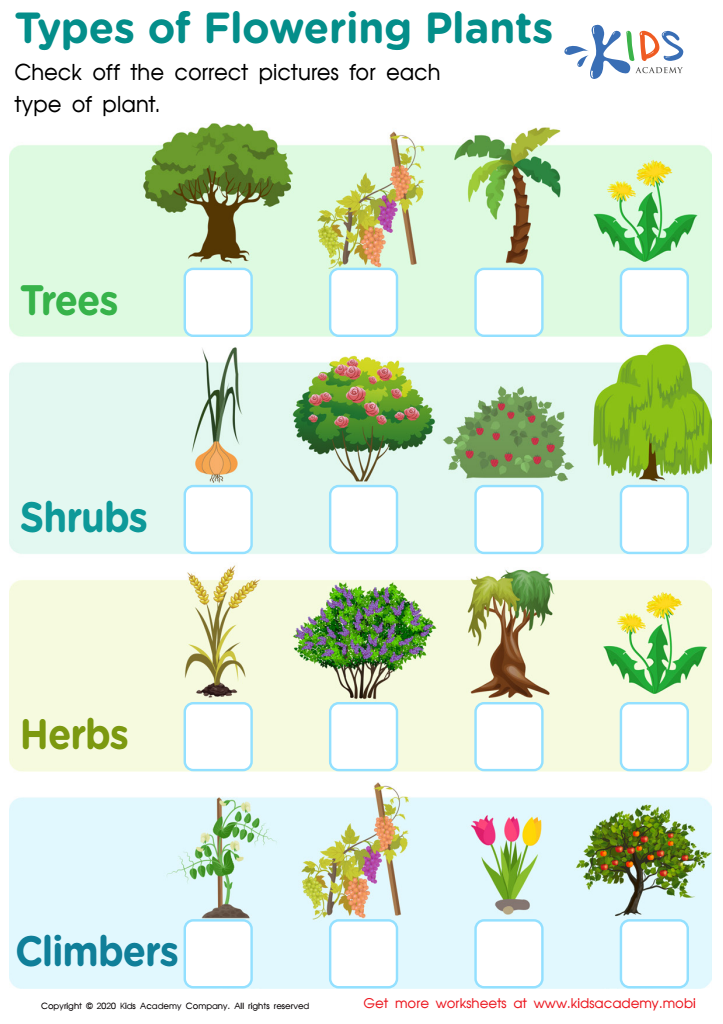
Types of Flowering Plants Worksheet
 Assign to My Students



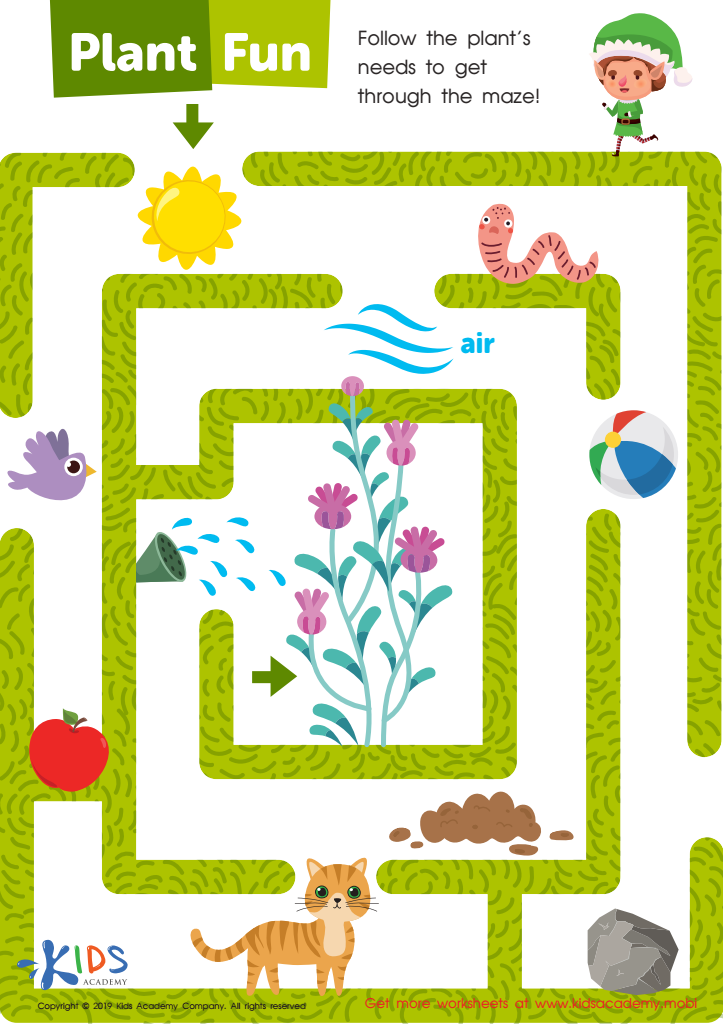
Plant Fun Worksheet
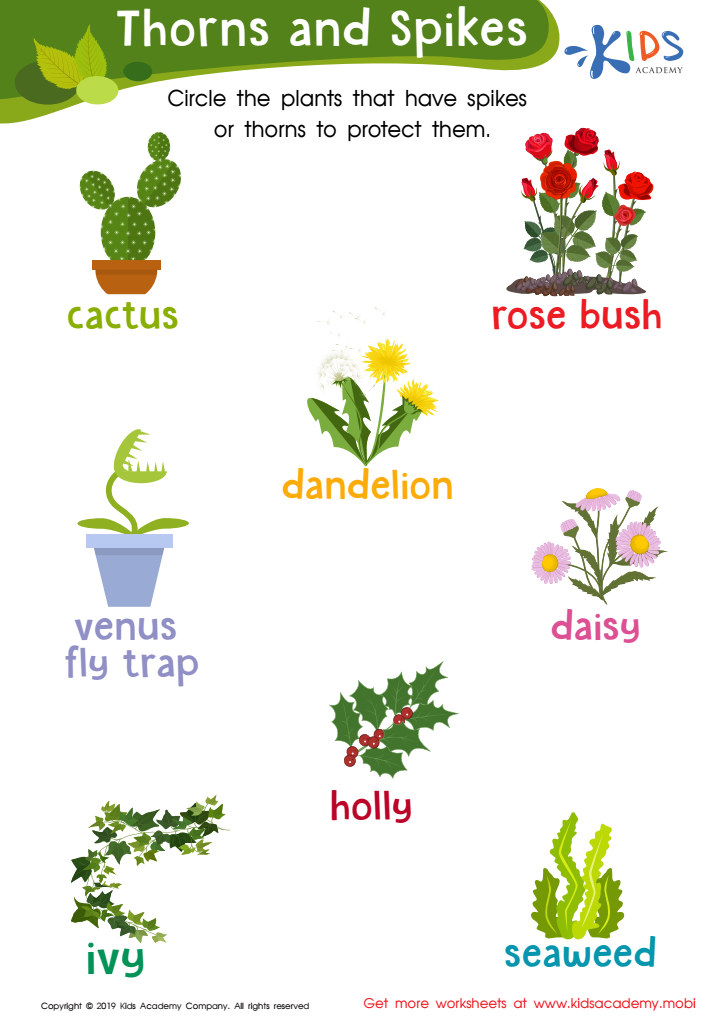
Thorns and Spikes Worksheet
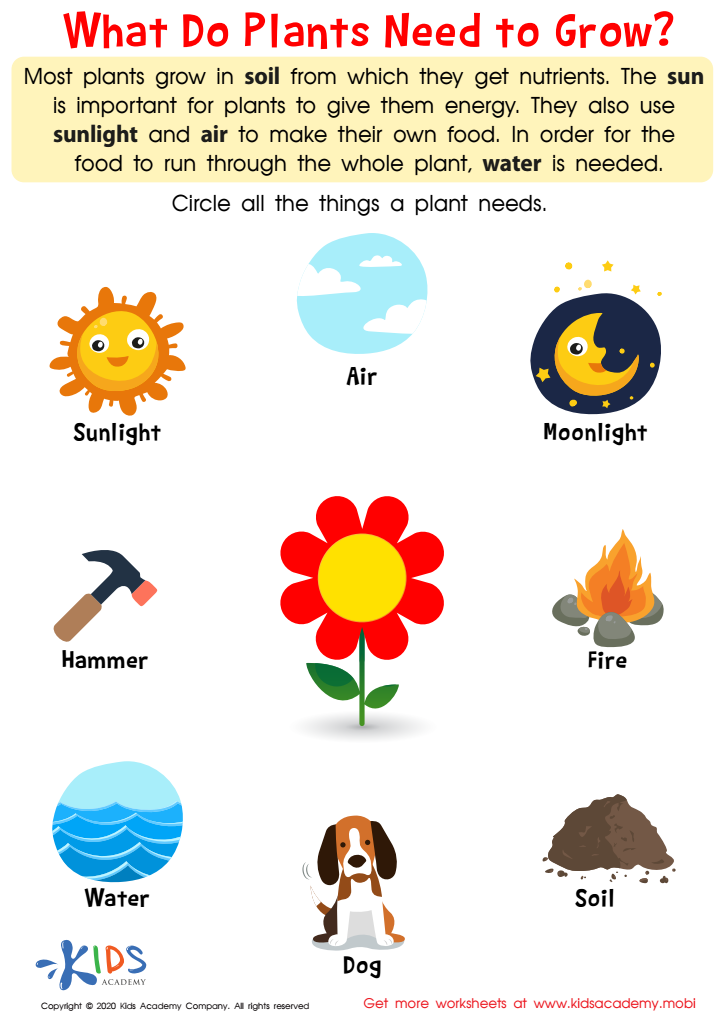
What Do Plants Need to Grow Worksheet







Parents and teachers should care about plant identification for young children (ages 5-9), as it fosters a deep connection with nature and enhances cognitive development. Understanding plants' names and characteristics can ignite curiosity and encourage kids to explore the natural world. This early engagement with nature is critical for cultivating a sense of environmental stewardship, which is increasingly important in our rapidly changing world.
Learning about plants also supports cognitive skills like observation, classification, and critical thinking. By identifying various plants, children develop attention to detail and learn to differentiate between similar species, enhancing their problem-solving skills. This hands-on knowledge can seamlessly integrate with subjects like science, art, and even storytelling, making learning multidisciplinary and more engaging.
Additionally, plant identification broadens children’s vocabulary and comprehension. Knowing terms like "roots," "stems," and "leaves" enriches their language and communication skills. When children recognize and name plants, they also understand their practical applications, such as which plants are edible, which might be used for natural remedies, and which to avoid due to potential hazards.
Overall, encouraging plant identification in early grades bolsters not just academic growth but also emotional and social development, as kids learn to collaborate and share their discoveries with peers and adults. It's a foundation for lifelong appreciation and respect for nature.