 Assign to My Students



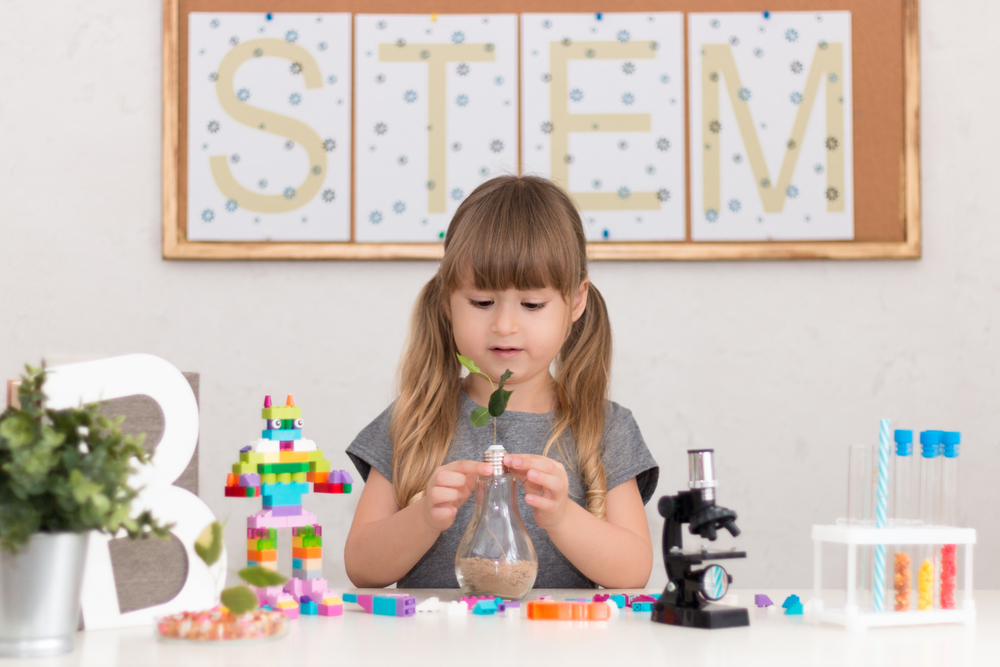

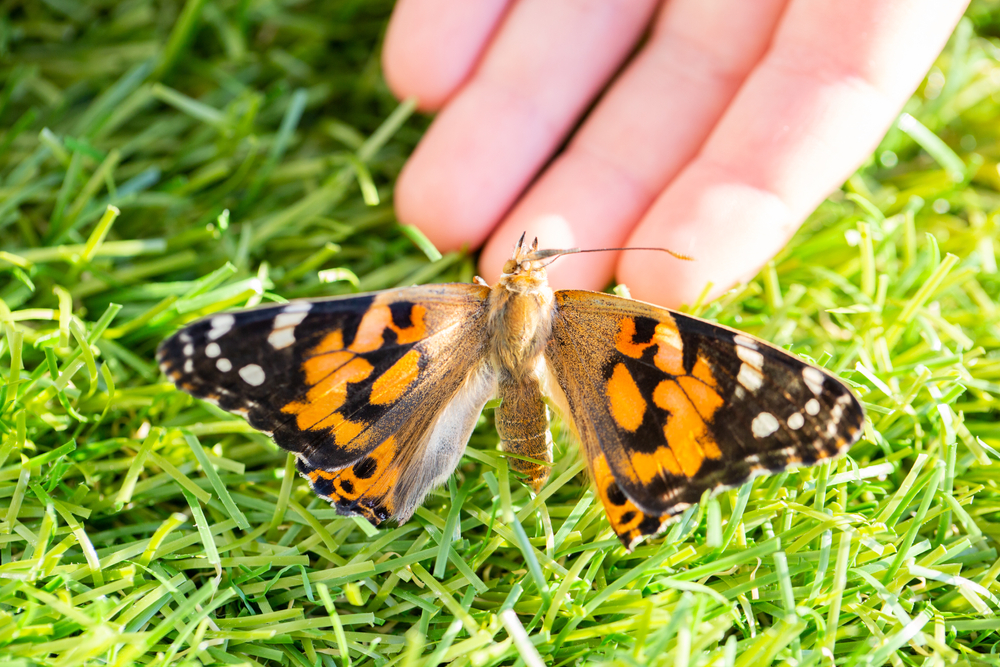



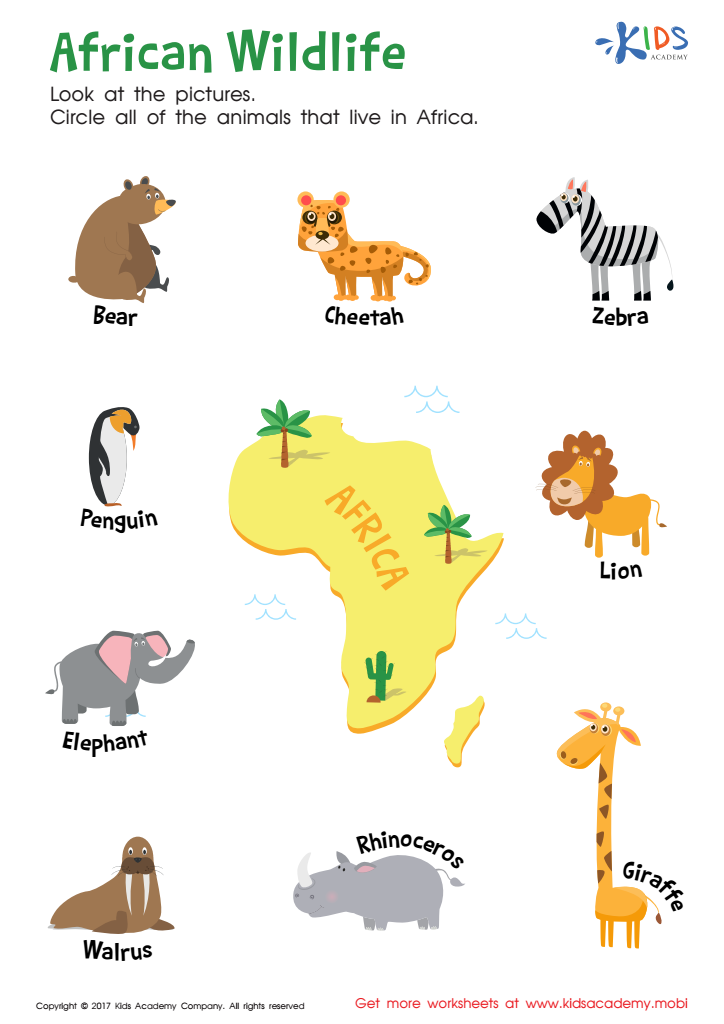
Parents and teachers should prioritize reading comprehension development in children aged 5-9, particularly concerning topics like normal plants and animals, for several essential reasons. First, reading comprehension is fundamental in fostering a child's ability to understand and process information, laying the groundwork for academic success across all subjects. By engaging with texts about plants and animals, children enhance their vocabulary and improve critical thinking skills, as they learn to make connections between what they read and the world around them.
Furthermore, exploring the natural world through books can spark children's curiosity and love for science. When children understand how plants and animals interact within ecosystems, they develop a deeper appreciation for nature and the environment. This knowledge fosters a sense of responsibility towards conservation and biodiversity from an early age.
Additionally, discussions about plants and animals encourage social skills, as they can share ideas and insights among peers. By cultivating these skills through relatable and engaging narratives, children are not just becoming adept readers but also empathetic individuals who value teamwork and collaboration.
In summary, focusing on reading comprehension around topics like plants and animals nurtures academic growth, emotional intelligence, and a lifelong enthusiasm for learning and exploration.







