Understanding ecosystems Normal Plants and Animals Worksheets for Ages 5-9
4 filtered results
-
From - To
Discover our engaging "Understanding Ecosystems: Normal Plants and Animals Worksheets" designed for children aged 5-9! These worksheets provide young learners with a fun way to explore the intricate relationships within ecosystems. Through colorful illustrations and simple activities, kids will learn about various plants and animals, their habitats, and the vital roles they play in maintaining balance in nature. Perfect for classroom use or at-home learning, these worksheets enhance critical thinking, observation, and literacy skills while fostering a love for science. Dive into the wonders of nature and help your child cultivate a deeper understanding of the world around them!
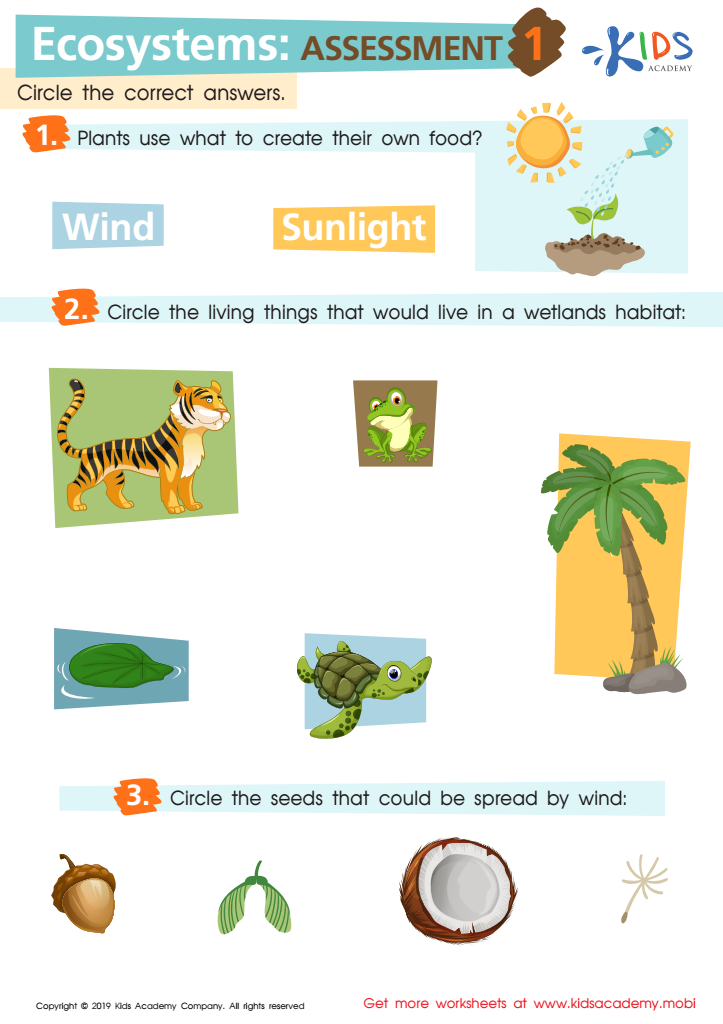
Ecosystems: Assessment 1 Worksheet
 Assign to My Students

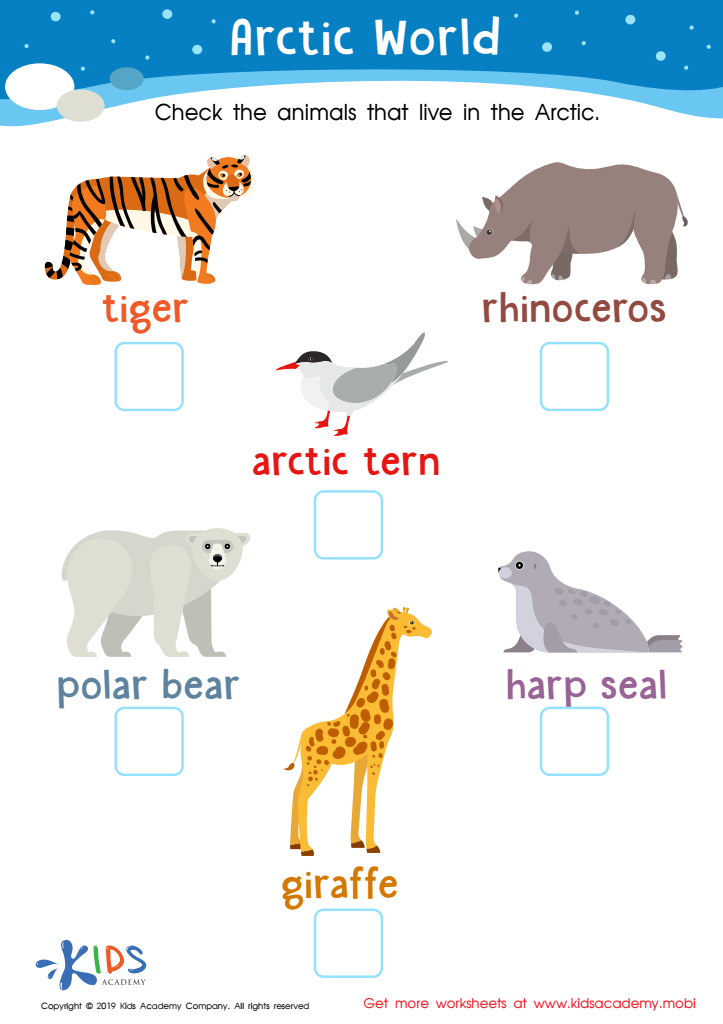
Arctic World Worksheet
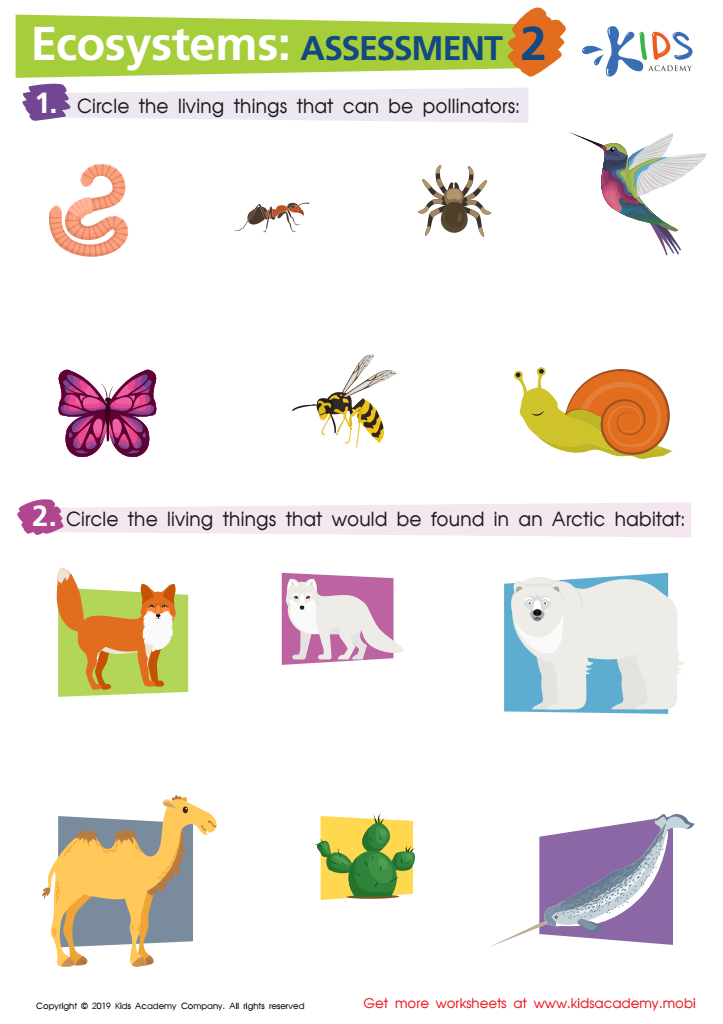
Ecosystems: Assessment 2 Worksheet
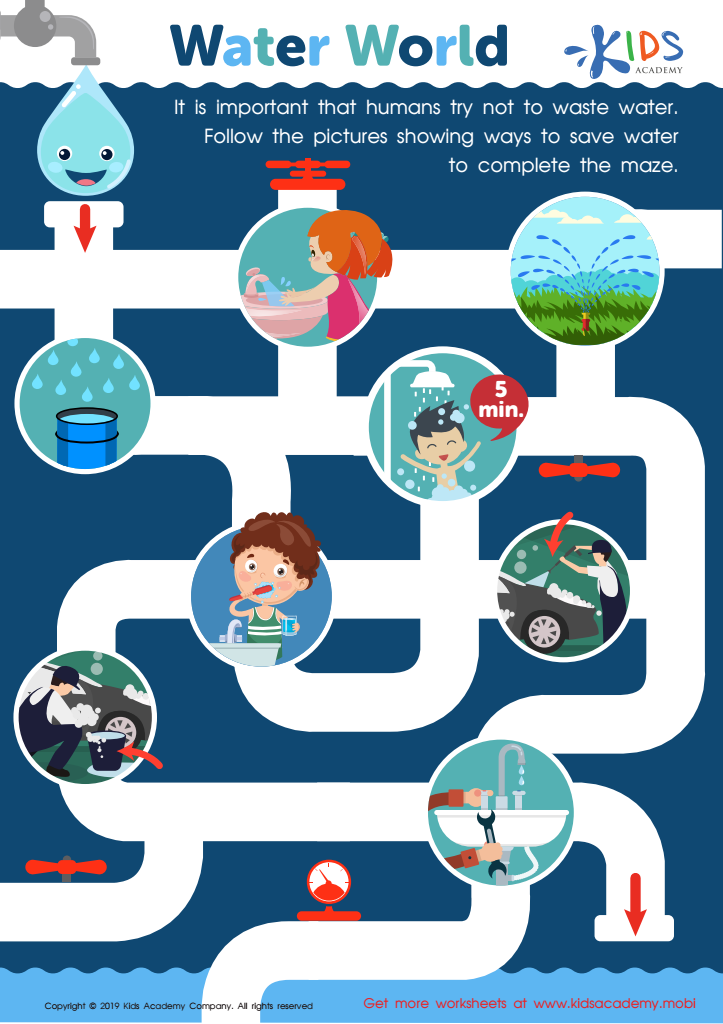
Water World Worksheet








Understanding ecosystems, including the normal plants and animals within them, is essential for children aged 5-9. This foundational knowledge helps cultivate curiosity and fosters a sense of responsibility towards the environment. Teaching kids about ecosystems encourages them to observe nature actively, promoting critical thinking skills as they identify relationships between different organisms and their habitats.
For parents and teachers, introducing concepts of ecosystems equips children with important life skills and values. It provides context for discussions about biodiversity, conservation, and the role of humans within nature. When children learn to appreciate the variety of life around them, they are more likely to develop empathy towards animals and plants, recognizing their intrinsic value.
Additionally, lessons about ecosystems can inspire children to engage in discussions about global issues, such as climate change and habitat loss, creating informed future citizens. Such education aligns with STEM principles, enhancing literacy in science, technology, engineering, and mathematics.
Ultimately, early experiences with nature can positively influence children's well-being, creativity, and even academic achievements. By investing time in teaching about ecosystems, parents and teachers help create a generation of environmentally conscious individuals poised to protect our planet.







