Understanding pollination Normal Plants and Animals Worksheets for Ages 5-9
3 filtered results
-
From - To
Explore the fascinating world of pollination with our "Understanding Pollination: Normal Plants and Animals Worksheets," designed specifically for children ages 5-9. These engaging resources introduce young learners to the vital role of pollinators in our ecosystem, highlighting how plants and animals work together for growth and reproduction. Our worksheets feature fun, interactive activities that make learning about the natural world enjoyable and accessible. Kids will gain valuable insights into the types of pollinators, the process of pollination, and the importance of preserving our environment. Enhance your child's science knowledge and spark their curiosity with these creative and educational worksheets today!
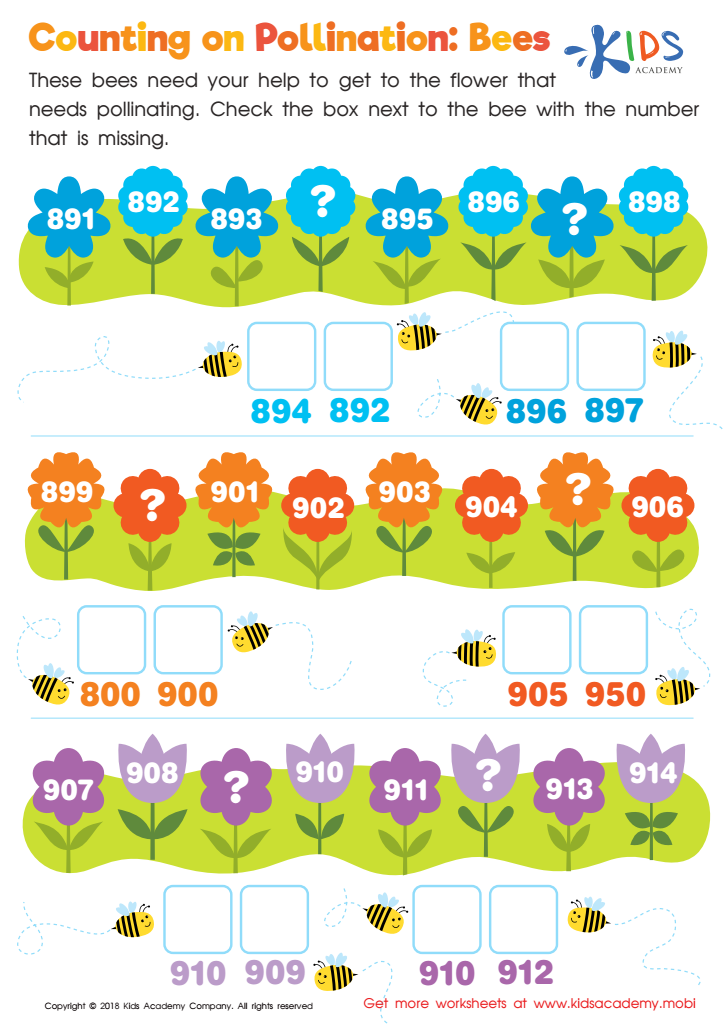
Counting on Pollination: Bees Worksheet
 Assign to My Students
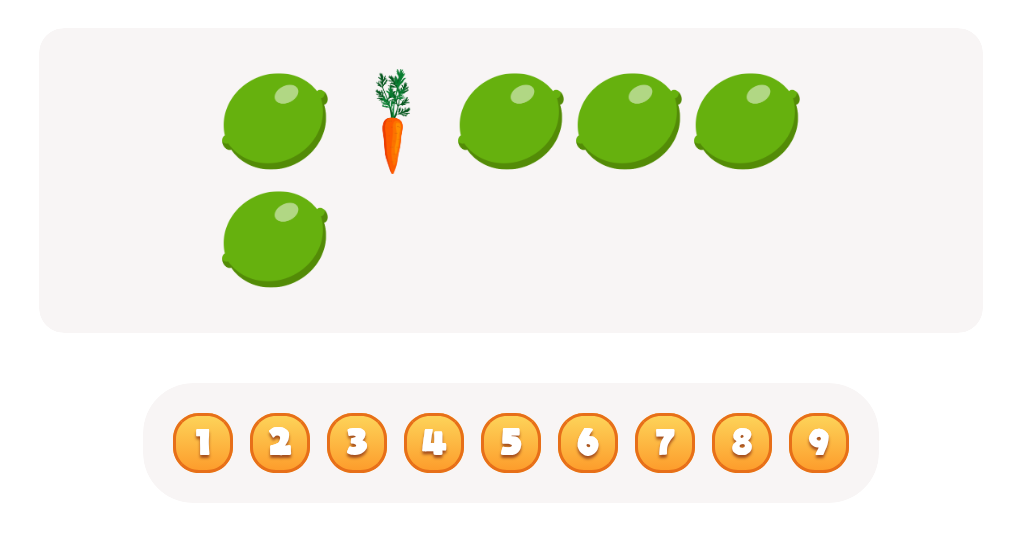

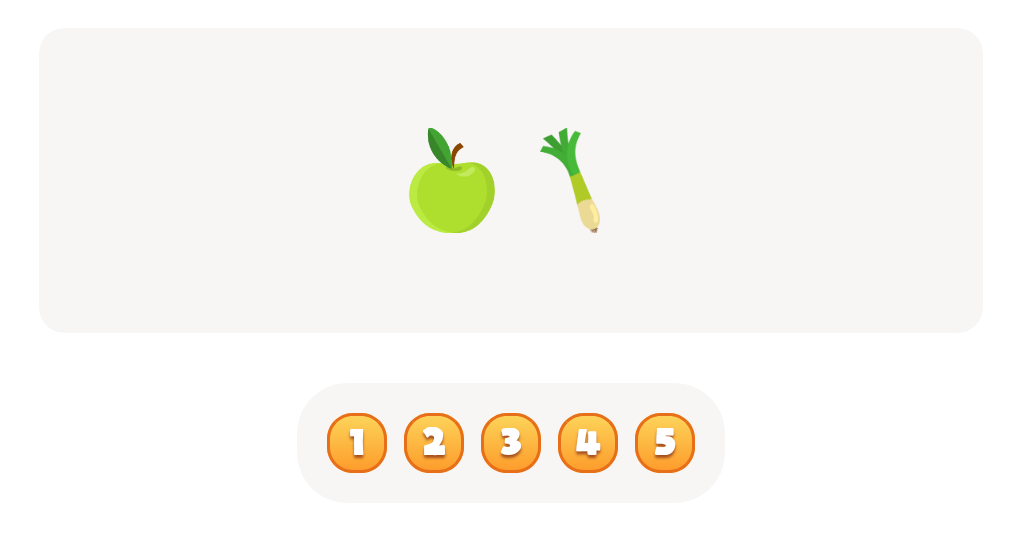
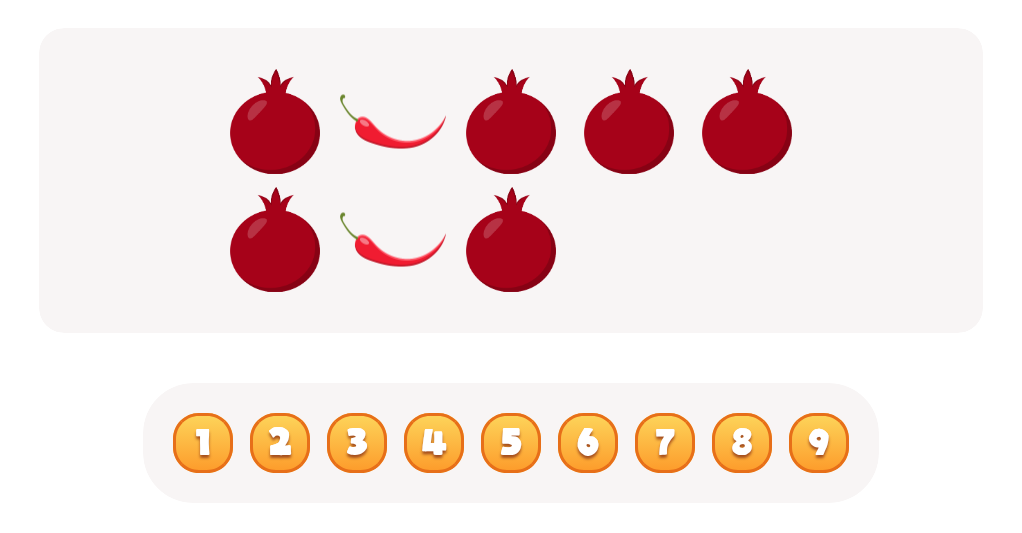
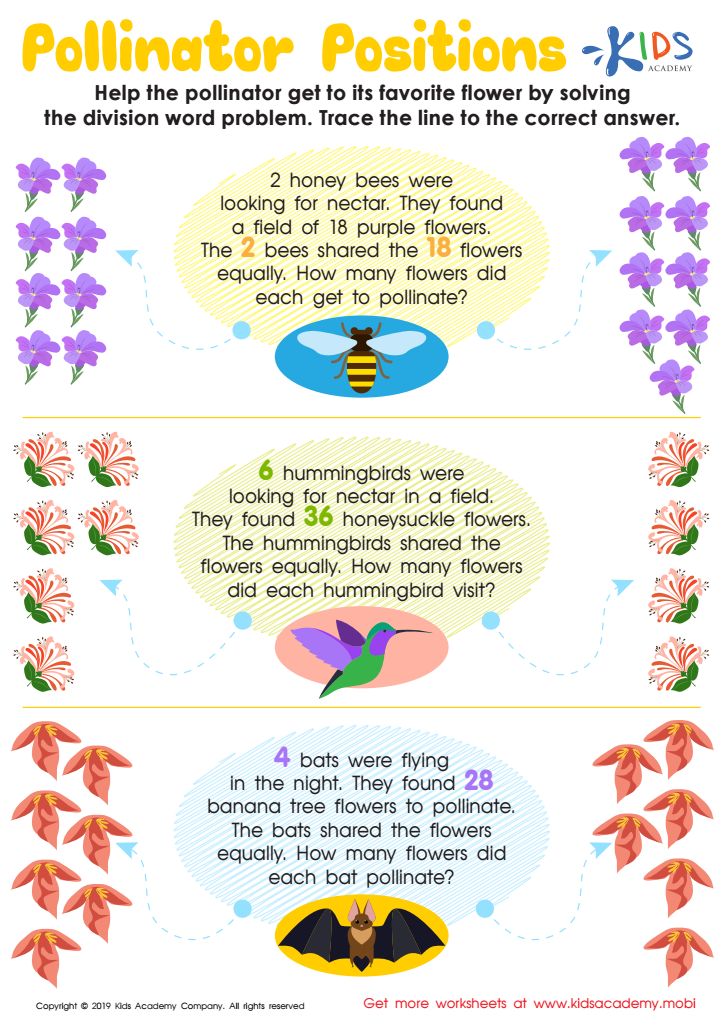
Pollinator Positions Worksheet
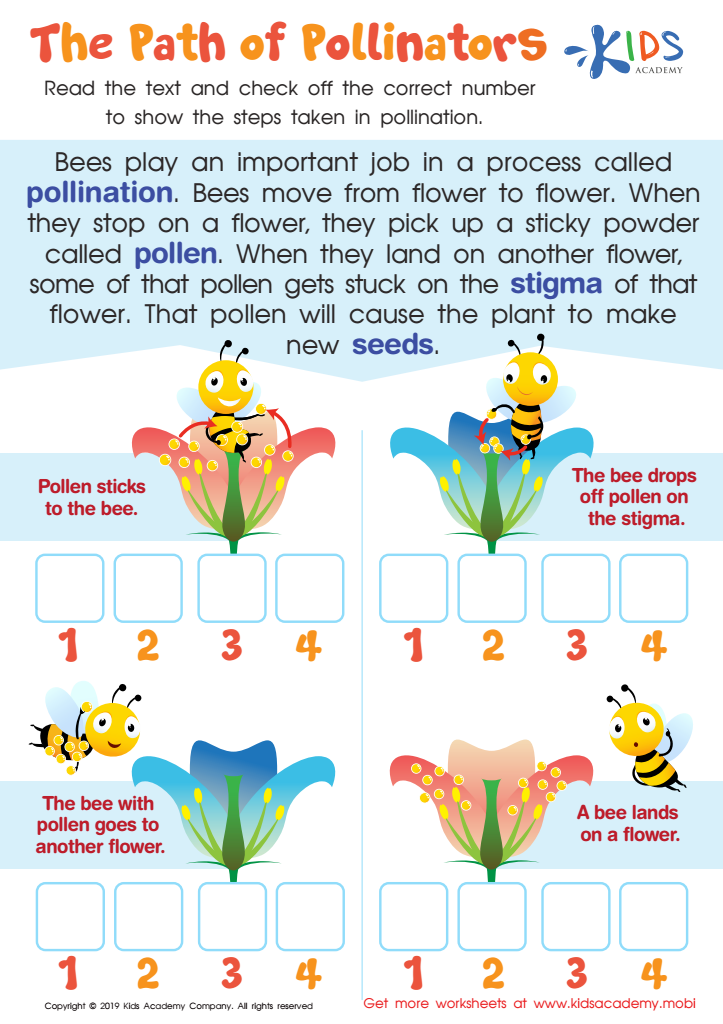
The Path of Pollinators Worksheet







Understanding pollination is crucial for young learners aged 5-9 because it lays the foundation for their appreciation of nature and the environment. During this developmental stage, children are naturally curious and eager to explore the world around them. Pollination is a vital process in the lifecycle of many plants and is essential for food production and ecosystem health. By teaching children about it, parents and teachers can instill a sense of wonder and respect for nature.
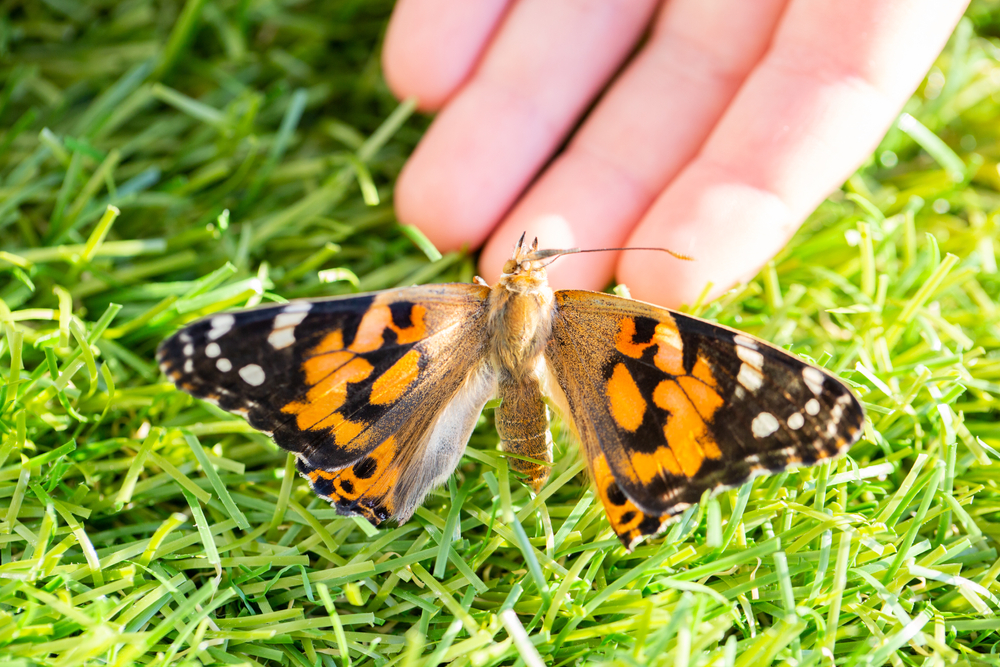
Moreover, learning about pollination helps children understand the interdependence of plants, animals, and humans. Many animals, including bees, butterflies, and birds, play key roles in pollination. Highlighting these relationships fosters empathy and encourages children to think critically about the impact of human actions on the environment.
Incorporating lessons on pollination can also enhance science, literacy, and art skills through hands-on activities, storytelling, and creative projects. Such interdisciplinary approaches make learning engaging and memorable. By nurturing children’s understanding of pollination, parents and teachers not only enrich their knowledge but also empower them to become future stewards of the planet. This awareness can inspire them to advocate for sustainable practices and protect the vital ecosystems that support life.







