Normal Geography Worksheets for Ages 5-9 - Page 3
54 filtered results
-
From - To
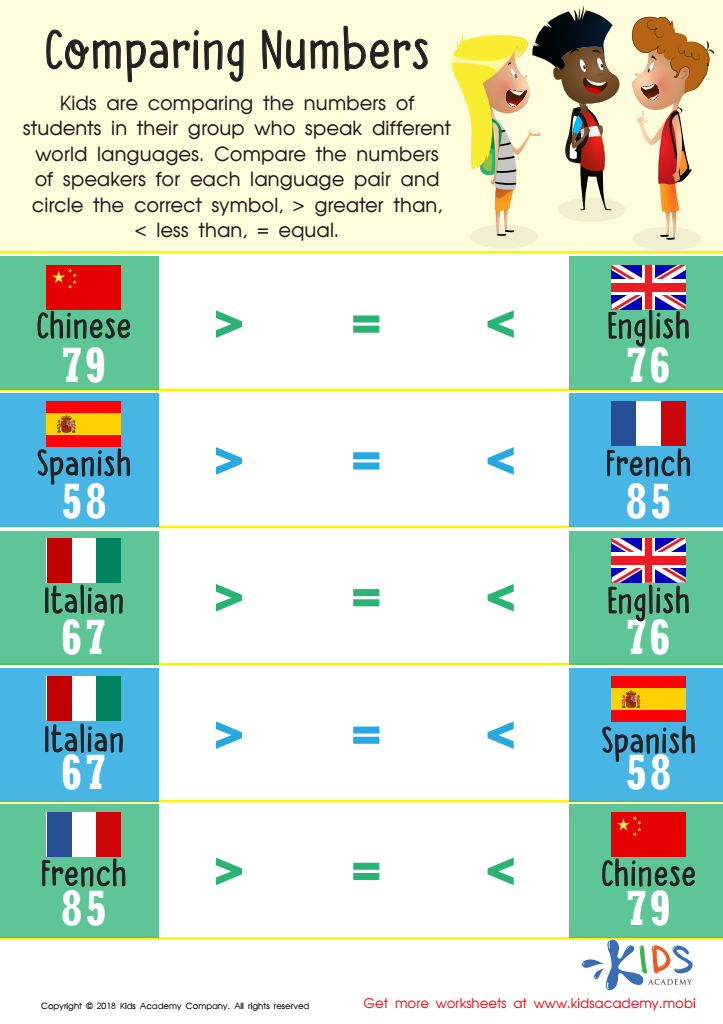
Comparing Numbers Worksheet for 1st Grade
 Assign to My Students
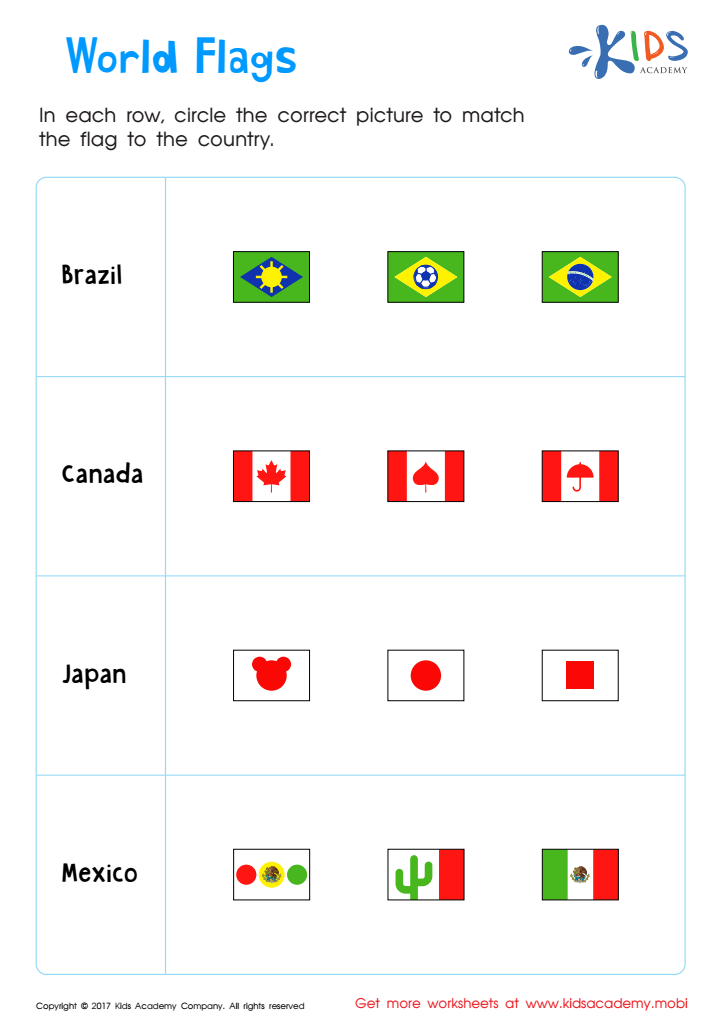
World Flags Printable
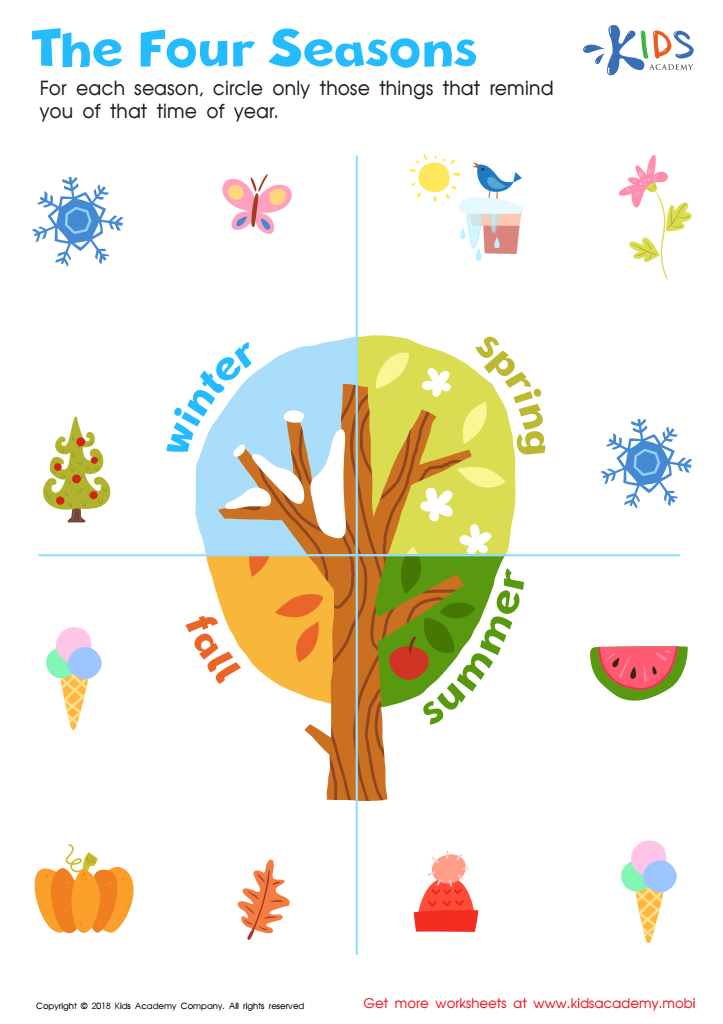
The Four Seasons Worksheet
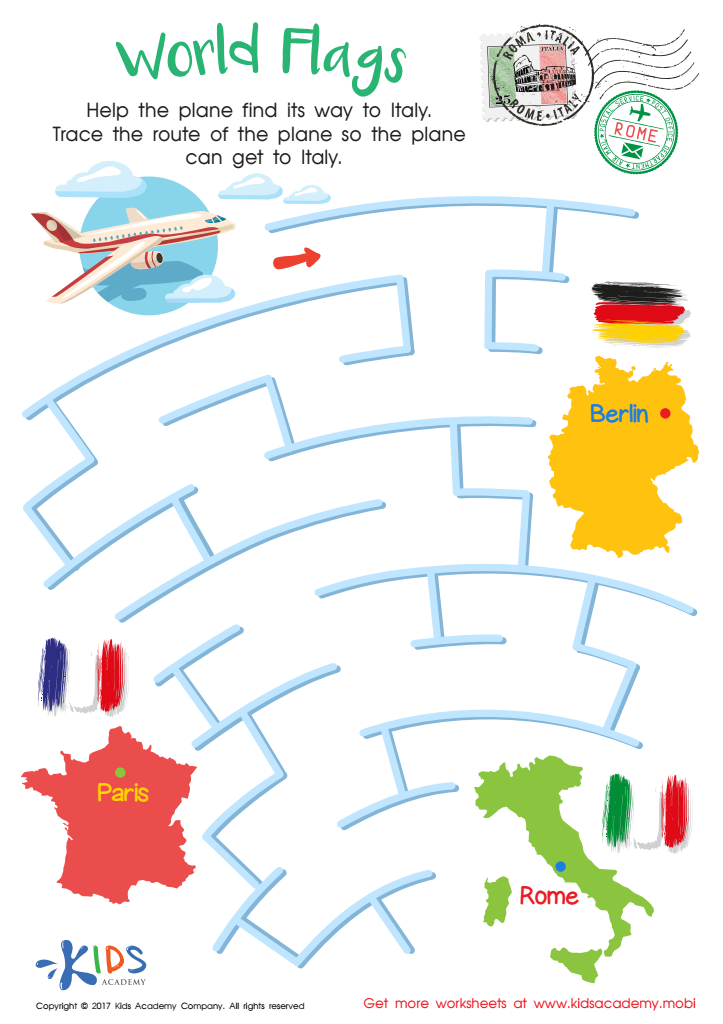
World Flags Maze Worksheet
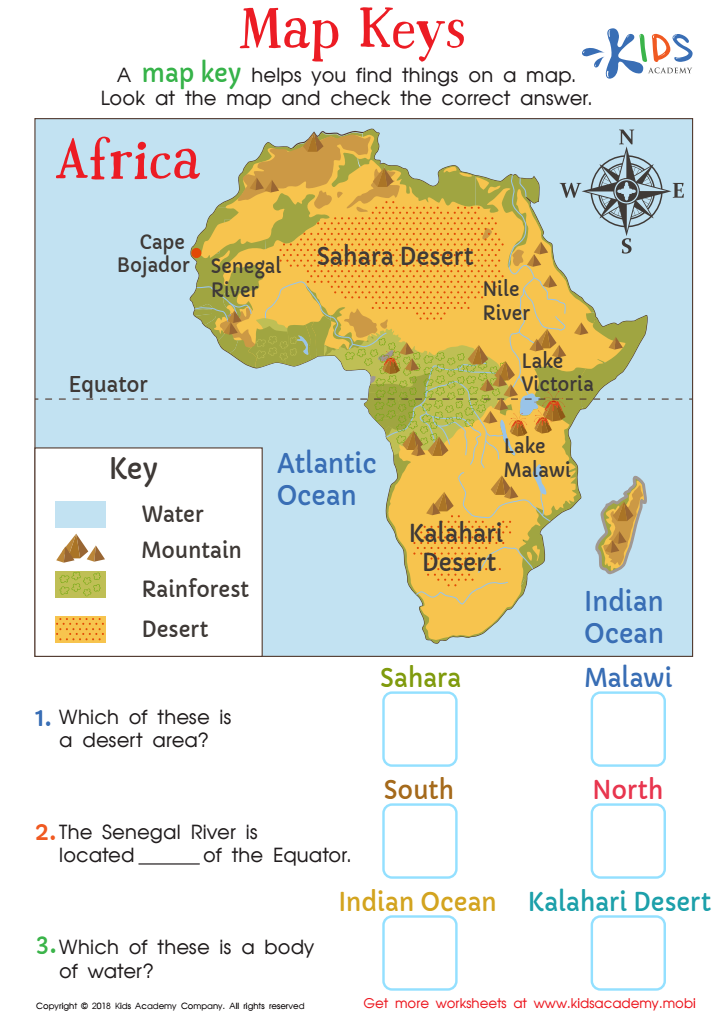
Map Keys Worksheet
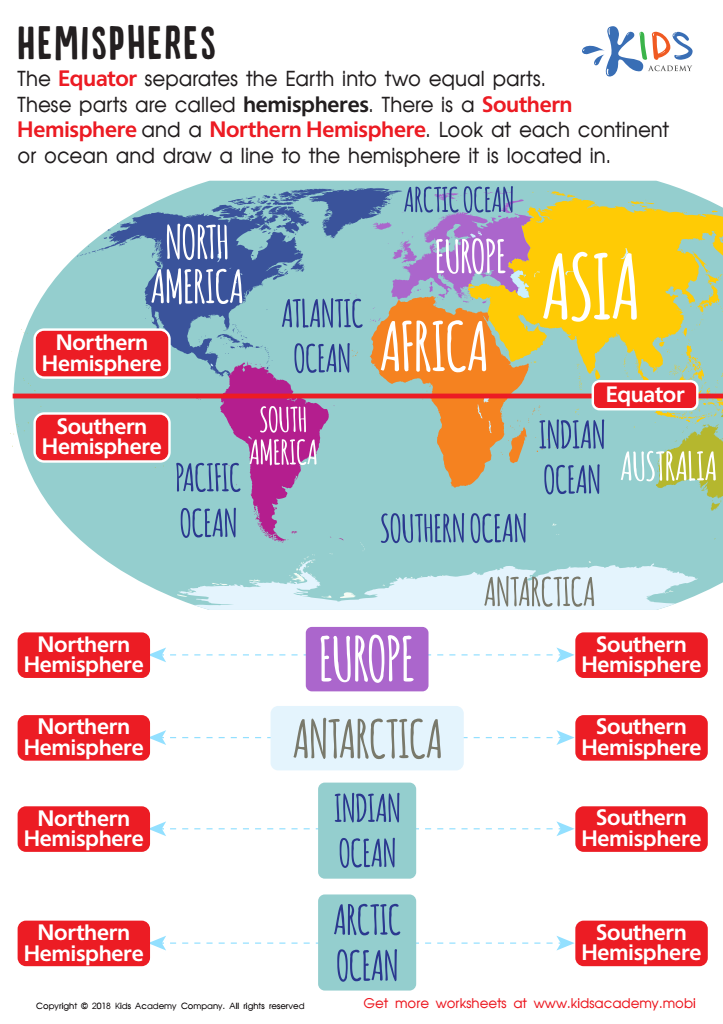
Hemispheres Worksheet


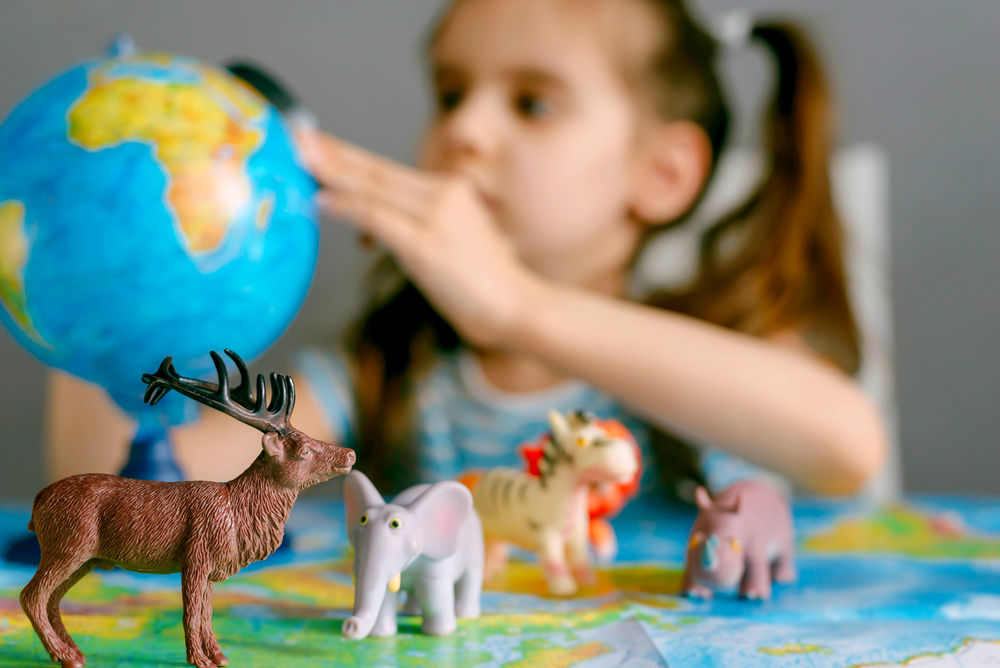




Introducing children aged 5-9 to geography is essential for fostering a lifelong curiosity about the world and developing essential skills. At this formative age, kids are naturally inquisitive, and geography provides a gateway to explore various places, cultures, and environments. Understanding basic geography helps young learners make sense of their own surroundings, such as identifying their home, school, and community on a map. This foundational knowledge enhances their spatial thinking abilities, which are critical for problem-solving and cognitive development.
Moreover, learning about different regions, climates, and peoples promotes cultural awareness and empathy. When children know that the world is wide and diverse, they become more open-minded and receptive to different perspectives. This early exposure cultivates global citizens who respect and value the diversity of our planet.
For parents and teachers, incorporating geography into everyday learning makes education more engaging and relevant. Mapping activities, exploring globes, and interactive geography games can make learning fun and hands-on. By fostering an interest in geography at an early age, parents and teachers equip children with the tools to better understand the interconnections of our world, fostering an informed, curious, and thoughtful next generation.