Vocabulary expansion Normal History Worksheets for Ages 5-9
5 filtered results
-
From - To
Unlock your child's potential with our engaging Vocabulary Expansion Normal History Worksheets for Ages 5-9! These thoughtfully designed resources introduce young learners to essential historical terms while enhancing their language skills. Each worksheet is packed with fun activities, including matching exercises, fill-in-the-blanks, and context clues that spark curiosity about the past. Our materials align with educational standards, making them perfect for both classroom use and at-home learning. With captivating visuals and age-appropriate language, your child will not only expand their vocabulary but also develop a deeper understanding of history concepts. Start the journey of learning today—where history comes alive!
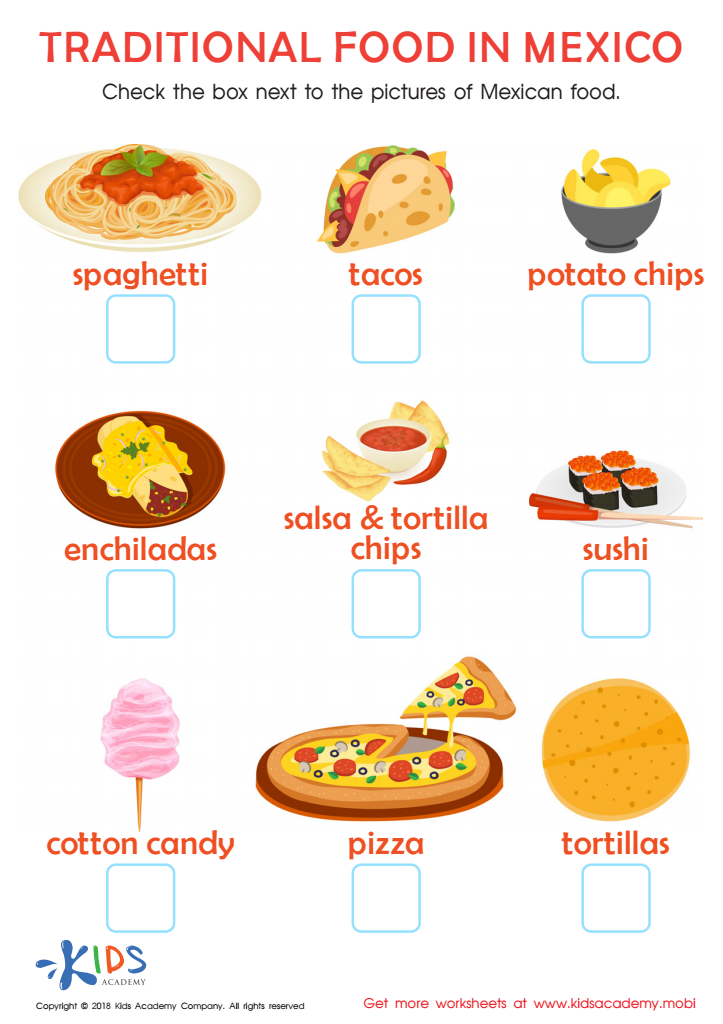
Traditional Food in Mexico Worksheet
 Assign to My Students
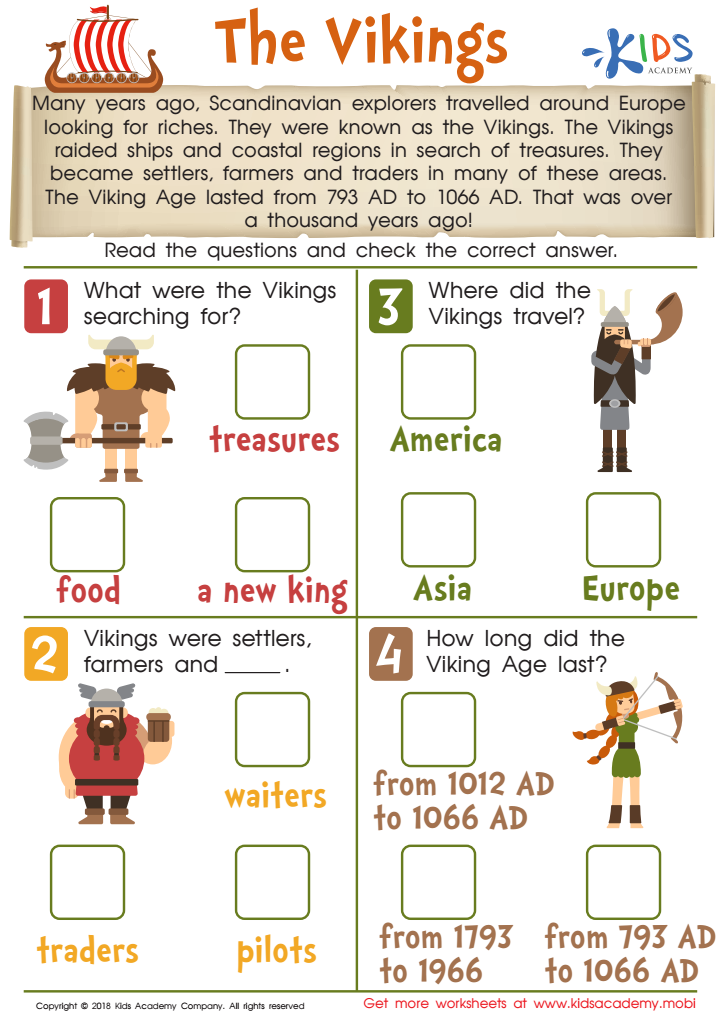
The Vikings Worksheet
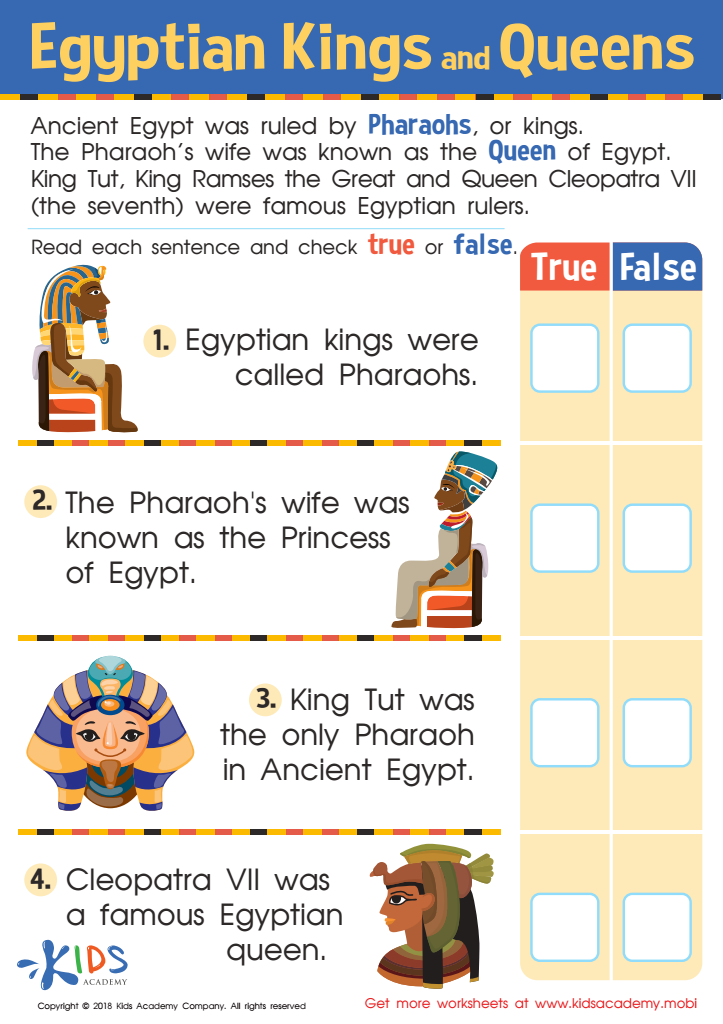
Egyptian Kings and Queens Worksheet
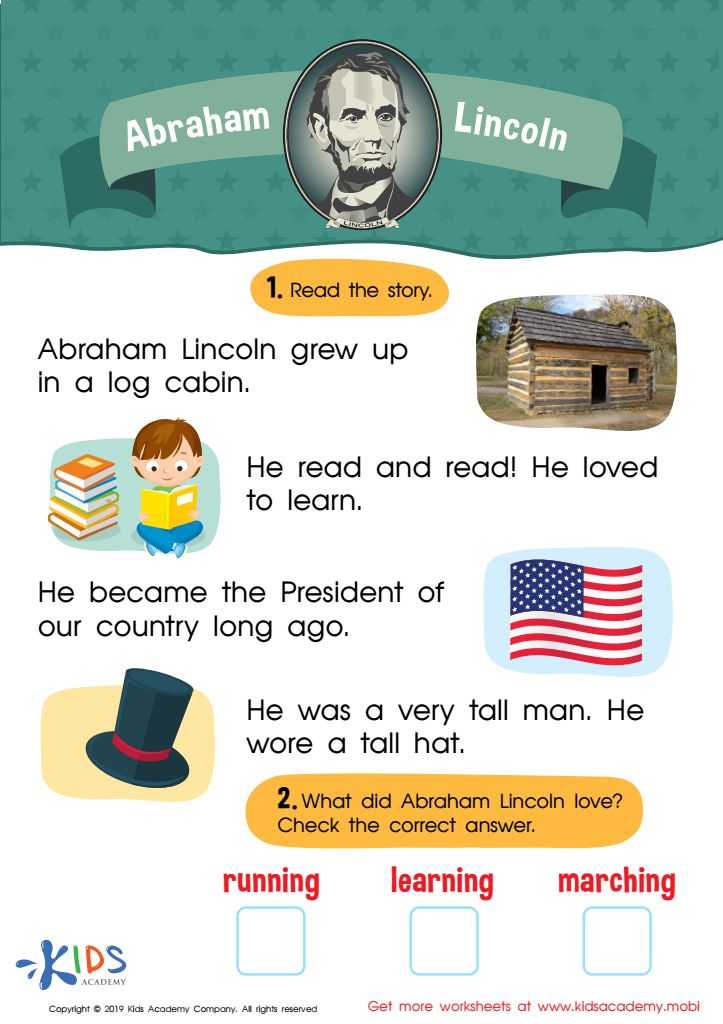
Abraham Lincoln Worksheet
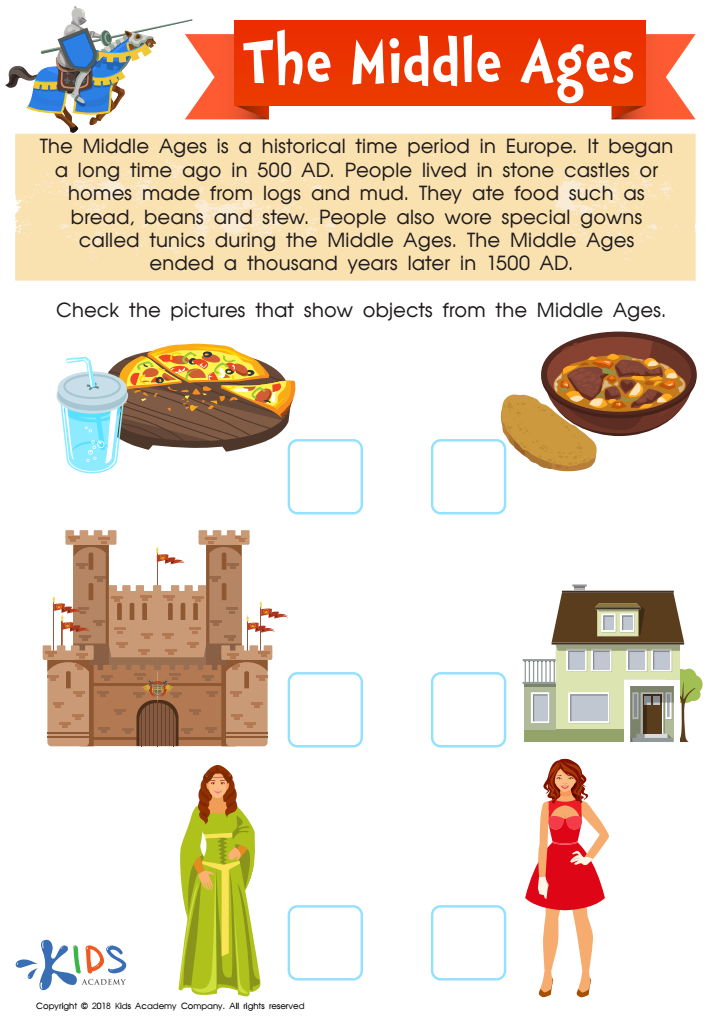
The Middle Ages Worksheet




.jpg)



Parents and teachers should prioritize vocabulary expansion through history for children aged 5-9 because early language development is crucial for academic success and cognitive growth. At this age, children are naturally curious and eager to learn, making it an ideal time to introduce historical vocabulary. Expanding their vocabulary not only enhances communication skills but also fosters critical thinking and comprehension.
Understanding historical contexts enriches children's learning experiences. When they learn new words associated with various historical events and figures, they gain insight into different cultures, values, and perspectives. This not only broadens their knowledge but also promotes empathy and social awareness.
Moreover, vocabulary development supports literacy skills, critical for reading and writing proficiency. A robust vocabulary enables children to grasp complex concepts and engage meaningfully with texts. It encourages active participation in discussions, storytelling, and creative expressions.
Lastly, a well-rounded vocabulary foundation lays the groundwork for future academic challenges. By nurturing an appreciation for words and their meanings related to history, parents and teachers empower young learners to navigate their world with confidence, curiosity, and an understanding of the past, ensuring they become informed and engaged citizens in the future.








