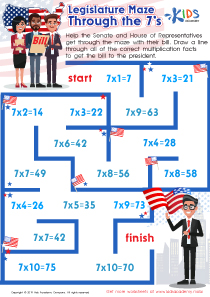
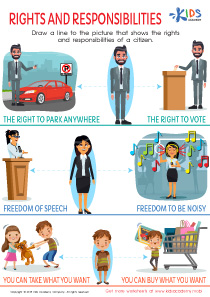
Identification skills Normal Social Studies Worksheets for Ages 5-9
3 filtered results
-
From - To
At Kids Academy, our Normal Social Studies Worksheets for ages 5-9 focus on developing crucial identification skills. Tailored to enhance young learners' abilities to recognize and understand different social studies elements, these worksheets cover topics such as community helpers, transportation, and symbols. Engaging activities encourage children to identify and classify various items, promoting cognitive and observational skills. Perfect for both classroom and home use, these resources lay a strong foundation for future social studies learning. Unlock your child's potential with our expertly designed identification worksheets that make learning fun and educational. Visit Kids Academy to explore our vast collection and support your child's learning journey.
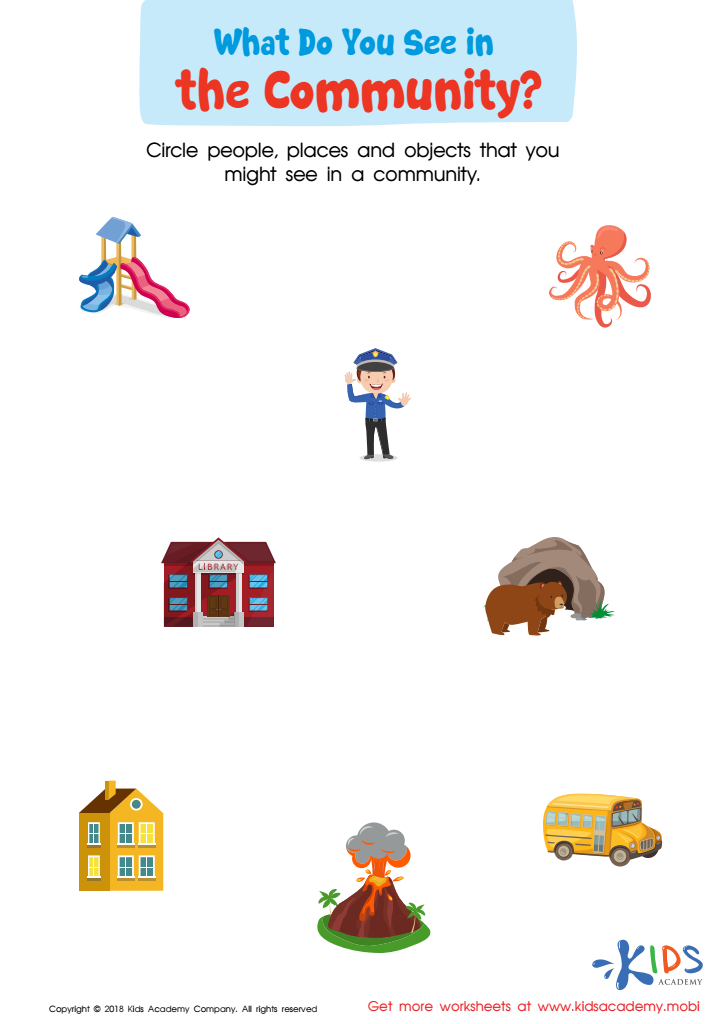
What Do You See in the Community Worksheet
 Assign to My Students
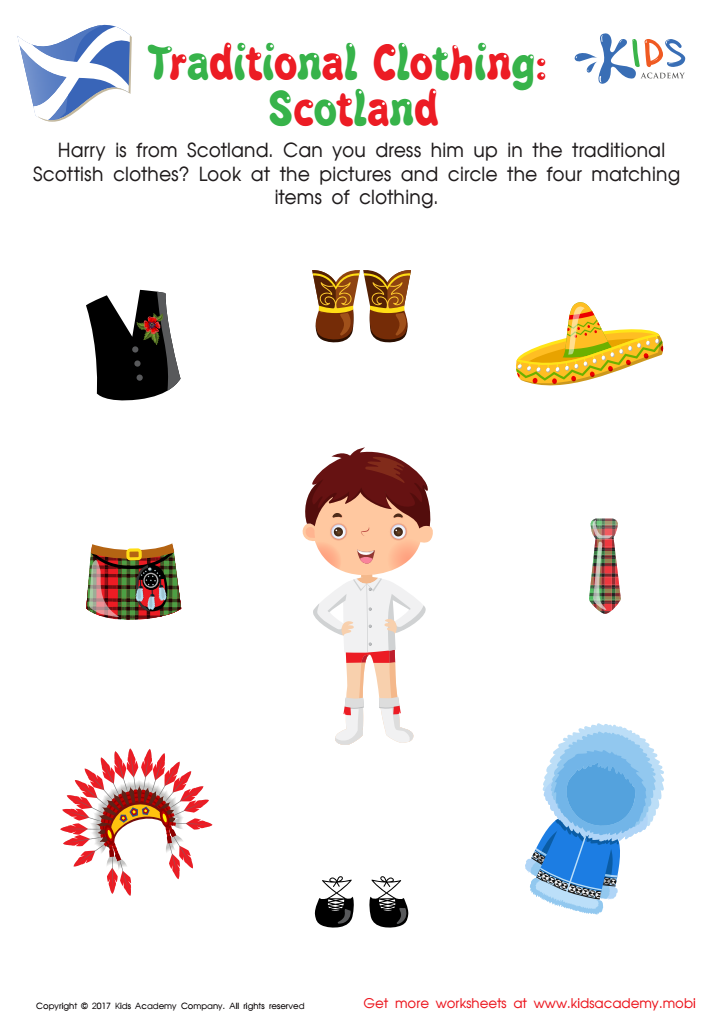
Traditional Clothing in Scotland Worksheet
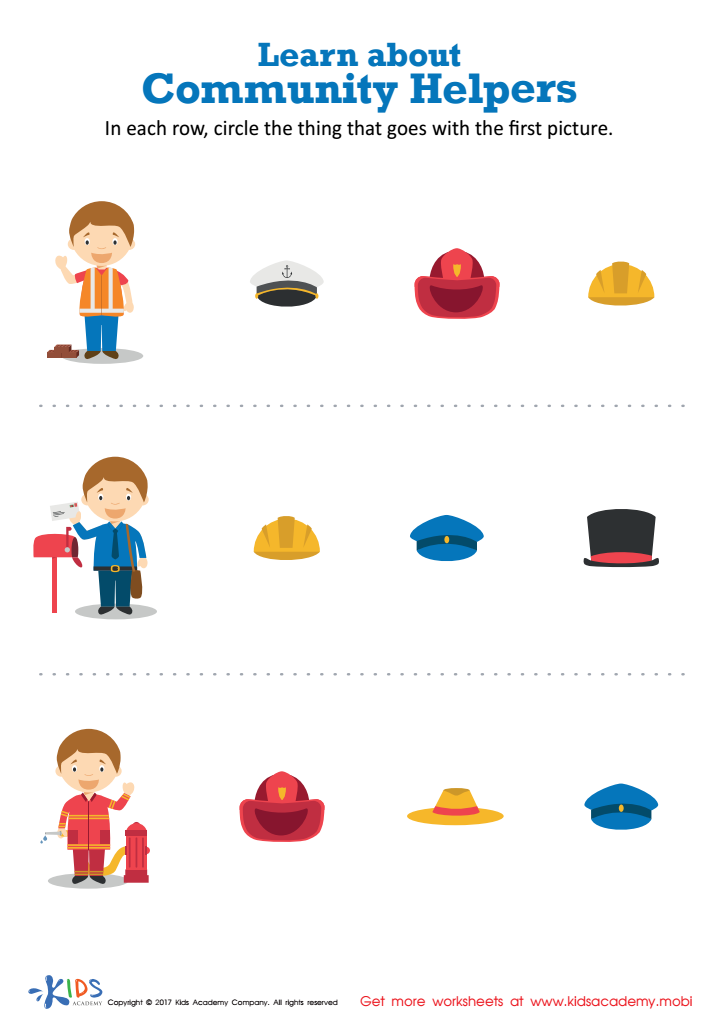
Learn about Community Helpers Printable







Identification skills in social studies are crucial for children ages 5-9 because they lay the foundation for understanding the world around them. These skills, which include recognizing and naming places, people, and objects, are crucial for young learners to build their cognitive and analytical abilities.
Developing strong identification skills allows children to navigate and make sense of their environments, which is vital for their overall cognitive development. When children can identify key landmarks, cultural icons, historical figures, and community helpers, they gain awareness and respect for their community and its diversity. This recognition fosters a sense of belonging and enhances social interactions.
For teachers and parents, supporting these skills means nurturing curiosity and encouraging observational skills. Rather than passively absorbing information, children actively engage with their world, asking questions and connecting new knowledge with what they already know. This active engagement boosts memory retention and critical thinking skills.
Furthermore, robust identification abilities are foundational for future academic success. Social studies, with its emphasis on cultural understanding and historical context, enables children to become informed citizens who appreciate and contribute positively to society. This holistic development not only supports academic achievements across subjects but also fosters empathetic and socially aware individuals.
Thus, prioritizing these skills benefits children's intellectual growth and social development, preparing them for more complex learning experiences and enabling them to navigate a diverse world responsibly and thoughtfully.