Motor skills development Normal Alphabet Worksheets for 5-Year-Olds
3 filtered results
-
From - To
Enhance your child's motor skills with our engaging Normal Alphabet Worksheets designed specifically for 5-year-olds. These printable worksheets provide a fun and effective way for young learners to practice letter formation, develop fine motor skills, and improve hand-eye coordination. Each worksheet features captivating activities that encourage tracing, coloring, and writing, making learning the alphabet enjoyable. As children work through these exercises, they'll build confidence and precision in their handwriting while exploring the fundamentals of literacy. Perfect for homeschooling or supplementary practice, our worksheets empower parents to support their child’s early academic journey. Download and watch your child's skills flourish!
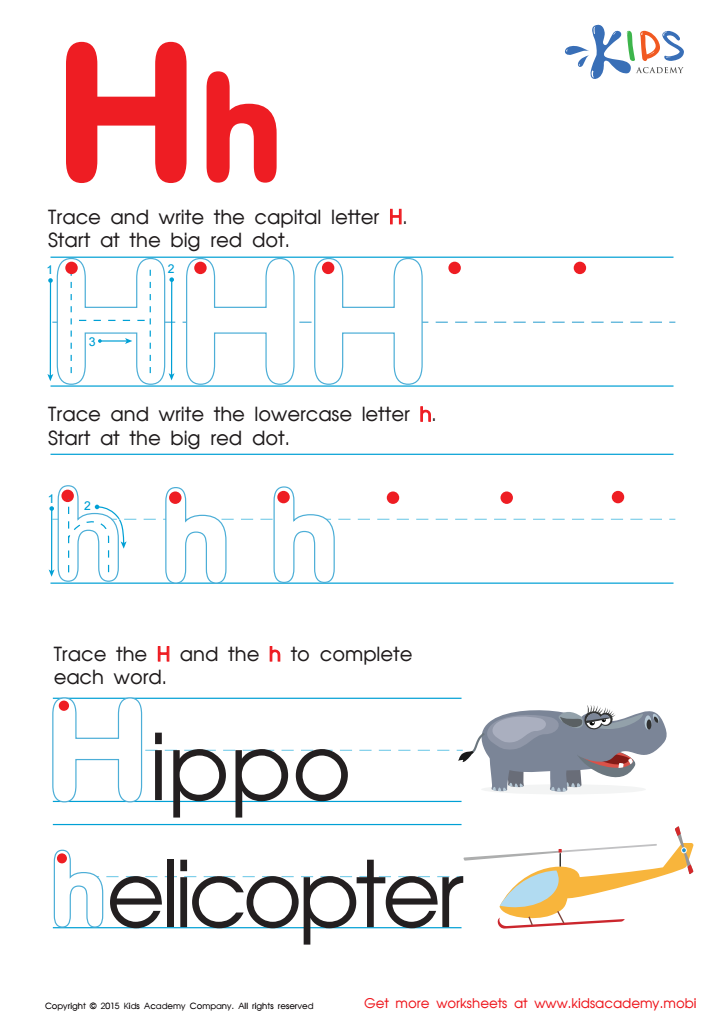
Letter H Tracing Page
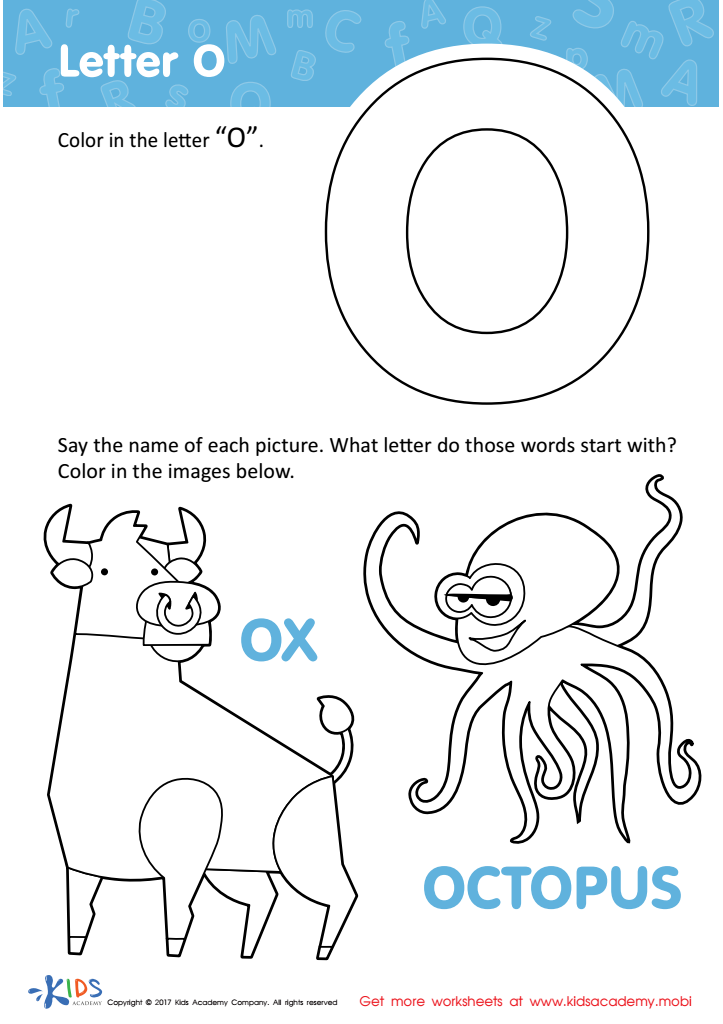
Letter O Coloring Sheet
 Assign to My Students
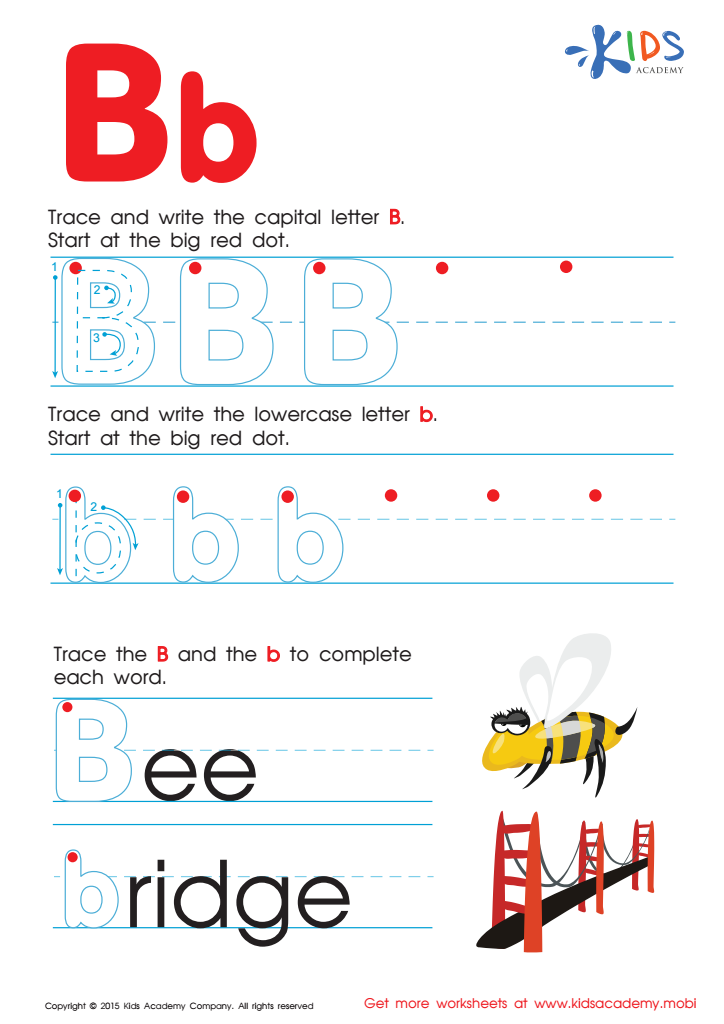
Letter B Tracing Page



.jpg)




Motor skills development is crucial for 5-year-olds because it lays the foundation for a child's overall growth, confidence, and learning abilities. At this age, children are honing both gross motor skills (like running and jumping) and fine motor skills (such as using scissors or holding a pencil). These skills are essential for everyday tasks, as they impact a child's ability to participate in play, sports, and routines like dressing and eating.
Parents and teachers should care about this development because strong motor skills contribute directly to a child's academic success. For instance, fine motor skills are crucial for writing letters and numbers, which are foundational for literacy and numeracy. Furthermore, improved motor skills enhance children's ability to focus and be engaged in classroom activities.
Supporting motor skills with appropriate activities, like cutting, drawing, or playing ball, promotes not only physical confidence but also social interactions and emotional well-being. Children who feel capable in their physical abilities are more likely to engage positively with peers and build friendships. Ultimately, by fostering motor skills development, parents and teachers are nurturing well-rounded, capable, and confident individuals who are better prepared for future challenges in learning and life.







