Fine Motor Skills Normal Letter Recognition Worksheets for 5-Year-Olds
41 filtered results
-
From - To
Our "Fine Motor Skills Normal Letter Recognition Worksheets for 5-Year-Olds" are designed to seamlessly integrate letter recognition practice with fine motor skills development. These engaging and educational worksheets feature activities that help preschoolers identify and differentiate between letters while enhancing their pencil grip and hand-eye coordination. Each worksheet offers a variety of tracing, matching, and coloring exercises that keep young learners engaged. Ideal for both classroom and home use, these printable worksheets provide the perfect foundation for early literacy skills. Give your child a head start with engaging, hands-on activities that make learning fun and effective.
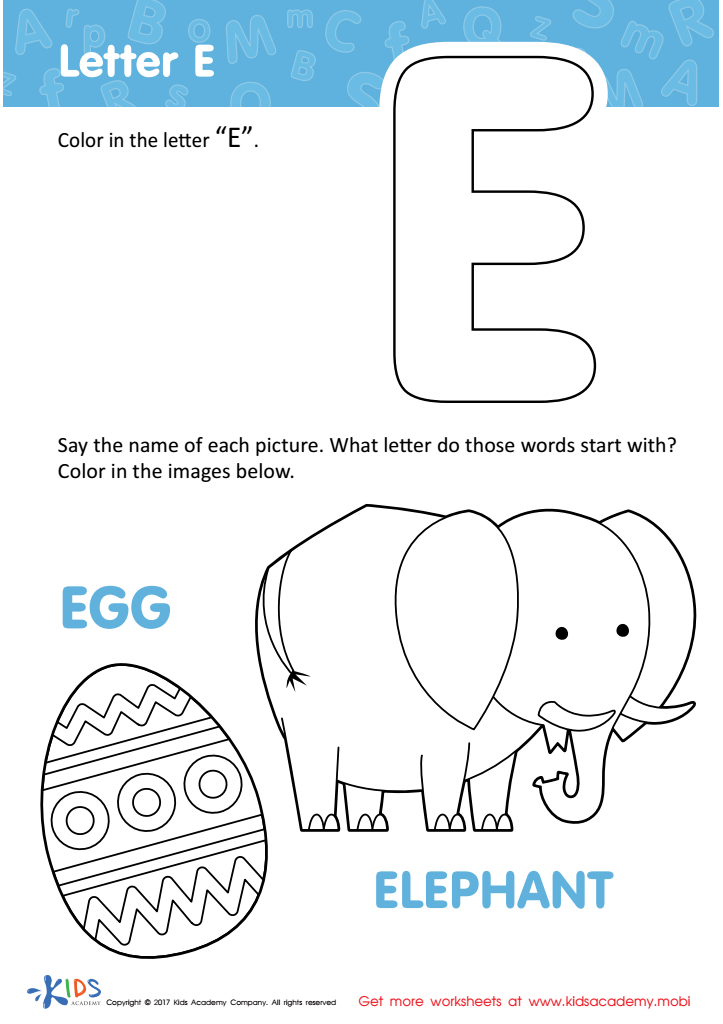
Letter E Coloring Sheet
 Assign to My Students
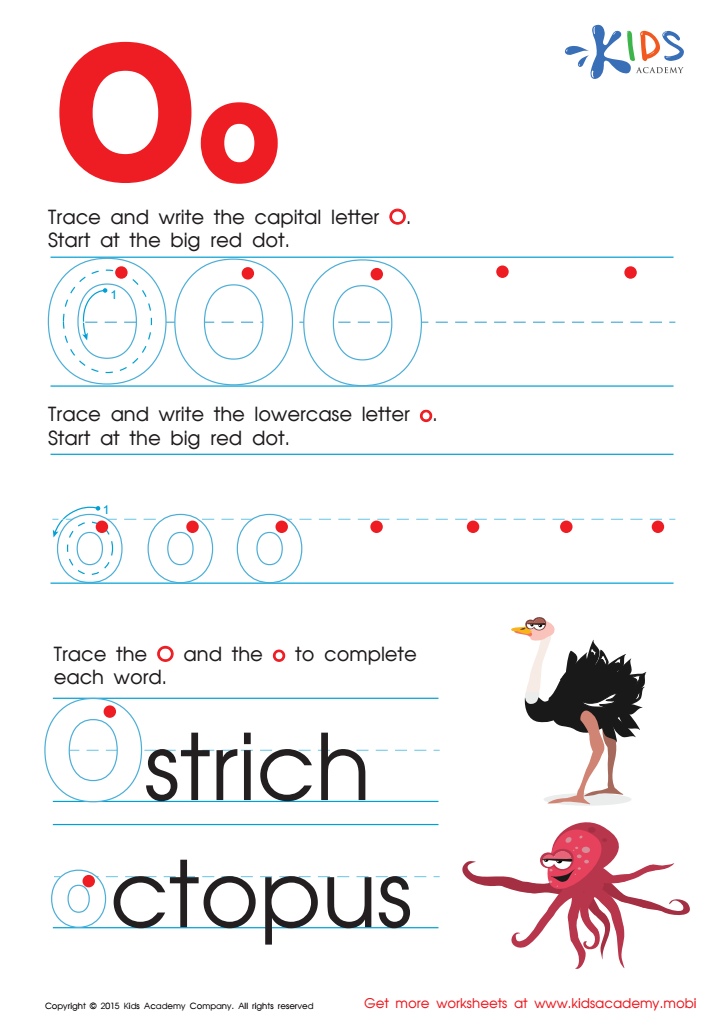
Letter O Tracing Page
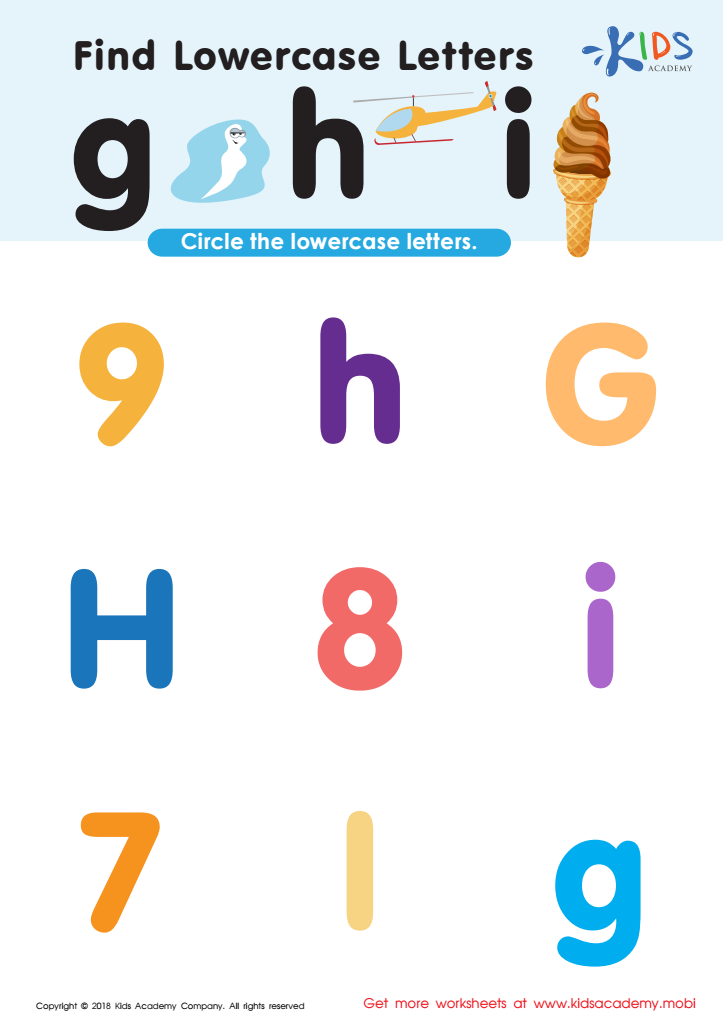
Find Lowercase Letters g h i Worksheet

Letter P Tracing Page
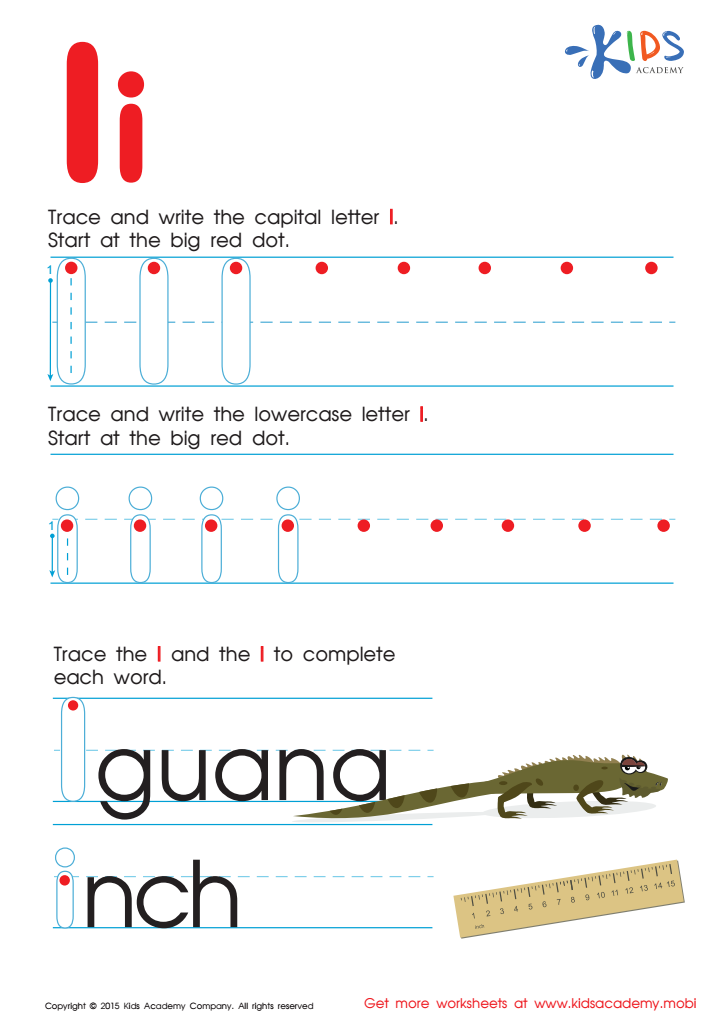
Letter I Tracing Page
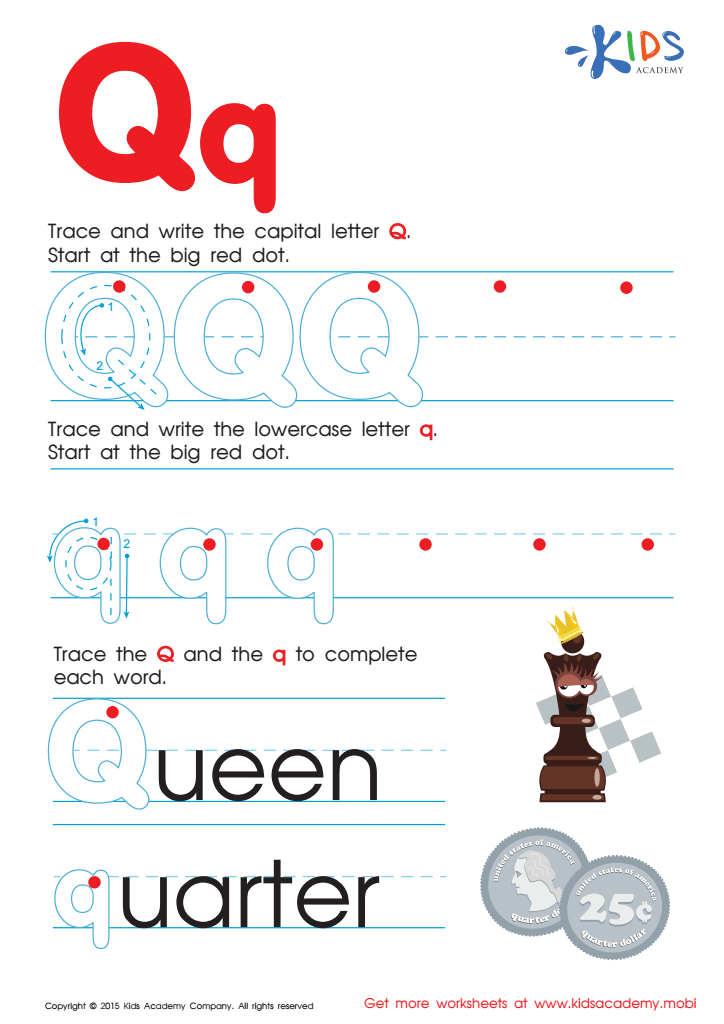
Letter Q Tracing Page
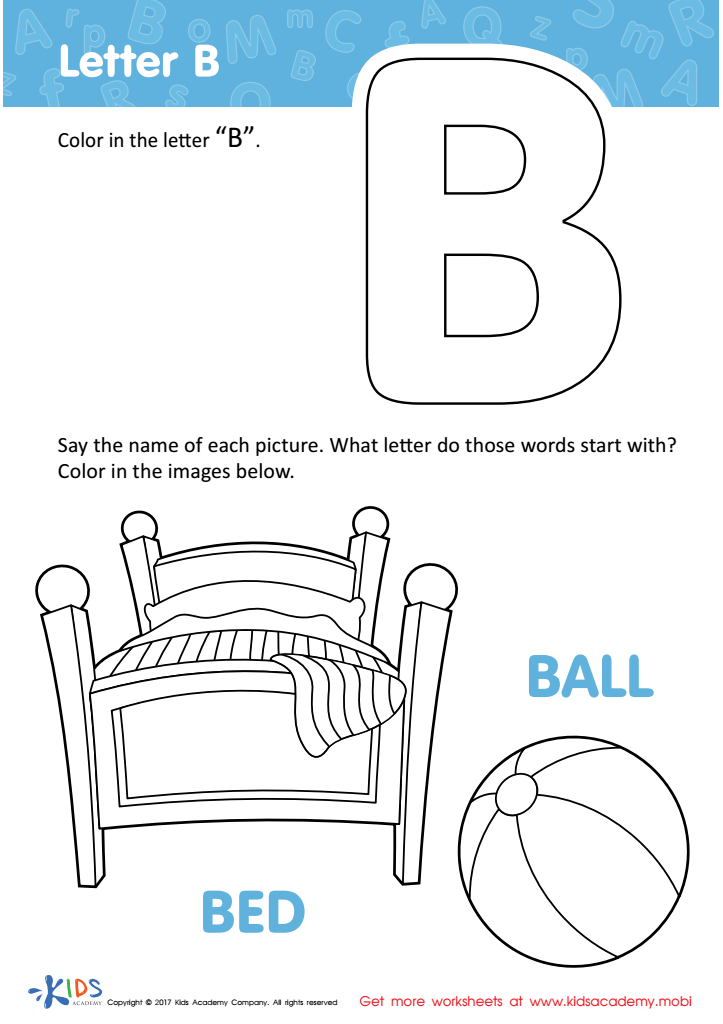
Letter B Coloring Sheet
Assign to My Students
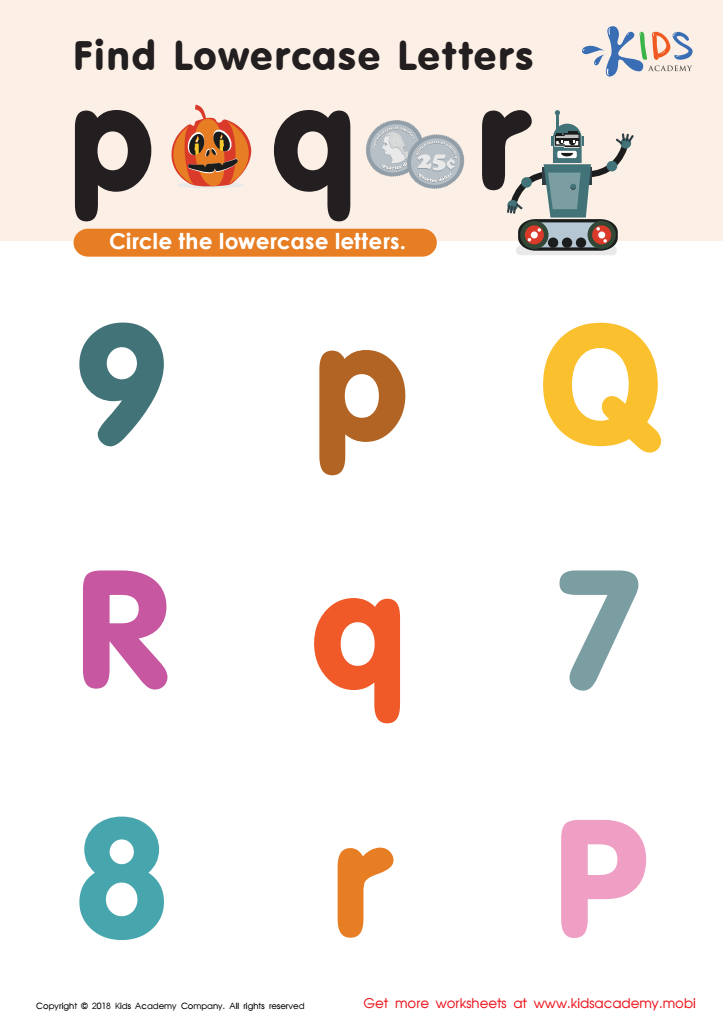
Find lowercase Letters p q r Worksheet
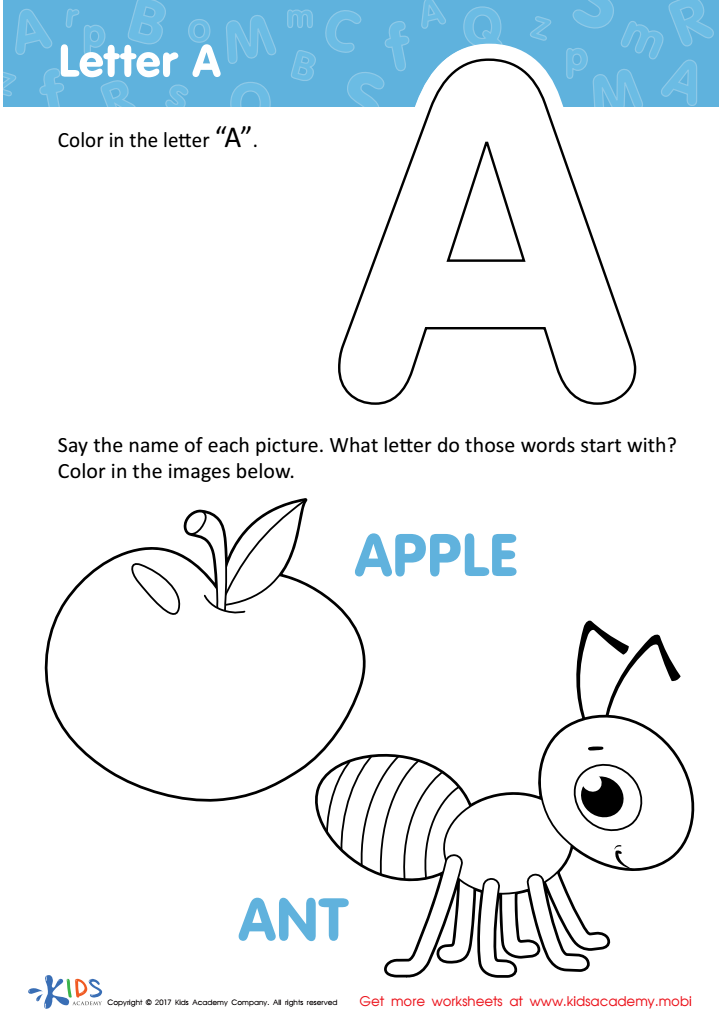
Letter A Coloring Sheet
Assign to My Students
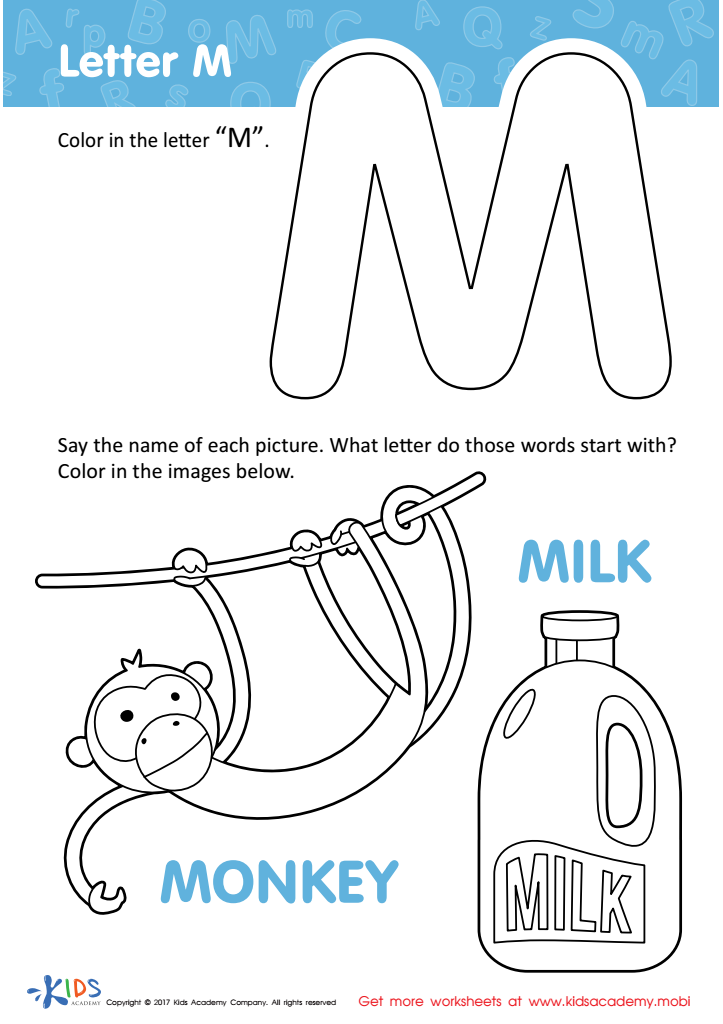
Letter M Coloring Sheet
Assign to My Students
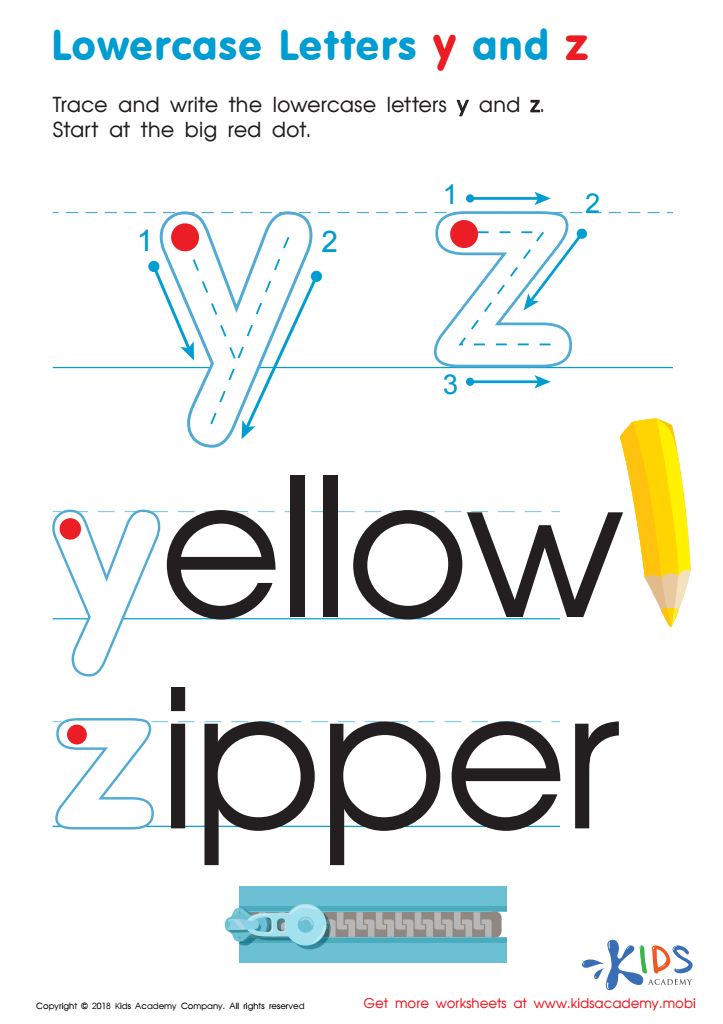
Lowercase Letters y z Worksheet
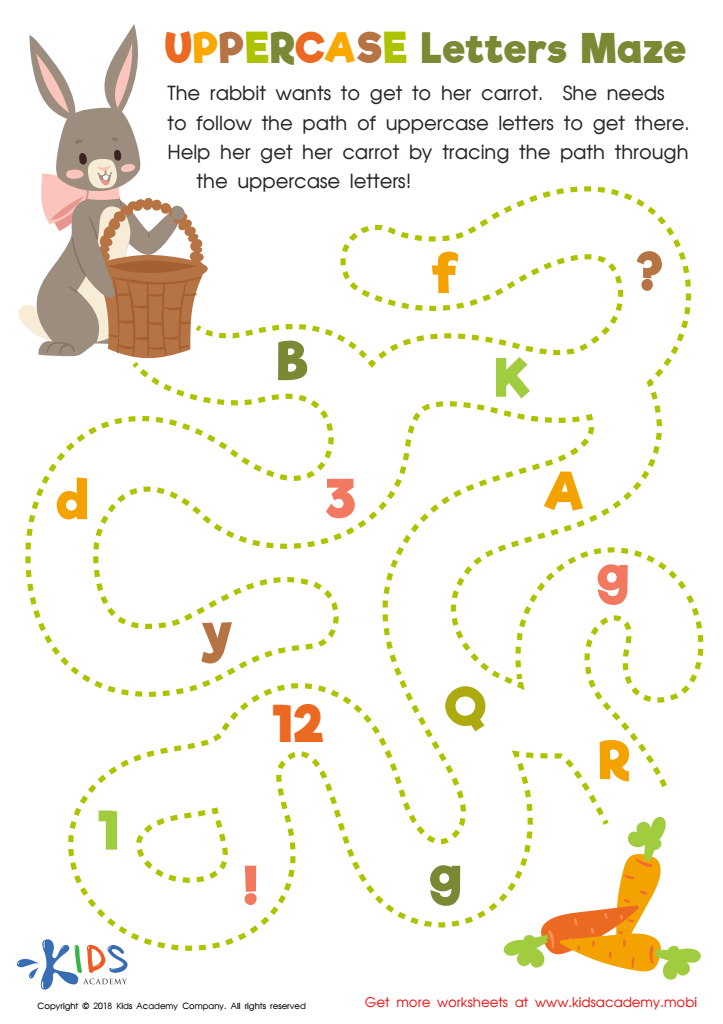
Uppercase Letters Maze Worksheet
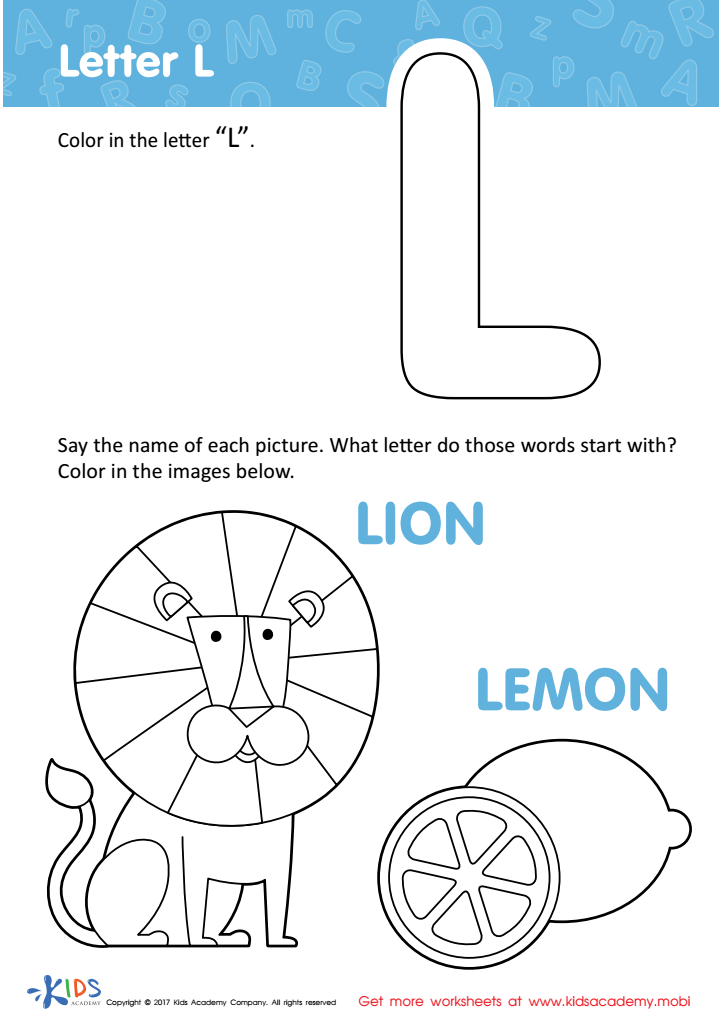
Letter L Coloring Sheet
Assign to My Students
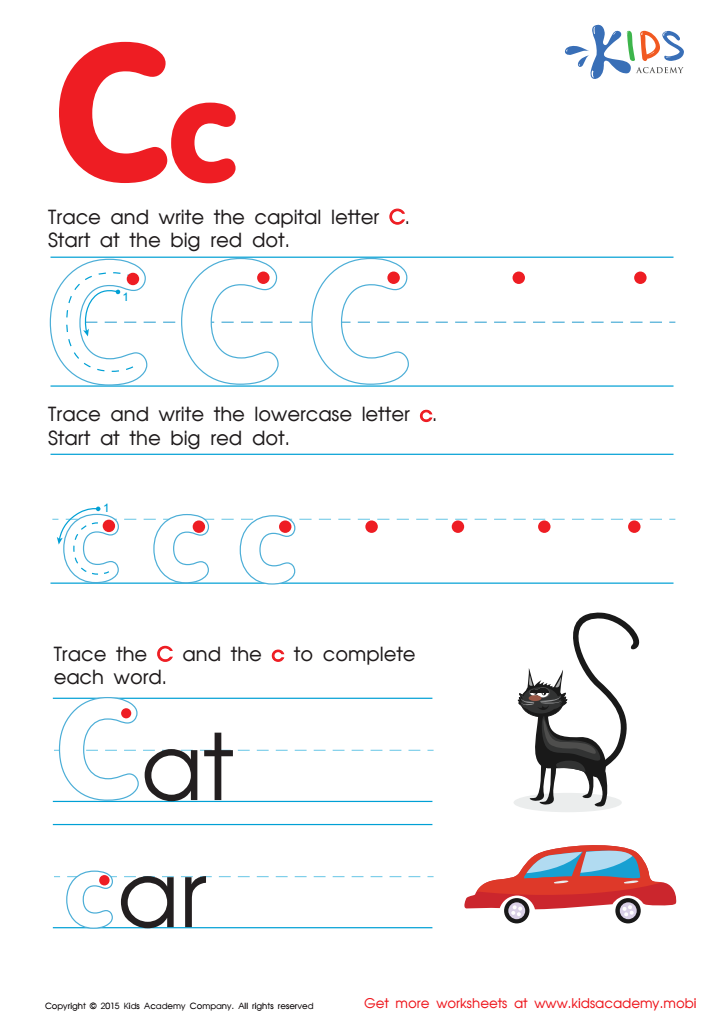
Letter C Tracing Page
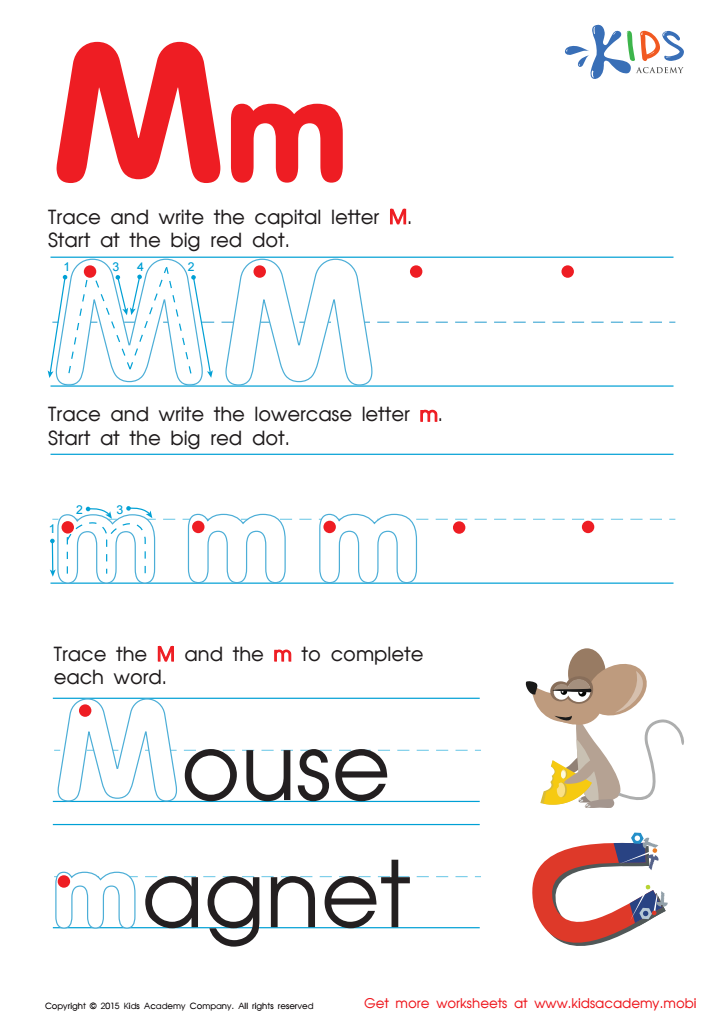
Letter M Tracing Page
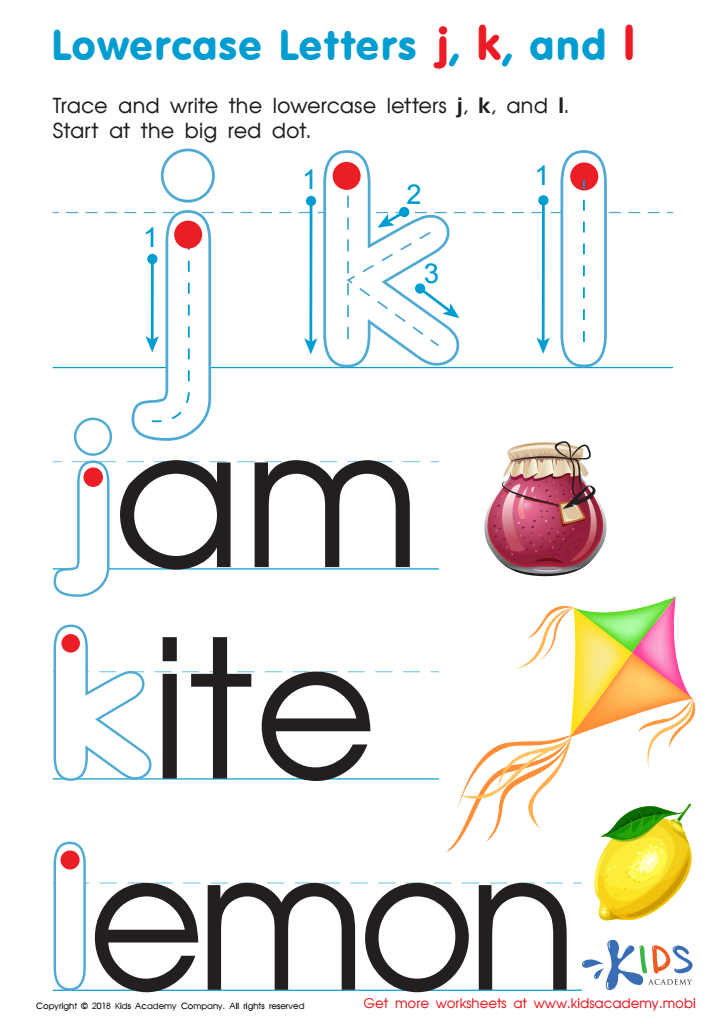
Lowercase Letters j k l Worksheet
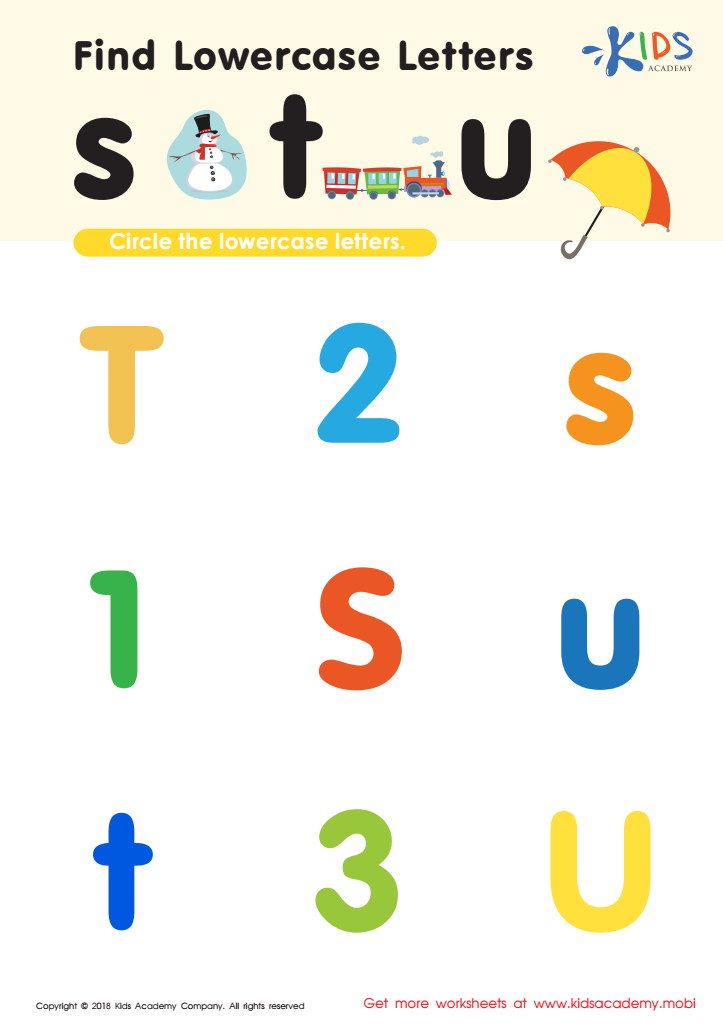
Find lowercase Letters s t u Worksheet

Letter G Tracing Page
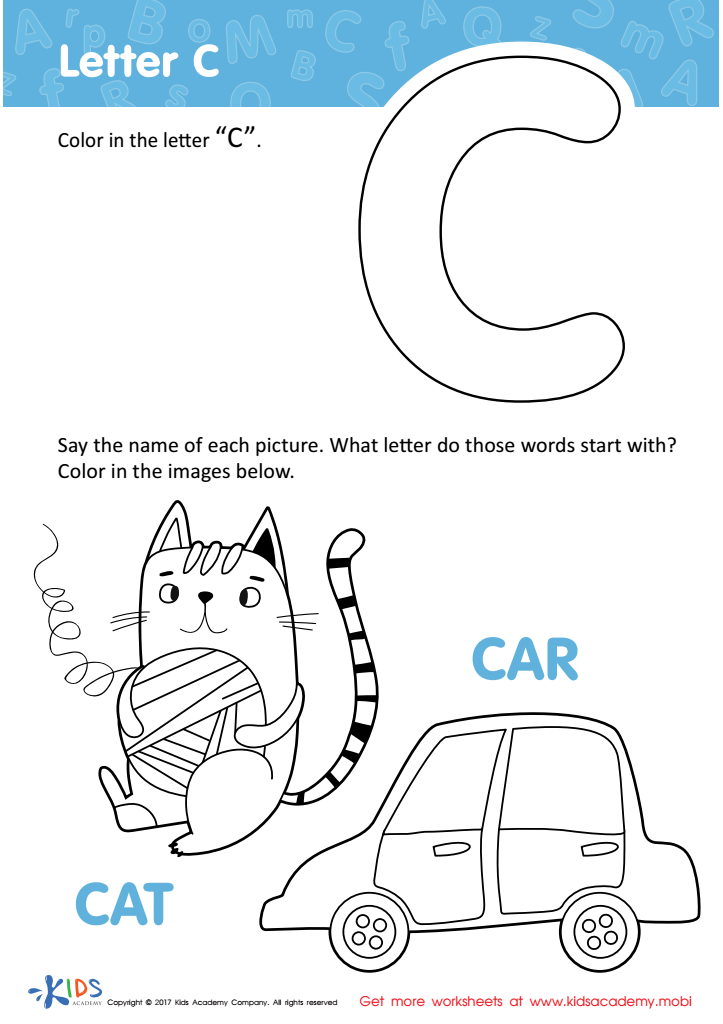
Letter C Coloring Sheet
Assign to My Students

Find Uppercase Letters A, B, and C Worksheet
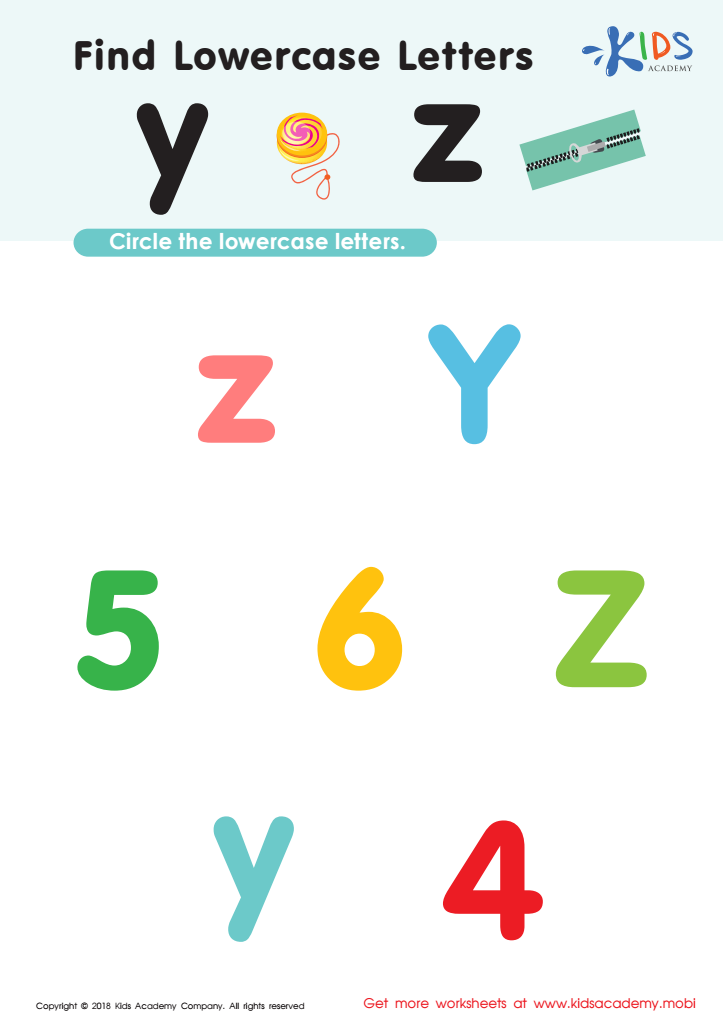
Find Lowercase Letters y z Worksheet
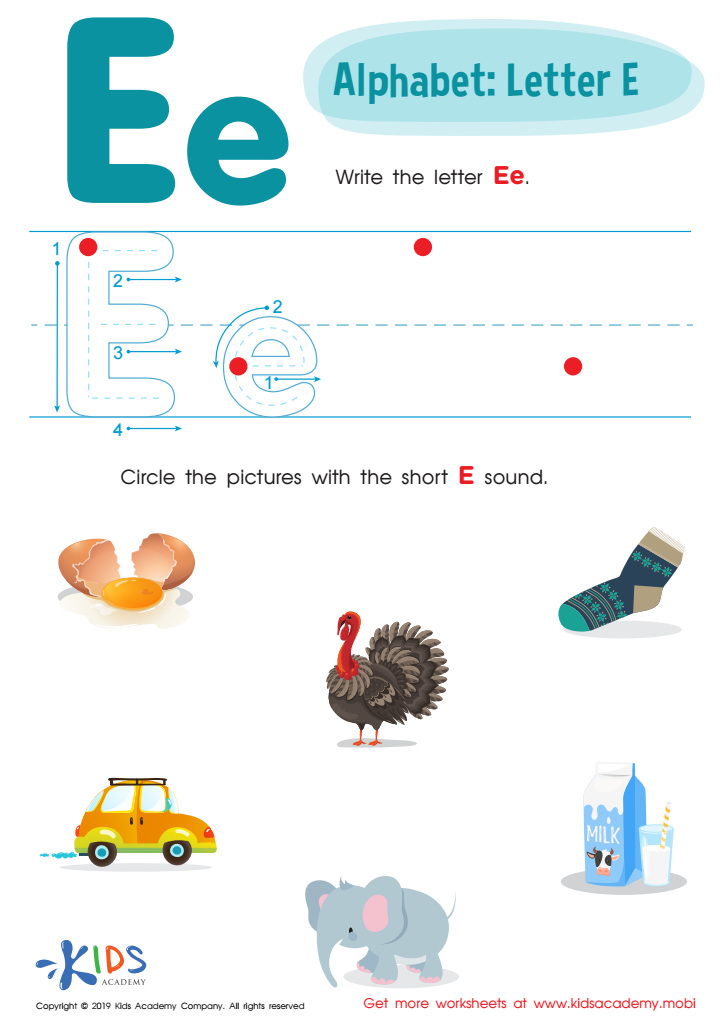
Letter E Tracing Worksheet
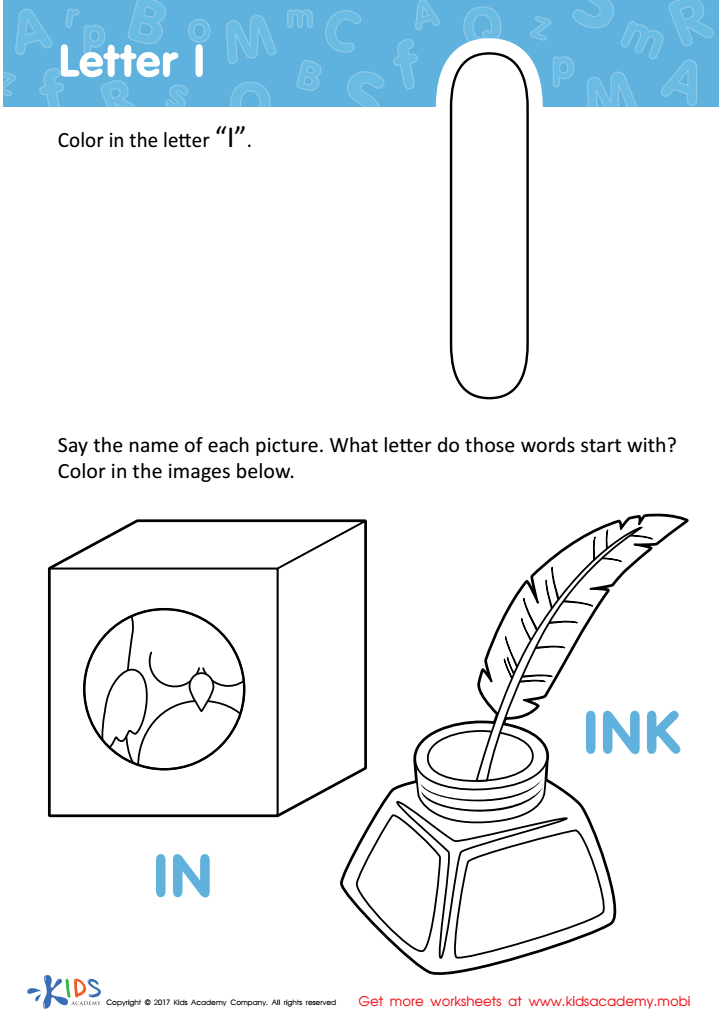
Letter I Coloring Sheet
Assign to My Students
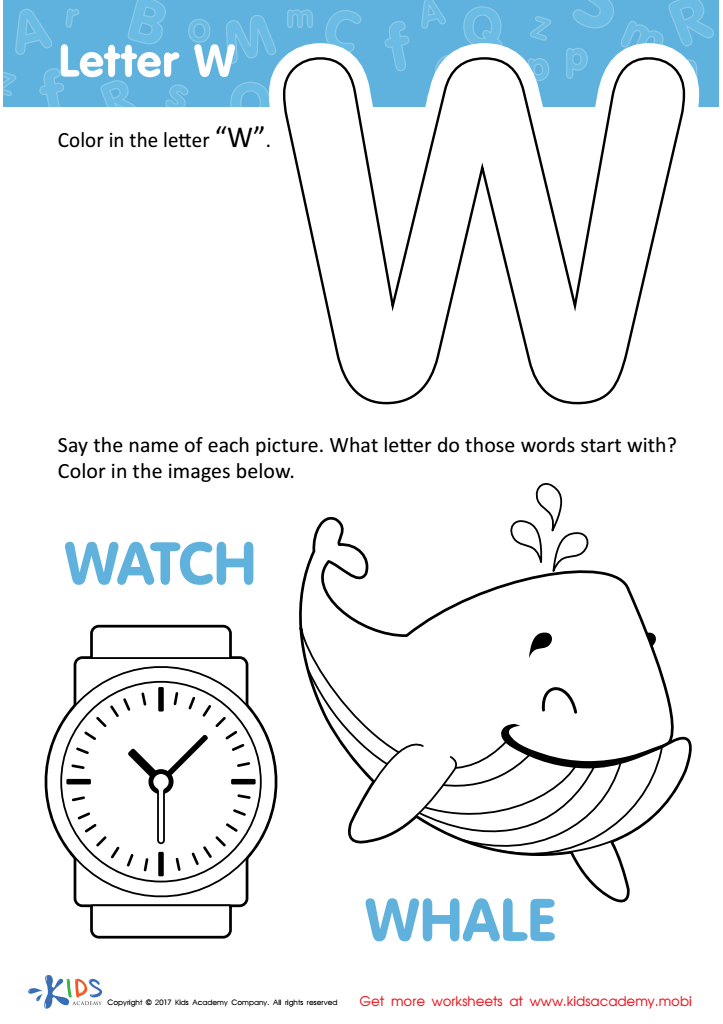
Letter W Coloring Sheet
Assign to My Students








Parents and teachers should care about fine motor skills and normal letter recognition in 5-year-olds because these skills are foundational for a child's early academic success and overall development. Fine motor skills involve the coordination of small muscles in the hands and fingers, which are essential for tasks like writing, drawing, and manipulating small objects. These skills not only support academic achievements but also enhance a child's ability to perform everyday activities independently, such as buttoning clothes or using utensils.
Normal letter recognition is another critical component of early literacy. It refers to the ability to identify and name letters of the alphabet, a precursor to reading and writing. When children can recognize letters easily, they are better prepared to understand and decipher written language. This recognition is often tied directly to their ability to write letters legibly, an activity deeply rooted in fine motor skills. Early mastery of these skills allows children to enter kindergarten and first grade on sound footing, making them more likely to succeed academically.
Furthermore, the development of these skills contributes positively to a child's self-esteem and confidence in their abilities. When children feel adept in their skills, they are more likely to enjoy learning and embrace new educational challenges with enthusiasm and resilience. Thus, parents and teachers should prioritize fostering fine motor skills and letter recognition in young children.








