Vocabulary Building Normal Phonics Worksheets for 5-Year-Olds
4 filtered results
-
From - To
Discover our engaging Vocabulary Building Normal Phonics Worksheets designed specifically for 5-year-olds! These activities promote phonics skills while expanding vocabulary through fun, interactive exercises. Each worksheet encourages young learners to identify words, connect sounds with letters, and enhance their reading comprehension. Our carefully crafted materials encompass a variety of themes, ensuring that children remain excited and motivated. Perfect for both classroom and home use, these worksheets support early literacy development and foster a love for learning. Equip your child with essential skills that pave the way for future academic success while gaining confidence in their reading abilities! Explore our printable resources today!
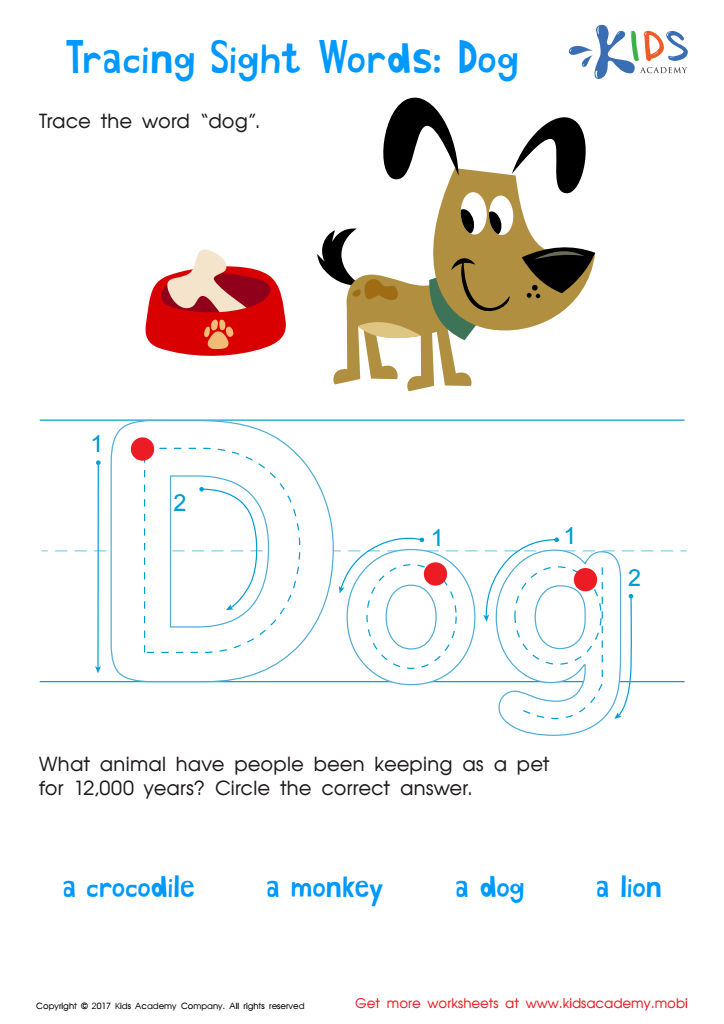
Dog Worksheet Sight Words Worksheet
 Assign to My Students
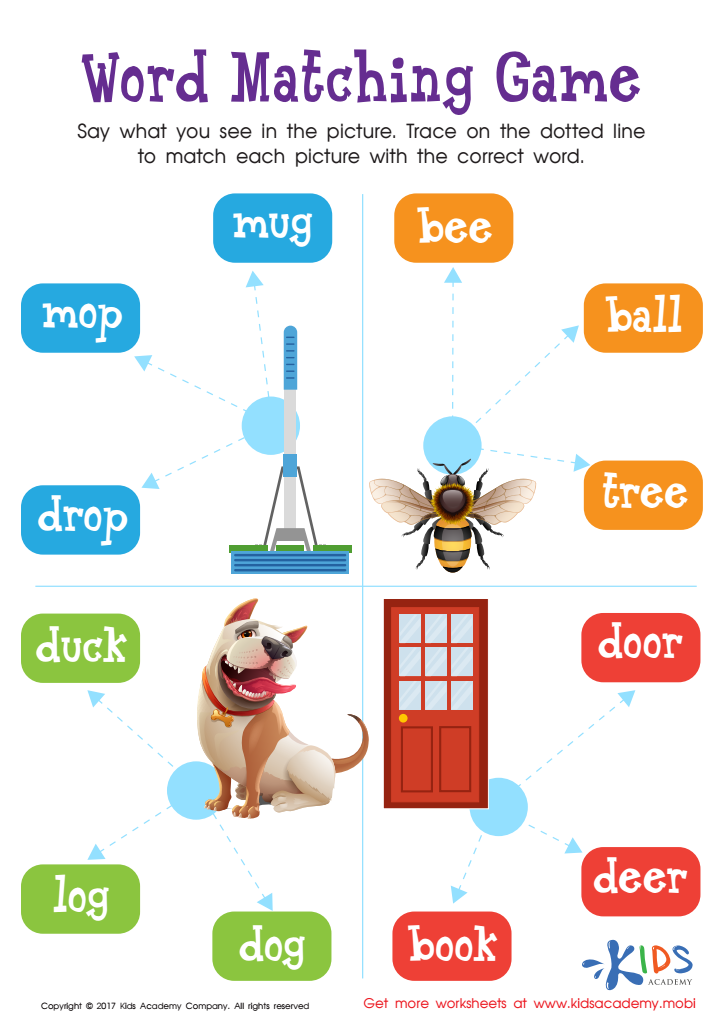
Word Matching Game Worksheet
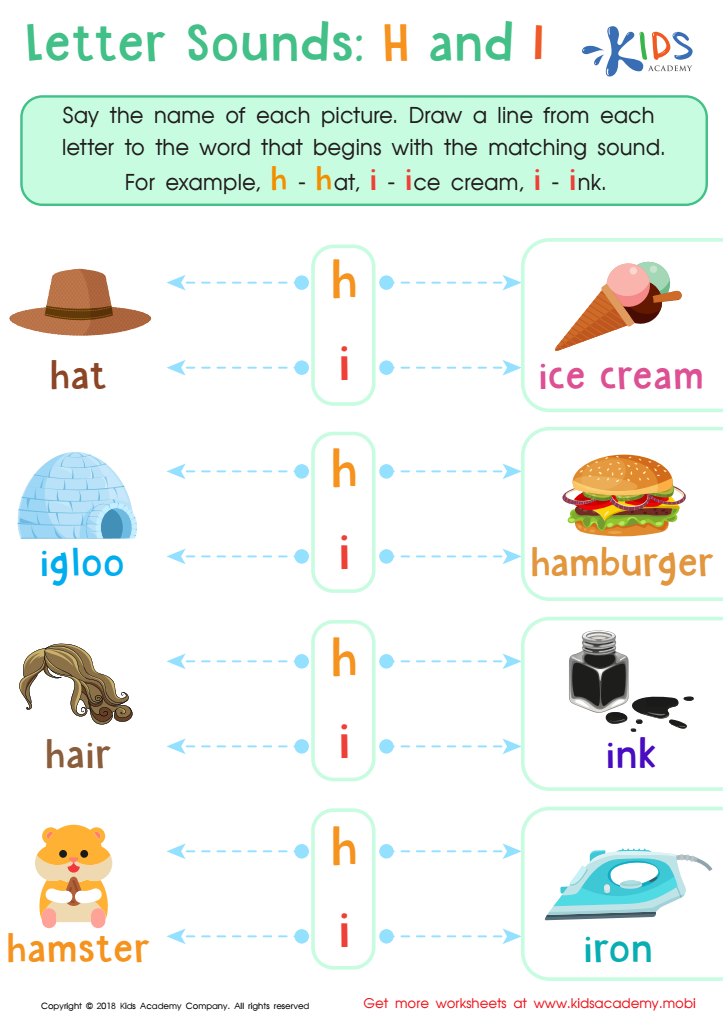
Letter H and I Sounds Worksheet
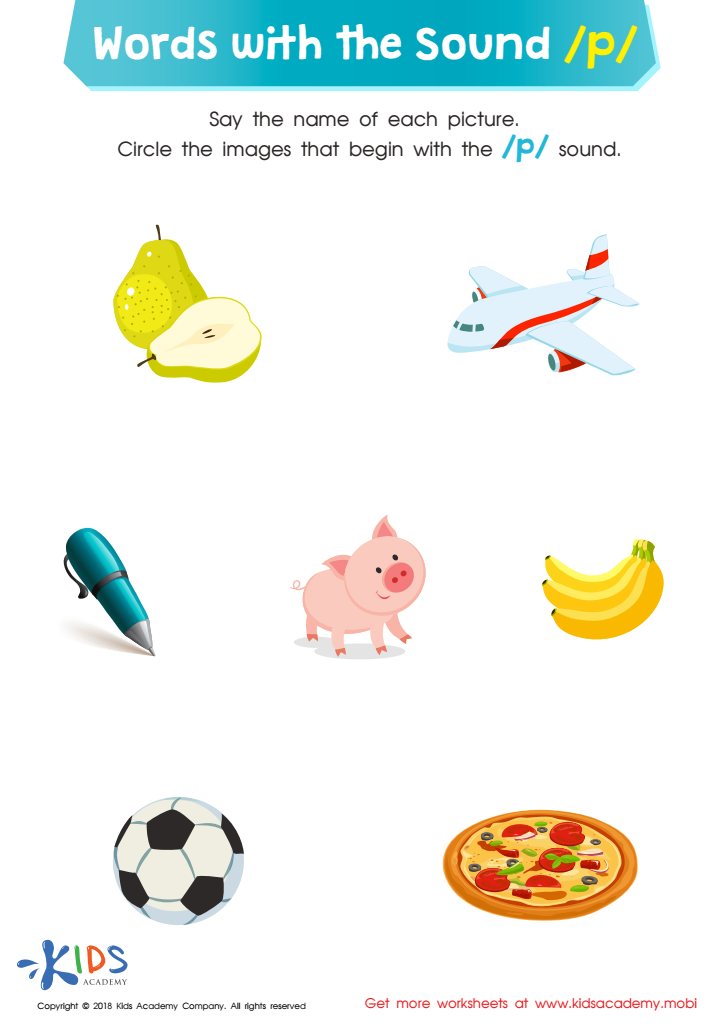
Words with sound p Reading Worksheet








Building vocabulary and phonics skills in 5-year-olds is crucial for their lifelong literacy development. At this age, children are typically emerging readers, and a strong foundation in vocabulary and phonics sets the stage for more complex reading and writing abilities. Vocabulary acquisition helps children express themselves clearly and understand the world around them, while phonics—the connection between sounds and letters—enables them to decode words independently.
Parents and teachers play a significant role in fostering these skills. Engaging children in playful word games, reading aloud, and encouraging them to sound out words enriches their vocabulary and enhances their phonemic awareness. These interactions not only boost academic performance but also instill a love for reading, essential for later success in school.
Furthermore, a strong grasp of vocabulary and phonics supports communication skills, helping children form friendships and navigate social environments. This early focus on language also enhances cognitive development, allowing children to participate more fully in classroom discussions and collaborative activities.
Ultimately, prioritizing vocabulary building and phonics instruction equips young learners with the tools they need to become confident, competent readers and effective communicators, paving the way for future educational achievements.







