Vocabulary development Normal Phonics Worksheets for 5-Year-Olds
10 filtered results
-
From - To
Enhance your child's vocabulary with our engaging Normal Phonics Worksheets for 5-Year-Olds. Designed to align with early learning standards, these worksheets provide fun and interactive activities that help young learners recognize letters, sounds, and the fundamentals of phonics. Each activity focuses on building essential vocabulary in a playful way, encouraging both comprehension and retention. With delightful illustrations and age-appropriate content, our worksheets motivate kids to explore new words and develop their language skills confidently. Discover the joy of learning with our specially crafted worksheets, designed to support your child's vocabulary development and set a solid foundation for future literacy success!
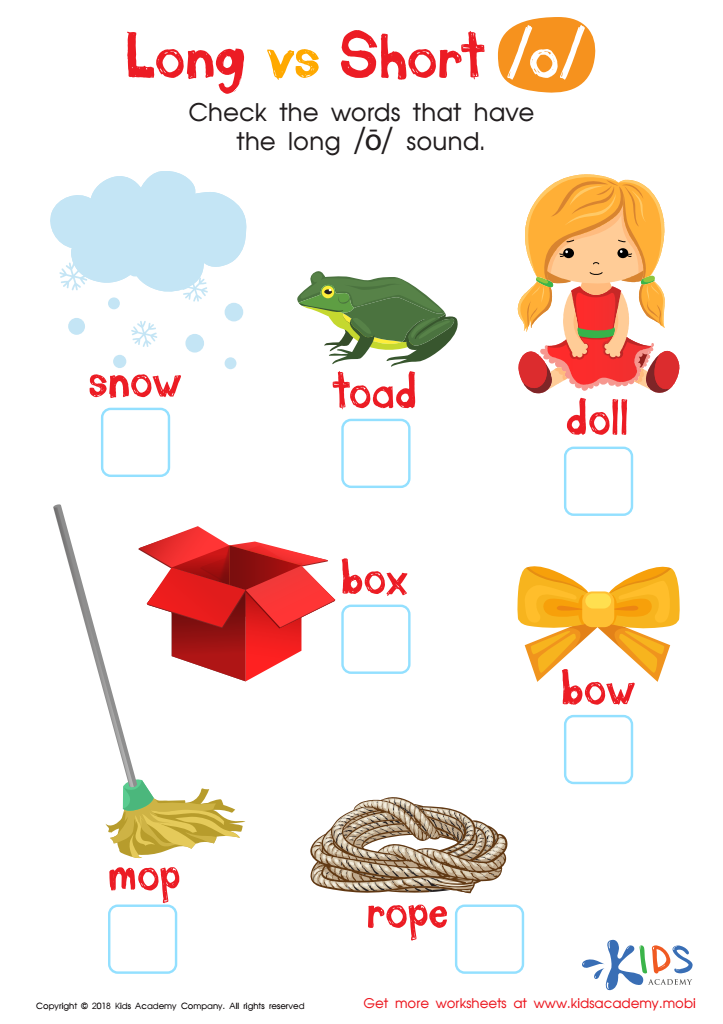
Long vs Short O Reading Worksheet
 Assign to My Students
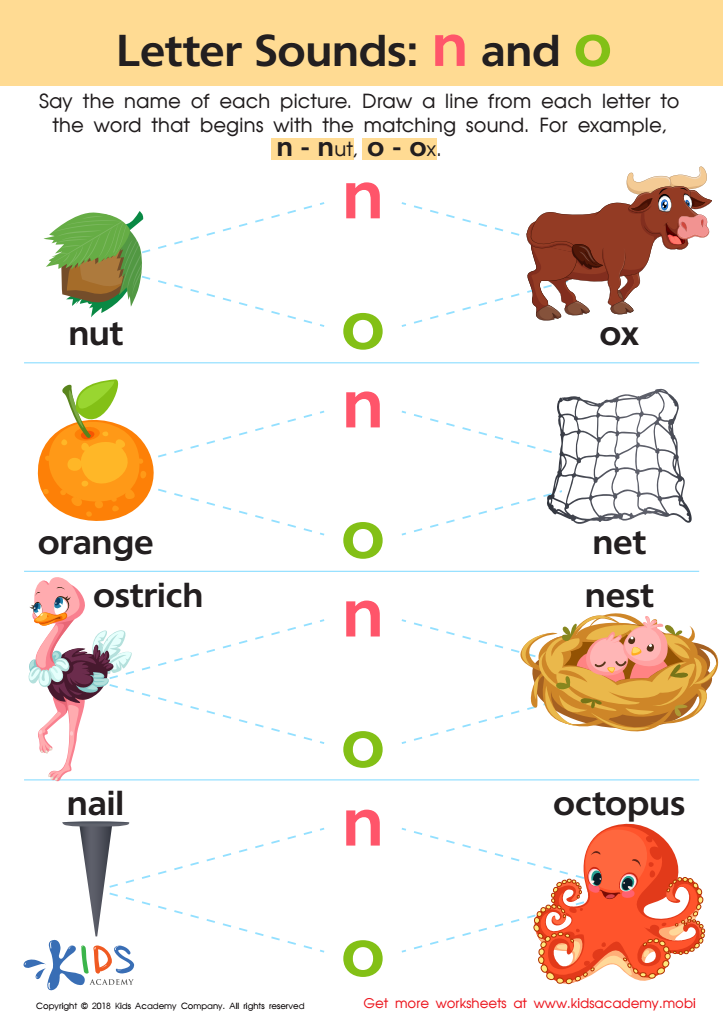
Letter N and O Sounds Worksheet
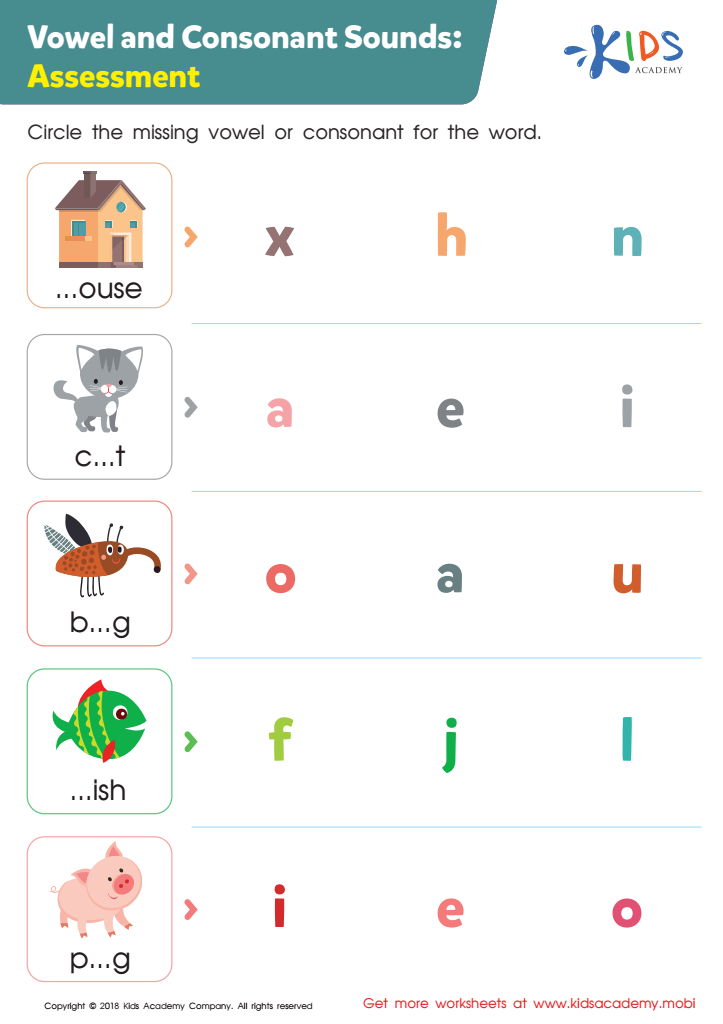
Vowel and Consonant Sounds: Assessment Worksheet
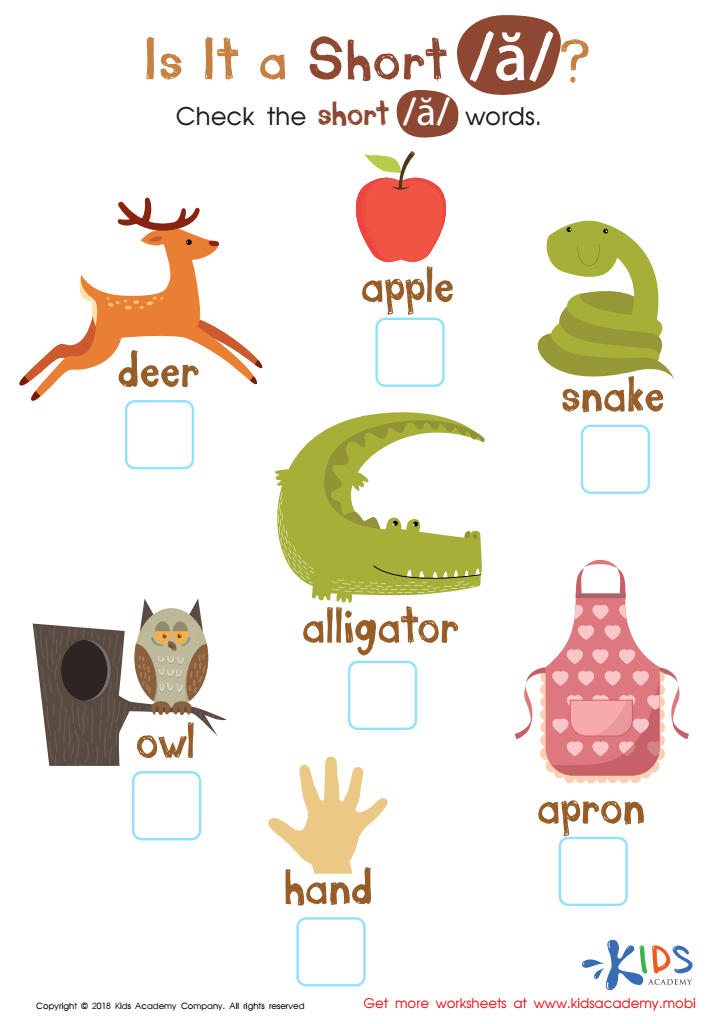
Is It Short A? Reading Worksheet
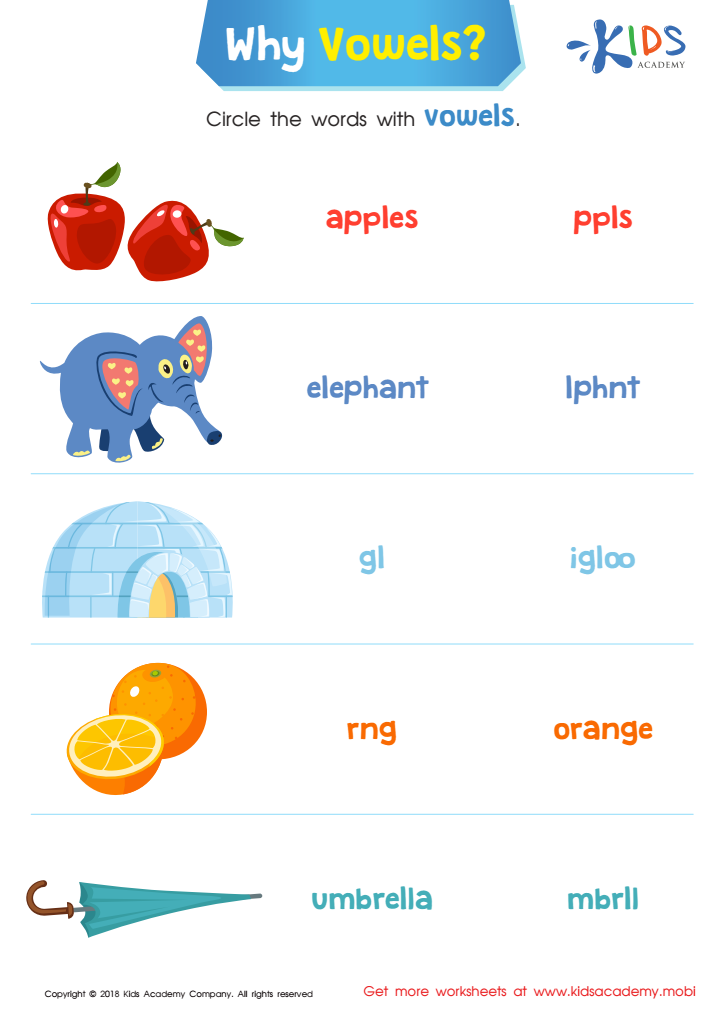
Why Vowels? Reading Worksheet
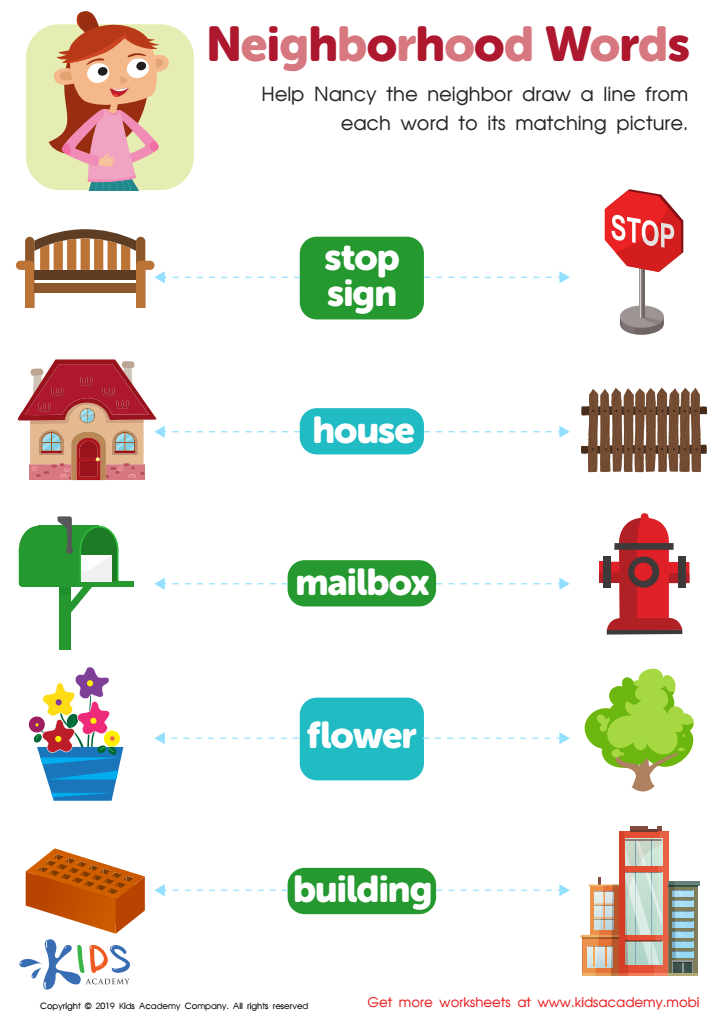
Neighborhood Words Worksheet
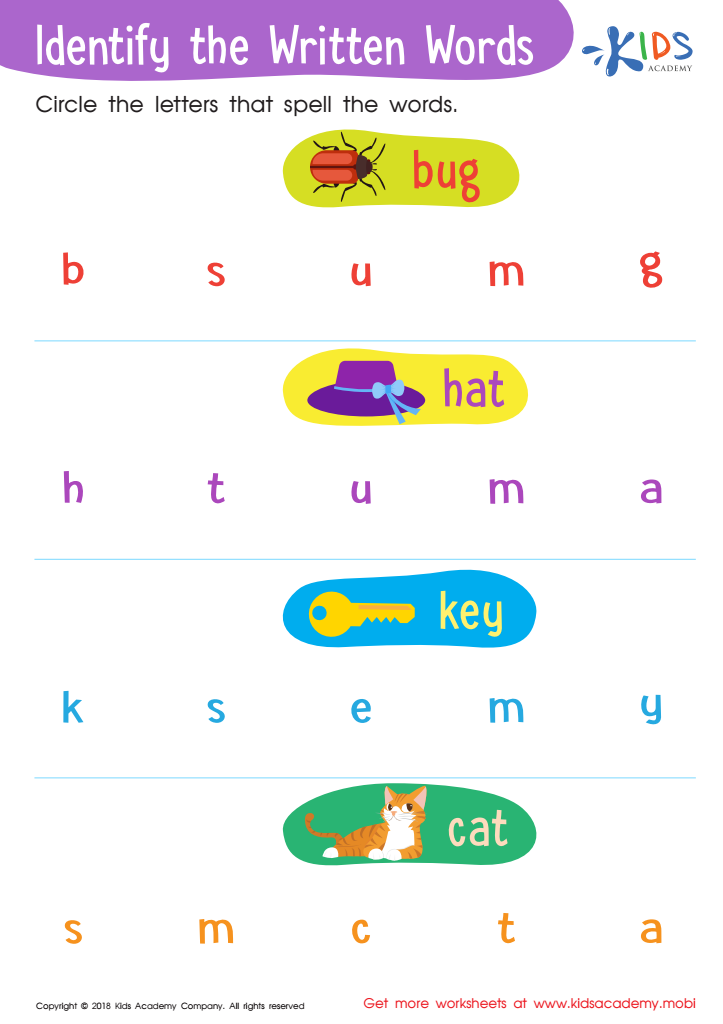
Identify the Written Words Worksheet
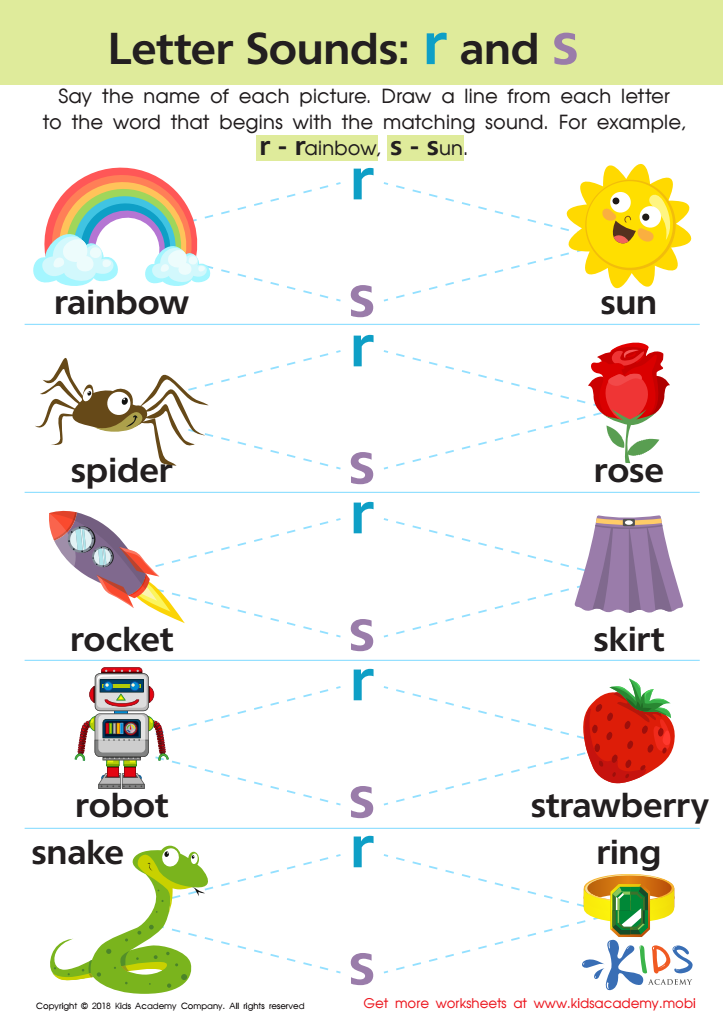
Letter R and S Sounds Worksheet
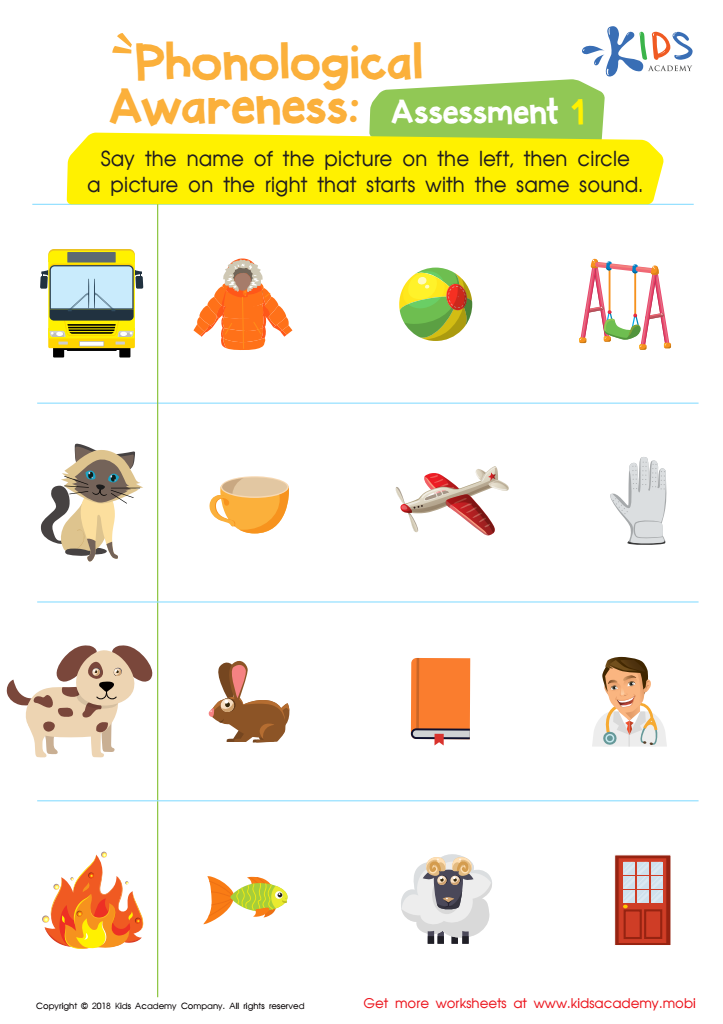
Phonological Awareness: Assessment 1 Worksheet
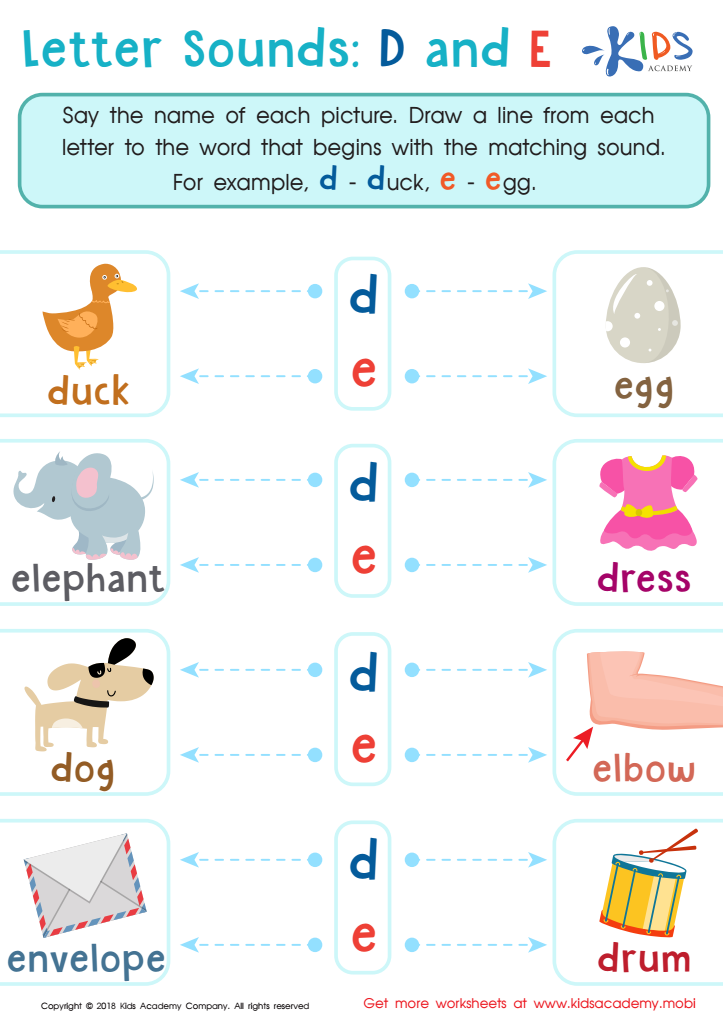
Letter D and E Sounds Worksheet








Vocabulary development and phonics are essential building blocks in a child's literacy journey, especially for 5-year-olds. At this age, children are not only learning to recognize and produce sounds (phonics) but are also expanding their word knowledge, which is crucial for effective communication and comprehension. A strong vocabulary supports reading fluency and enhances a child’s ability to express thoughts and ideas.
Parents and teachers should care about this development because it directly influences a child’s academic success. Research continually shows that a robust vocabulary in early years correlates with better reading comprehension, writing skills, and critical thinking later on. When children engage with a rich language environment—through conversations, storytelling, and phonics-focused activities—they develop essential cognitive skills.
Investing time in vocabulary and phonics not only prepares young learners for formal education but also fosters a love for learning. Activities such as playing word games, singing songs, and rhyming can make these learning moments enjoyable and memorable. Ultimately, fostering strong vocabulary and phonetic awareness empowers children to navigate their academic and social worlds effectively, setting the foundations for future confidence and success. Thus, the role of parents and teachers is pivotal in guiding this critical aspect of early childhood development.







