Lowercase identification Normal Upper & Lowercase Letters Worksheets for 5-Year-Olds
4 filtered results
-
From - To
Discover our engaging "Lowercase Identification Normal Upper & Lowercase Letters Worksheets" designed specifically for 5-year-olds! These fun and interactive worksheets help young learners distinguish between uppercase and lowercase letters. With colorful illustrations and a variety of activities, children can practice identifying lowercase letters through tracing, matching, and recognition exercises. Our resources are perfect for at-home learning or classroom use, ensuring that kids develop a foundational understanding of the alphabet in an enjoyable way. Foster your child's literacy skills while they have fun with our expertly crafted worksheets that make learning to read an exciting adventure!
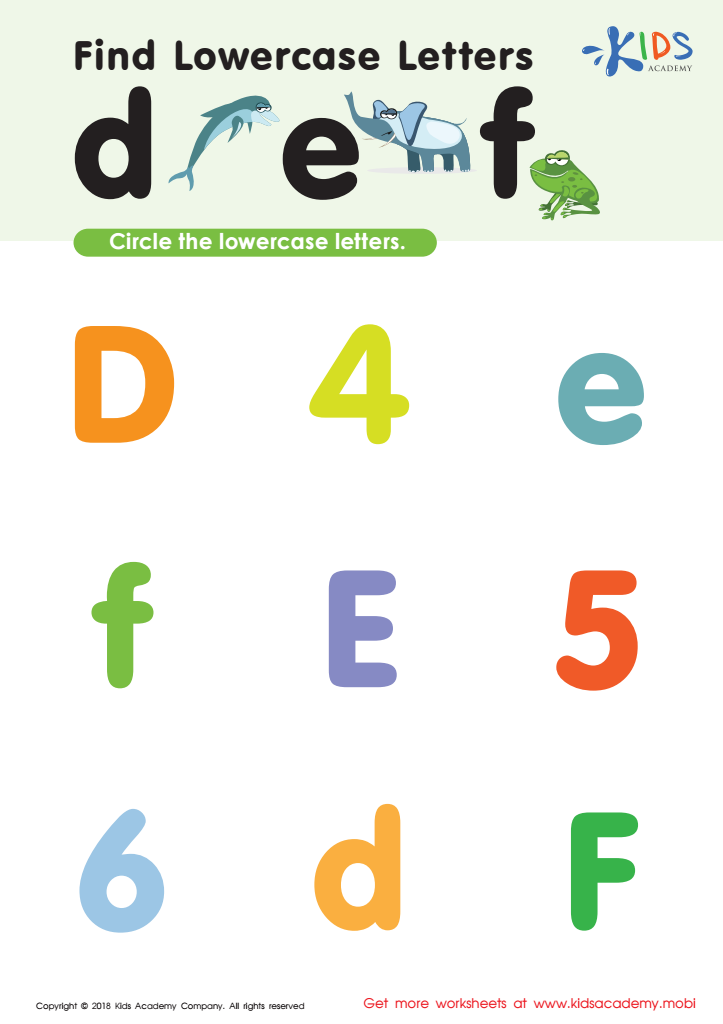
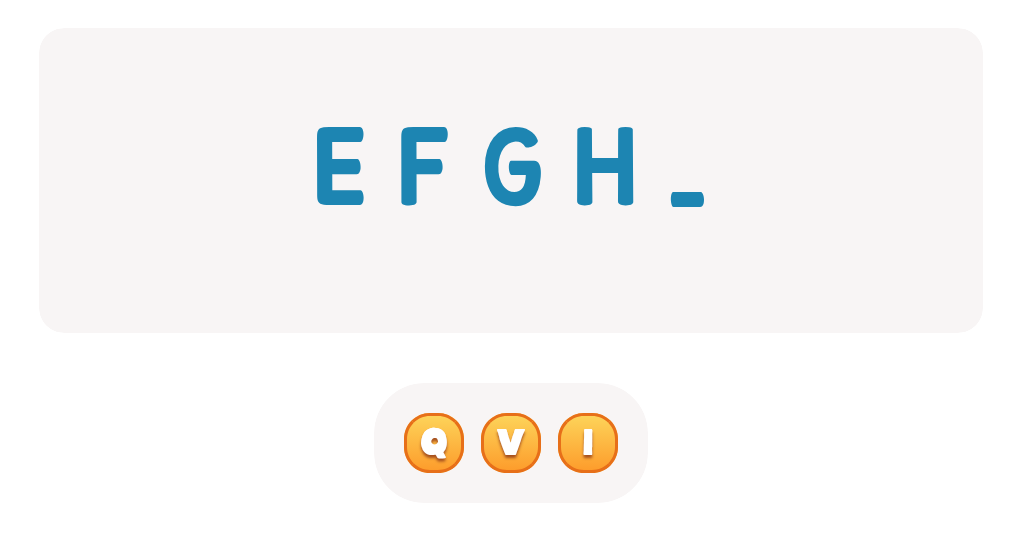
Find Lowercase Letters d e f Worksheet
 Assign to My Students

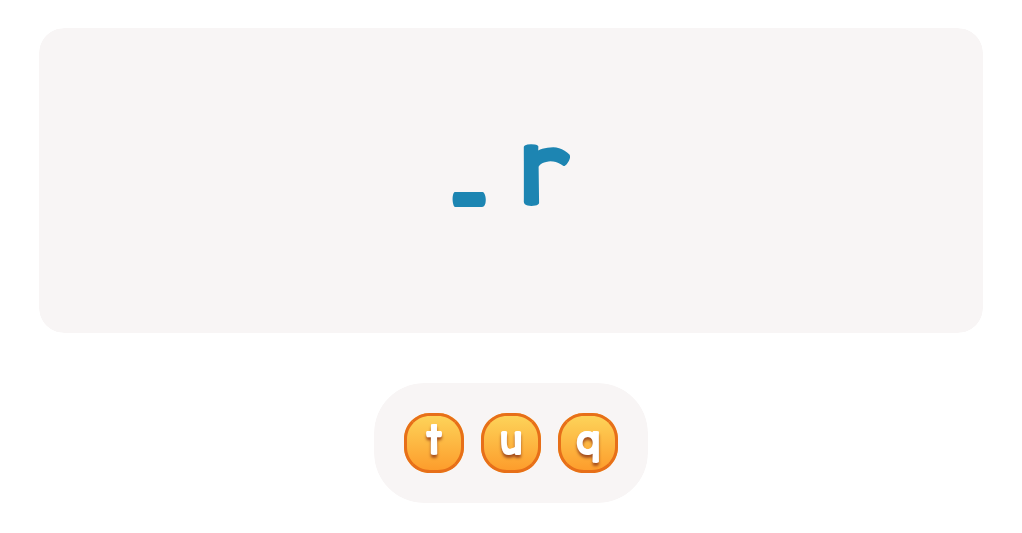
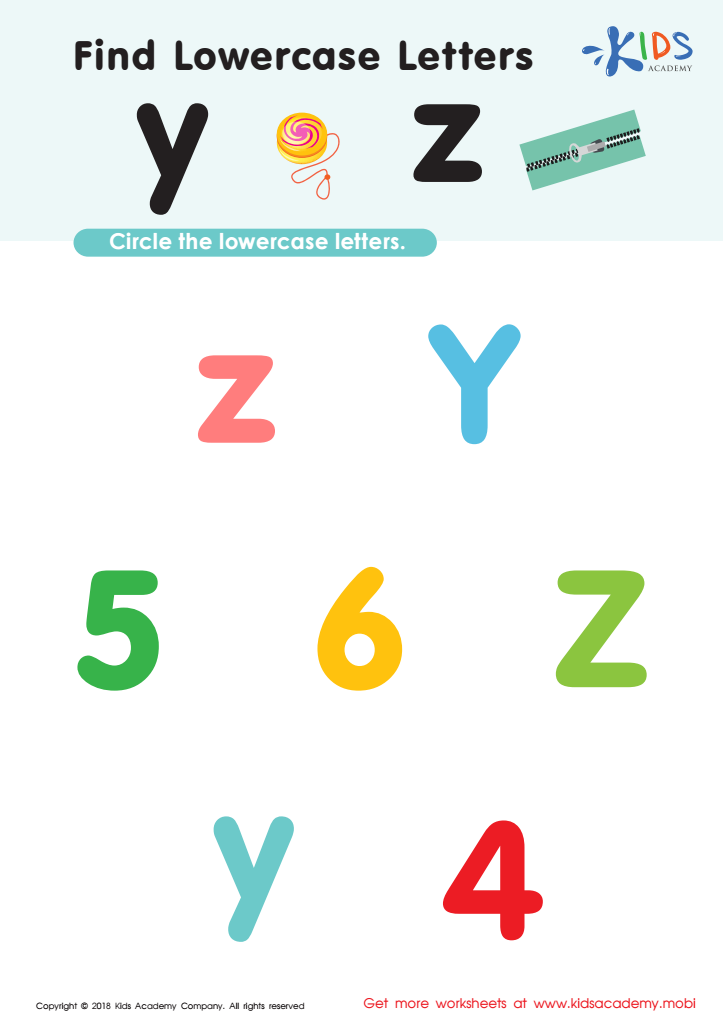
Find Lowercase Letters y z Worksheet
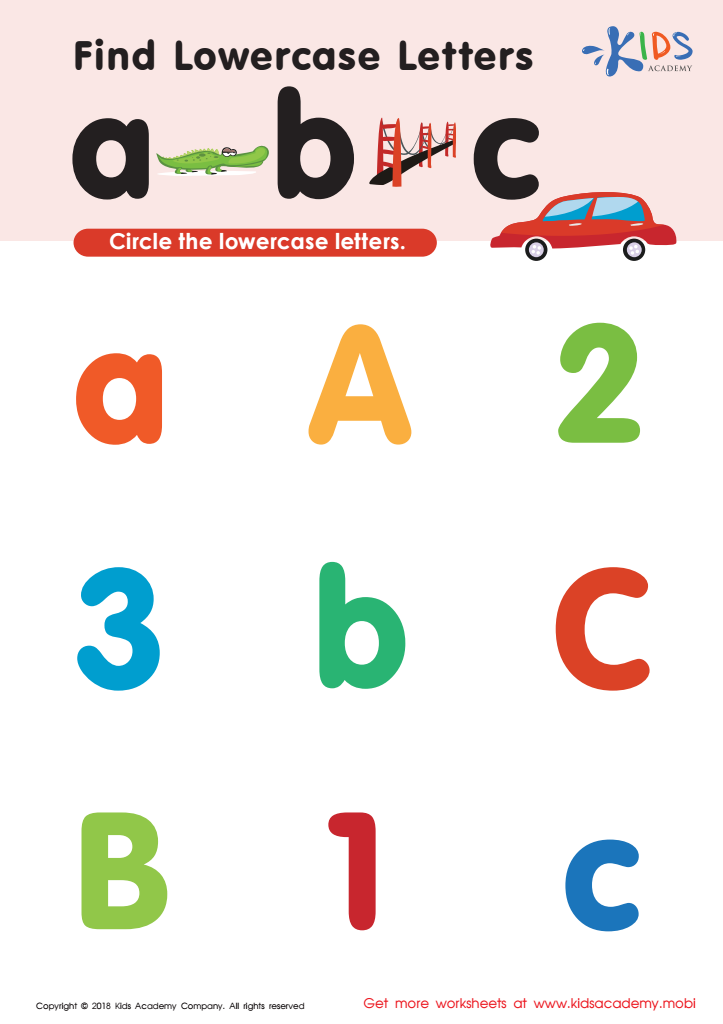
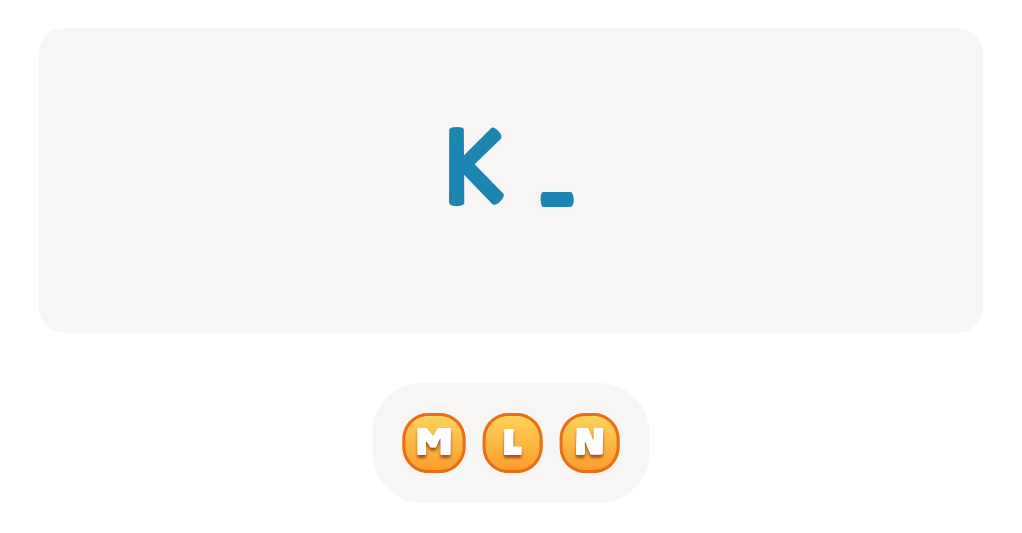
Find lowercase letters a b c Worksheet
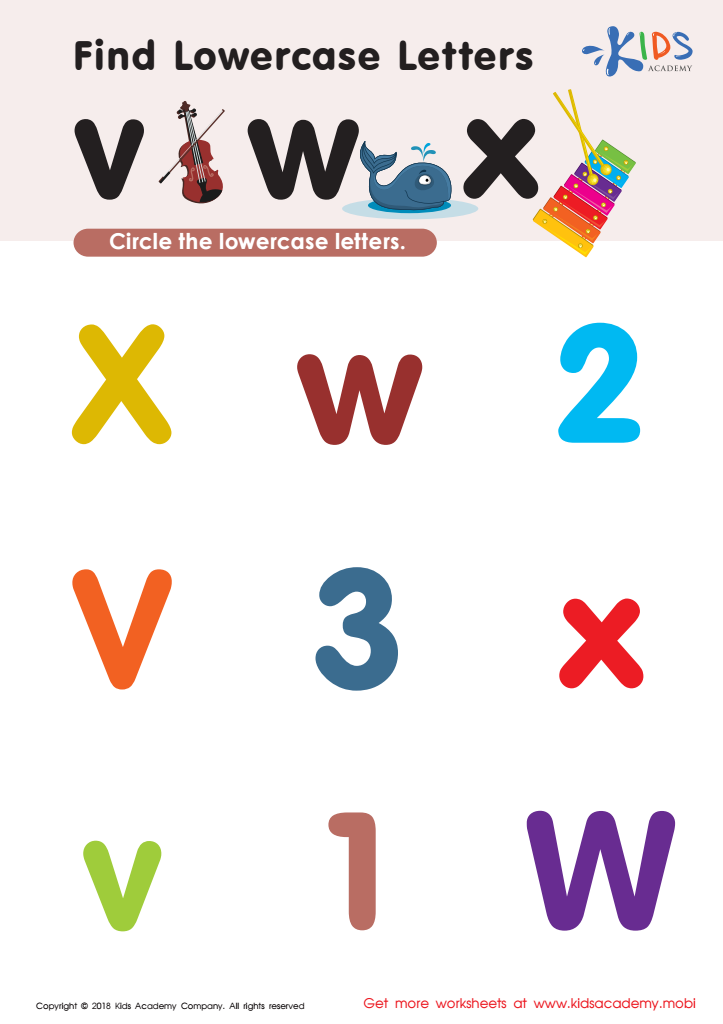
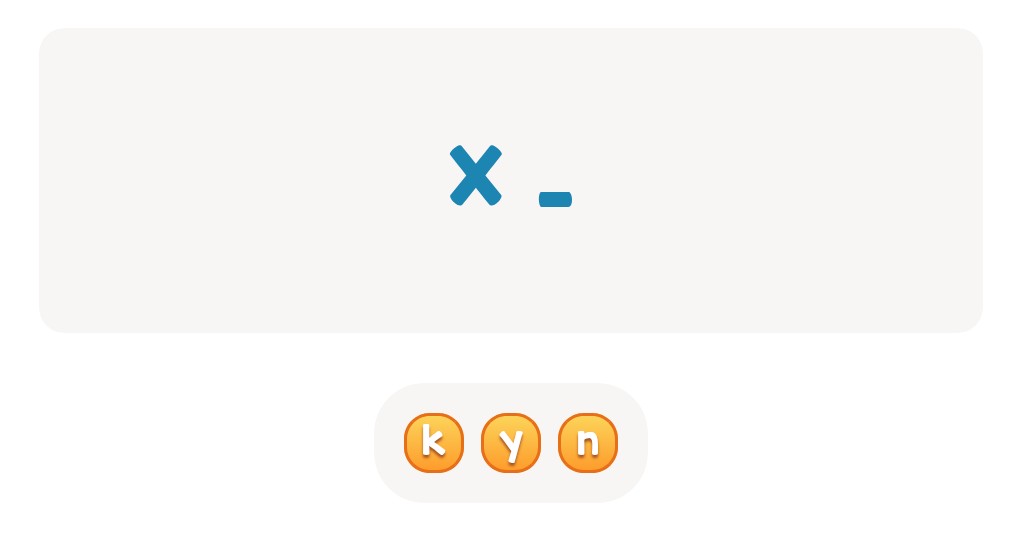
Find Lowercase Letters v w x Worksheet






Understanding lowercase letters is crucial for 5-year-olds as it lays the foundation for their reading and writing skills. During this developmental stage, children learn to recognize and differentiate between uppercase and lowercase letters, which is essential for early literacy. Mastery of lowercase letters supports vocabulary development, as many words and sentences rely on lowercase formatting.
Teachers and parents should care about lowercase identification because it helps children build their phonemic awareness and spelling. Early exposure to lowercase letters ensures that young learners can decode words efficiently, fostering confidence in their reading abilities. This, in turn, encourages a love for reading and exploration of the world around them.
Moreover, familiarity with lowercase letters aids children in developing fine motor skills, as writing those letters typically requires different movements than uppercase letters. By focusing on lowercase identification, parents and teachers can support healthy literacy habits, ultimately contributing to a child's overall academic success.
Overall, prioritizing lowercase letter recognition promotes not only linguistic skills but also cognitive development. By nurturing these foundational skills, adults can help cultivate enthusiastic and proficient young readers, setting the stage for lifelong learning.







