Attention to Detail Normal Worksheets for 5-Year-Olds
5 filtered results
-
From - To
Explore our "Attention to Detail Normal Worksheets for 5-Year-Olds," thoughtfully designed to enhance your child's observational skills and focus. These engaging worksheets encourage young learners to spot differences, complete patterns, and answer visual questions, making learning both fun and interactive. Perfect for preschool and kindergarten classrooms, our activities nurture critical thinking and boost concentration. Suitable for various learning styles, these resources promote cognitive development while fostering a love for learning. Download and print our worksheets to support your child in mastering crucial attention-to-detail skills that are foundational for academic success. Start today and watch their confidence soar!
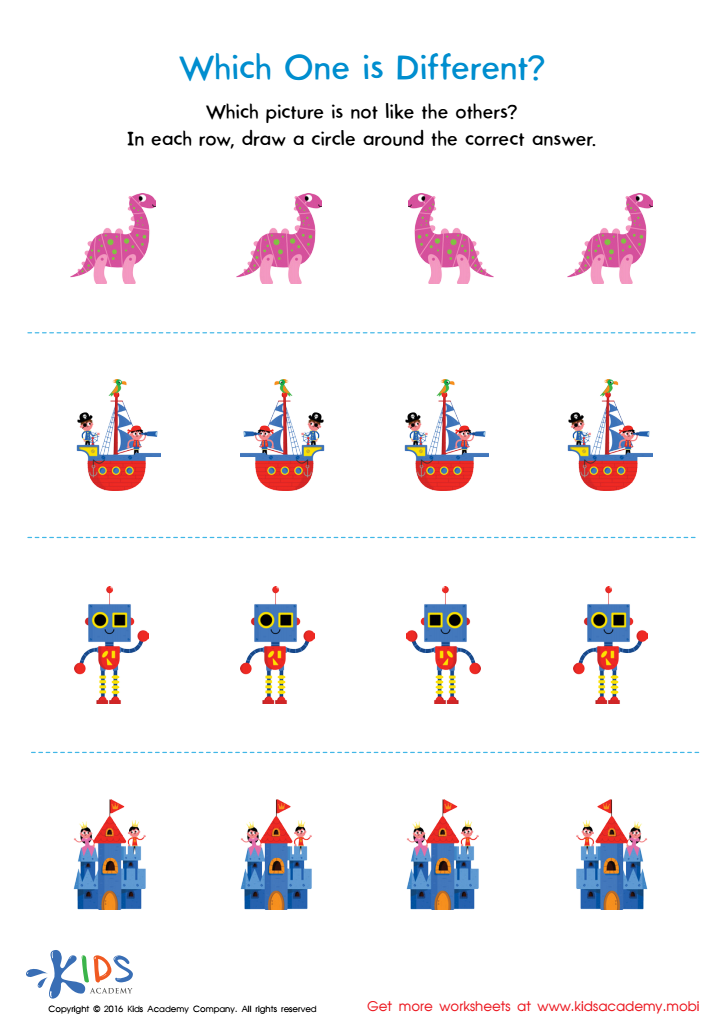
Which One Is Different Worksheet
 Assign to My Students
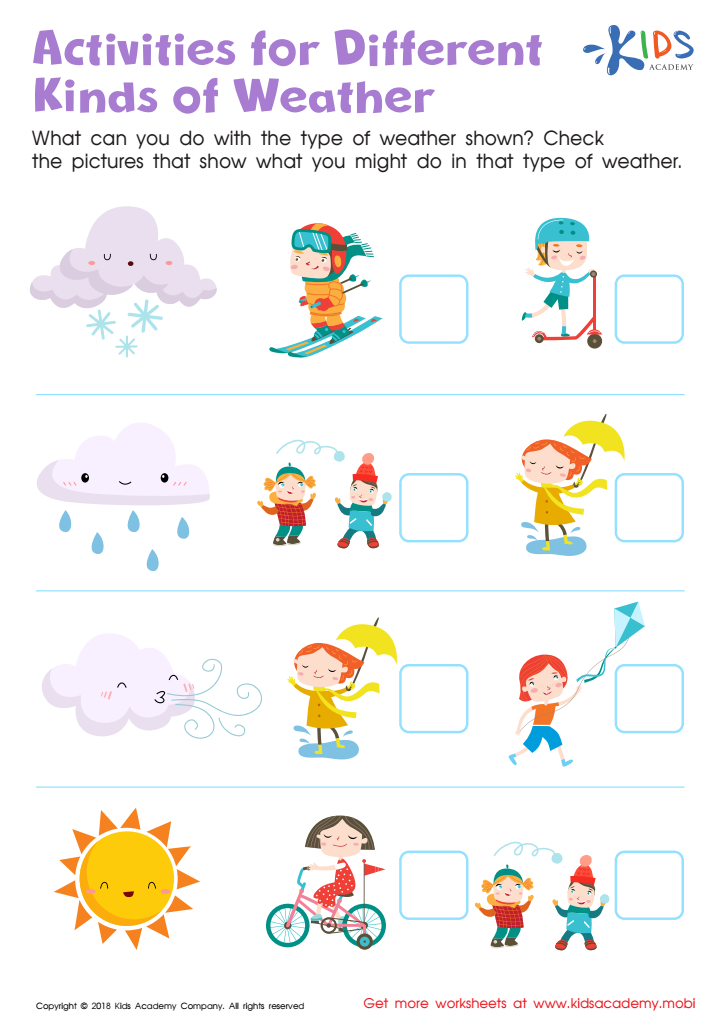
Activities for Different Kinds of Weather Worksheet
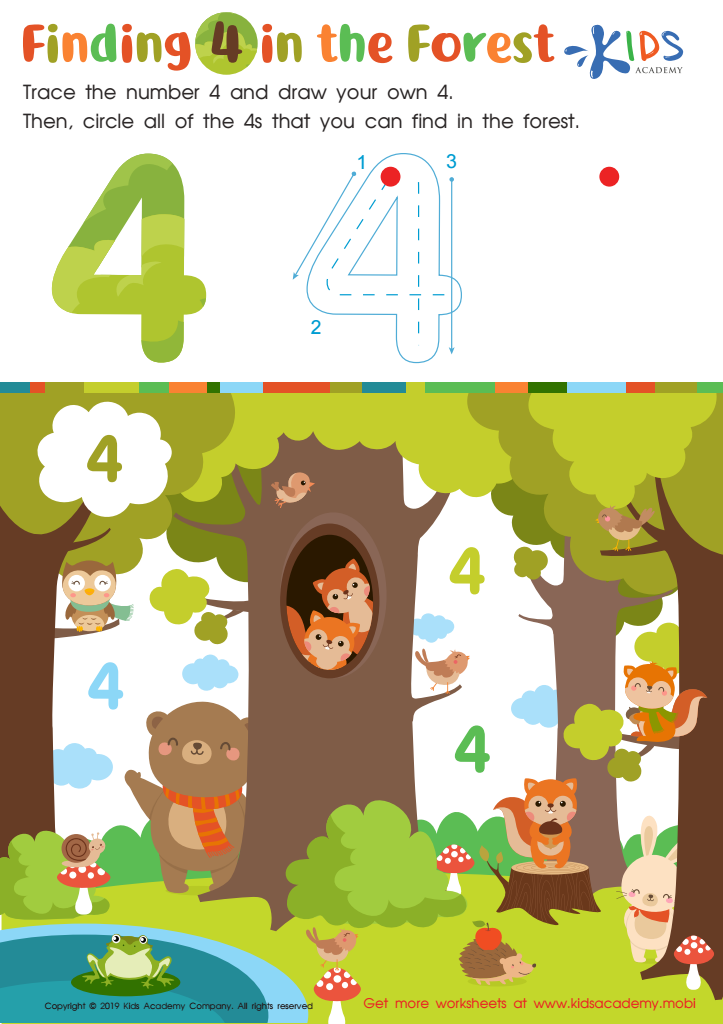
Finding 4 in the Forest Worksheet
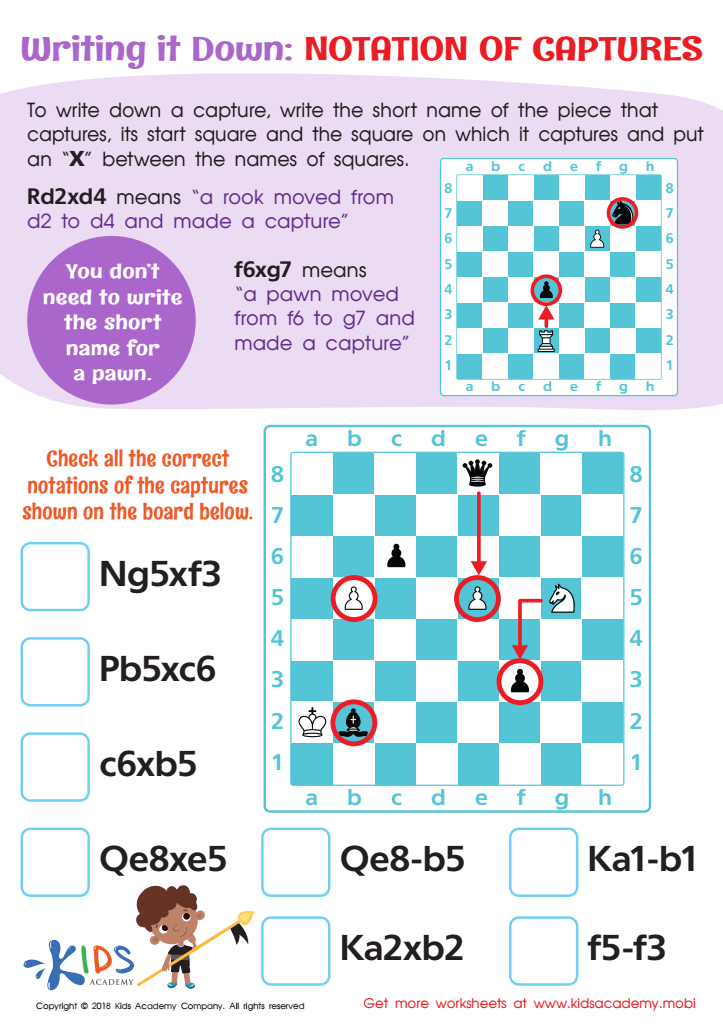
Notation of Captures Writing it Down Worksheet
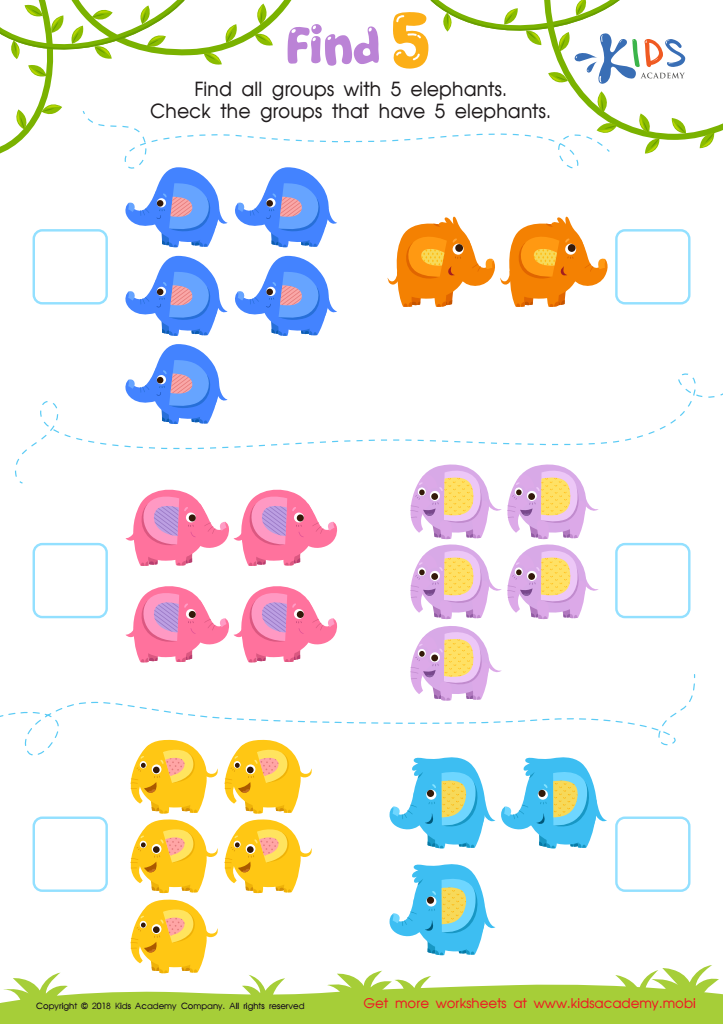
Find 5 Worksheet








Attention to detail is a crucial skill for 5-year-olds, and both parents and teachers should prioritize its development for several reasons. Firstly, attention to detail enhances a child's learning capacity. It enables young learners to focus on small yet vital components of tasks, whether it’s recognizing letters in a book, noticing numbers in math, or understanding instructions during activities. This skill fosters better comprehension and retention of information.
Additionally, attention to detail supports critical thinking and problem-solving abilities. Children who can identify specifics are more adept at analyzing situations, making connections, and finding solutions, which are essential skills as they embark on more complex learning.
Socially, attention to detail is vital for effective communication. It encourages children to listen actively and interpret cues, promoting better relationships with peers and adults.
Lastly, nurturing attention to detail helps build a foundation for self-discipline and multi-tasking skills. As they grow, these qualities will contribute to their success in various academic and life contexts. By focusing on this skill now, parents and teachers can set important building blocks for lifelong learning and development, enabling children to thrive in a rapidly changing world.








