Critical Thinking Normal Worksheets for 5-Year-Olds - Page 2
38 filtered results
-
From - To
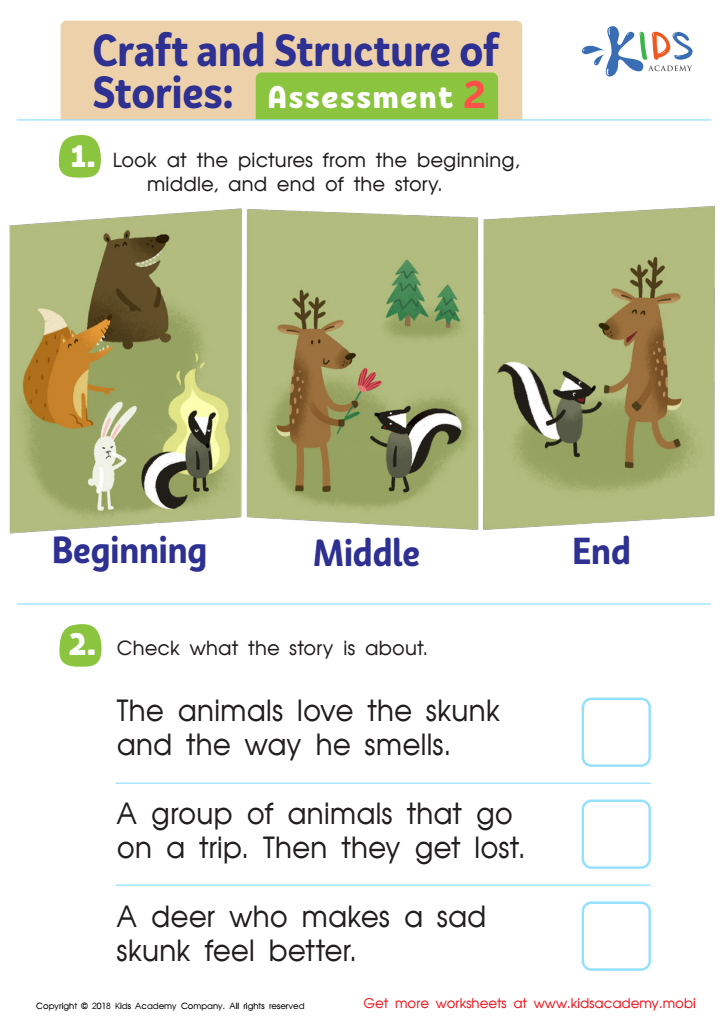
Craft and Structure of Stories: Assessment 2 Worksheet
 Assign to My Students
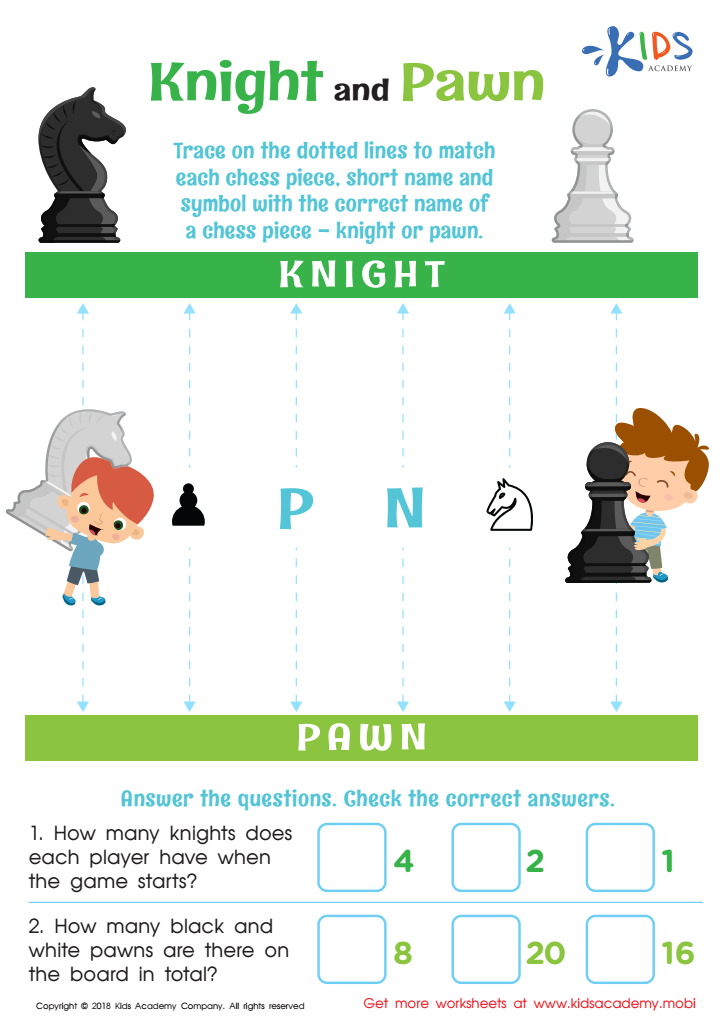
Knight and Pawn Worksheet
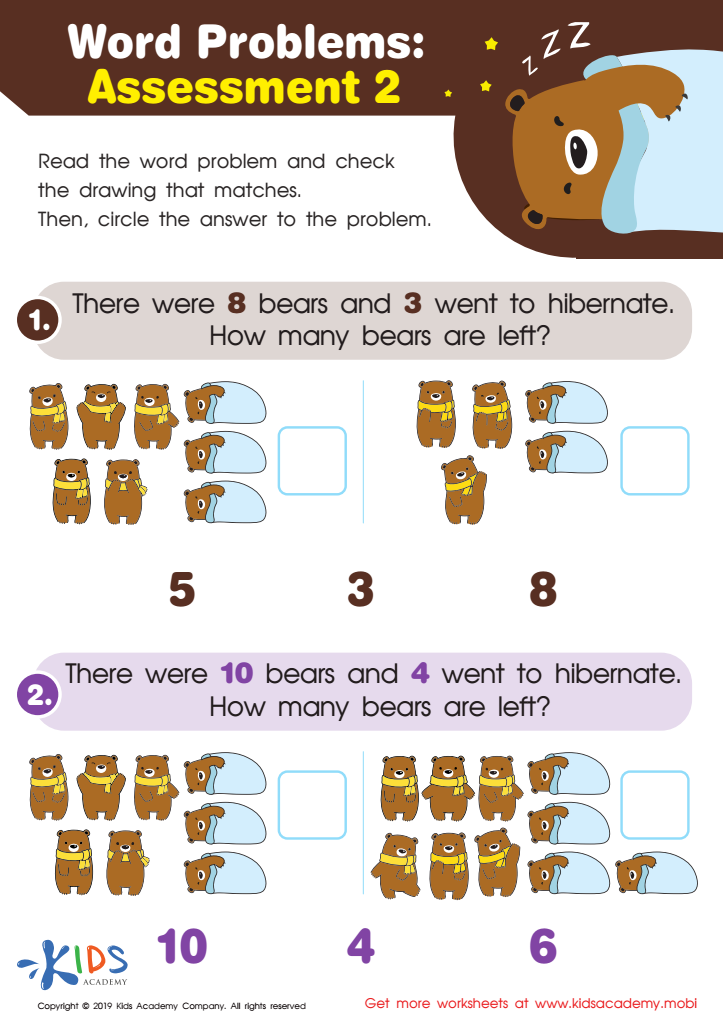
Word Problems: Assessment 2 Worksheet
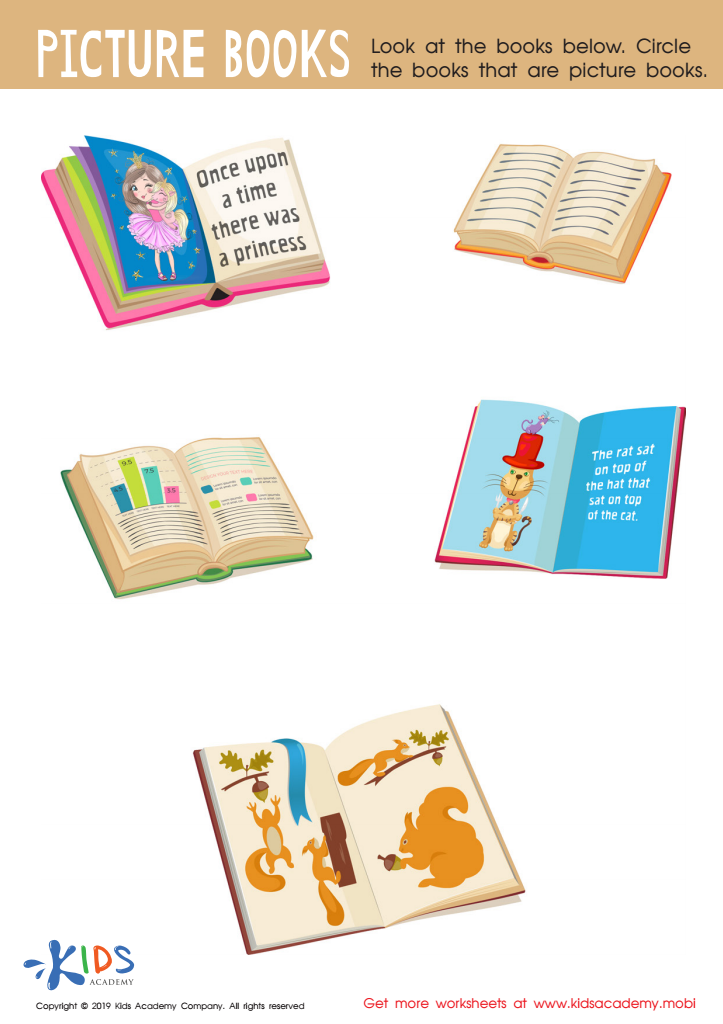
Picture Books Worksheet
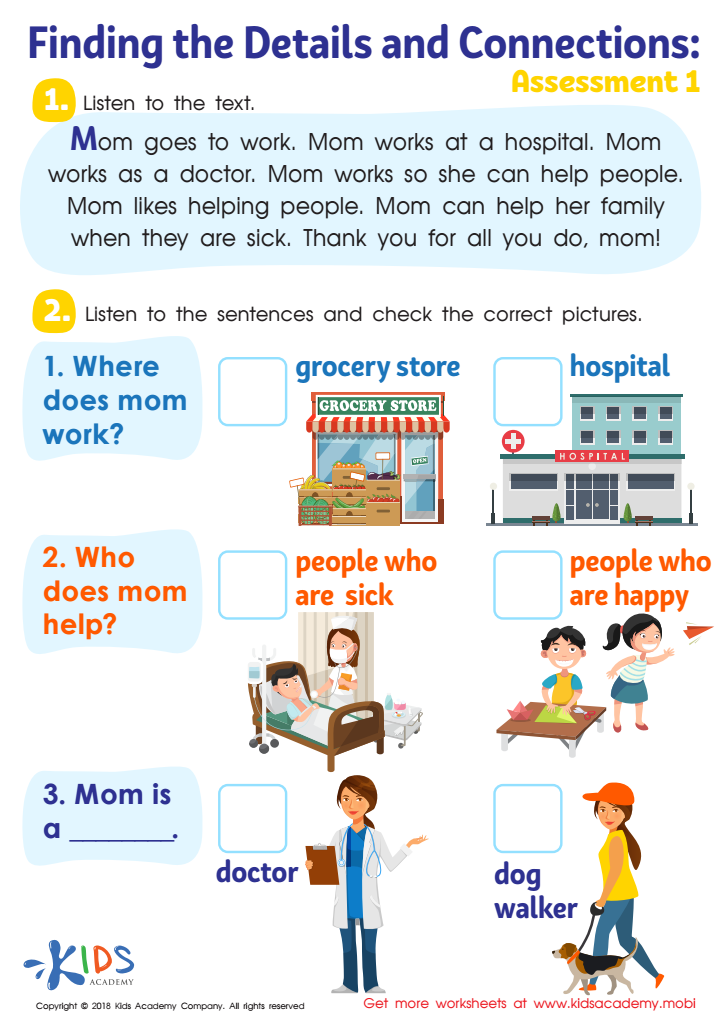
Finding the Details and Connections: Assessment 1 Worksheet
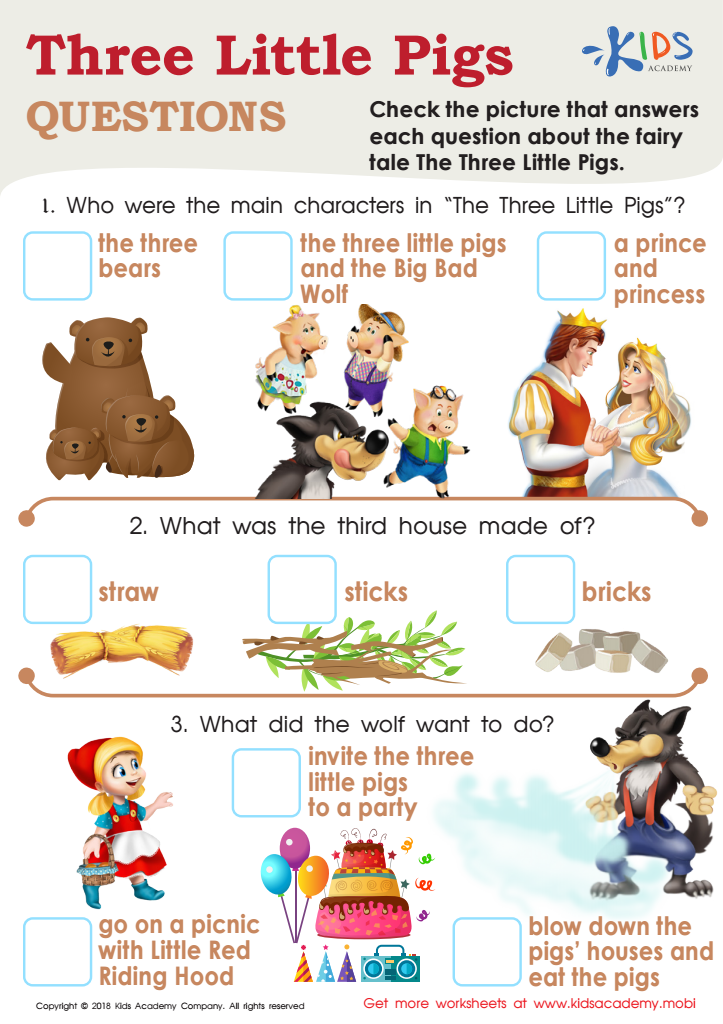
Three Little Pigs Questions Worksheet
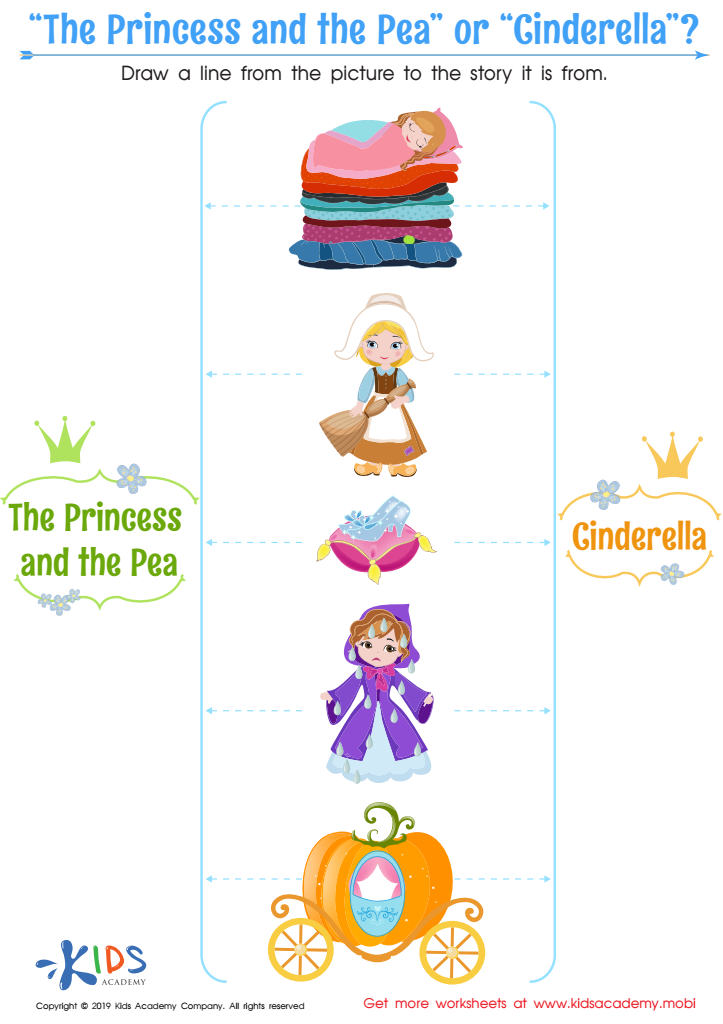
“The Princess and the Pea” or “Cinderella” Worksheet
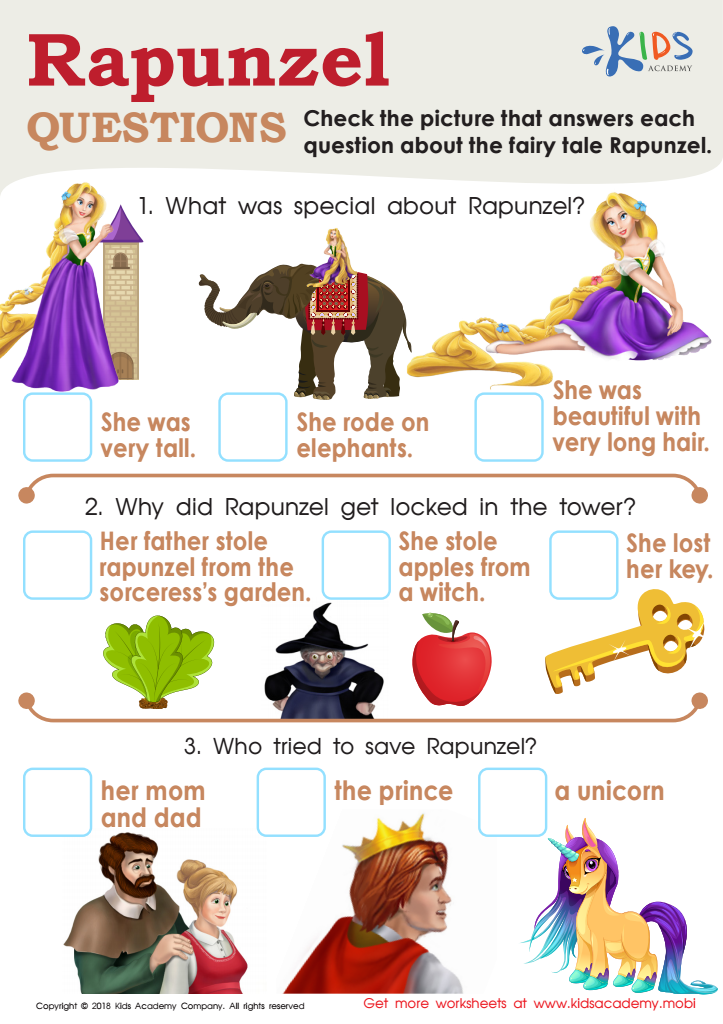
Rapunzel Questions Worksheet
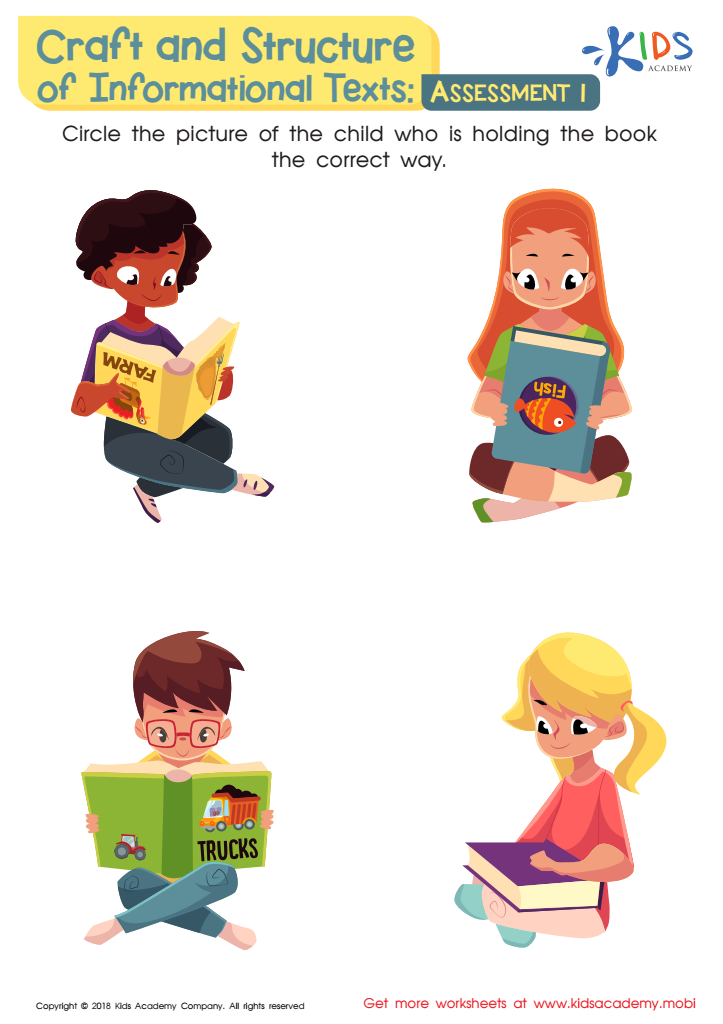
Craft and Structure of Informational Texts: Assessment 1 Worksheet
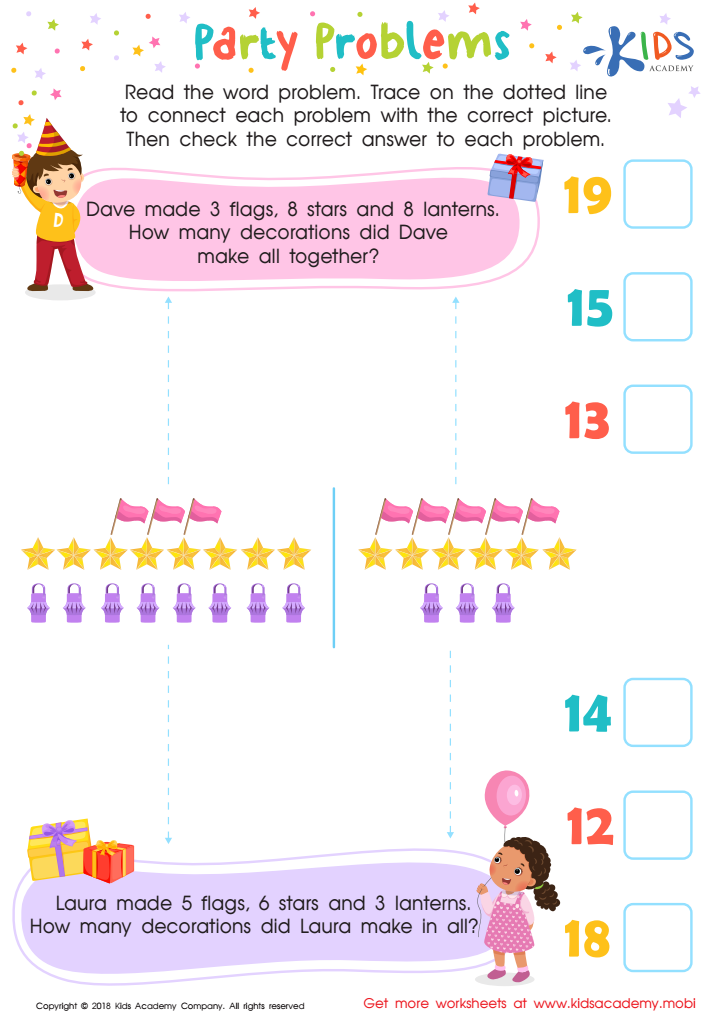
Party Problems Worksheet
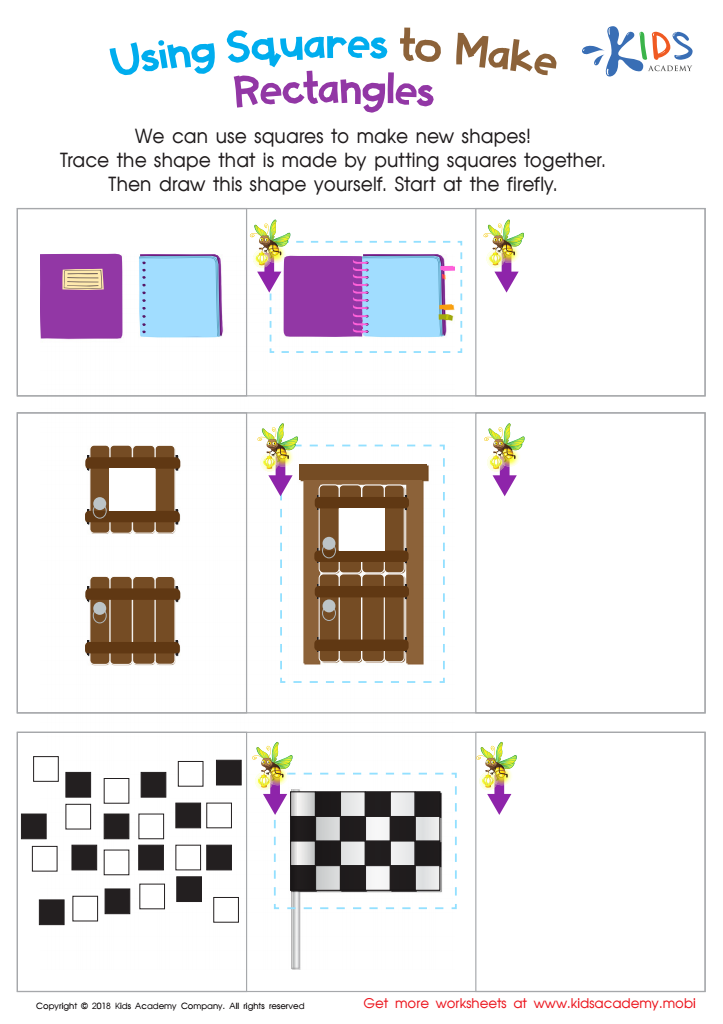
Using Squares to Make Rectangles Worksheet
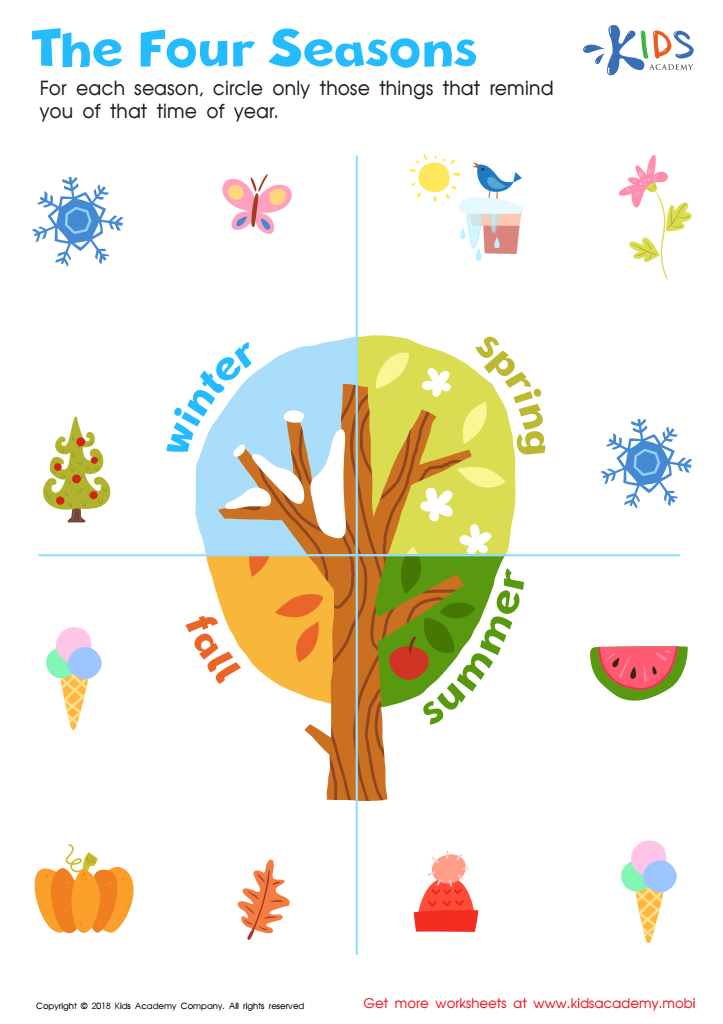
The Four Seasons Worksheet
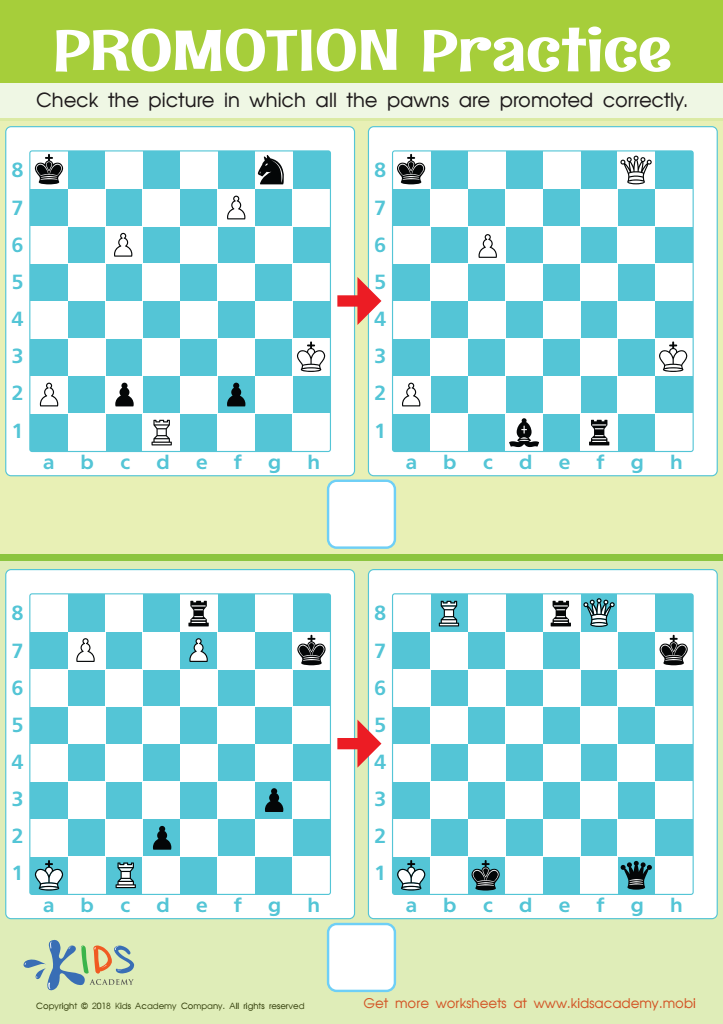
Promotion Practice Worksheet
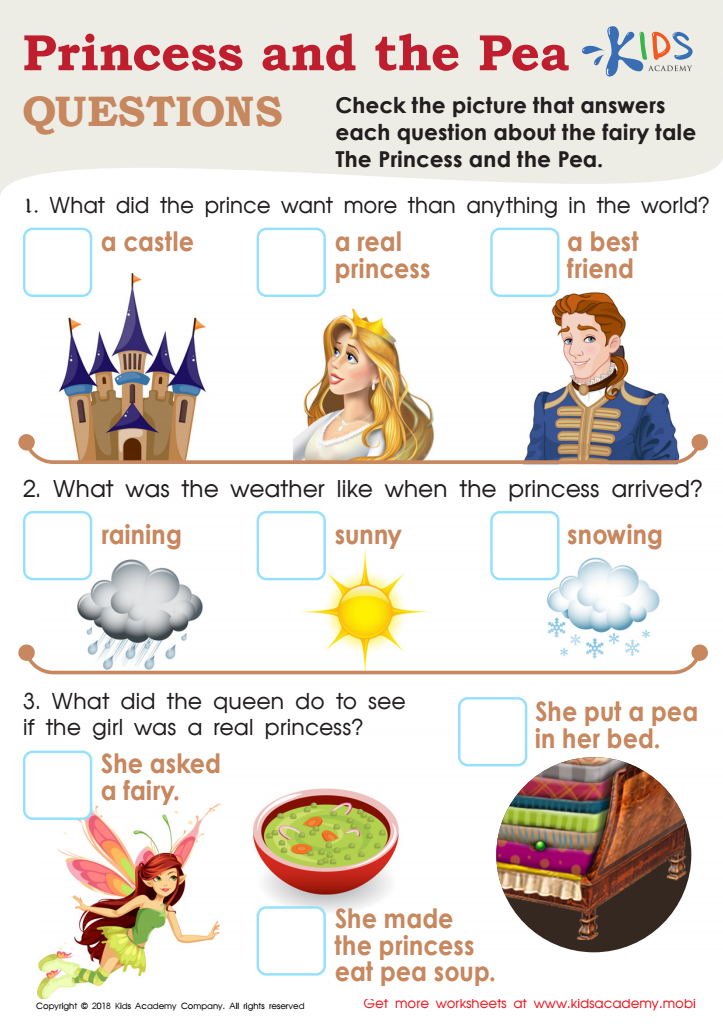
Princess and the Pea Questions Worksheet








Critical thinking is an essential skill, not just for academic success but for everyday problem-solving and decision-making. For 5-year-olds, fostering critical thinking abilities can set a strong foundation for future learning experiences. Children naturally ask "why" as they explore their world, and encouraging this curiosity helps them to develop critical thinking skills.
When parents and teachers prioritize critical thinking, they empower children to question, analyze, and evaluate information. This skill is vital in an age where information is abundant and not always reliable. Teaching kids to think critically can enhance their ability to distinguish between fact and fiction, and make informed choices.
Critical thinking also supports other key areas of development such as language and communication skills, social skills, and creativity. When children are taught to reason and think deeply about a topic, they're also learning to communicate their thoughts and reasonings, improving their language proficiency and confidence in expressing themselves.
Furthermore, critical thinking nurtures independence and self-confidence. Children who are encouraged to think for themselves are better prepared to tackle challenges and view mistakes as learning opportunities rather than failures. Early introduction to critical thinking lays a robust foundation for lifelong learning, adaptability, and a love for knowledge, making it imperative for parents and both kindergarten and elementary-school teachers.








