Fine Motor Skills Normal Worksheets for 5-Year-Olds - Page 5
105 filtered results
-
From - To
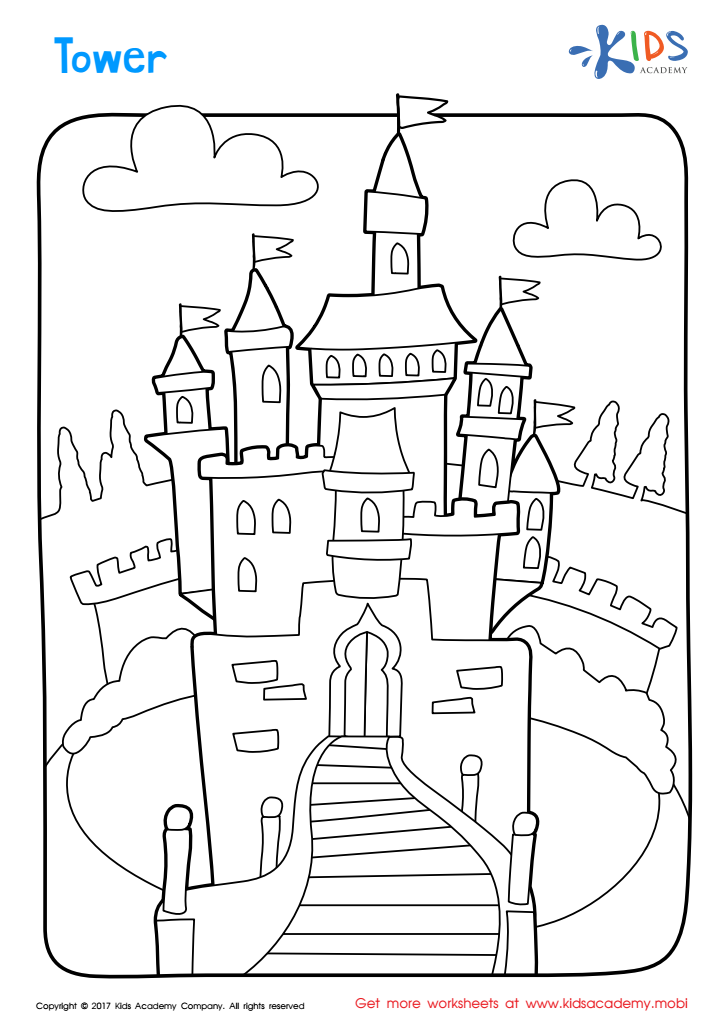
Tower Coloring Page
 Assign to My Students
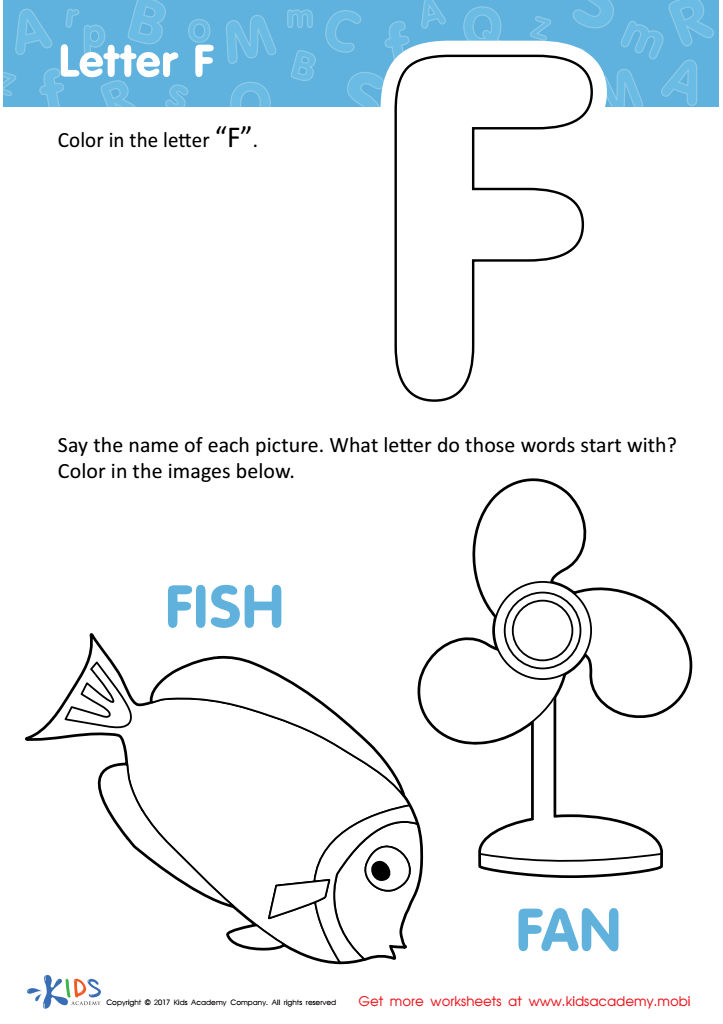
Letter F Coloring Sheet
Assign to My Students
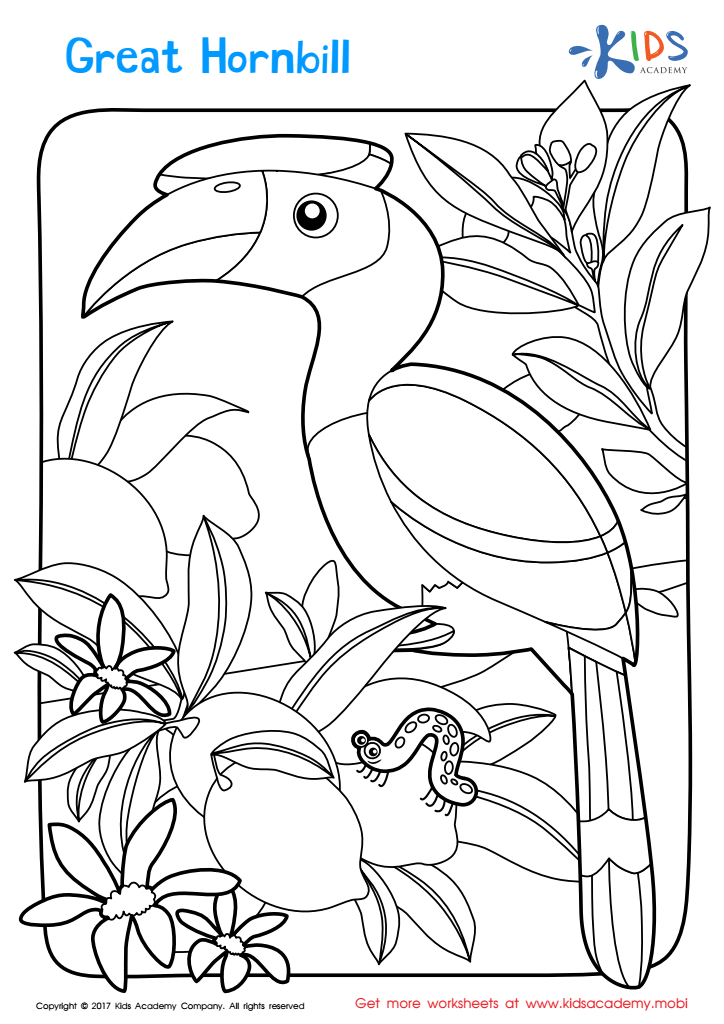
Great Hornbill Worksheet
Assign to My Students
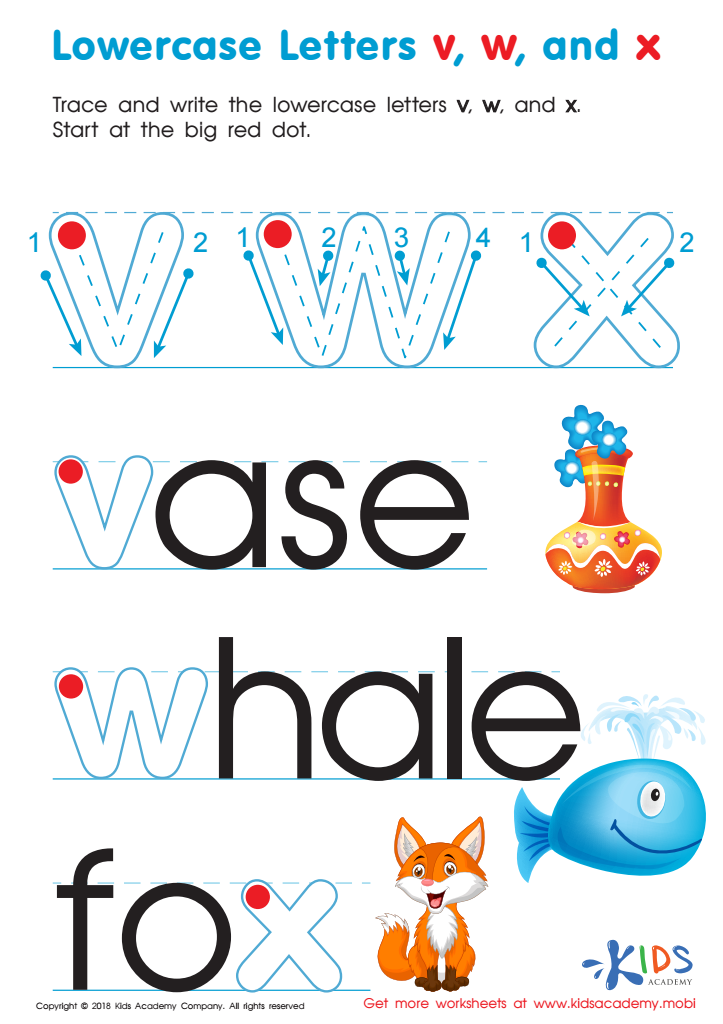
Lowercase Letters v w x Worksheet
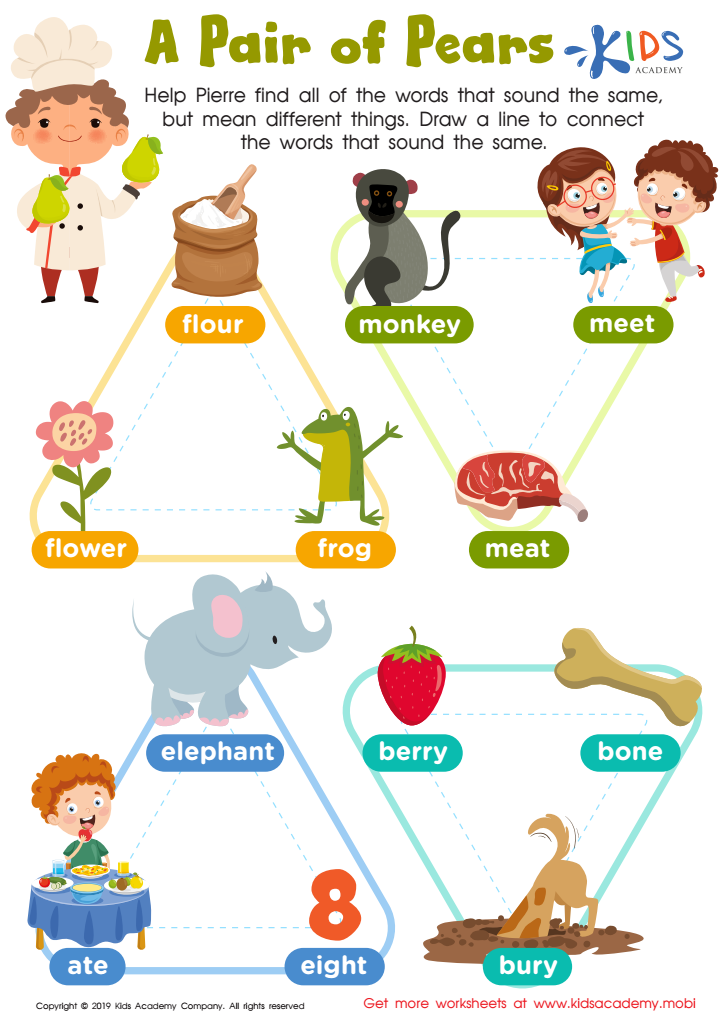
Pair Pears Worksheet
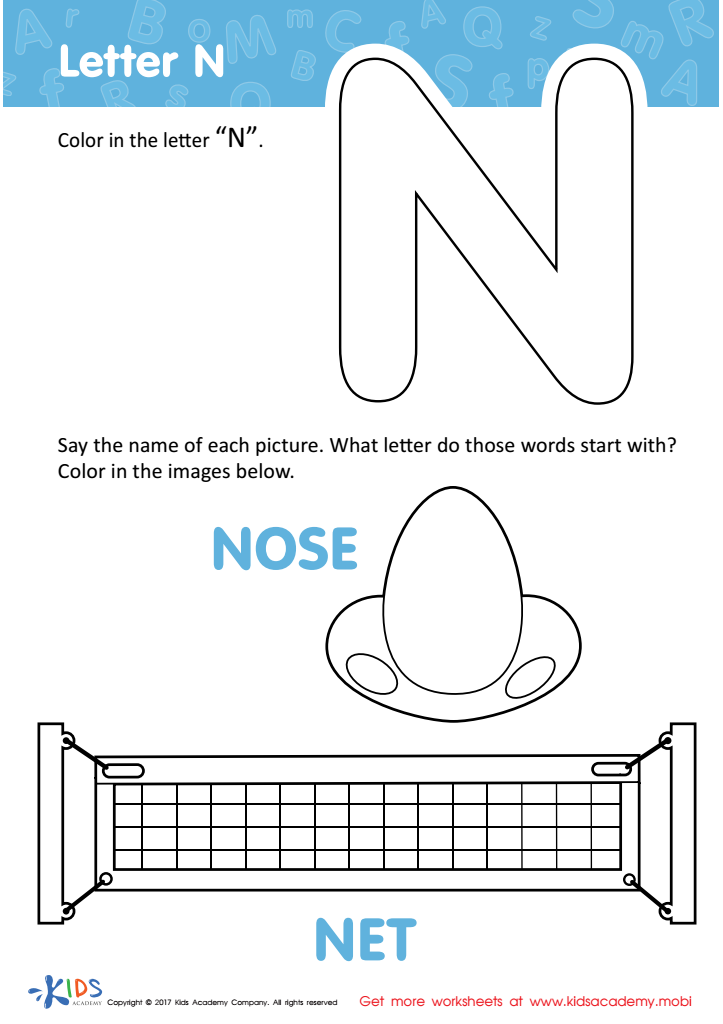
Letter N Coloring Sheet
Assign to My Students
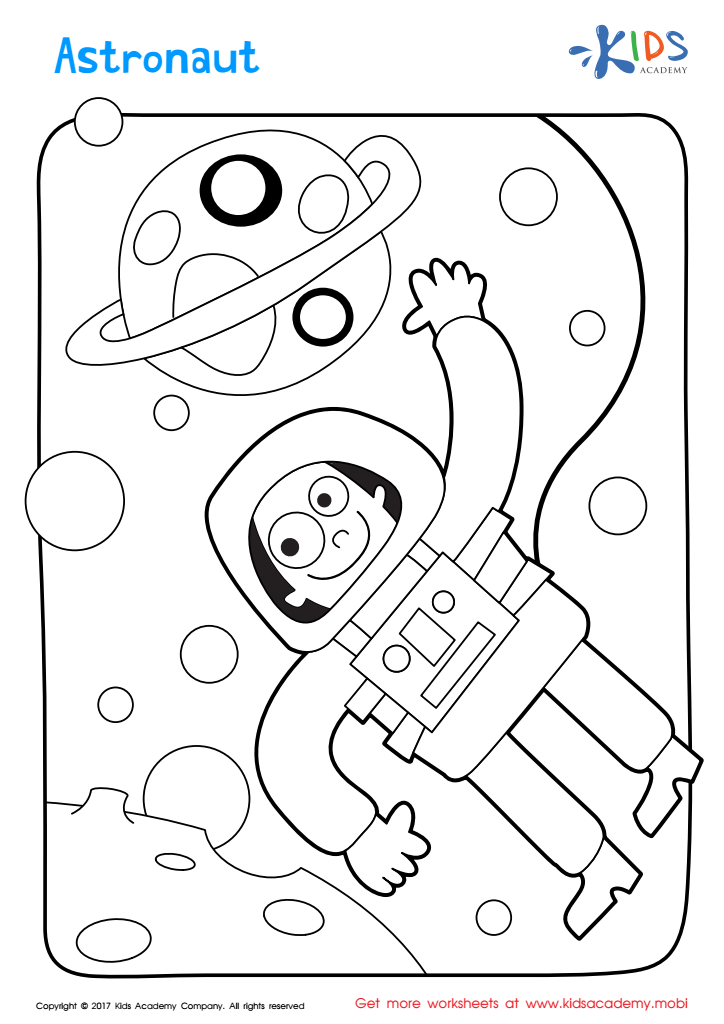
Astronaut Coloring Page
Assign to My Students

Letter D Tracing Page
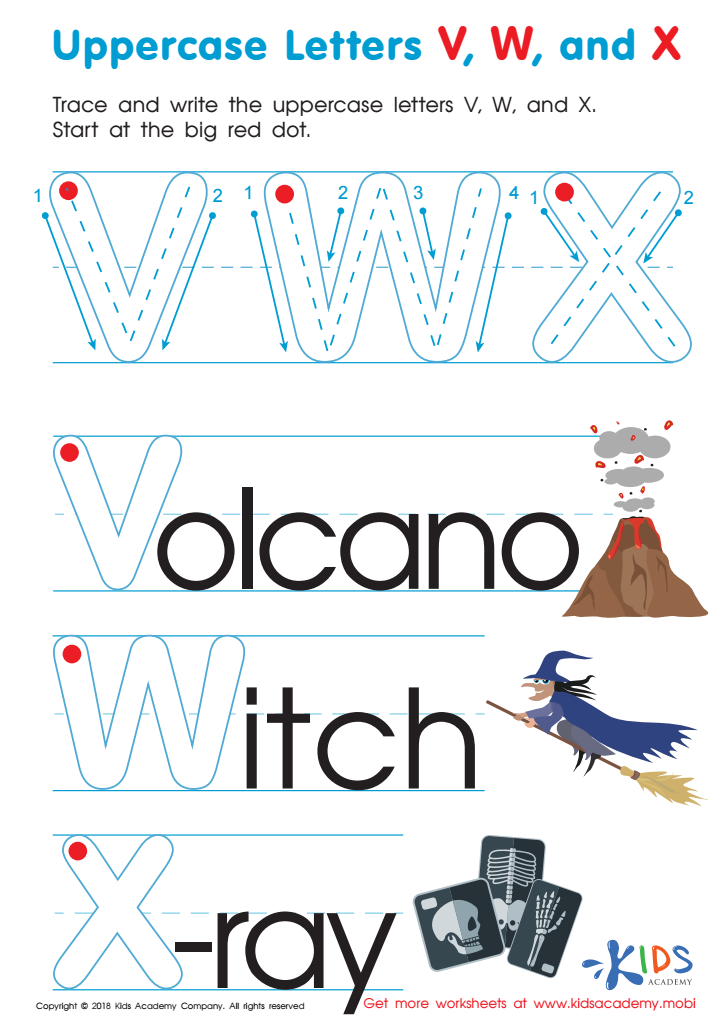
Uppercase Letters V, W, and X Worksheet





.jpg)

Fine motor skills are essential for a child's development, and understanding their normal progression at age 5 is crucial for parents and teachers alike. These skills involve the coordination of small muscles in the hands and fingers, enabling children to perform everyday tasks such as writing, buttoning shirts, and using utensils.
Parents and teachers should care about fine motor skills because they play a vital role in a child's overall learning and independence. At 5 years old, children are generally expected to manipulate objects with increasing precision—tasks like drawing simple shapes, cutting with scissors, and participating in arts and crafts. These activities not only foster creativity but also contribute to cognitive development, as they require focus and coordination.
Moreover, struggling with fine motor skills can impact a child's confidence and social interactions. Children who face challenges may become frustrated or reluctant to participate in activities, affecting their self-esteem and peer relationships. By recognizing and supporting fine motor development, adults can provide necessary interventions, encouraging growth and ensuring a smoother transition into more complex tasks in the classroom and beyond. Ultimately, fostering fine motor skills lays a strong foundation for lifelong learning and independence.








