
Number Writing Practice Normal Numbers Worksheets for 5-Year-Olds
3 filtered results
Difficulty Level
Grade
Age
-
From - To
Subject
Activity
Standards
Our "Number Writing Practice Normal Numbers Worksheets for 5-Year-Olds" are designed to help young learners master the basics of number formation and recognition. These engaging worksheets provide ample practice in tracing and writing numbers from 1 to 10, building a strong foundation for future math skills. Each sheet features fun illustrations and activities that make learning enjoyable, keeping kids motivated and focused. Tailored specifically for 5-year-olds, these printable resources are perfect for both at-home practice and classroom use, offering a delightful way for children to develop essential numeracy skills.
Favorites
With answer key
Interactive
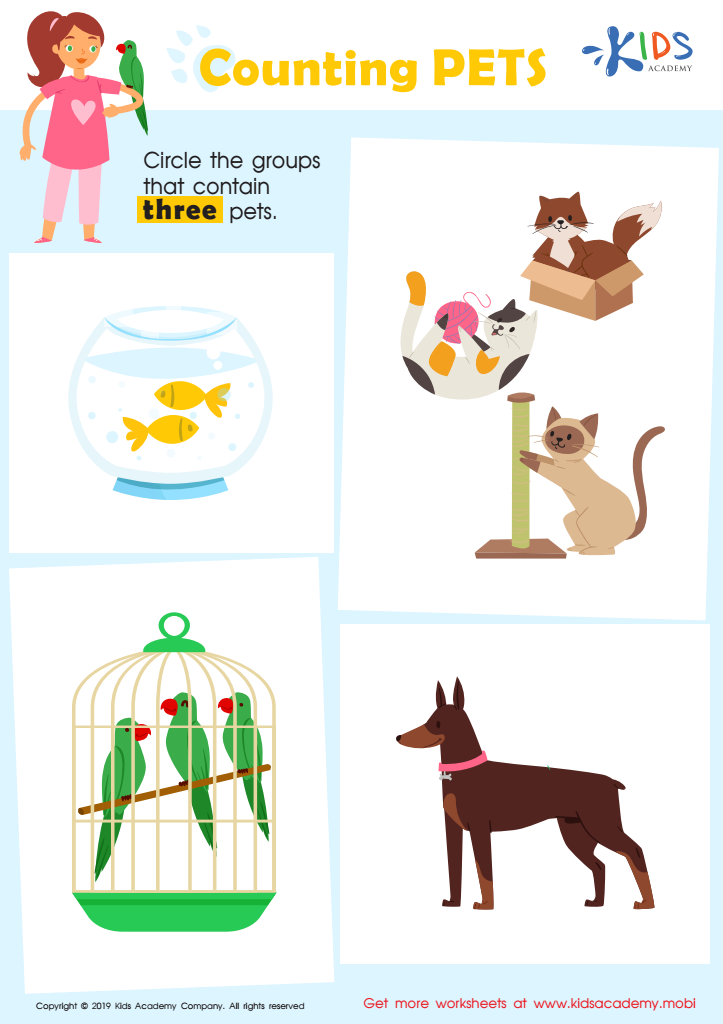
Counting Pets Worksheet
Kids adore their pets, making this free pet counting worksheet the perfect way to combine something they love with math skills. They'll count the number of pets, circle the pictures with three pets, and use one-to-one picture representation to help. This exercise will cultivate their learning and reinforce their love of animals!
 Assign to My Students
Counting Pets Worksheet
Worksheet
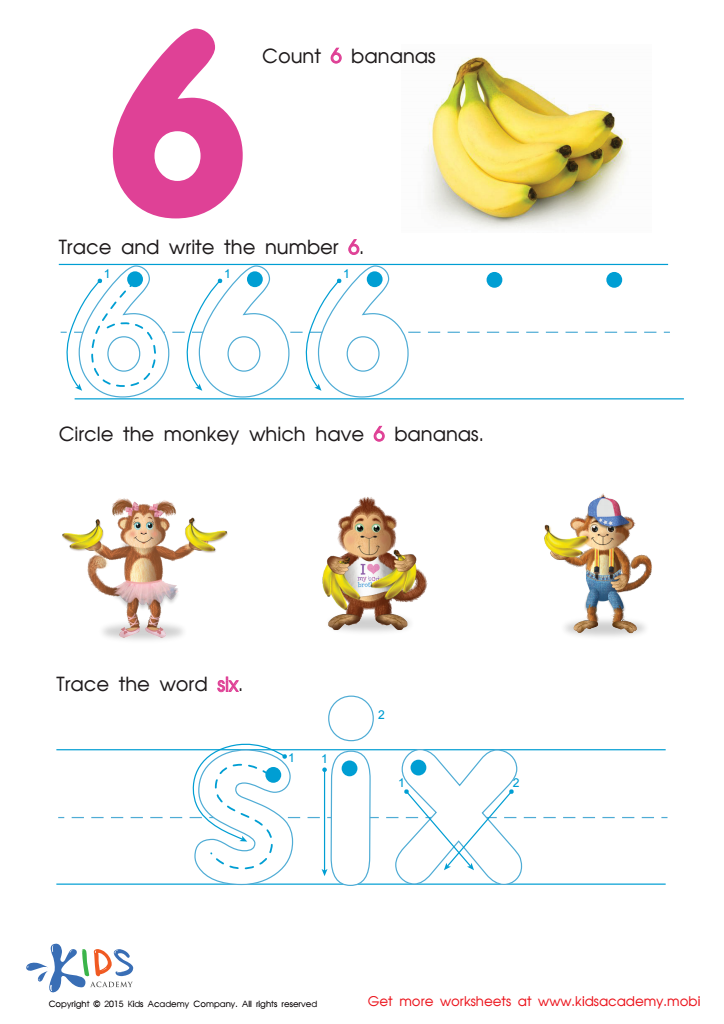
Tracing And Writing Number 6 Worksheet
Learn numbers in a fun way with our preschool number worksheets. Count six bananas, trace and write the number, find the monkey with six bananas, and trace the word "six." Explore more activities at Kids Academy.
Tracing And Writing Number 6 Worksheet
Worksheet
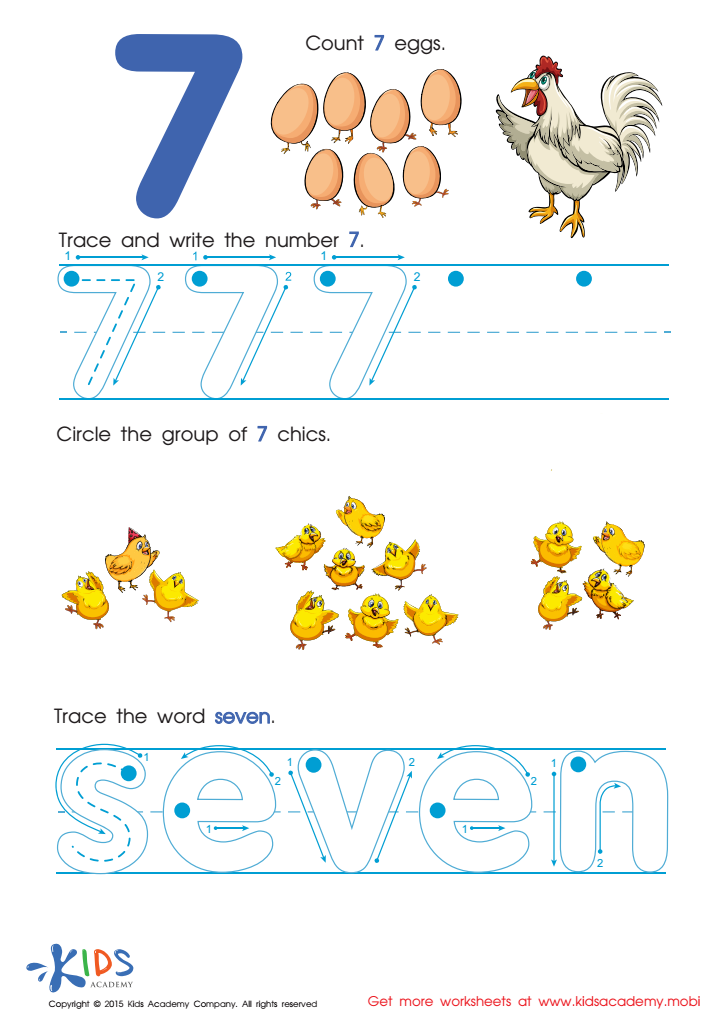
Trace And Write Number 7 with Fun Worksheet
Try one with a cute hen and its seven eggs! Trace and write the number 7, circle the group of seven chicks, and trace the word "seven". Fun and educational!
Trace And Write Number 7 with Fun Worksheet
Worksheet
Join Kids Academy for Free
Who is primarily going to use this learning content?



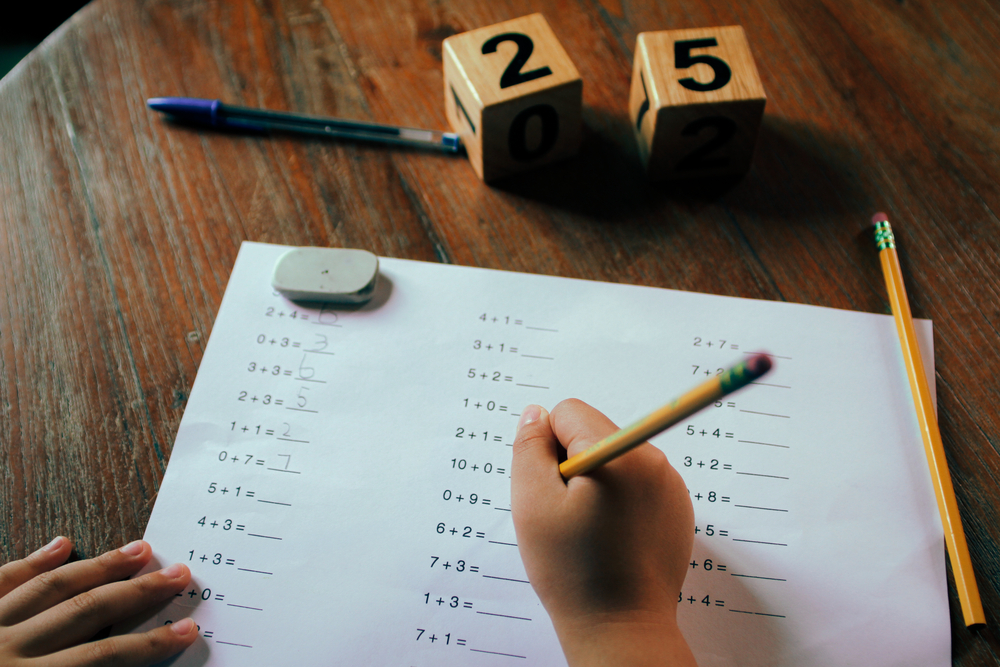




Parents and teachers should prioritize number writing practice for 5-year-olds because it forms the foundational skills necessary for future mathematical understanding and academic success. At this developmental stage, children are honing their fine motor skills and learning to control their hand movements, both of which are essential for writing numbers correctly. Providing structured practice helps strengthen these abilities, ensuring children gain the competency needed for more complex tasks later on, like arithmetic and problem solving.
Furthermore, practicing number writing helps children understand the symbols associated with quantities, an essential concept for number sense. As they repeatedly write numbers, children begin to recognize patterns, understand sequencing, and grasp the concept of order—critical elements in basic mathematics.
Additionally, number writing practice enhances children's concentration and attention to detail, aiding cognitive development. It supports the establishment of educational routines and promotes discipline, factors that are crucial in a child's ability to adapt to more structured school environments.
Lastly, early exposure to number writing integrates sensory learning by bridging the visual and physical elements of numeral formation, which enhances retention and comprehension. Hence, parents and teachers should emphasize number writing practice to ensure children build a solid mathematical foundation, set the stage for future learning, and foster a positive attitude towards education.








