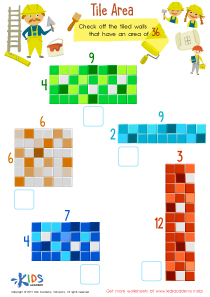
Fine Motor Skills Normal Matching Worksheets for 5-Year-Olds
4 filtered results
Difficulty Level
Grade
Age
-
From - To
Subject
Activity
Standards
Enhance your child's fine motor skills with our engaging matching worksheets designed specifically for 5-year-olds. These carefully crafted activities promote essential hand-eye coordination, dexterity, and precision while making learning enjoyable. Kids will adore matching vibrant images, shapes, and objects, helping them develop critical early literacy and numeracy skills. Our fine motor skills worksheets are perfect for both home and classroom use, offering a blend of fun and education. With simple instructions and colorful visuals, your little ones will be motivated to explore and reinforce their learning. Visit our collection today and support your child's growth in a playful, interactive way!
Favorites
With answer key
Interactive
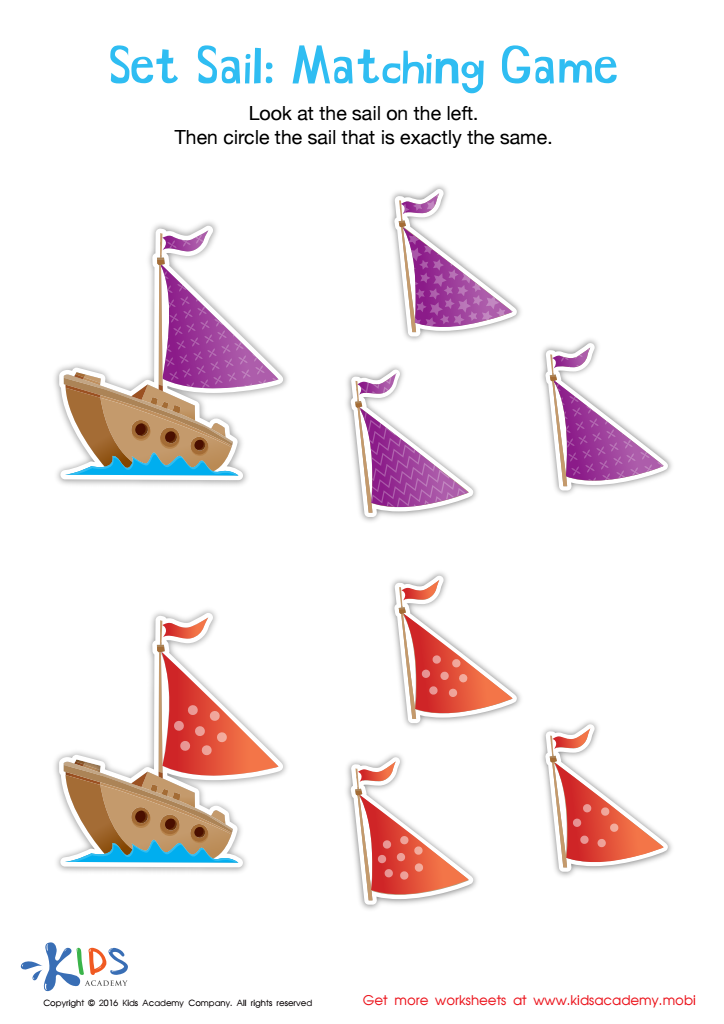
Set Sail Worksheet
Set sail with this fun matching game for toddlers! Kids will love finding the same pattern on the sails, improving their problem-solving and counting skills. Enjoy this bright and engaging worksheet!
 Assign to My Students
Set Sail Worksheet
Worksheet
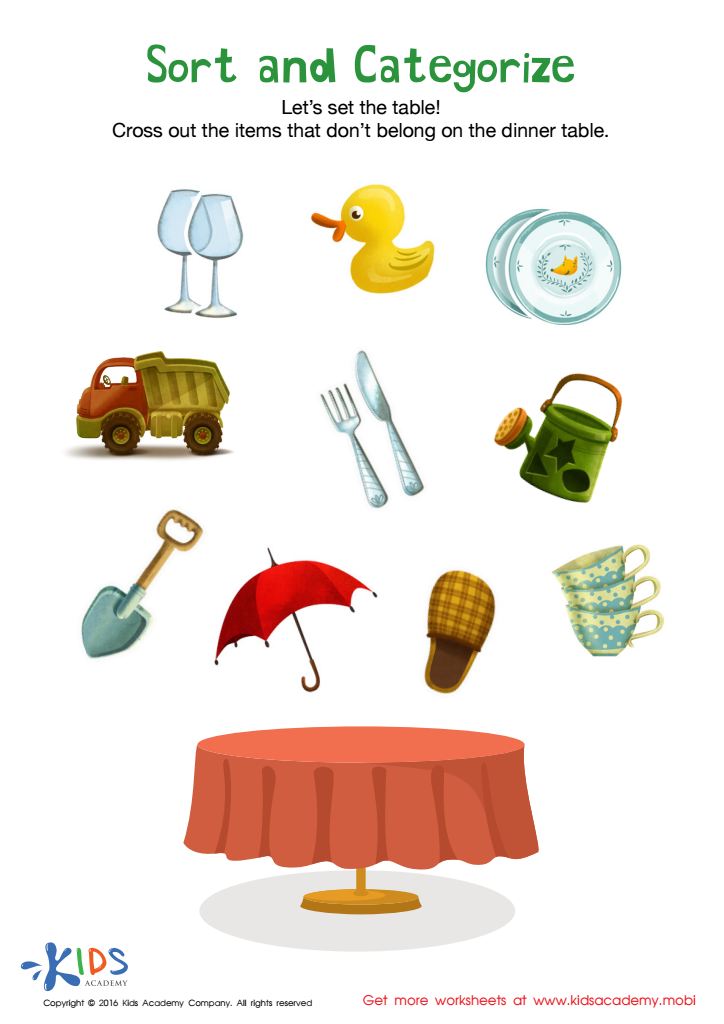
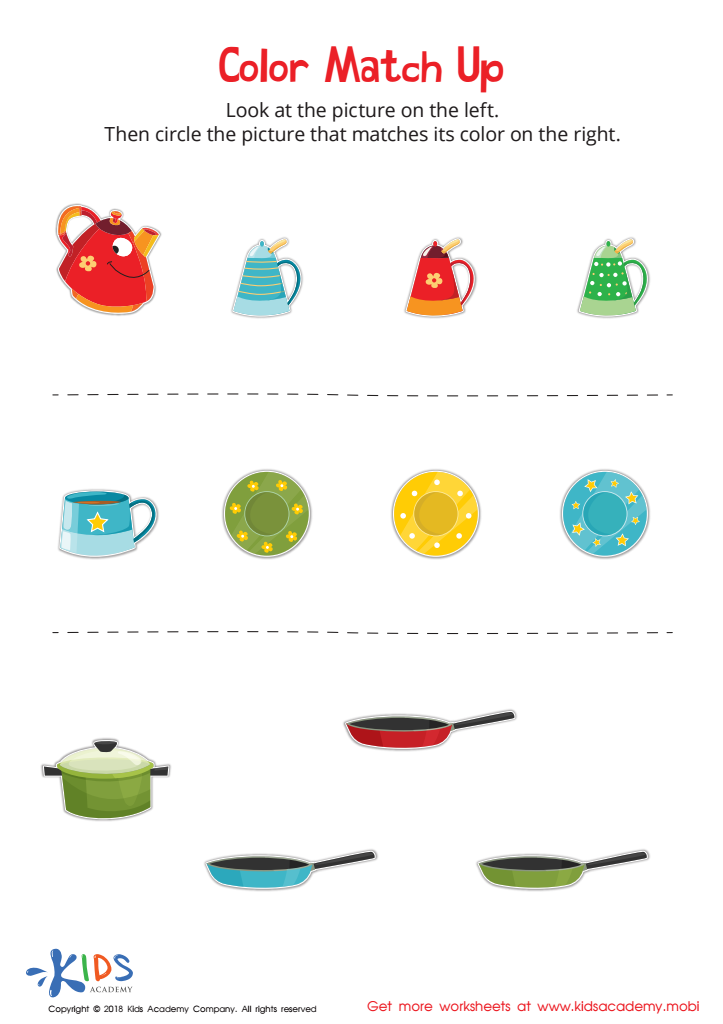
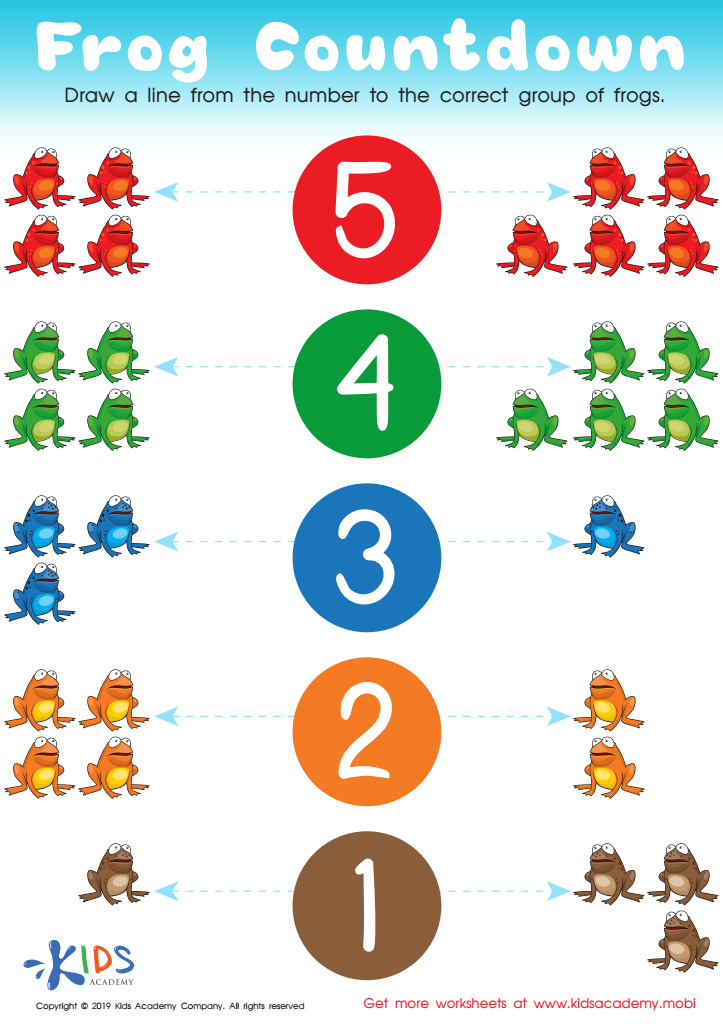
Frog Countdown Worksheet
Make learning fun for kids with traceable printouts! This exercise has kids counting frogs and drawing a line to match the number. Expand their knowledge with activities like this, beyond the basics they learn in school. Help them explore new ways of learning and make it enjoyable.
Frog Countdown Worksheet
Worksheet
Join Kids Academy for Free
Who is primarily going to use this learning content?








Fine motor skills are crucial for 5-year-olds as they form the foundation for various developmental milestones. Parents and teachers should prioritize Fine Motor Skills Normal Matching because these skills significantly impact children's overall growth, particularly in academics and daily living tasks. Mastery of fine motor skills enables young children to perform activities like writing, cutting, buttoning clothes, and managing zippers independently, fostering self-confidence and independence.
At this age, children are increasingly exposed to structured learning environments, where tasks require precise hand-eye coordination and dexterity. Engaging in activities that enhance these skills, like coloring, using tweezers for small objects, or building with blocks, can improve concentration, cognitive skills, and problem-solving abilities.
Furthermore, assessing children's fine motor skills helps educators identify potential developmental delays early on, allowing for timely interventions. This proactive approach can bridge gaps in learning and enhance readiness for structured school experiences. By placing importance on fine motor skills, parents and teachers lay the groundwork for successful learning, preparing children not just for school, but for lifelong skills necessary for navigating the world around them. Investing in the development of these skills creates engaging, supportive environments where children can thrive.