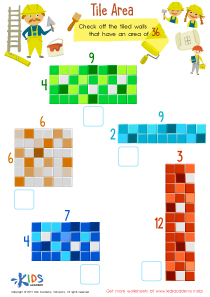
Visual discrimination Normal Matching Worksheets for 5-Year-Olds
3 filtered results
-
From - To
Explore our engaging Visual Discrimination Normal Matching Worksheets designed specifically for 5-year-olds! These printable activities enhance essential skills by helping children identify similarities and differences among various images. Perfect for young learners, our worksheets foster observation skills, critical thinking, and attention to detail, all while making learning fun! Each page features colorful, age-appropriate illustrations that captivate children's interest and keep them motivated to learn. Encourage your child's cognitive development and creativity in a playful setting. Download your free Visual Discrimination Matching Worksheets today and watch your little one enhance their learning experience while enjoying hours of entertaining practice!
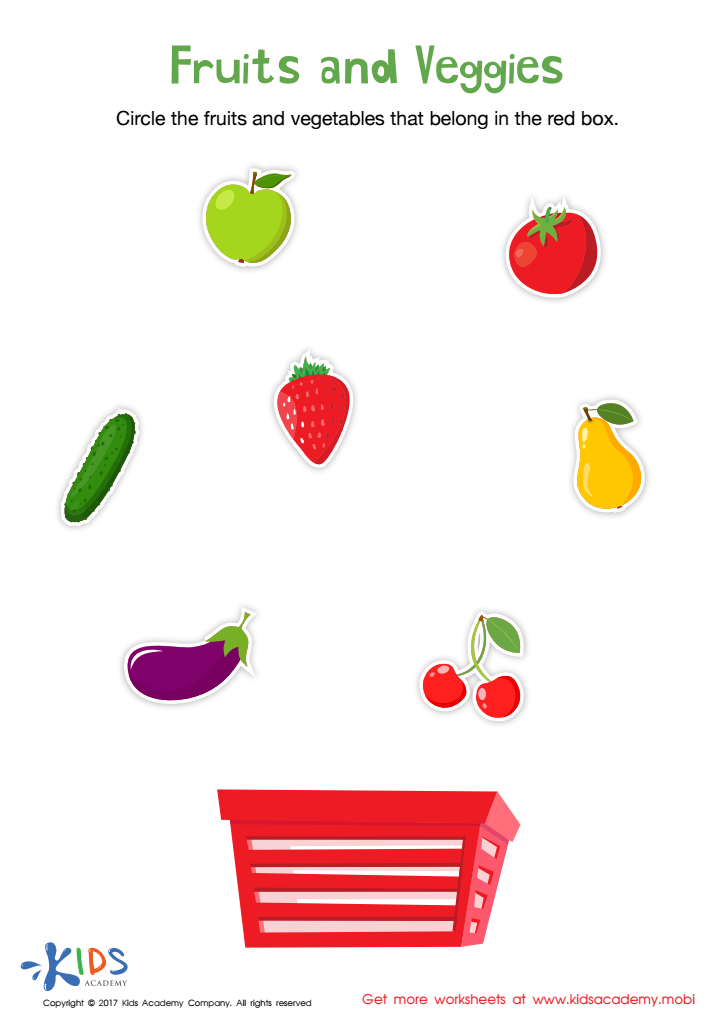
 Assign to My Students
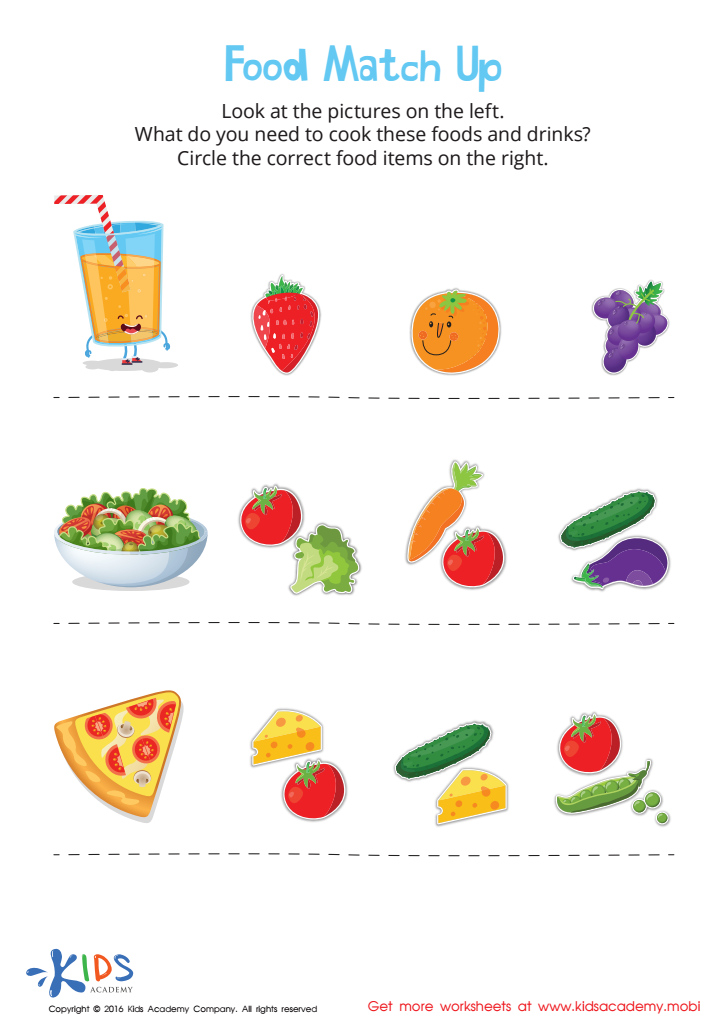
Food Match Up Worksheet
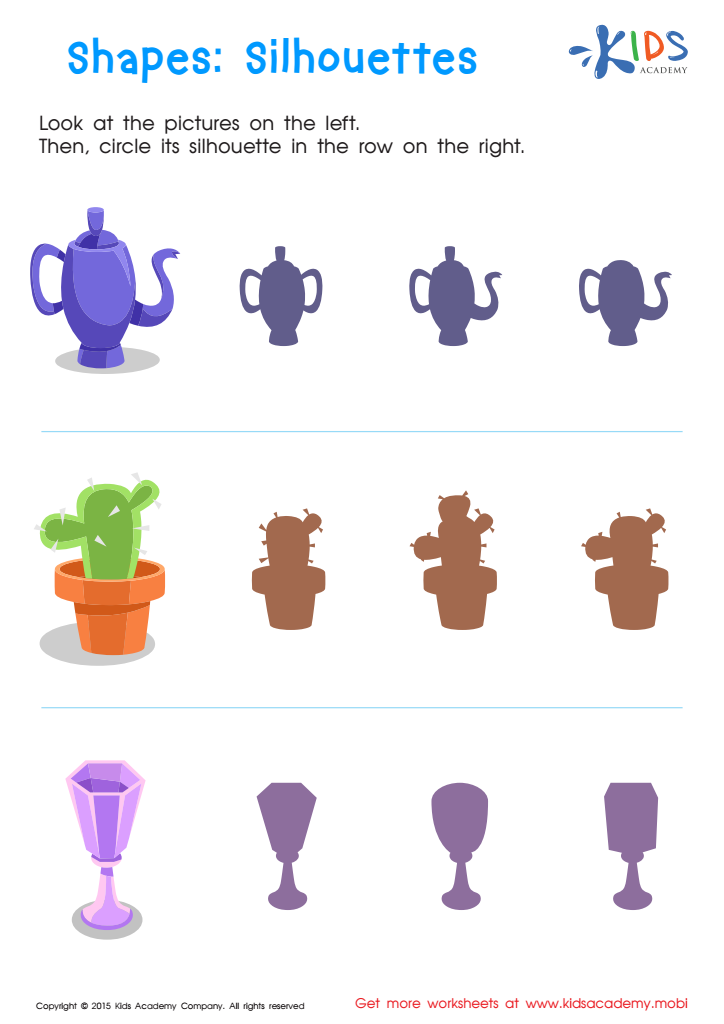
Silhouettes – Shapes Worksheet


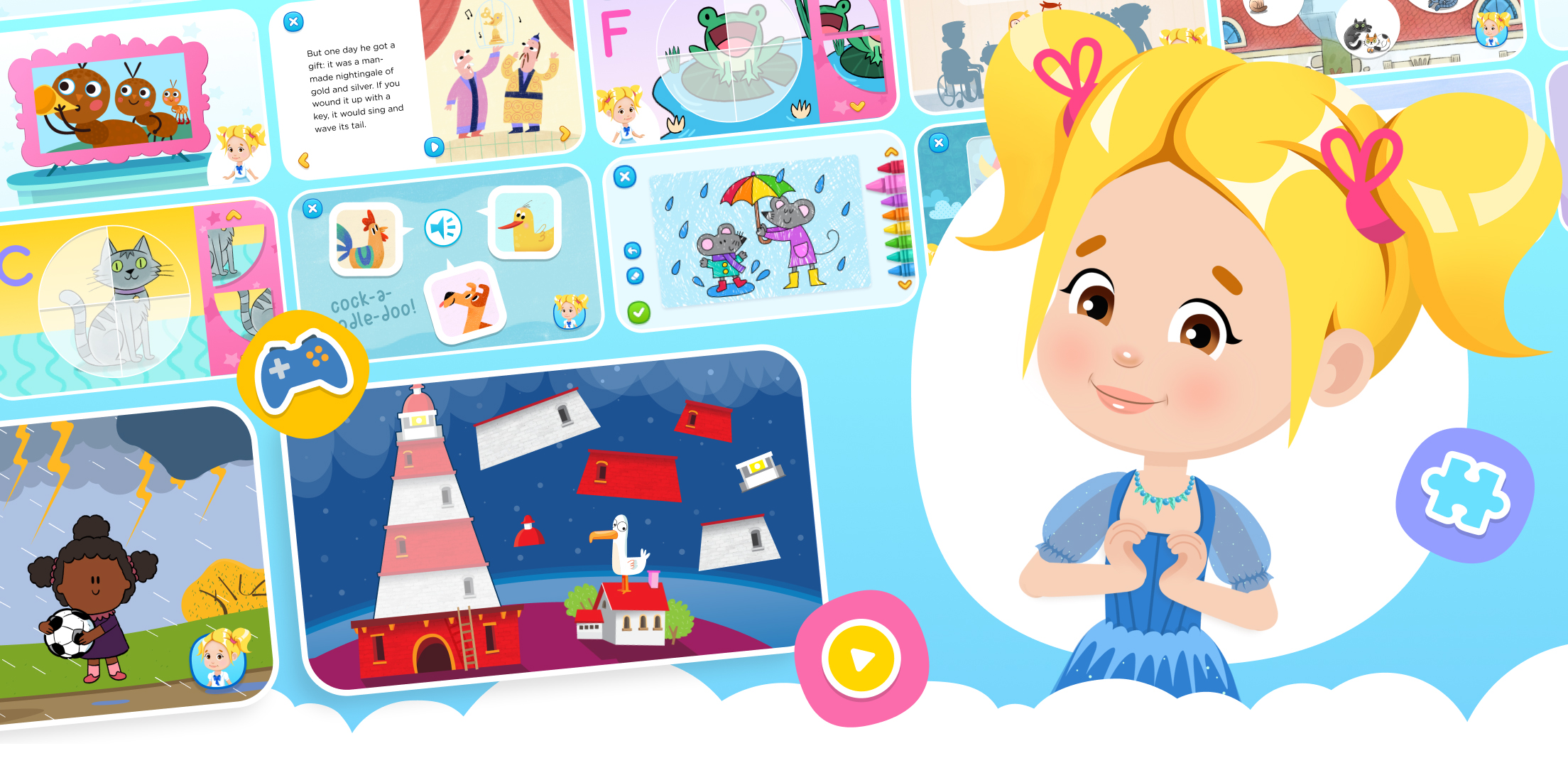





Visual discrimination, particularly normal matching, is an essential skill for 5-year-olds and crucial for parents and teachers to focus on. This ability enables children to identify and differentiate between similar-looking objects, shapes, or letters, laying the groundwork for fundamental skills in reading, math, and critical thinking.
Understanding visual discrimination helps children notice details, thus enhancing their observation skills, which are linked to their overall cognitive development. By honing this skill, students can recognize differences and similarities, leading to improved problem-solving abilities and creativity.
Moreover, early development of visual discrimination supports literacy skills. As children learn to read, they must distinguish between letters and words that may appear similar, which is vital for spelling and comprehension. Normal matching activities also promote fine motor skills, as children manipulate objects or draw to replicate patterns or match items.
Finally, parents and teachers who prioritize visual discrimination activities create structured environments conducive to learning. This focus can foster a love for learning and build confidence in young learners as they navigate multimedia-rich educational landscapes. Engaging children in such activities during their critical formative years lays the foundation for lifelong learning and academic success.