Cognitive Development Normal Building Vocabulary Worksheets for 5-Year-Olds
4 filtered results
-
From - To
Unlock your child's potential with our Cognitive Development Normal Building Vocabulary Worksheets for 5-Year-Olds! Designed to enhance language skills, these fun, engaging activities foster vocabulary growth and strategic thinking. Each worksheet focuses on critical cognitive development areas like categorization, memory, and word recognition, ensuring your child builds a solid language foundation. With colorful illustrations and age-appropriate exercises, learning becomes an enjoyable adventure. Parents and educators can easily integrate these worksheets into daily routines, promoting active engagement and improving literacy skills. Start your child's journey toward effective communication today with our expertly crafted resources tailored for young learners!
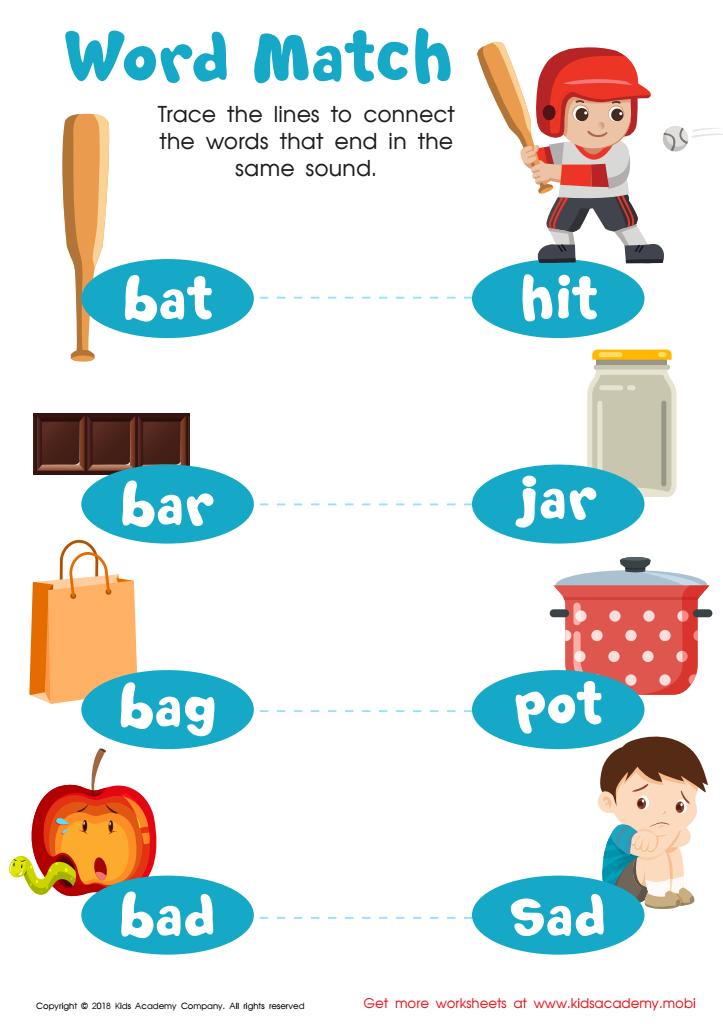
Word Match Reading Worksheet
 Assign to My Students











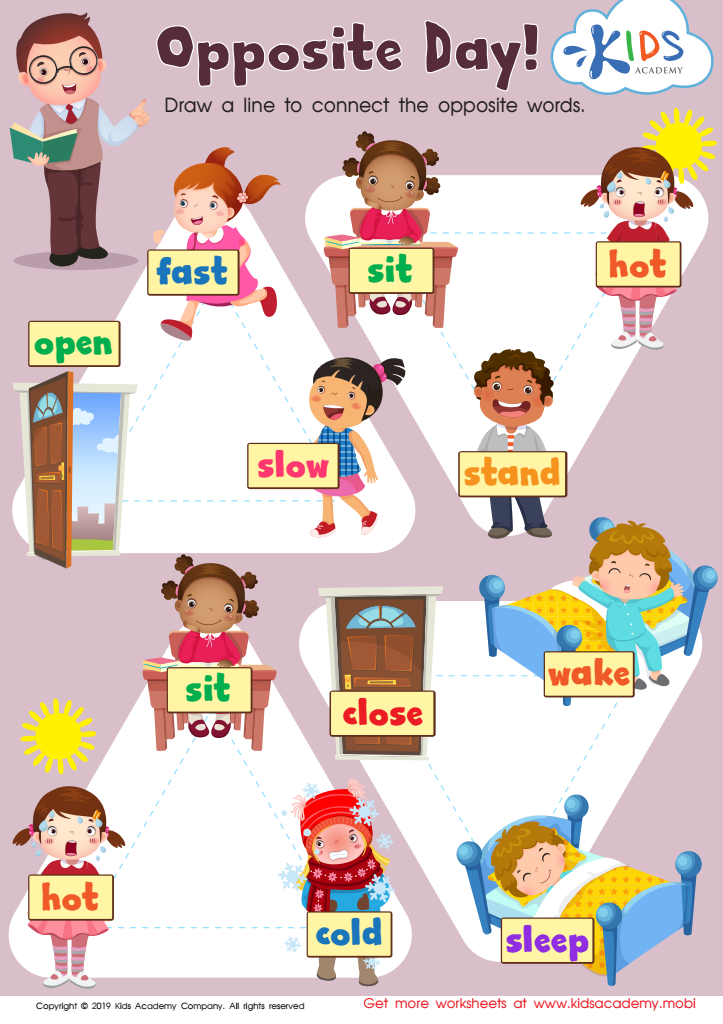
Opposite Day Worksheet
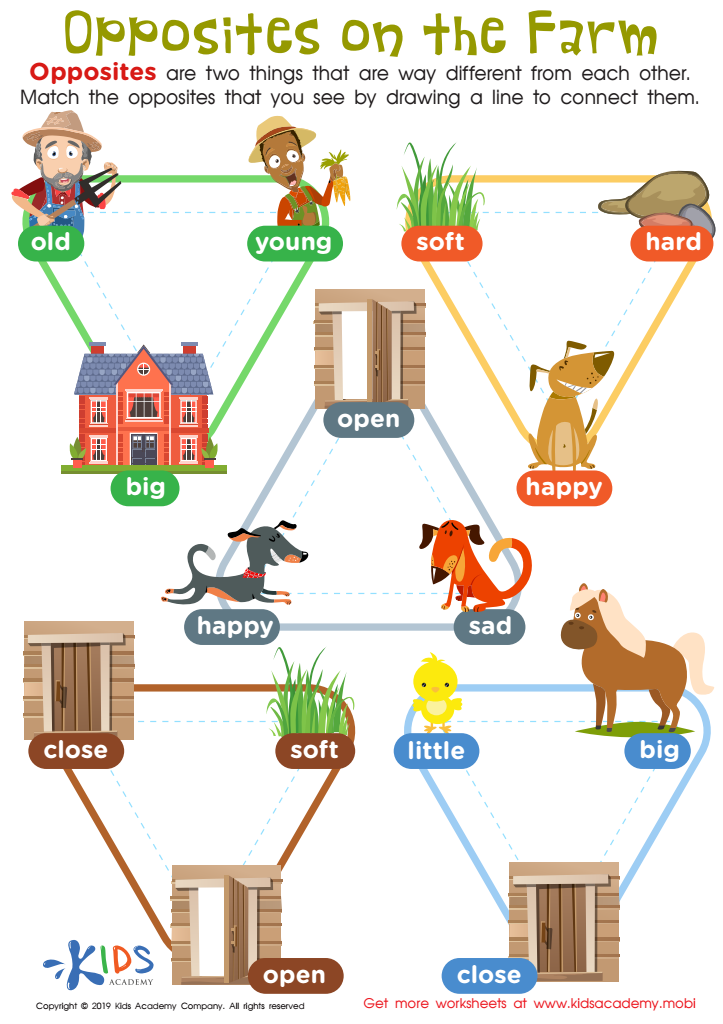
Opposites on the Farm Worksheet
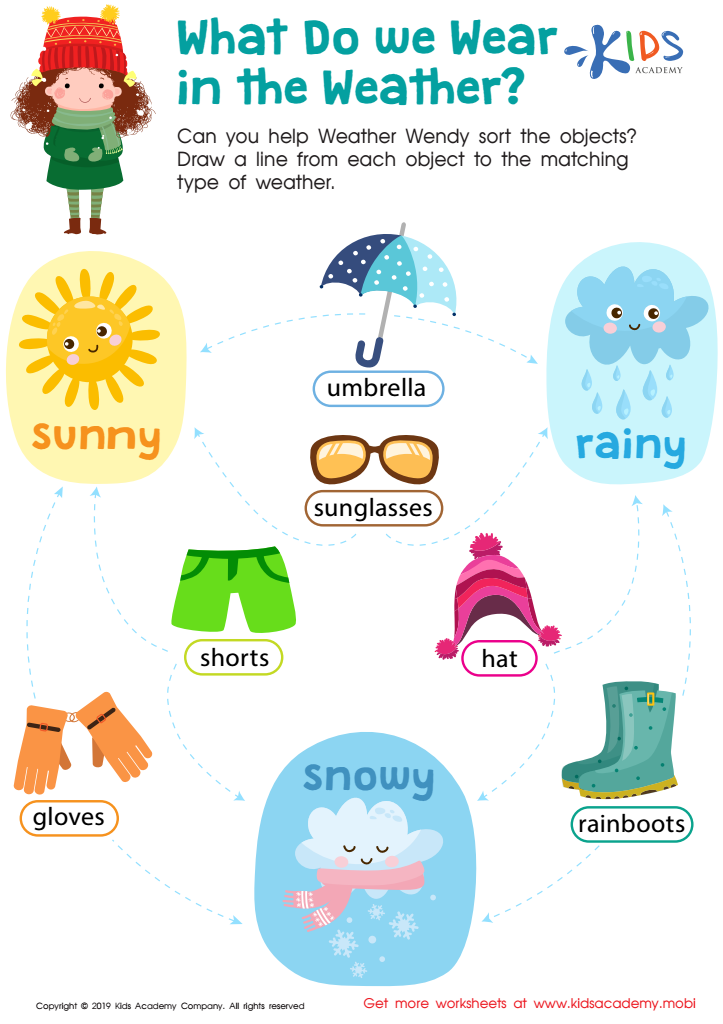
What Do We Wear in the Weather? Worksheet



.jpg)




Cognitive development and vocabulary building are crucial for 5-year-olds as they lay the foundation for future learning and social interactions. At this age, children's brains are highly receptive; they absorb language, ideas, and concepts at an astonishing rate. Language is key to cognitive development; it enables children to express their thoughts, engage in conversations, and understand instructions, fostering critical thinking skills. A rich vocabulary enhances their ability to comprehend stories and participate in discussions, enhancing their literacy skills, which are vital for academic success.
Parents and teachers should prioritize vocabulary development because a robust vocabulary correlates directly with a child’s confidence and ability to communicate effectively. Engaging children in meaningful conversations, reading together, and introducing new words in relatable contexts help them grasp language use in life. Moreover, when children acquire language skills early on, it significantly contributes to stronger reading comprehension later down the line.
In essence, fostering cognitive development through vocabulary building is essential for setting the stage for lifelong learning, social integration, and overall academic achievement. Early interventions and support can bridge gaps and ensure children reach their full potential, empowering them throughout their educational journey and beyond.








