
Letter recognition Normal Reading Worksheets for 5-Year-Olds
3 filtered results
Difficulty Level
Grade
Age
-
From - To
Subject
Activity
Standards
Welcome to our "Letter Recognition Normal Reading Worksheets" designed specifically for 5-year-olds! These engaging and interactive worksheets help young learners master the alphabet through fun activities tailored to their developmental needs. Each worksheet encourages children to identify, trace, and associate letters with familiar objects, promoting phonemic awareness and early reading skills. Perfect for parents and educators, these resources support your child’s literacy journey in an enjoyable way. Explore our wide selection of worksheets that make learning letters a delightful adventure, laying a strong foundation for future reading success. Start your child's reading journey today with our effective and entertaining worksheets!
Favorites
With answer key
Interactive
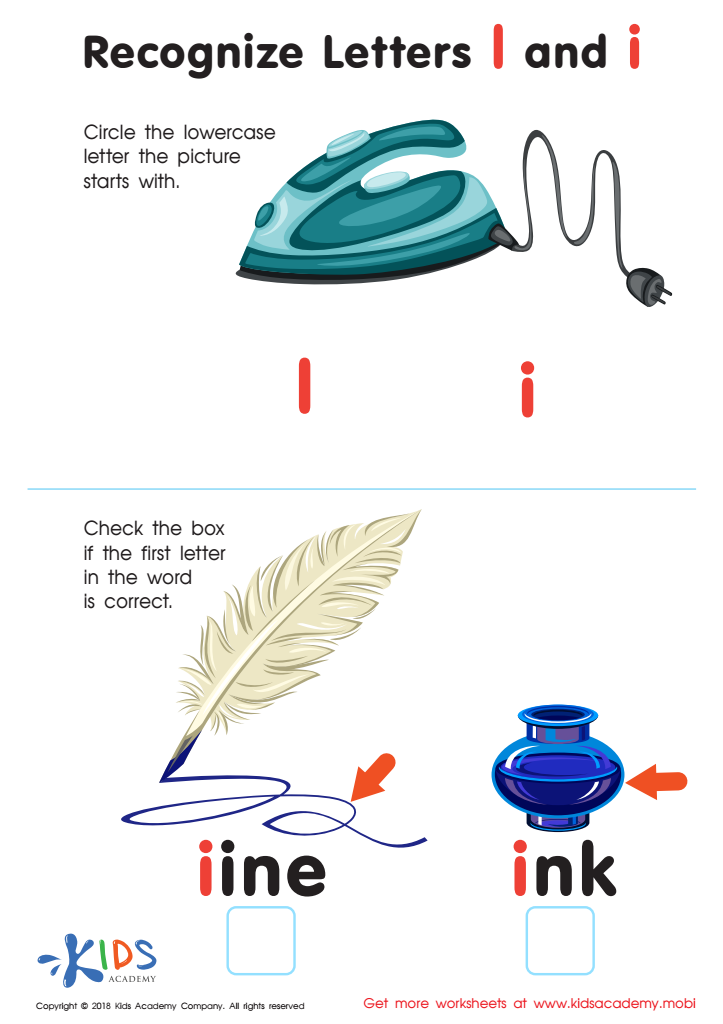
Recognize Letters l and i Worksheet
Help your child become familiar with uppercase and lowercase letters. Have them look at the pictures in the worksheet and circle the lowercase letter the picture starts with. For example: which one is the lowercase "i", the capital "I" or the small "i"?
Recognize Letters l and i Worksheet
Worksheet
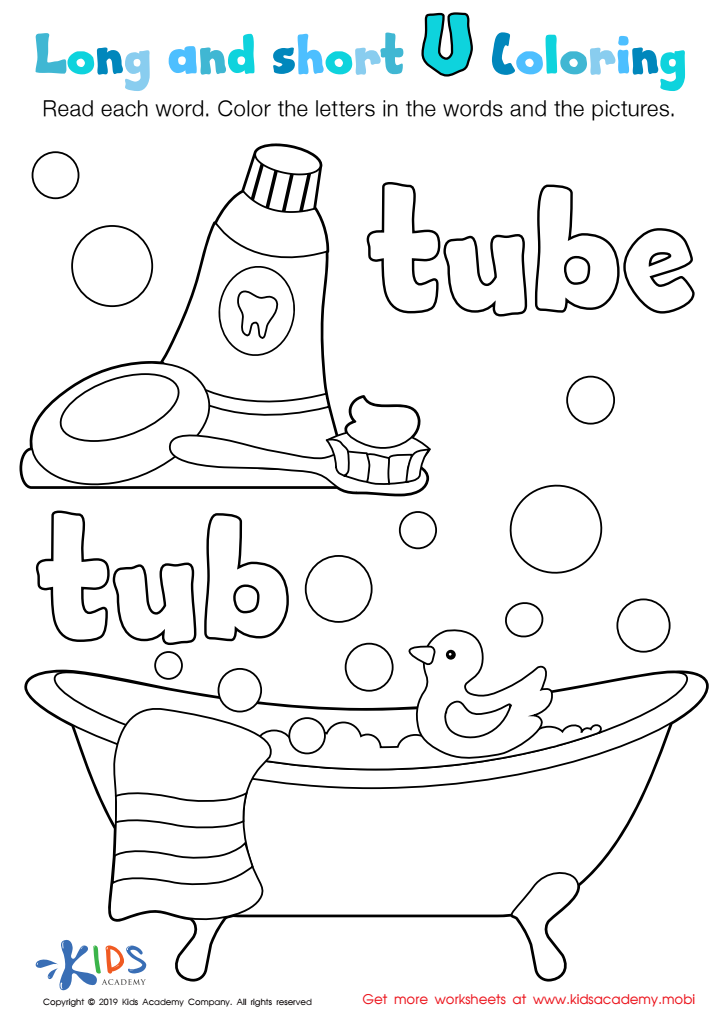
Long and Short U Worksheet
Revised: Spice up your lesson on long and short vowels with this fun printout! Kids read the words "tube" and "tub," then reinforce the sound by coloring in the words and pictures. It's a great way to make phonics class enjoyable!
Download (PDF)
 Assign to My Students
Assign to My Students
Long and Short U Worksheet
Worksheet
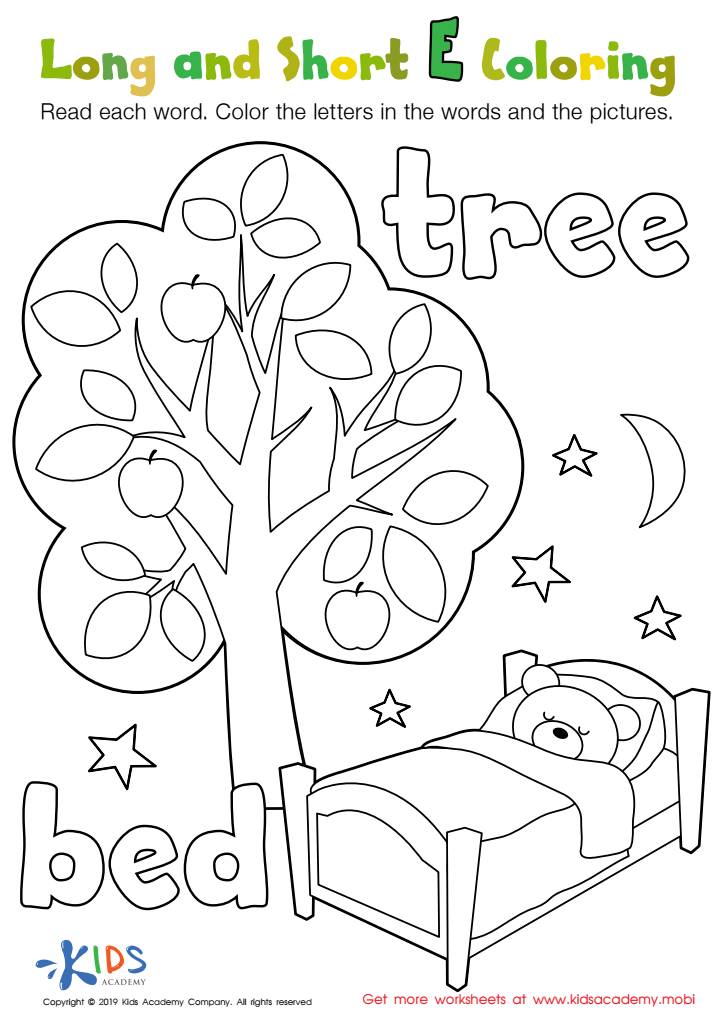
Long and Short E Worksheet
This fun printout makes learning phonics enjoyable for Grade 3 students. Get them to read the words “tree” and “bed” to recognize the different sounds of the letter “E”. After hearing the words they can color the words and the pictures to understand differences between long and short vowels.
Download (PDF)
Assign to My Students
Assign to My Students
Long and Short E Worksheet
Worksheet
Join Kids Academy for Free
Who is primarily going to use this learning content?








Letter recognition is a fundamental skill in early literacy development, making it essential for parents and teachers to prioritize it for 5-year-olds. This stage of learning lays the groundwork for reading and writing, and an understanding of letters provides children with the tools they need to decode words. By recognizing letters, children begin to make connections between sounds and the symbols that represent them, which is critical for phonics and overall reading fluency.
Additionally, strong letter recognition contributes to a child’s confidence and motivation. When children can identify letters and their corresponding sounds, they feel more empowered to engage with texts, participate in classroom activities, and explore the world of print around them.
Moreover, early exposure to letter recognition can mitigate future reading difficulties. Research shows that phonemic awareness and letter recognition are closely linked to long-term literacy outcomes. Parents and teachers can foster this skill through interactive activities like games, songs, and reading aloud, creating a joyful and stimulating learning environment. Involving parents in this process can reinforce learning at home, ensuring that children receive consistent support. Consequently, emphasizing letter recognition is vital for developing proficient readers who enjoy literacy for years to come.








