Reading Skills Normal Reading Worksheets for 5-Year-Olds
3 filtered results
-
From - To
Unlock your child's reading potential with our expertly crafted Reading Skills Normal Reading Worksheets for 5-Year-Olds! These fun, engaging printables are designed to develop crucial reading skills, like phonemic awareness, letter recognition, and comprehension in young learners. Each worksheet provides delightful activities and delightful imagery, ensuring that reading remains exciting and dynamic. Whether practicing sounds, identifying letters, or constructing simple words, our materials foster confidence and a love for reading. Perfect for home or classroom use, these worksheets serve as a solid foundation for early reading success. Dive into the world of reading today with Kids Academy!
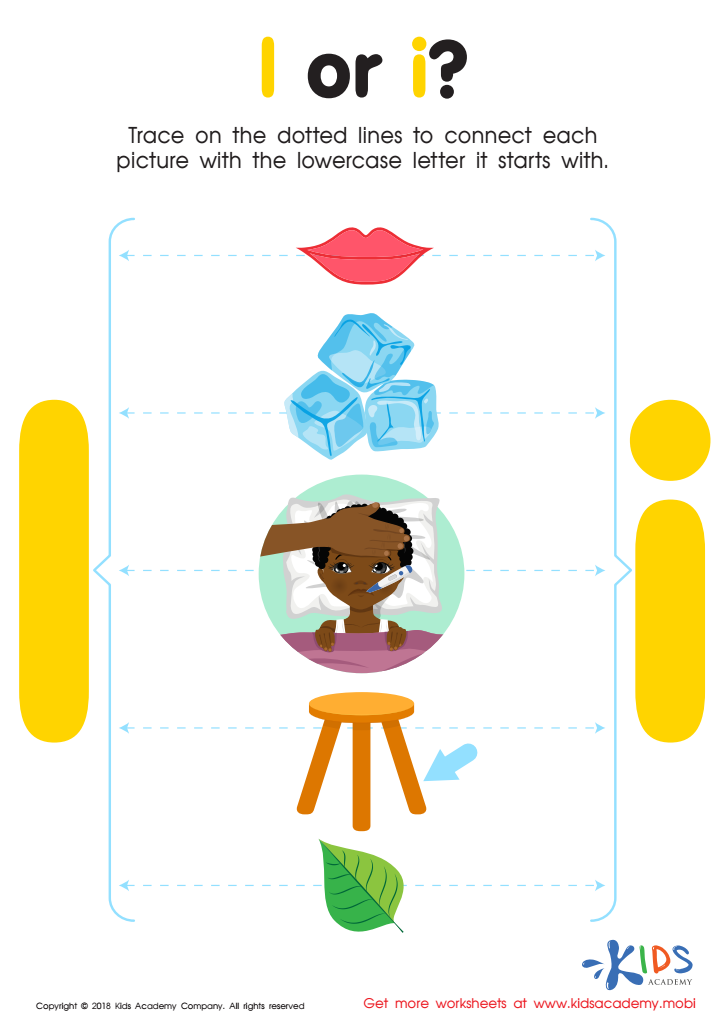
l or i? Worksheet
 Assign to My Students
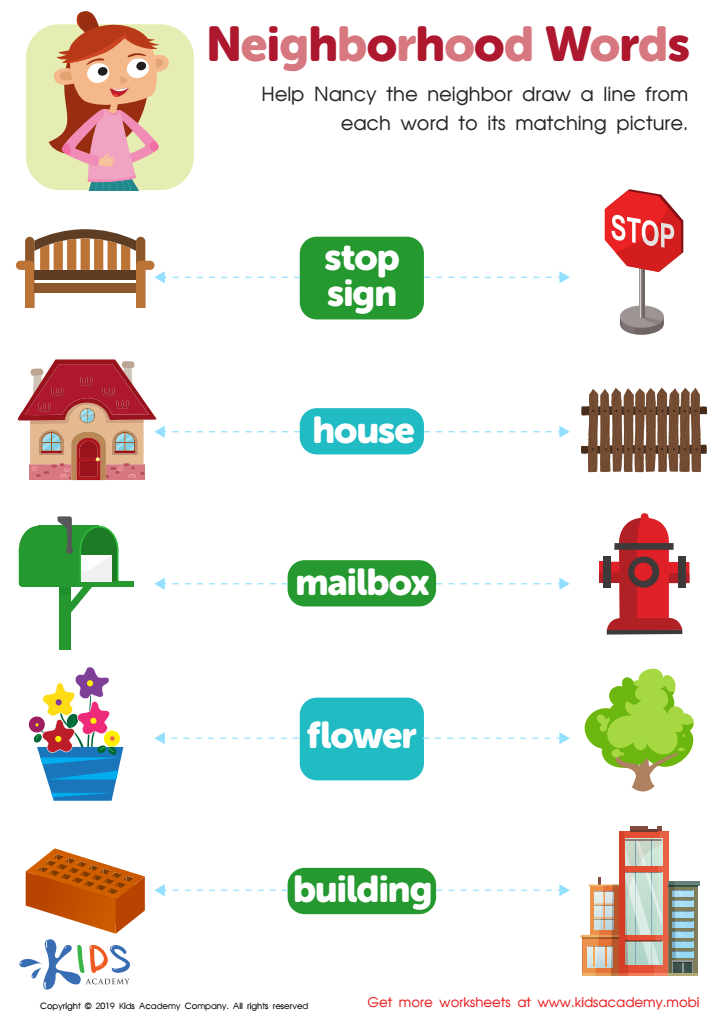
Neighborhood Words Worksheet
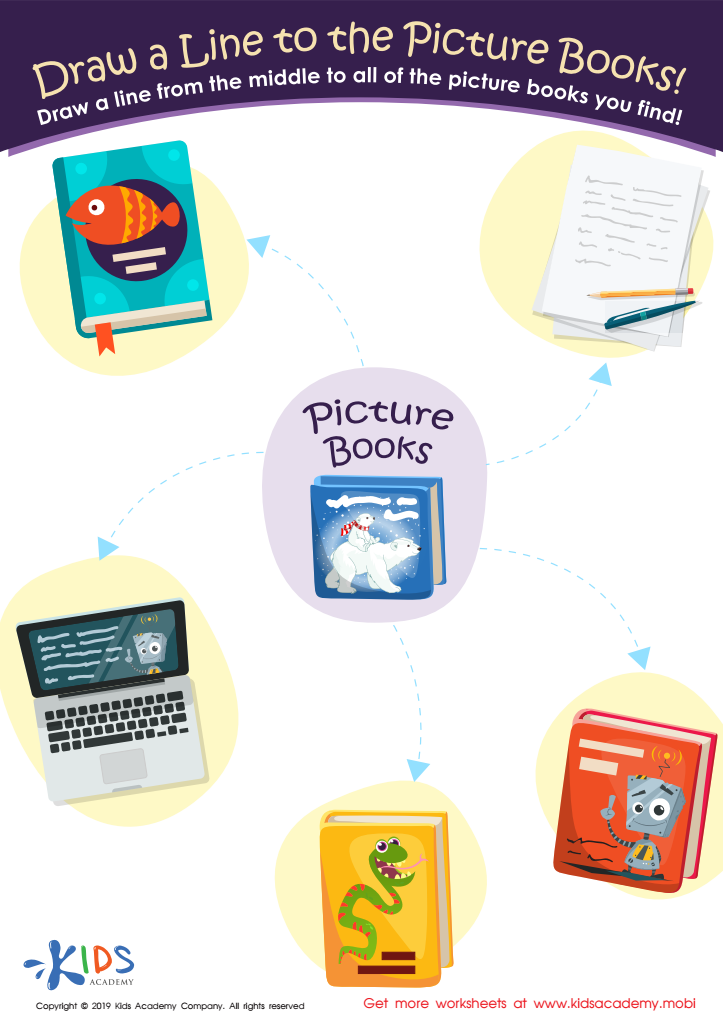
Draw a Line to the Picture Books Worksheet







Caring about reading skills in 5-year-olds is crucial, as this formative period lays the foundation for future academic success and personal growth. At this age, children are at a pivotal stage of development where their brains are highly receptive to learning, making it an ideal time to cultivate literacy skills.
Strong reading skills contribute significantly to a child's cognitive development. They enhance vocabulary, improve comprehension, and strengthen critical thinking abilities. Children who develop good reading habits early are better equipped to grasp more complex subjects later on since reading is integral to almost all areas of learning.
Reading also bolsters social and emotional development. Through stories, children learn about different emotions, perspectives, and cultures, which fosters empathy and social understanding. It also builds confidence as children master new skills and achieve milestones.
Moreover, early reading skills can identify and address potential learning difficulties. Timely intervention is key to providing the necessary support to mitigate future challenges.
Parents and teachers should collaborate to encourage reading through engaging books, storytelling sessions, and positive reinforcement. By investing time and resources into building reading skills, they empower children to become lifelong learners, setting them up for success both in school and beyond.








