Vocabulary development Normal Reading Worksheets for 5-Year-Olds
4 filtered results
-
From - To
Discover engaging vocabulary development reading worksheets designed specifically for 5-year-olds! Our thoughtfully curated resources help young learners expand their vocabulary through fun activities aligned with their developmental stage. Each worksheet focuses on essential skills like word recognition, matching pictures with words, and identifying synonyms and antonyms. These worksheets not only promote language growth but also foster a love for reading. Perfect for parents and educators, our materials aid in making learning interactive and enjoyable. Support your child's literacy journey and watch them thrive as they explore new words and concepts! Start enhancing their vocabulary today with our printable worksheets.
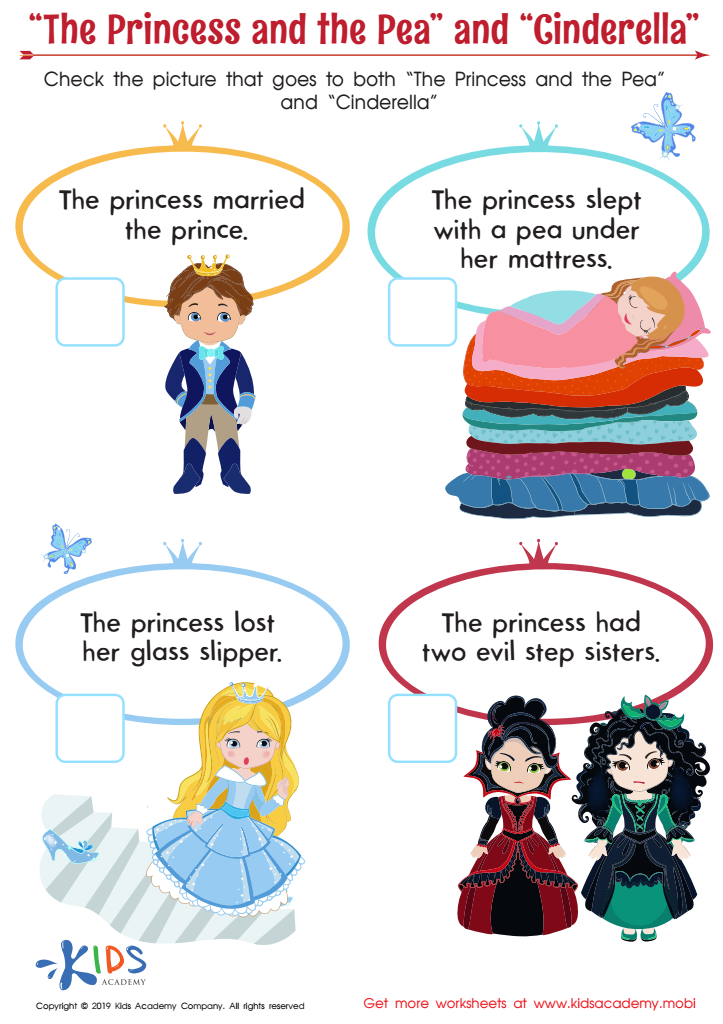
“The Princess and the Pea” and “Cinderella” Worksheet
 Assign to My Students
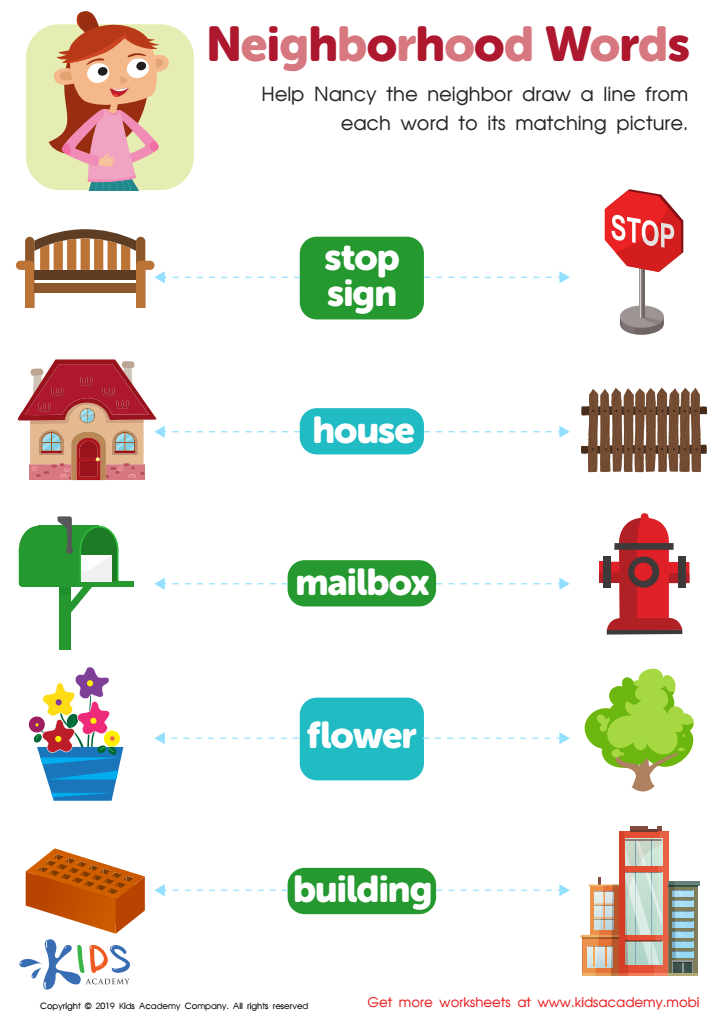
Neighborhood Words Worksheet
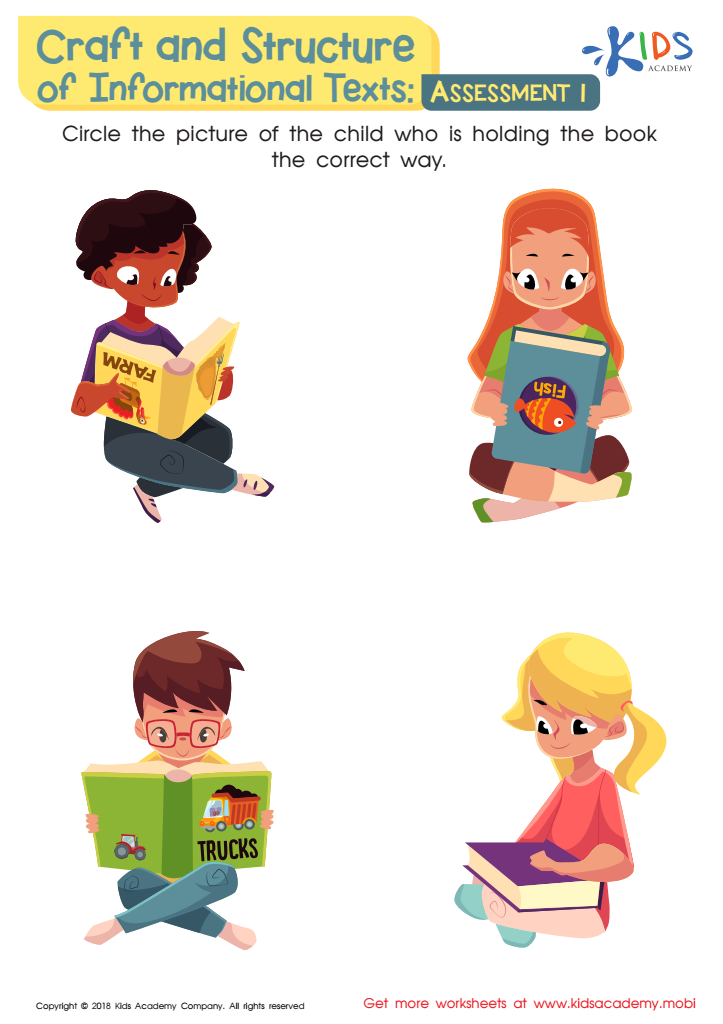
Craft and Structure of Informational Texts: Assessment 1 Worksheet
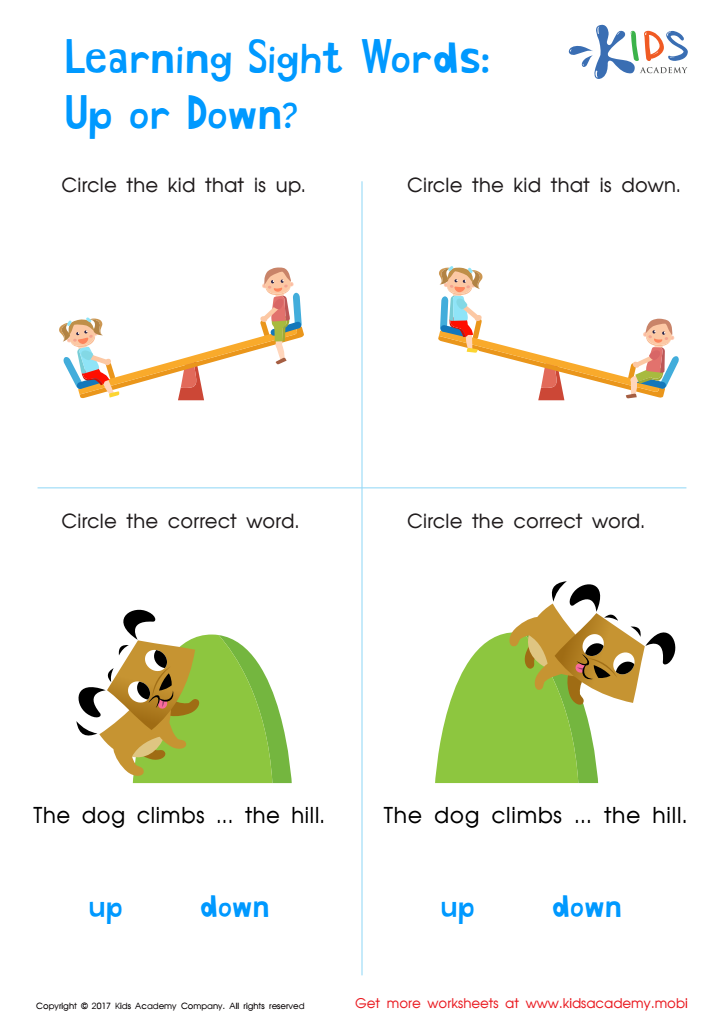
Up or Down Printable Sight Words Worksheet



.jpg)




Vocabulary development is crucial for 5-year-olds as it lays the foundation for their future academic success and personal communication skills. At this age, children are rapidly expanding their language abilities, and rich vocabulary exposure significantly enhances their reading comprehension, writing, and critical thinking skills. When parents and teachers invest time in nurturing vocabulary, they equip children with the tools necessary to express themselves clearly and understand complex ideas later on.
Moreover, a robust vocabulary supports cognitive development; as children learn new words, they also learn to categorize and relate concepts, fostering better problem-solving skills. Engaging with vocabulary through conversation, storytelling, and reading helps children not only grasp basic word meanings but also learn how to use these words in various contexts, which is important for effective communication.
Additionally, vocabulary development is closely linked to a child’s confidence. Strong language skills allow children to participate more actively in discussions, enriching their social interactions and emotional well-being. Therefore, both parents and teachers play a vital role in creating a rich linguistic environment that promotes vocabulary growth, ultimately setting the stage for lifelong learning and success. Investing in vocabulary development now reaps benefits for years to come.








