
Visual perception improvement Normal Social Studies Worksheets for 5-Year-Olds
3 filtered results
Difficulty Level
Grade
Age
-
From - To
Subject
Activity
Standards
Enhance your 5-year-old's learning experience with our engaging visual perception improvement worksheets in social studies! Designed specifically for young learners, these worksheets help sharpen essential skills such as observation, interpretation, and critical thinking. Kids will enjoy colorful illustrations and fun activities that encourage them to identify patterns, sort objects, and make connections within their community and environment. These printable resources not only promote cognitive development but also foster an early love for social studies. Perfect for both home and classroom use, our worksheets make learning enjoyable and effective, preparing your child for future educational success! Explore our collection today!
Favorites
With answer key
Interactive
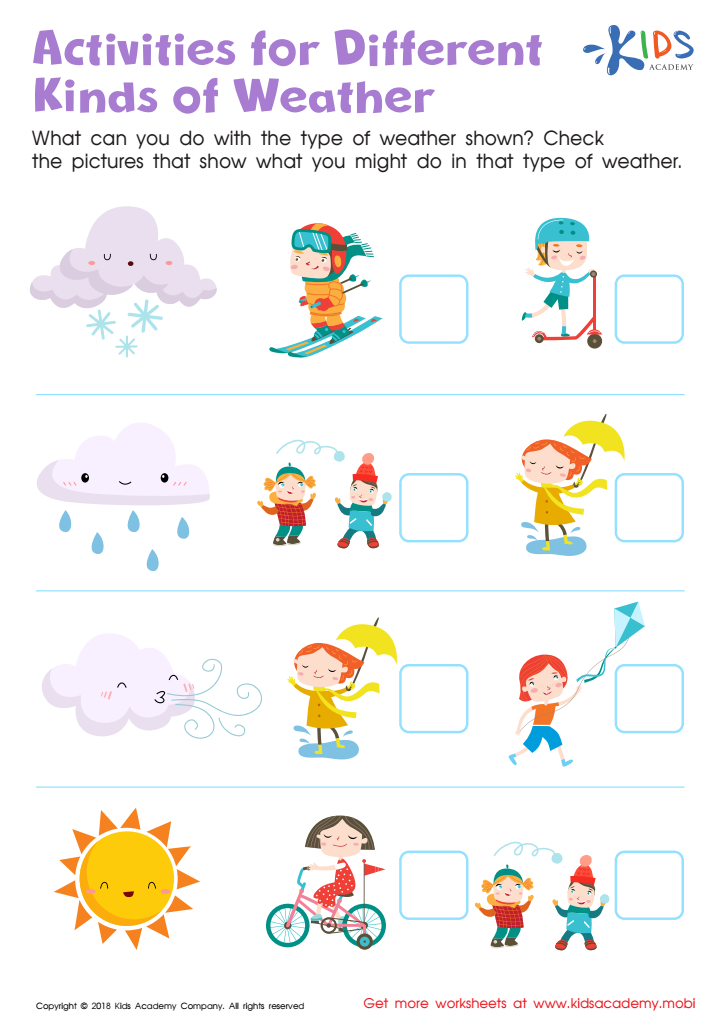
Activities for Different Kinds of Weather Worksheet
Help your child explore the changing seasons with this interactive worksheet. Ask them to name the different seasons and activities associated with each type of weather. Show the pictures and explain what they can do in that kind of weather. Have them check off the activities to help them learn and enjoy the changing seasons.
 Assign to My Students
Activities for Different Kinds of Weather Worksheet
Worksheet
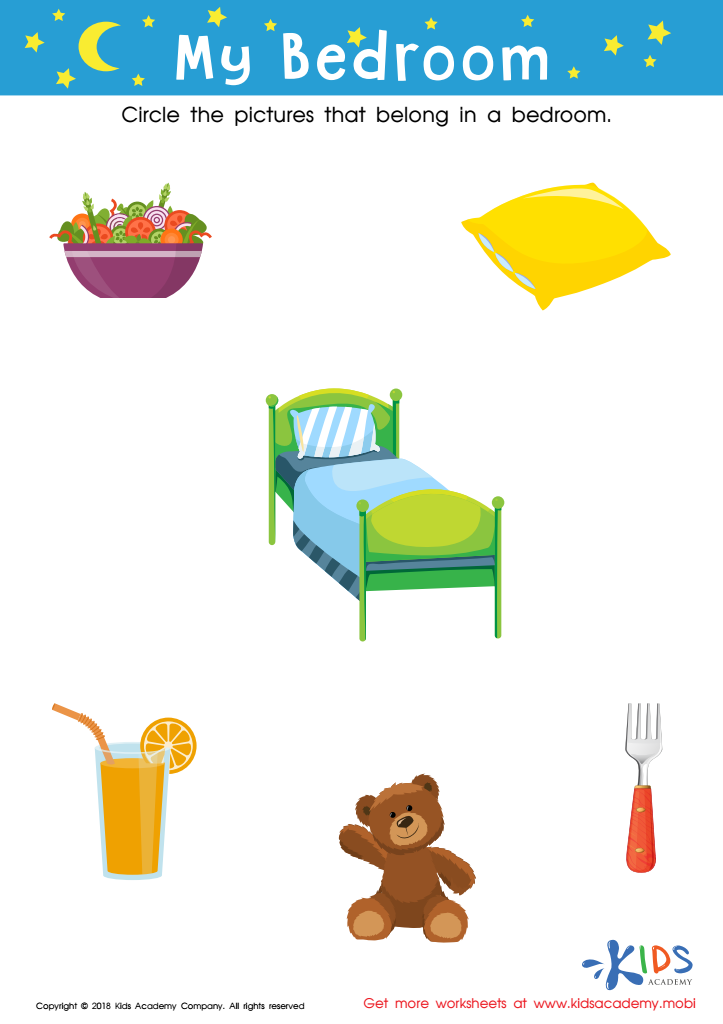
My Bedroom Worksheet
Your child's room is their special space, where only a few are allowed in. You may have let them choose some special decorations, like wall stickers and toys. This exercise will be easy for your child, as they know their bedroom well. Ask them to circle the pictures that belong in a bedroom.
My Bedroom Worksheet
Worksheet
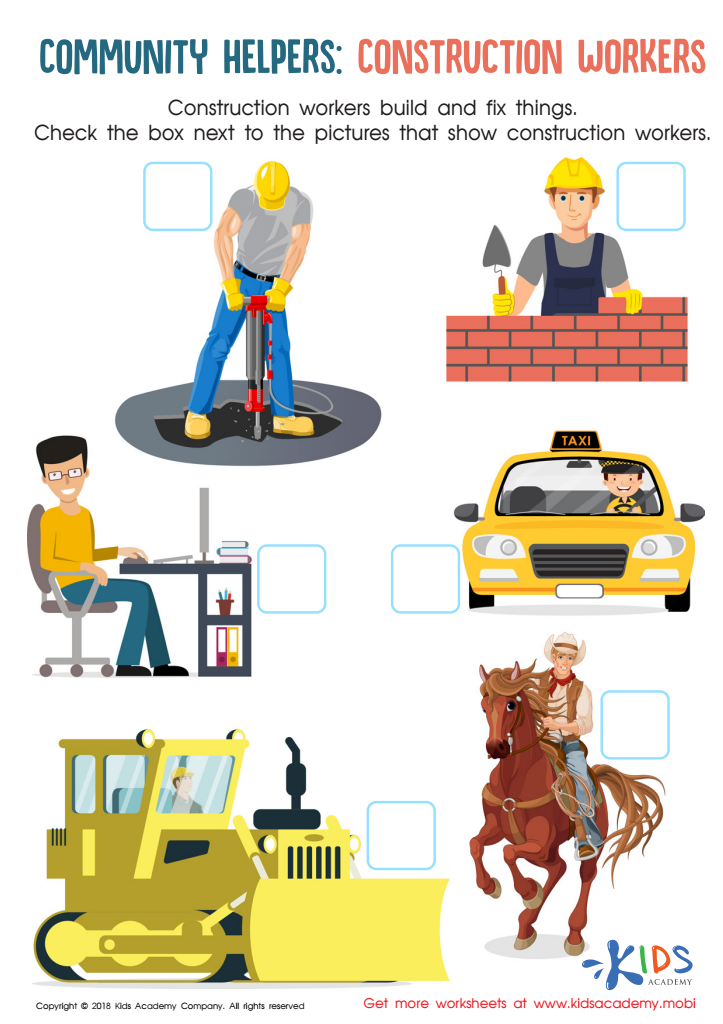
Construction Workers Community Helpers Worksheet
Construction workers build and repair roads, keeping them accessible for the community. Ask your child if they've ever seen one at work, and talk about what they do. Go through the worksheet together and check the pictures that show construction workers in action.
Construction Workers Community Helpers Worksheet
Worksheet
Join Kids Academy for Free
Who is primarily going to use this learning content?



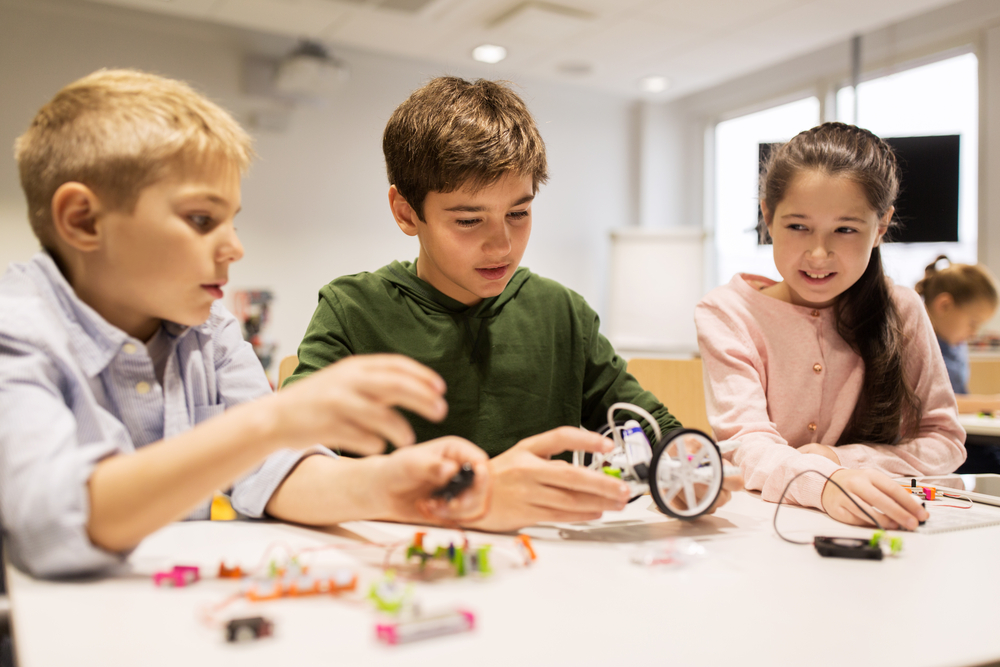

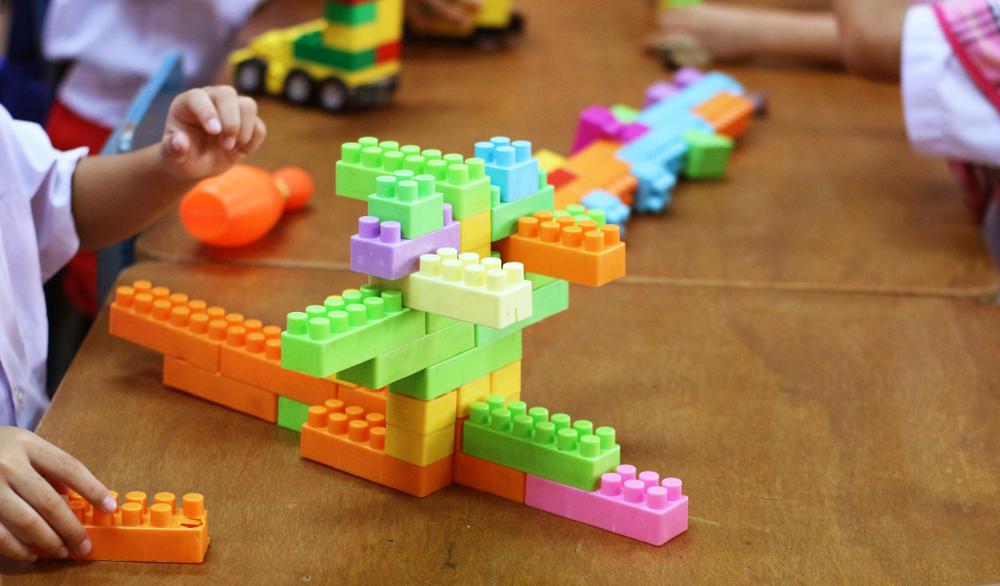

Parents and teachers should prioritize visual perception improvement in 5-year-olds because it is foundational for learning and development. Visual perception refers to the ability to interpret and understand visual information. At this age, children's brains are rapidly developing, and strong visual skills enhance their ability to recognize shapes, letters, and numbers—key components for reading and math.
Improving visual perception can lead to better academic performance. When children can effectively process what they see, they are more capable of following instructions, participating in activities, and interacting with peers in social settings. This is crucial in Social Studies, where understanding maps, diagrams, and images related to community, culture, and geography fosters engagement and deeper comprehension.
Moreover, enhancing visual skills supports fine motor development. Activities that involve visual perception often require hand-eye coordination, which is integral for tasks like writing and using scissors.
Finally, visual perception is linked to self-confidence. As children become more competent in their ability to analyze and respond to visual stimuli, they feel a sense of achievement, encouraging them to participate more in group discussions and social interactions. In essence, prioritizing visual perception serves both academic and social development, paving the way for lifelong learning.








