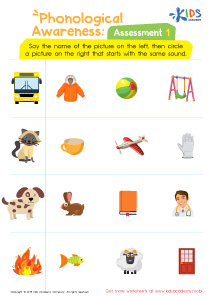
Phonics practice Normal Consonants Worksheets for Ages 6-7
5 filtered results
-
From - To
Enhance your child's phonics skills with our engaging Normal Consonants Worksheets designed specifically for children ages 6-7. These printable activities offer a fun and interactive way for young learners to master consonant sounds and improve their reading proficiency. Each worksheet features a variety of exercises, including matching games, fill-in-the-blanks, and sound recognition tasks, all aimed at reinforcing critical phonics concepts. With colorful illustrations and easy-to-follow instructions, your child will enjoy practicing while building confidence in their reading abilities. Explore our collection today and give your child a head start in their literacy journey! Perfect for home or classroom use!
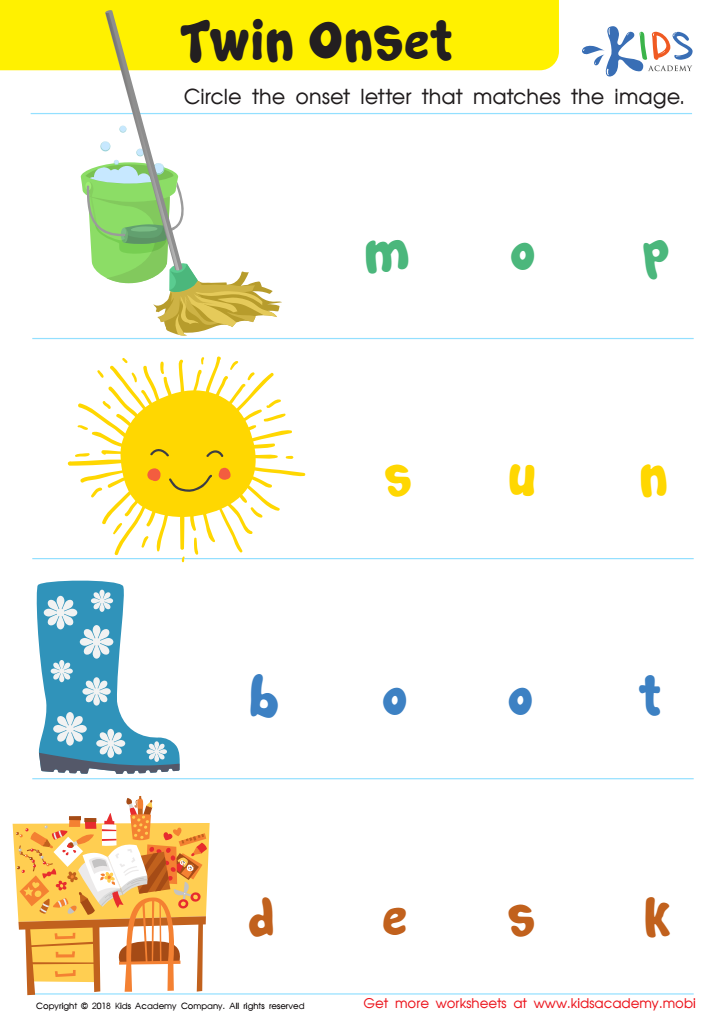
Twin Onset Worksheet
 Assign to My Students
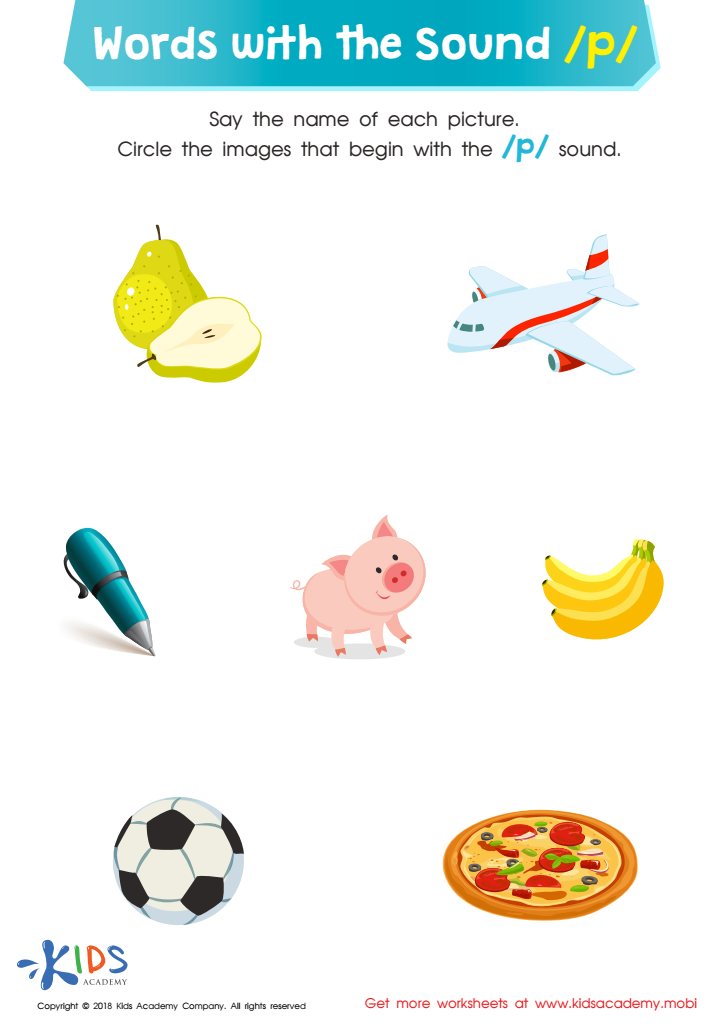
Words with sound p Reading Worksheet
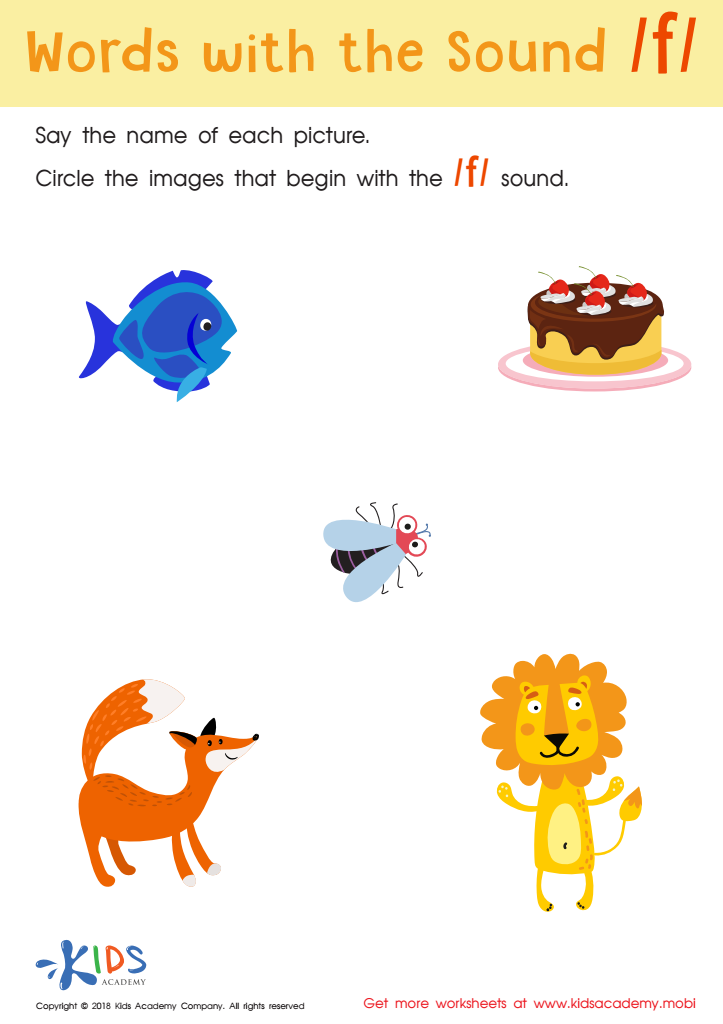
Words with sound f Reading Worksheet
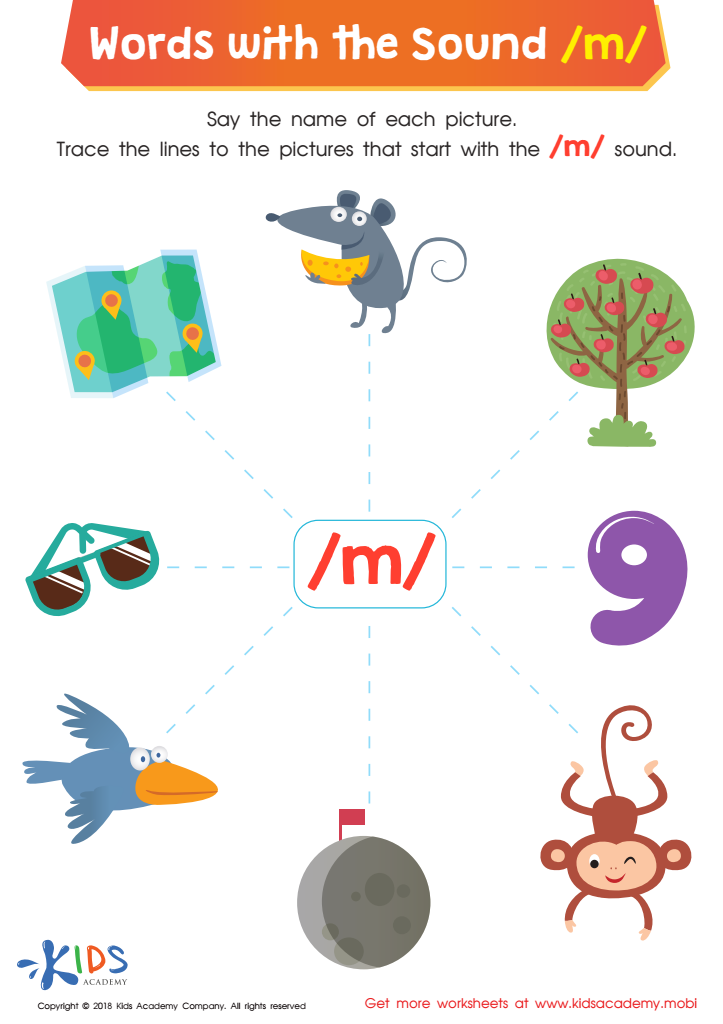
Words with Sound M Reading Worksheet
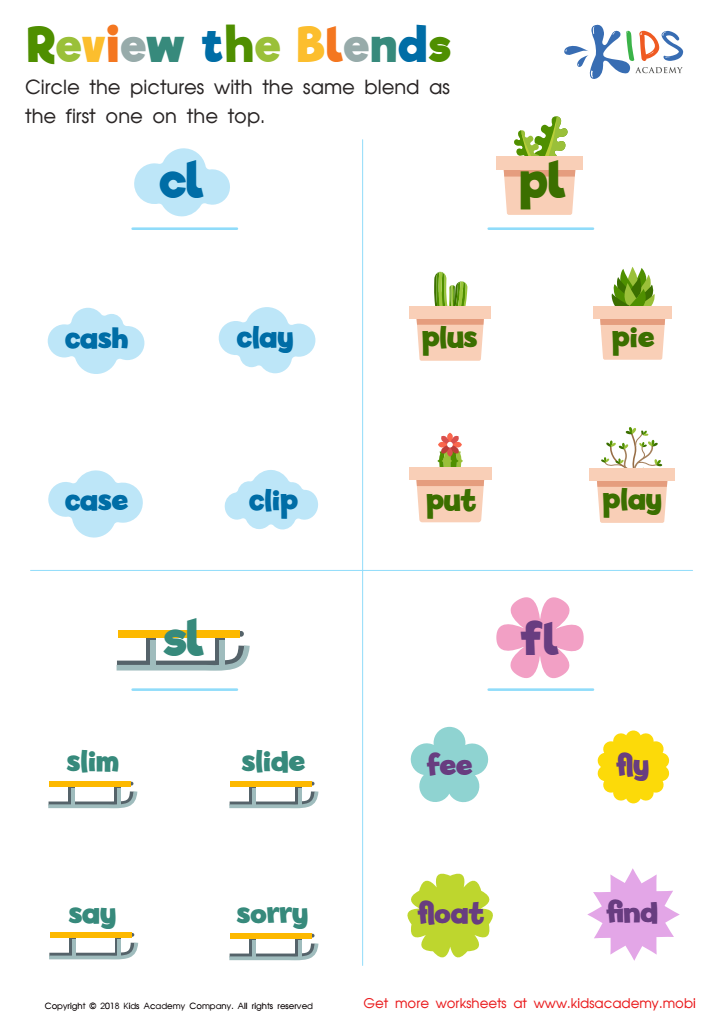
Review the Blends Worksheet



Phonics practice, particularly with normal consonants, is crucial for children aged 6-7 as they build foundational reading skills. At this age, students are transitioning from learning to read to reading to learn, making phonics an essential focus in their literacy journey. Understanding consonant sounds helps them decode words, enhancing their reading fluency and comprehension.
Focusing on normal consonants aids in letter-sound associations, allowing children to blend sounds and recognize patterns in words. This leads to increased confidence as students tackle more complex texts. Additionally, mastering consonant sounds contributes to better spelling and writing abilities, as phonics practice reinforces the connection between sounds and letters.
Teachers and parents should be concerned about inconsistencies in phonics practice. When children struggle with phonics, it can result in frustration and disengagement from reading and learning. Implementing regular and engaging phonics activities can foster a positive attitude toward literacy and stimulate a love for reading.
Moreover, strong reading skills are linked to greater academic success in other subjects. Therefore, investing time in phonics practice not only enhances literacy development but also equips children with essential skills that benefit their overall educational experience.