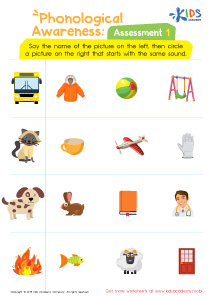
Phonics Skills Normal Elementary Phonics Worksheets for Ages 6-7
4 filtered results
-
From - To
Discover our engaging phonics worksheets designed specifically for children ages 6-7! These printables focus on essential phonics skills to help young learners master letter sounds, decode words, and develop reading confidence. Our user-friendly activities encourage children to recognize patterns, blend sounds, and strengthen their vocabulary. With a variety of fun exercises, students will enjoy honing their phonics abilities while enhancing their reading skills. Ideal for classroom settings or at-home learning, our worksheets provide a valuable resource for early grade teachers and parents alike. Help your child build a strong foundation in phonics and ignite their love for reading today!
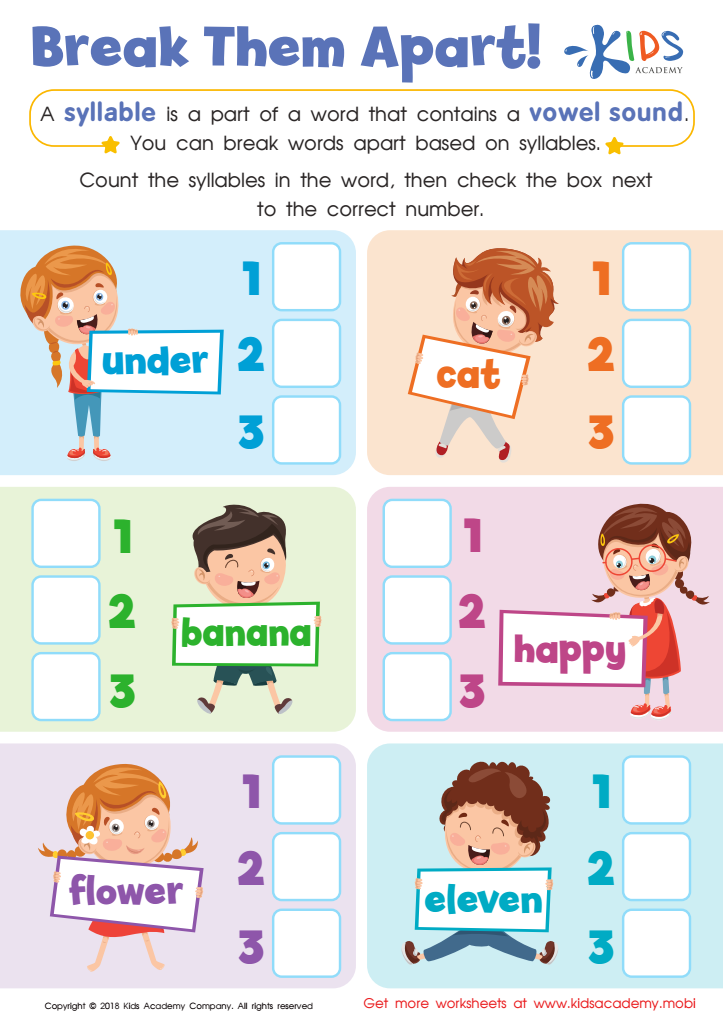
Reading: Break Them Apart Worksheet
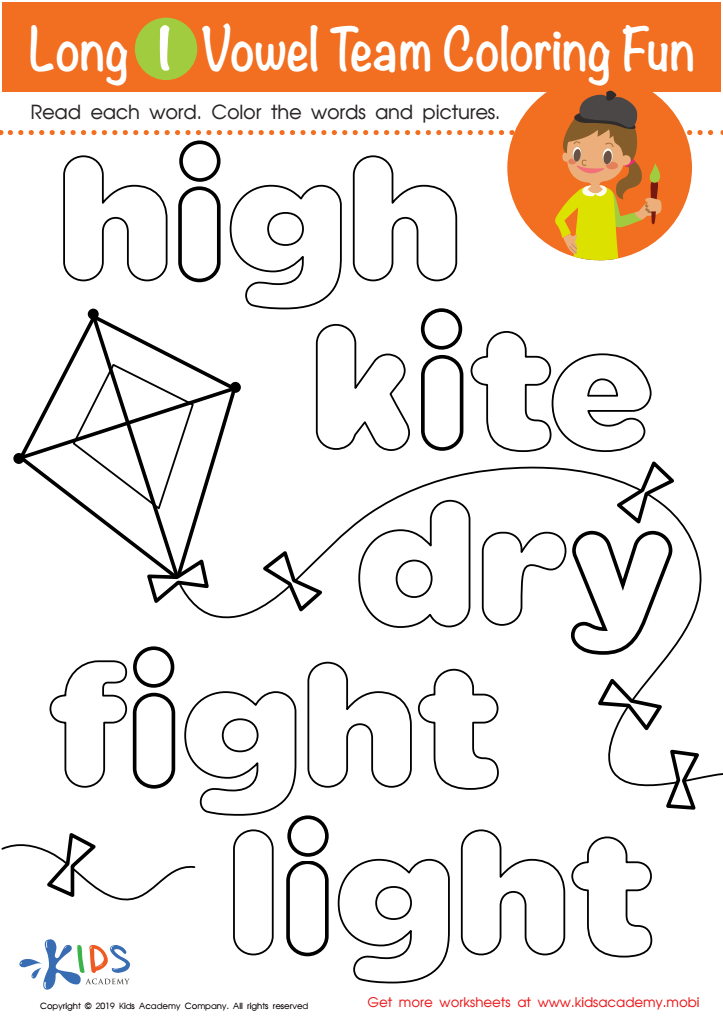
Long I Vowel Team Coloring Worksheet
 Assign to My Students
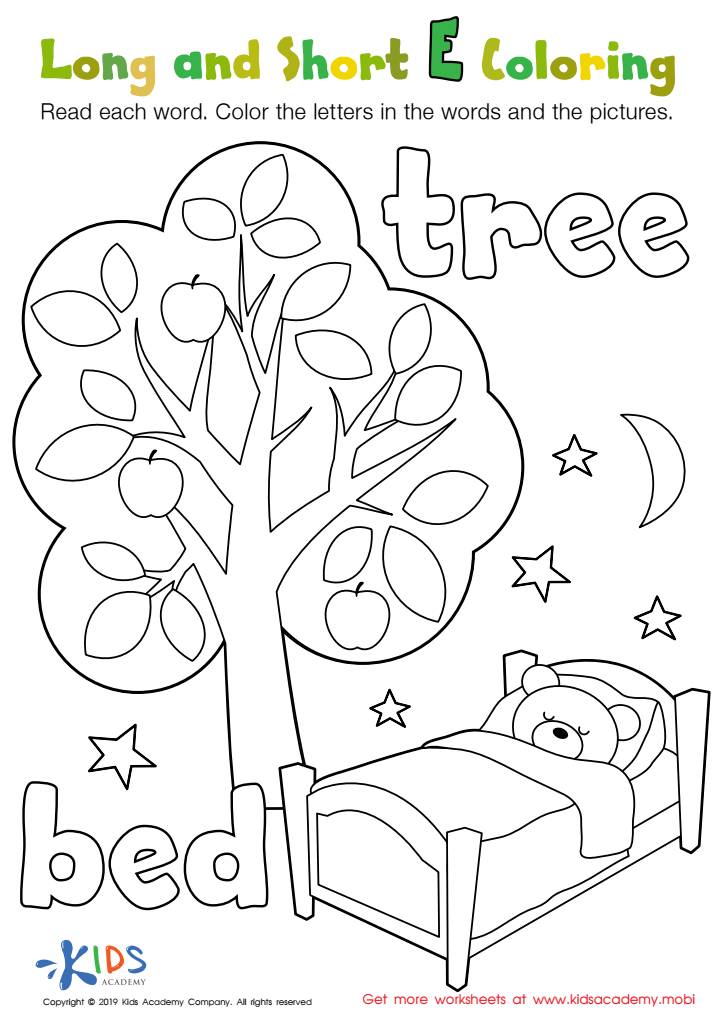
Long and Short E Worksheet
Assign to My Students
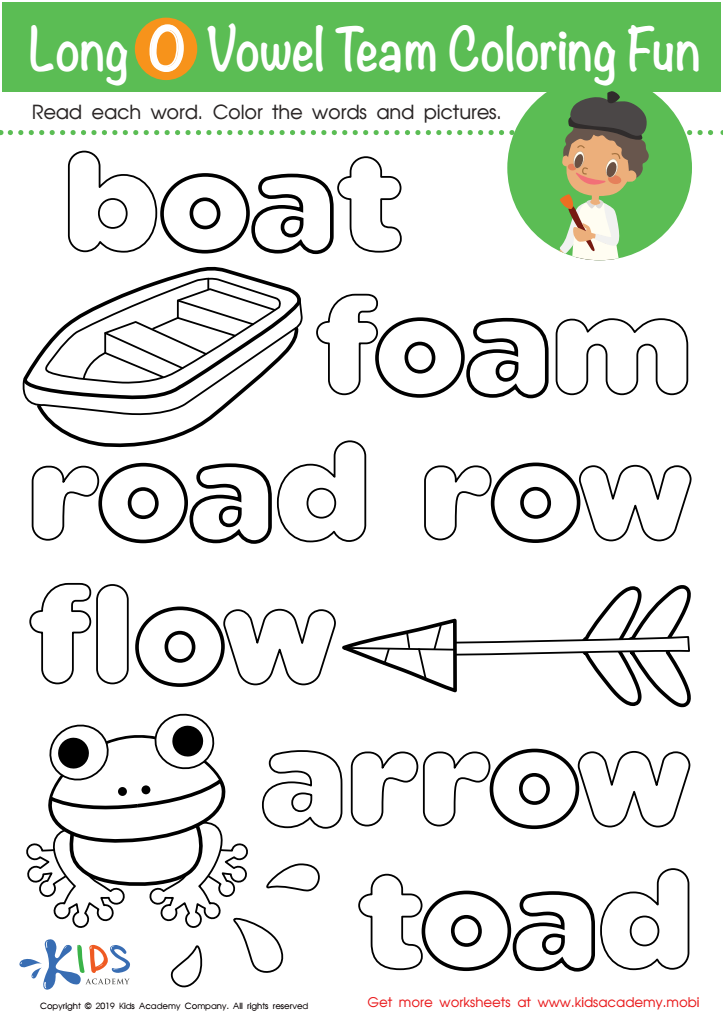
Long O Vowel Team Coloring Worksheet
Assign to My Students




Phonics skills are crucial for children aged 6-7, as they form the foundation of reading and literacy development. At this stage, children begin to make the important transition from learning to read to reading to learn. Mastery of phonics enables them to decode words, thereby enhancing their confidence and fluency.
Research shows that strong phonics skills correlate with improved reading comprehension and overall academic success. Children who struggle with phonics often face challenges not only in reading but also across subjects, leading to frustration and diminished self-esteem.
For parents and teachers, implementation of phonics programs like the Normal Elementary Phonics offers structured and systematic instruction, providing children with the tools they need to recognize letter sounds and patterns. This initiative promotes engagement in language learning and encourages positive attitudes toward reading.
Moreover, elevated phonics skills can bridge the achievement gap, especially for early learners who may be at risk for literacy challenges. By prioritizing phonics education, parents and teachers create a nurturing environment that supports literacy, economic opportunities, and lifelong learning, making it imperative for them to take an active role in this critical aspect of a child’s development.