Cognitive Development Normal Alphabet Worksheets for Ages 6-7
5 filtered results
-
From - To
Boost your child's cognitive skills with our engaging cognitive development alphabet worksheets designed specifically for ages 6-7! These expertly crafted worksheets combine fun with learning, helping young learners enhance their vocabulary, letter recognition, and problem-solving abilities. Each worksheet features stimulating exercises that challenge children to identify letters, match words with images, and engage in creative activities. Our user-friendly format makes it easy for parents and educators to incorporate these resources into daily learning routines. Ideal for home or classroom use, these worksheets will make learning the alphabet an enjoyable experience while fostering essential cognitive growth. Download now to kickstart your child’s journey!
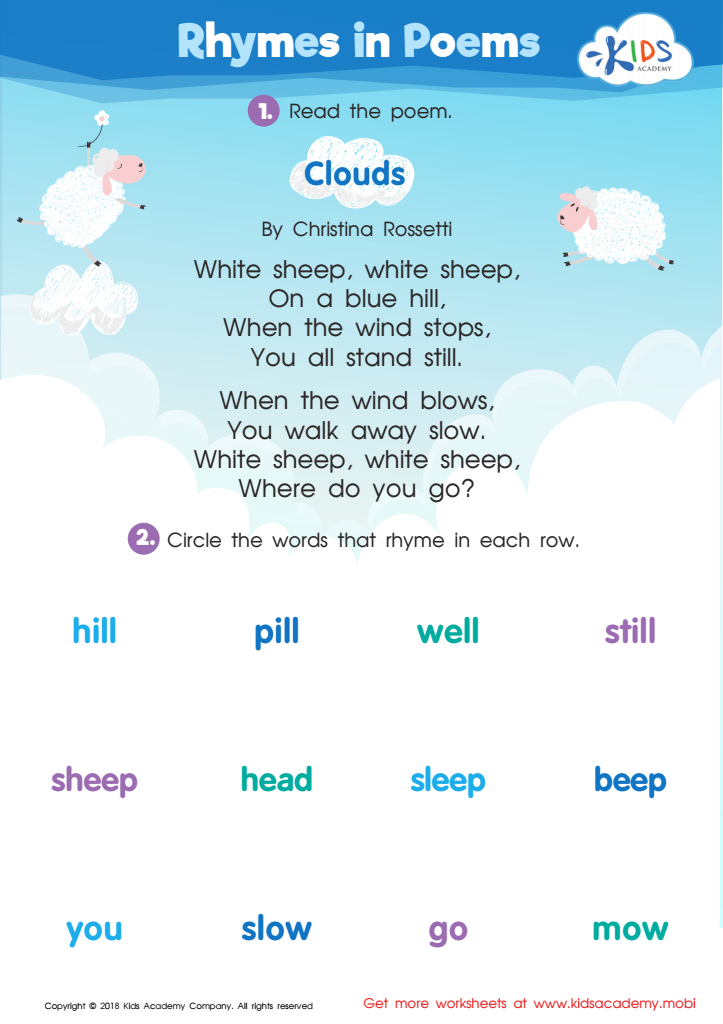
Rhymes in Poems Worksheet
 Assign to My Students
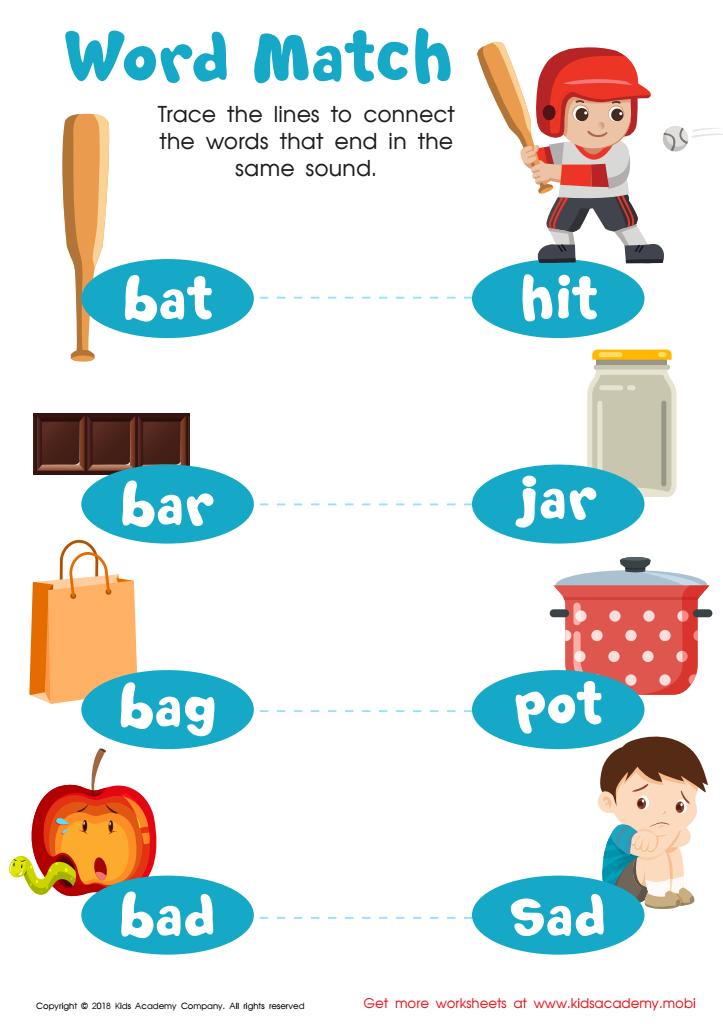
Word Match Reading Worksheet
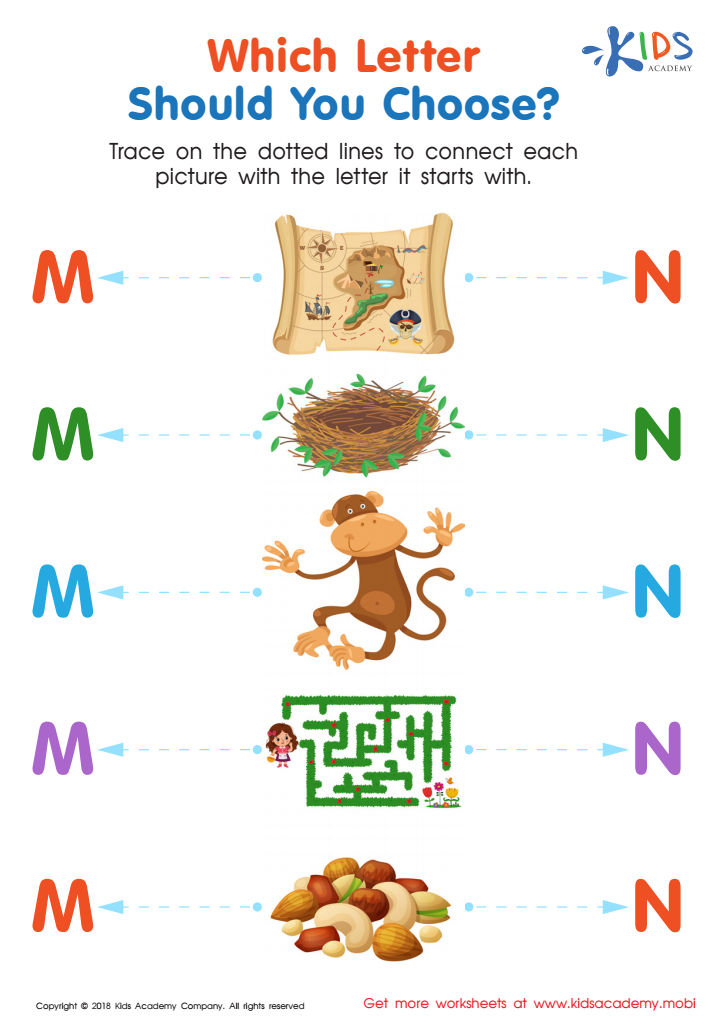
Which Letter Should you Choose? Worksheet
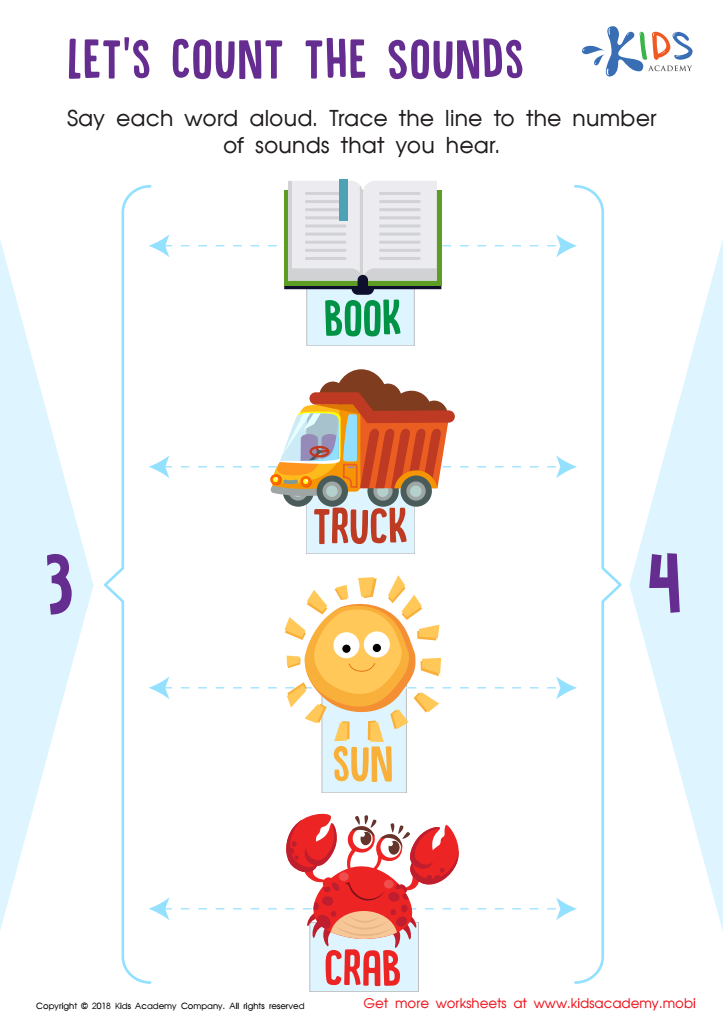
Let's Count the Sounds Worksheet
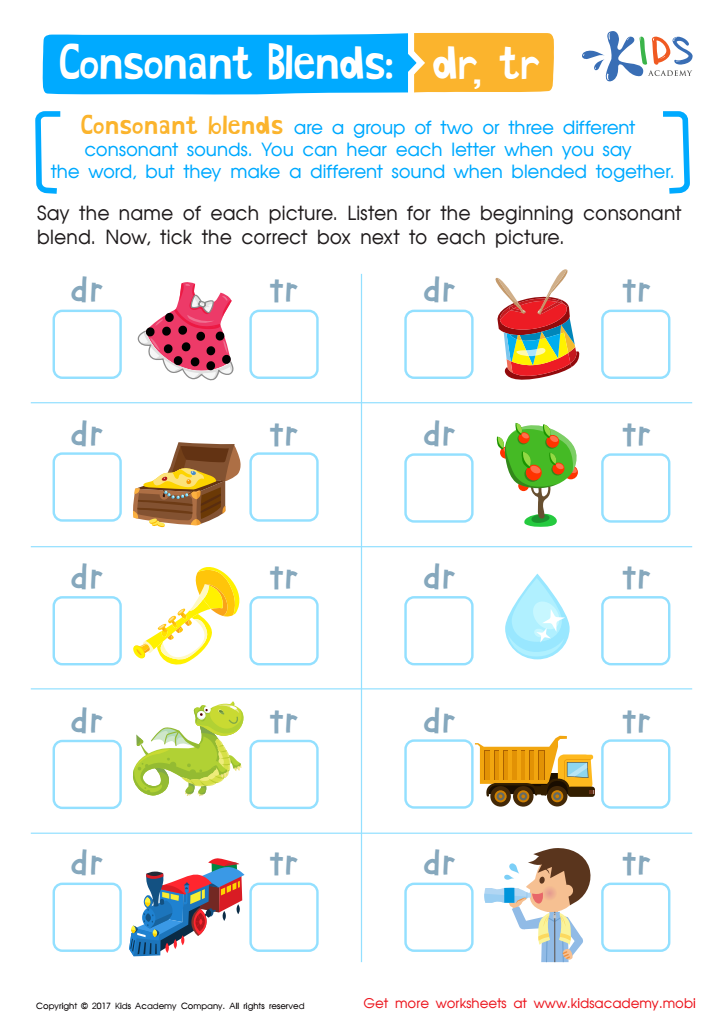
Consonant Blends: "Dr" and "Tr" Printable


.jpg)



Cognitive development in children aged 6-7 revolves around the crucial stages of learning and understanding basic concepts, including letters and sounds within the alphabet. Parents and teachers should prioritize this stage, as it lays the foundation for literacy and overall academic success.
At this age, children begin to decode written language, recognize patterns, and understand the relationship between letters and their corresponding sounds – a skill vital for reading development. Proficient identification and usage of the alphabet not only enhance reading fluency but also foster critical thinking skills as children learn to synthesize information.
Additionally, focusing on cognitive development encourages creativity and problem-solving abilities. As children engage with letters, they learn to compose words, construct sentences, and express their thoughts. This communication skill not only boosts their self-esteem but also allows them to engage more effectively with peers and adults.
Furthermore, strong cognitive development during this stage supports emotional regulation and social skills. Children who can articulate themselves through language are better equipped to navigate their social world. Overall, by prioritizing the cognitive development of the alphabet, parents and teachers can ignite a lifelong love for learning, ensuring children are prepared for future educational challenges.







