Fine Motor Skills Normal Alphabet Worksheets for Ages 6-7 - Page 3
51 filtered results
-
From - To
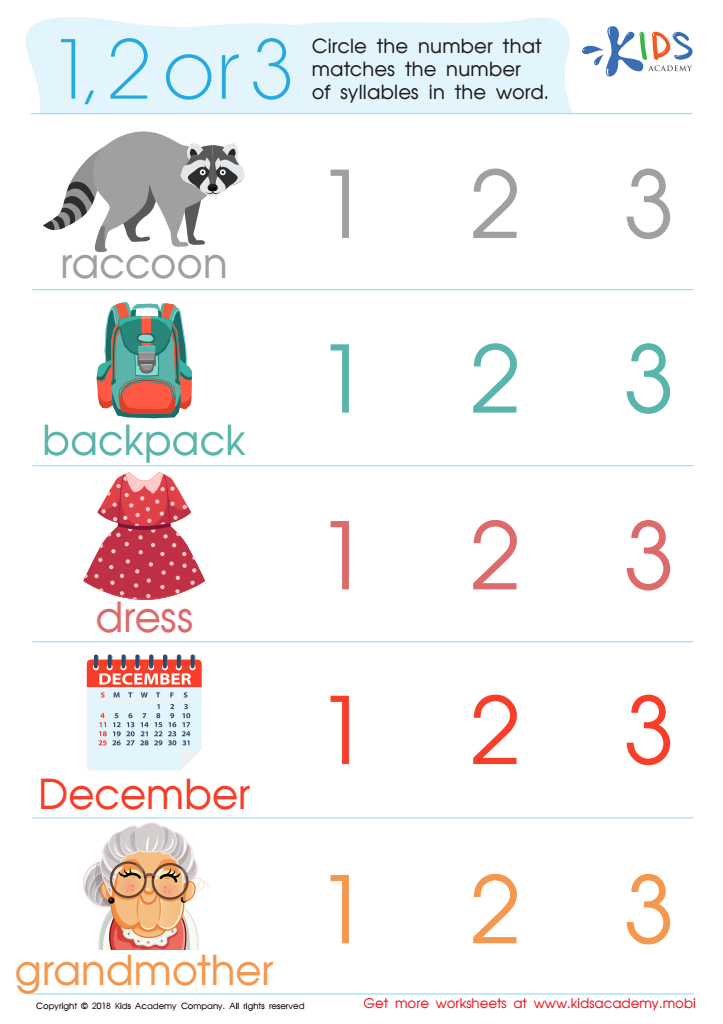
1, 2 or 3? Worksheet
 Assign to My Students

Letter D Tracing Page
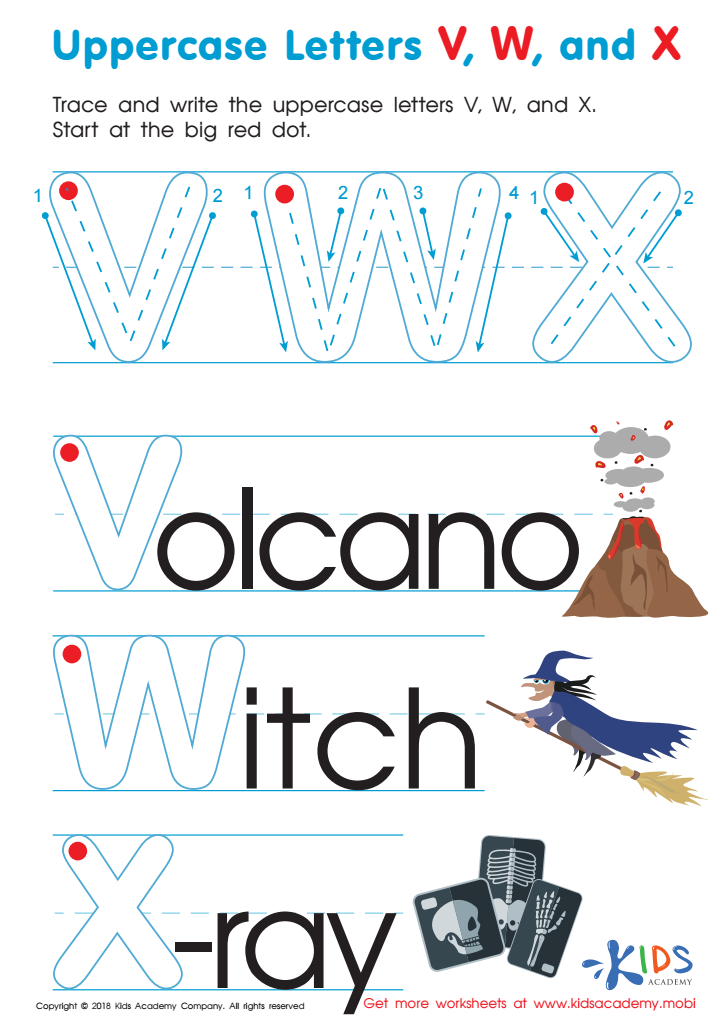
Uppercase Letters V, W, and X Worksheet







Fine motor skills are crucial for children aged 6-7 as they significantly impact their academic success, particularly in writing. At this developmental stage, children are refining their hand-eye coordination and dexterity, which influence their ability to form letters and control writing instruments. Mastering fine motor skills not only enhances their handwriting but also contributes to better spelling and reading comprehension, as the act of writing helps reinforce language learning.
Additionally, strong fine motor skills are foundational for various daily tasks, including using scissors, buttoning shirts, and manipulating small objects. These abilities foster independence and boost a child’s confidence in their capabilities. Teachers and parents must recognize that struggles in fine motor tasks can lead to frustration and potentially hinder a child's enthusiasm for learning. By providing appropriate activities such as cutting, drawing, or playing with small toys, adults can effectively support their child's developmental journey.
Early intervention is vital; fostering fine motor skill development helps to ensure children are equipped with the necessary tools for academic and social success. Ultimately, investing attention in mastering fine motor skills enriches a child's overall education and personal growth, laying the groundwork for future learning and life experiences.







