Letter-sound association Normal Alphabet Worksheets for Ages 6-7
6 filtered results
-
From - To
Boost your child's literacy skills with our engaging Letter-Sound Association Normal Alphabet Worksheets designed for ages 6-7! This resource is perfect for young learners eager to master the connection between letters and their sounds. Our printable worksheets feature interactive activities that encourage exploration, making learning fun and effective. As children practice identifying letter sounds and associating them with words, they'll build a strong foundation for reading and writing. With a variety of exercises tailored to different learning styles, these worksheets foster critical thinking and boost confidence. Start your child's journey to literacy success today with these essential learning tools!
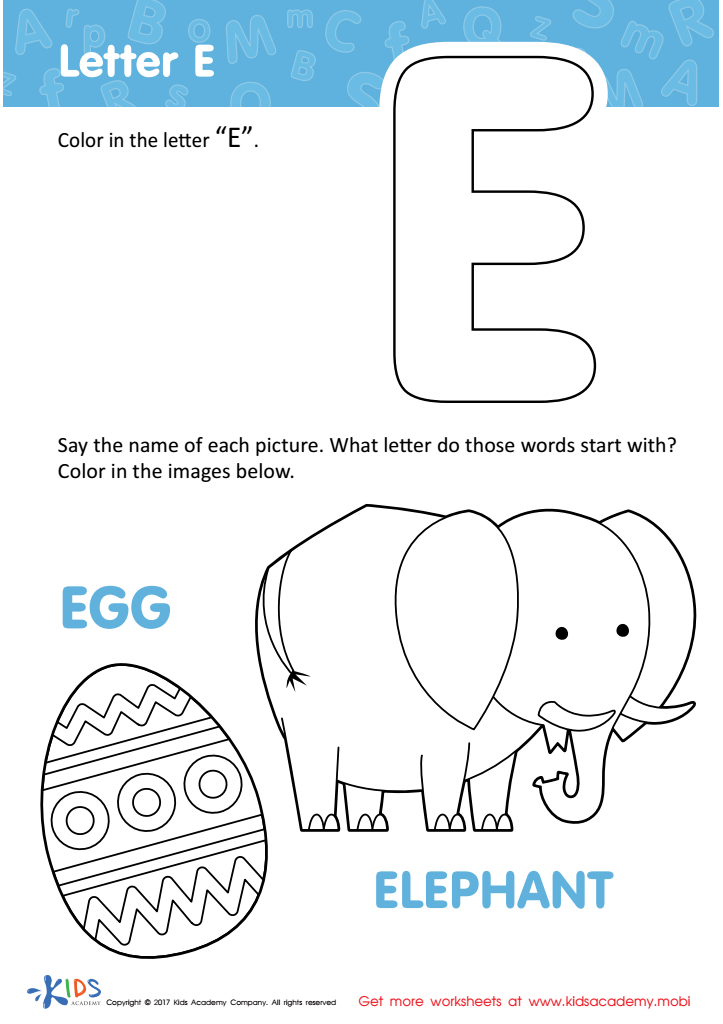
Letter E Coloring Sheet
 Assign to My Students
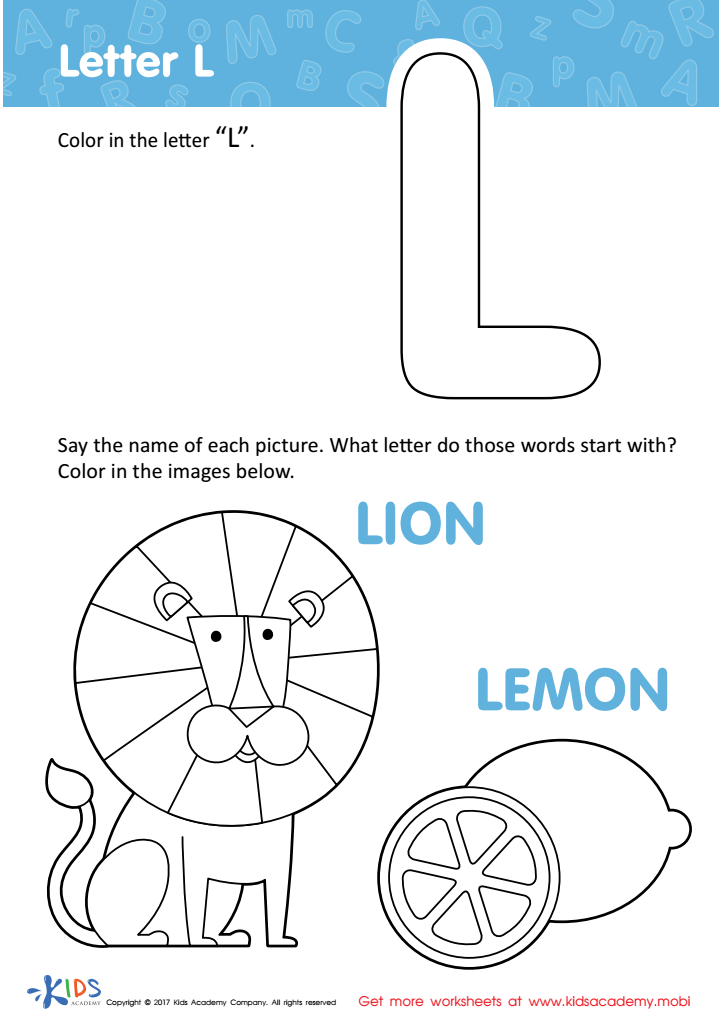
Letter L Coloring Sheet
Assign to My Students
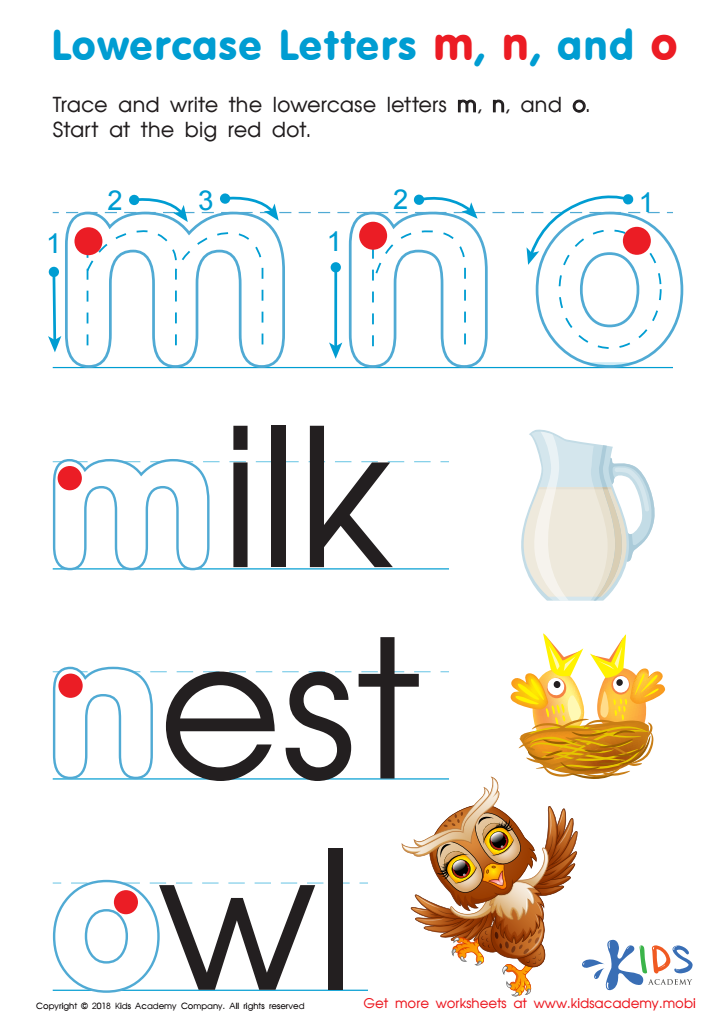
Lowercase Letters m n o Worksheet
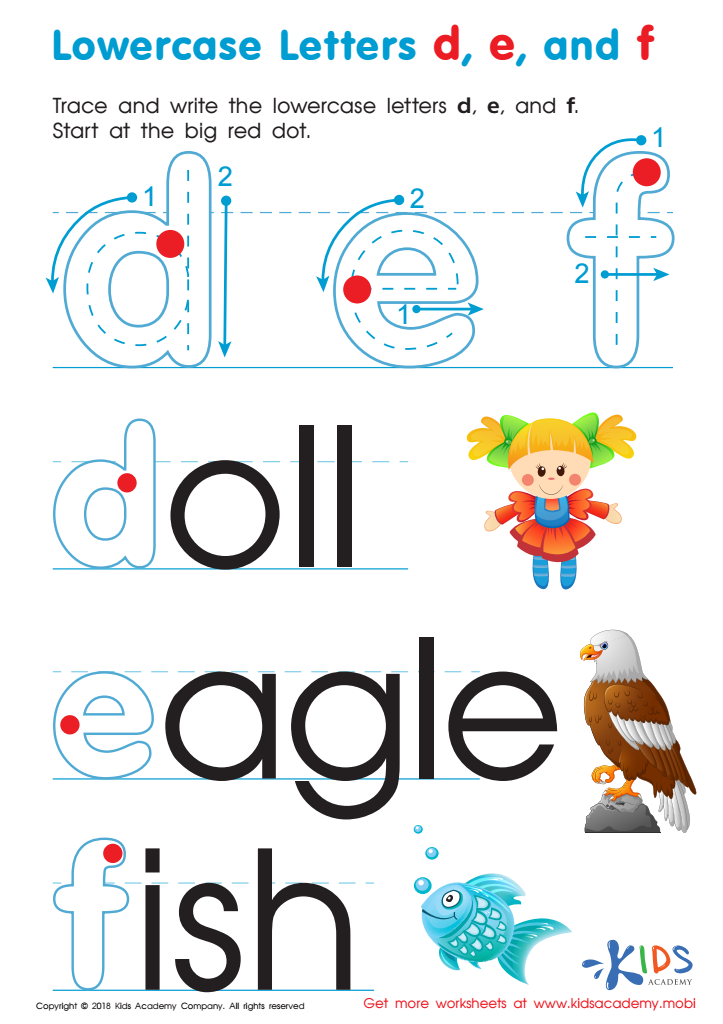
Lowercase Letters d e f Worksheet
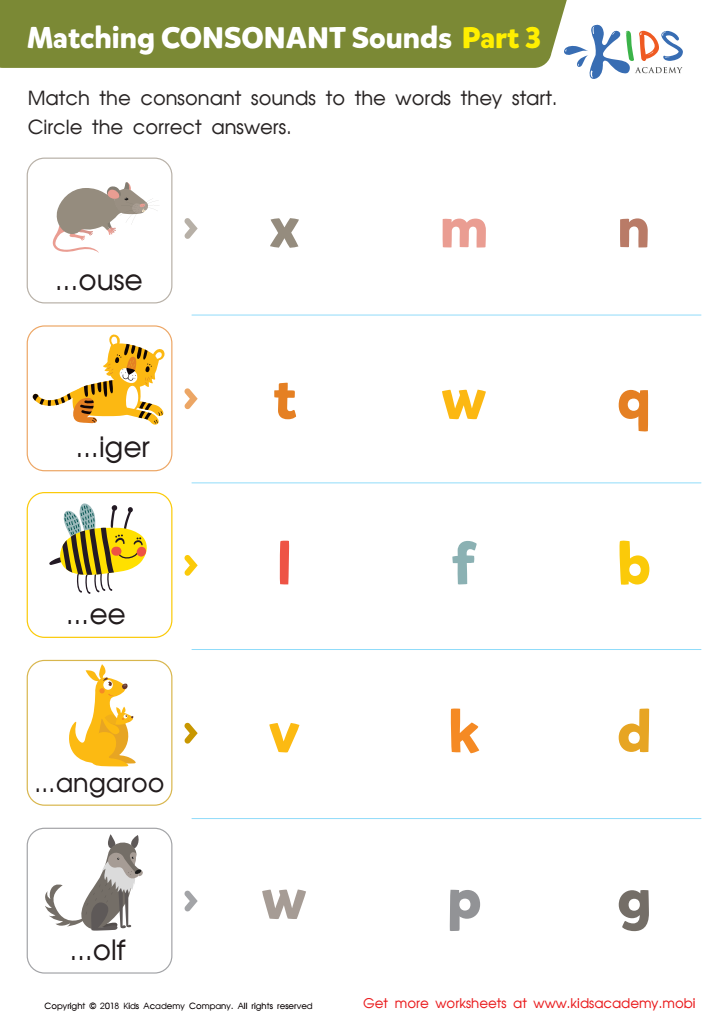
Matching Consonant Sounds: Part 3 Worksheet
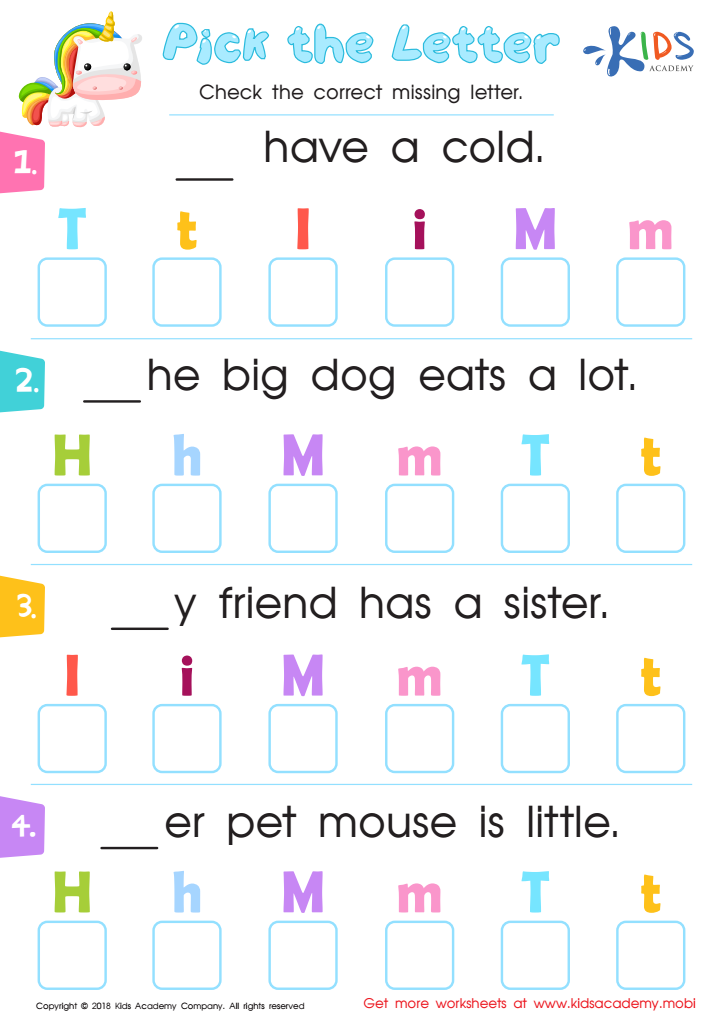
Pick the Letter Worksheet







.jpg)
Letter-sound association is crucial for children aged 6-7 as it forms the foundation for their reading and writing skills. At this stage, children are beginning to decode words and understand the relationship between letters and their corresponding sounds, which is essential for phonics instruction. This skill not only aids in reading fluency but also enhances comprehension and vocabulary development.
When parents and teachers prioritize letter-sound association, they help children make sense of text and communicate effectively. Children who grasp these concepts are more likely to become confident readers and writers, which positively impacts their academic success across all subjects. Additionally, children with strong letter-sound knowledge are better equipped to tackle spelling and language mechanics, facilitating their overall language acquisition.
Moreover, fostering this understanding at an early age can instill a love for reading. Engaging in playful activities that involve letter sounds, such as songs, games, and interactive readings, creates a positive learning environment. These strategies motivate children to explore language further, making them more eager participants in their learning journey. Parents and teachers have a shared responsibility to nurture these foundational skills, ensuring that children become proficient, confident learners who are prepared for future academic challenges.







