Sound recognition Normal Alphabet Worksheets for Ages 6-7
11 filtered results
-
From - To
Unlock your child's potential with our Sound Recognition Normal Alphabet Worksheets, specially designed for ages 6-7! These engaging printables help young learners connect letters to their corresponding sounds, fostering essential phonetic skills. Featuring colorful illustrations and interactive activities, our worksheets make learning enjoyable and effective. Your child will explore sound recognition through fun exercises that improve their vocabulary and reading fluency. Perfect for both classroom and at-home use, these resources support early literacy development and instill a love for learning. Give your child the tools they need to succeed in reading with our carefully crafted worksheets today!
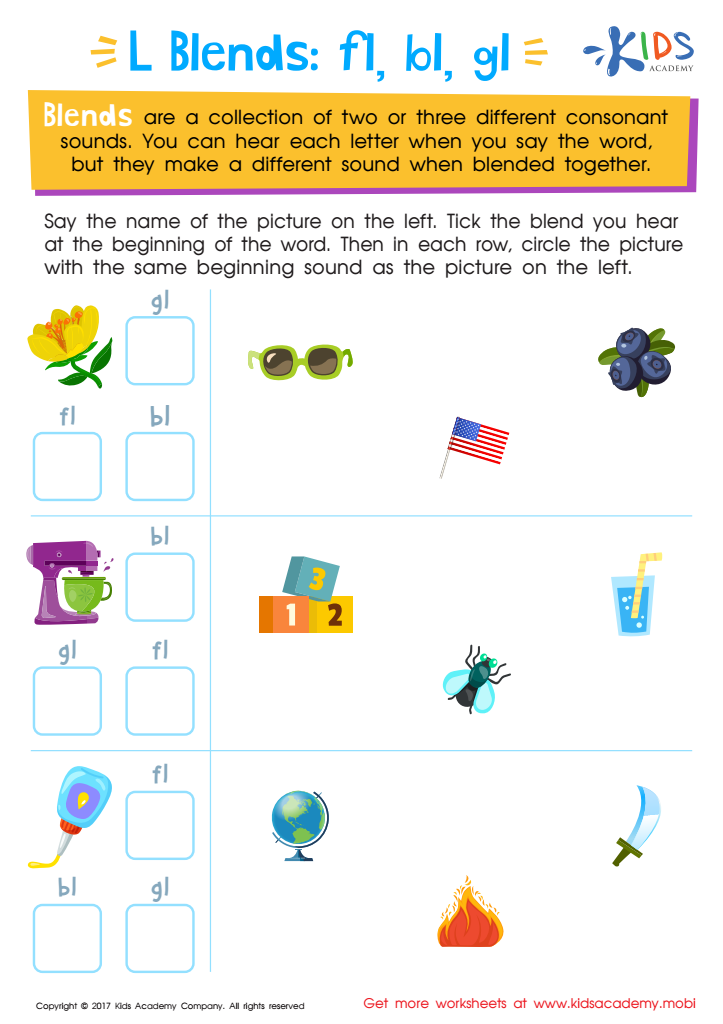
Blending Consonants: "Fl", "Bl" and "Gl" Printable
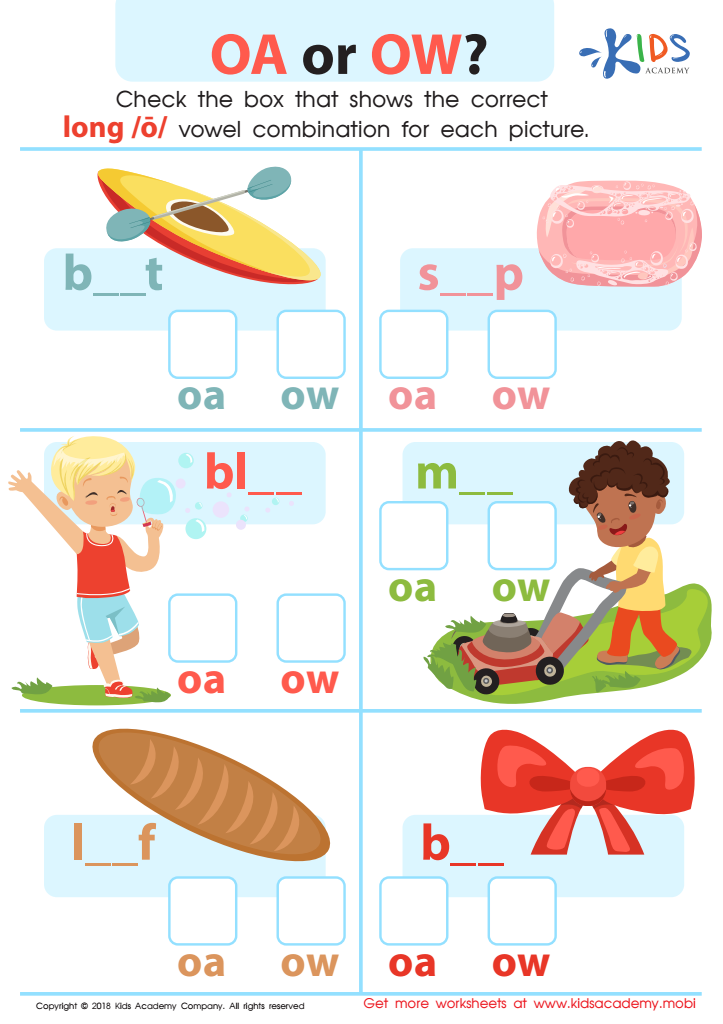
Reading: OA or OW Worksheet
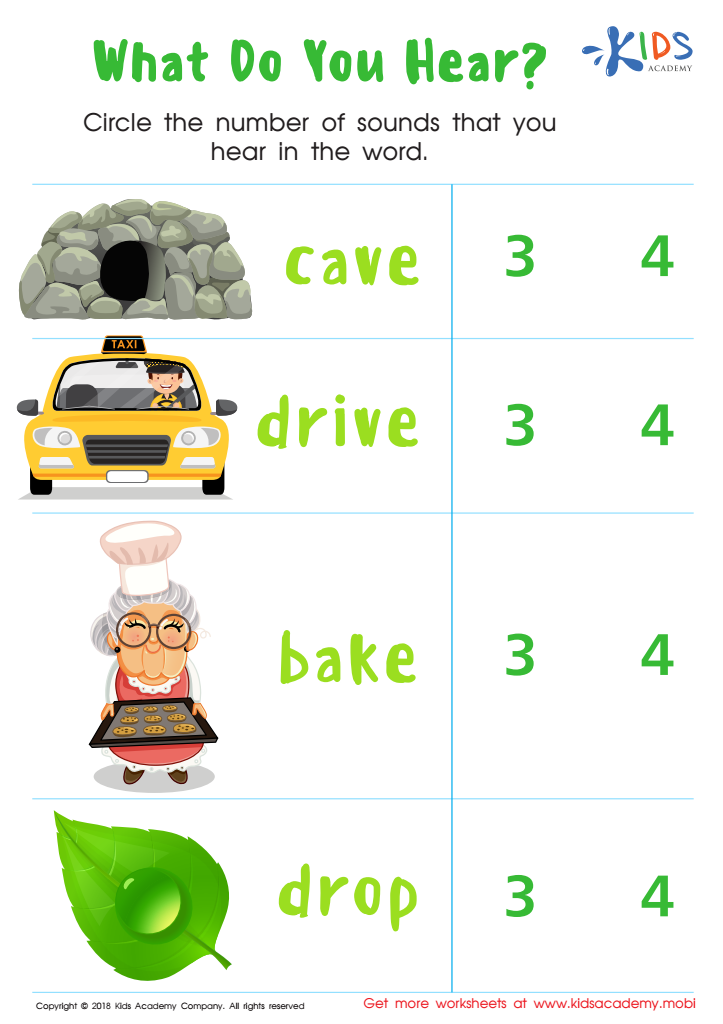
What Do You Hear? Worksheet

Rhyming Words Rhyming Worksheet
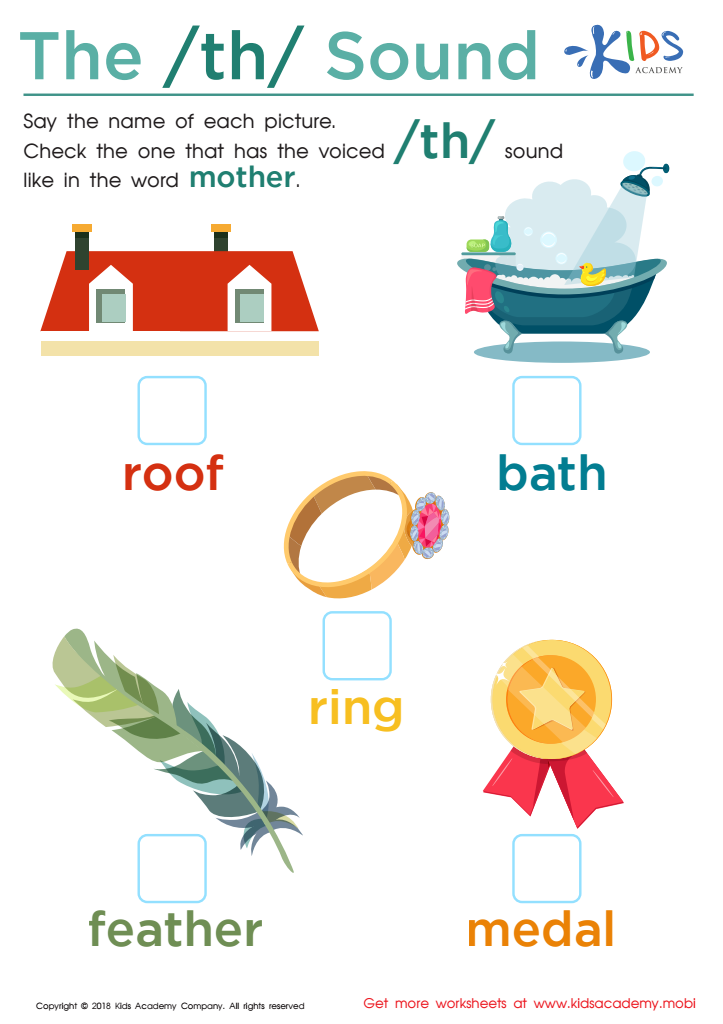
The /th/ Sound Worksheet
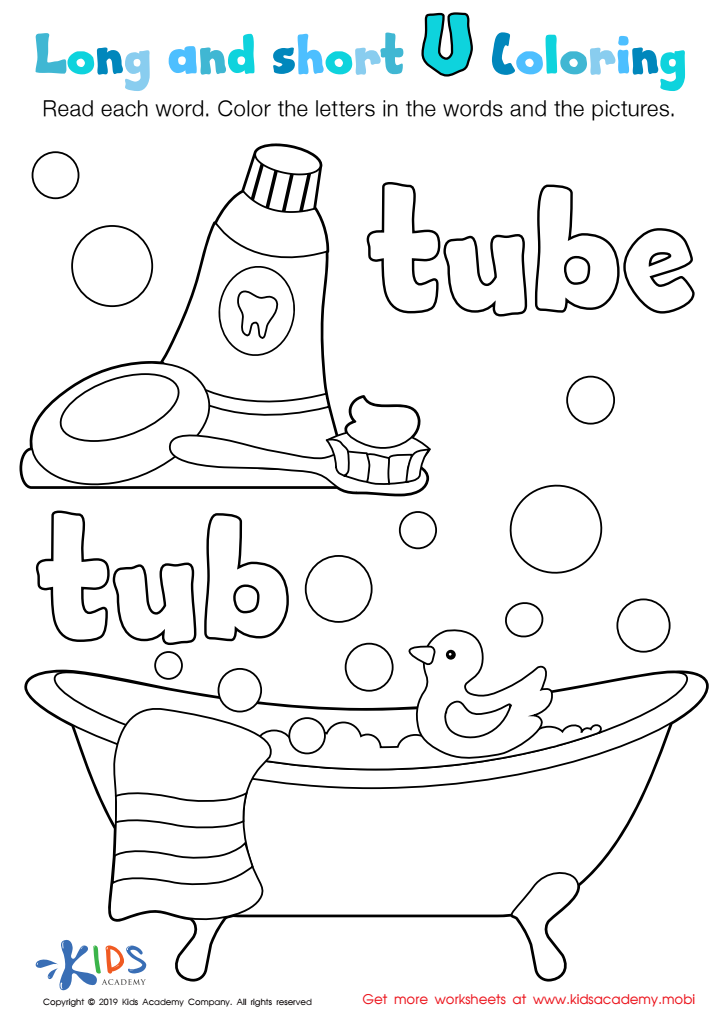
Long and Short U Worksheet
 Assign to My Students
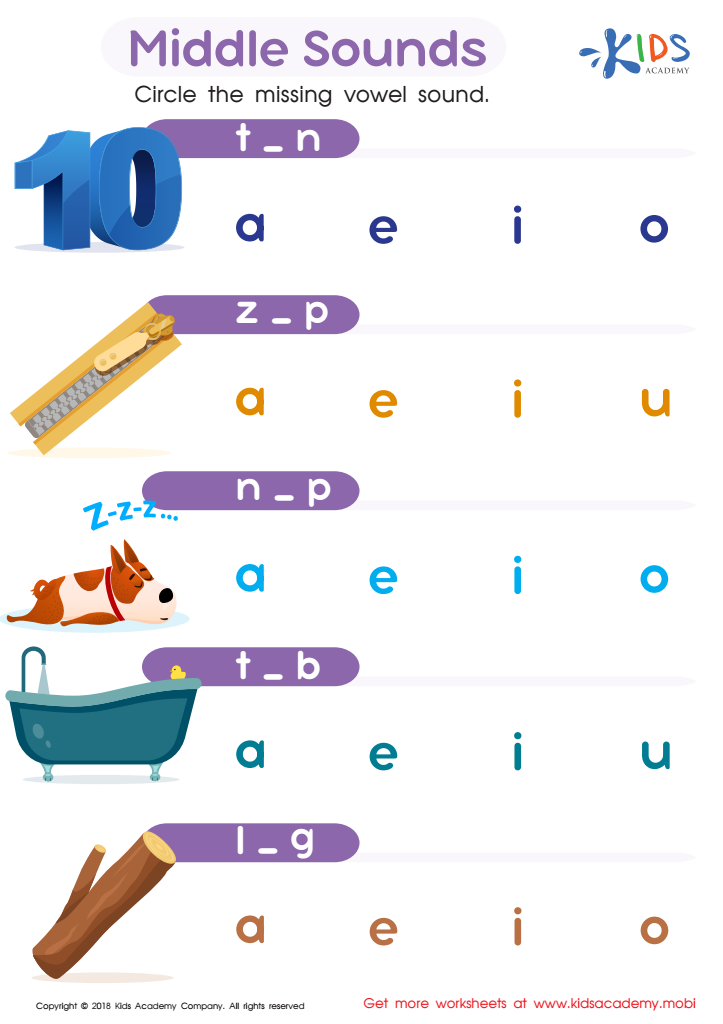
Middle Sounds Worksheet

First Words: Picture Rhymes Worksheet
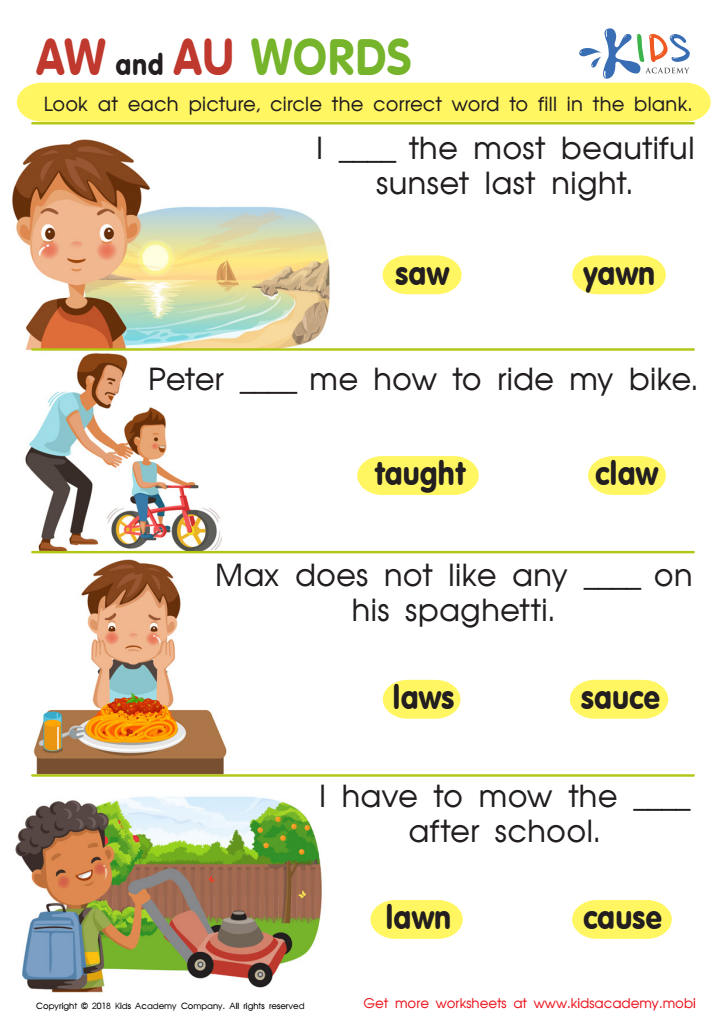
Reading: AW and AU Words Worksheet
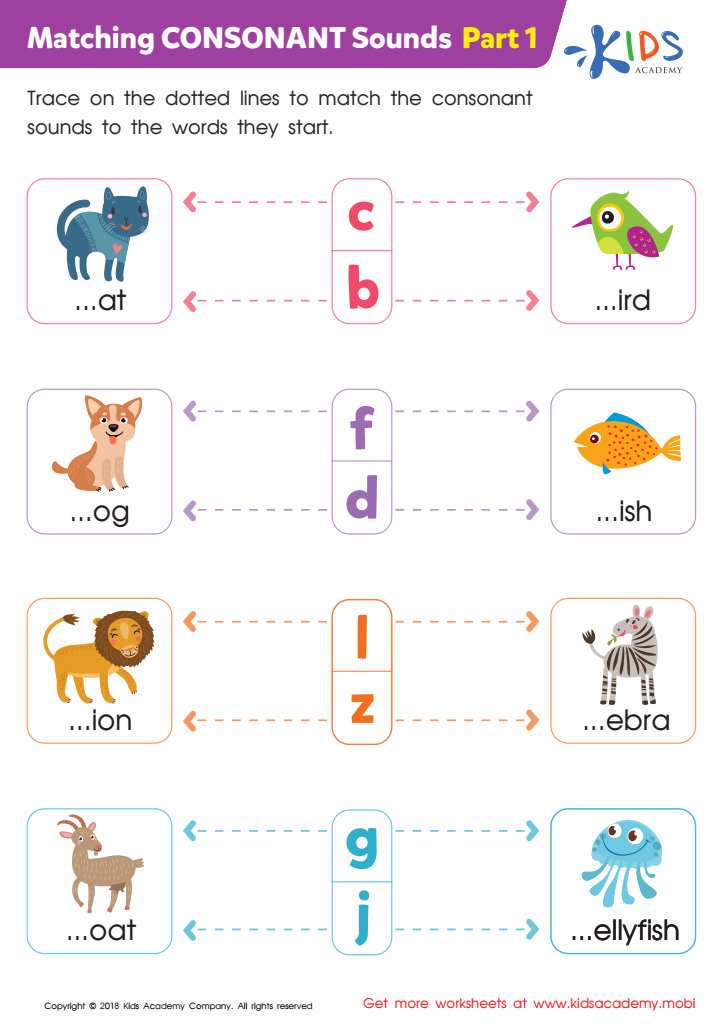
Matching Consonant Sounds: Part 1 Worksheet
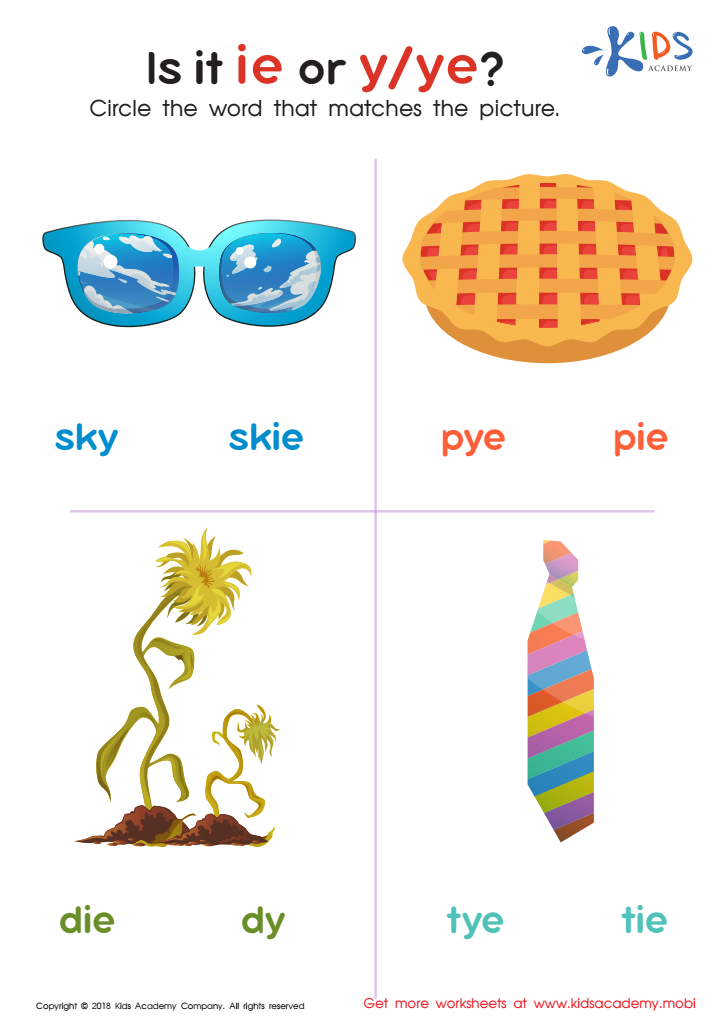
Is It IE or Y/Ye? Worksheet








Sound recognition of normal alphabet letters is crucial for children aged 6-7, and it's paramount that parents and teachers recognize its importance. At this developmental stage, children are developing foundational literacy skills that will serve as the pillars for their future reading and writing abilities. Understanding how each letter sounds—phonemic awareness—enables children to decode words effectively, fosters their reading fluency, and boosts their confidence in using language.
When children recognize letter sounds, they begin to blend these sounds to form words, facilitating early reading experiences. Moreover, this skill serves as a bridge to spelling development; children who are adept at sound recognition can better articulate words when writing.
Encouraging sound recognition also encompasses broader cognitive benefits, as it enhances critical thinking and problem-solving skills. Interactive games, songs, and relatable activities can make learning engaging, allowing for easy reinforcement at home and in the classroom.
Additionally, sound recognition is often linked to academic achievement. By emphasizing its importance, parents and teachers can ensure that children have a robust start in their educational journey, paving the way for proficient communication skills that will be indispensable throughout their lives. Early intervention and support can make a significant difference in a child's learning trajectory.







