Spelling improvement Normal Phonics Worksheets for Ages 6-7
5 filtered results
-
From - To
Enhance your child's spelling skills with our engaging Spelling Improvement Normal Phonics Worksheets, specially designed for ages 6-7. These worksheets incorporate lively phonics activities that promote letter recognition, decoding, and spelling proficiency in young learners. Our resources foster a fun learning experience, helping children grasp fundamental spelling rules while building their confidence in writing. Each worksheet is age-appropriate and aligned with educational standards, ensuring that your child develops literacy skills that will last a lifetime. Explore our extensive collection to find worksheets tailored to various learning styles, making spelling practice enjoyable and effective. Empower your child's spelling journey today!
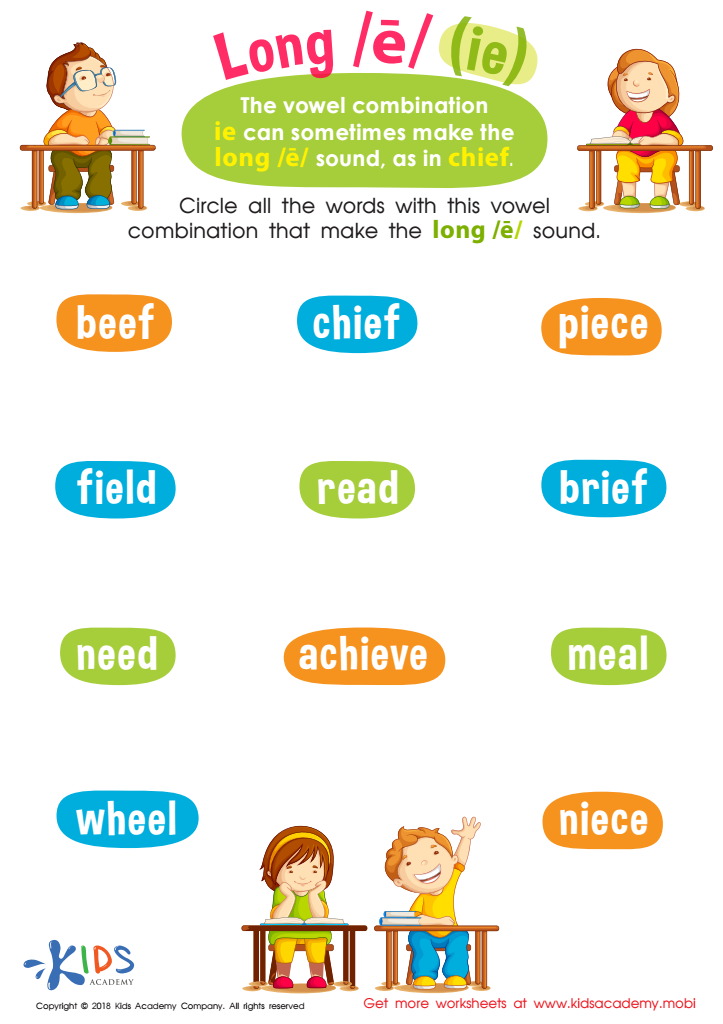
Reading: Long E and IE Worksheet
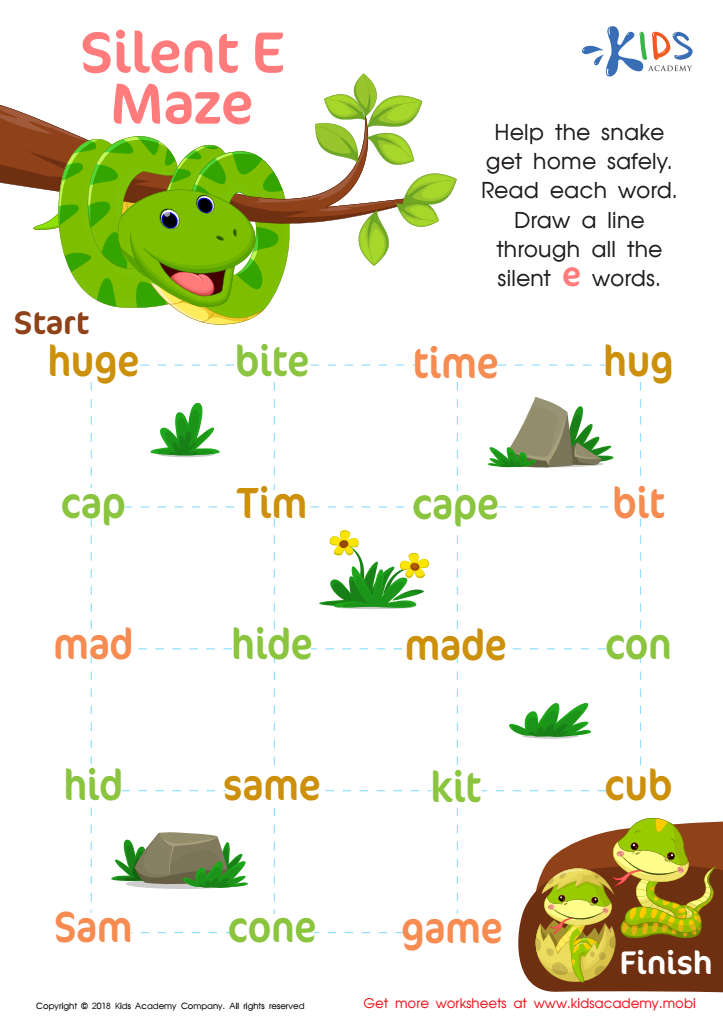
Silent E Maze Worksheet
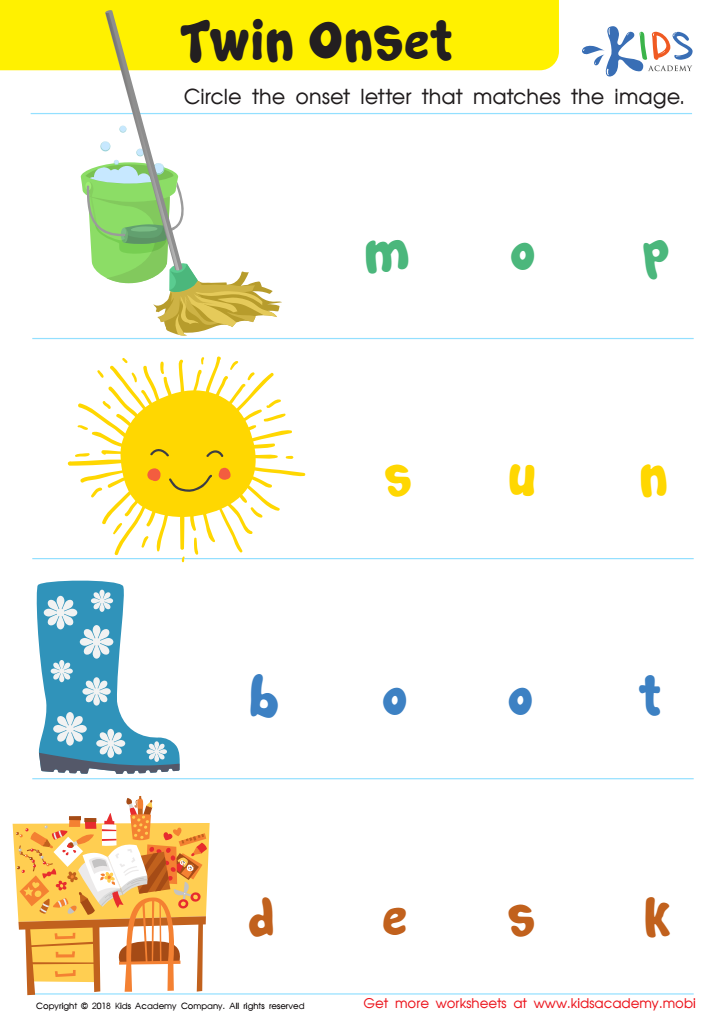
Twin Onset Worksheet
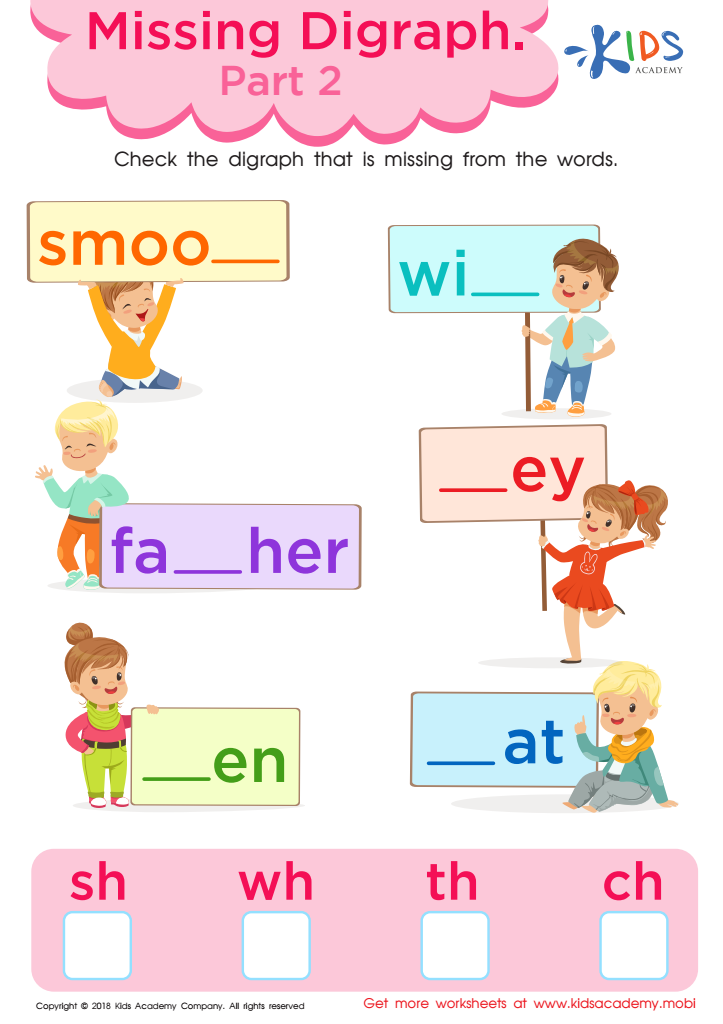
Missing Digraph: Part 2 Worksheet
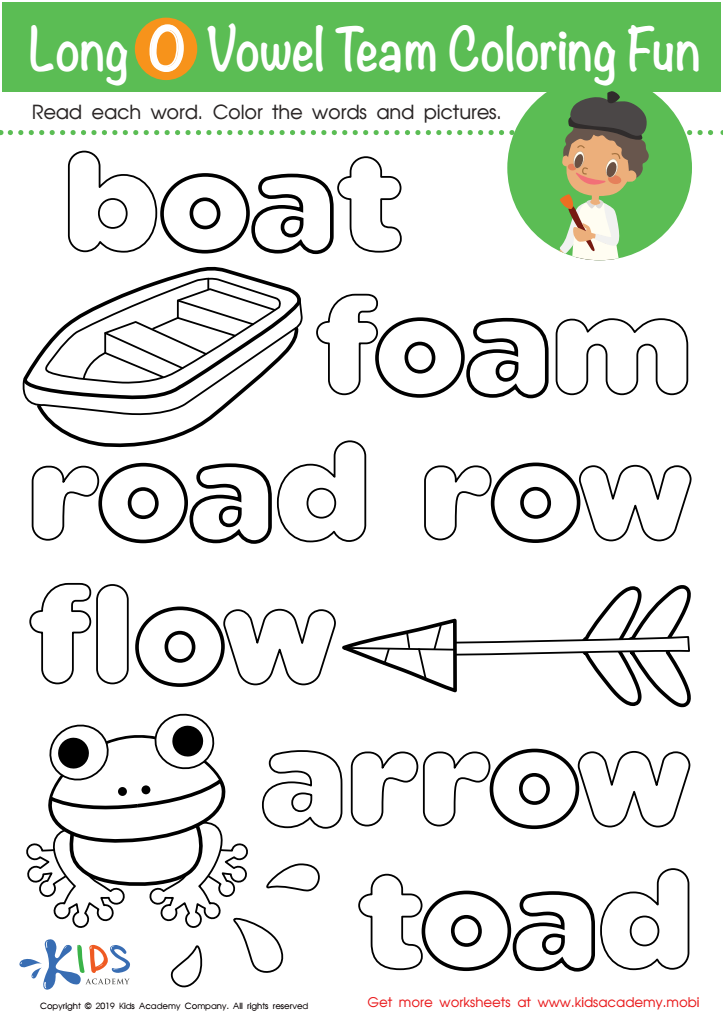
Long O Vowel Team Coloring Worksheet
 Assign to My Students








Spelling improvement through phonics is crucial for children aged 6-7 as it lays the foundational skills for reading and writing. At this age, children are developing their language abilities, and a strong grasp of phonics directly enhances their literacy skills. Phonics teaches children how sounds connect to letters, enabling them to decode words accurately. This understanding not only boosts their spelling but also enhances their ability to read fluently over time.
Moreover, as children become proficient in spelling through phonics, their confidence grows, encouraging them to explore writing independently. This autonomy fosters creativity and self-expression, essential for their overall development. Spelling plays a vital role in effective communication and can affect a child's academic performance across subjects as they progress in school.
Parents and teachers should prioritize phonics spelling strategies to support children’s literacy journey. By integrating engaging phonics activities, they can make learning fun and effective. Investing in phonics further assists children in navigating a literacy-rich world, ultimately preparing them for future academic success. In summary, improved spelling through phonics not only influences early literacy but also contributes significantly to a child’s self-esteem and long-term learning.







