Alphabet tracing Normal Tracing Letters Worksheets for Ages 6-7
5 filtered results
-
From - To
Our Alphabet Tracing Normal Tracing Letters Worksheets for Ages 6-7 foster essential handwriting skills for young learners. Specially designed for children in this age group, our engaging worksheets aid in letter recognition, proper pencil grip, and fine motor skill development. Each tracing worksheet features clearly marked letters and guide lines, ensuring kids learn to write both uppercase and lowercase letters with accuracy. Through consistent practice, young learners will build confidence and improve their writing fluency. Perfect for classroom and at-home practice, our worksheets make learning the alphabet fun and effective. Download and print today for endless educational adventures!
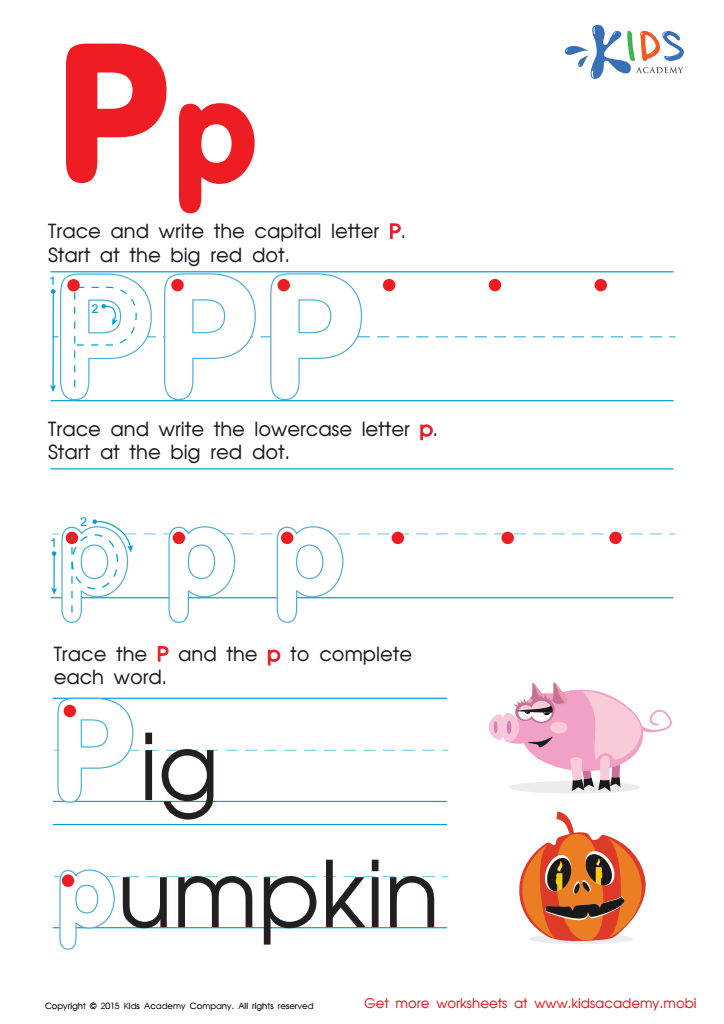
Letter P Tracing Page
 Assign to My Students
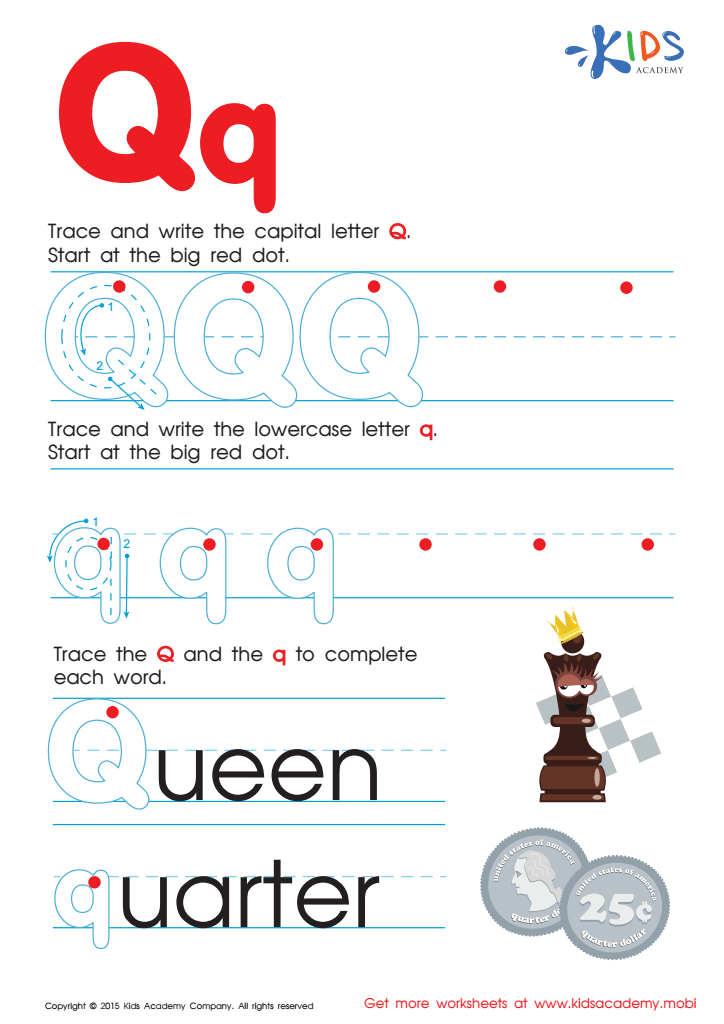
Letter Q Tracing Page
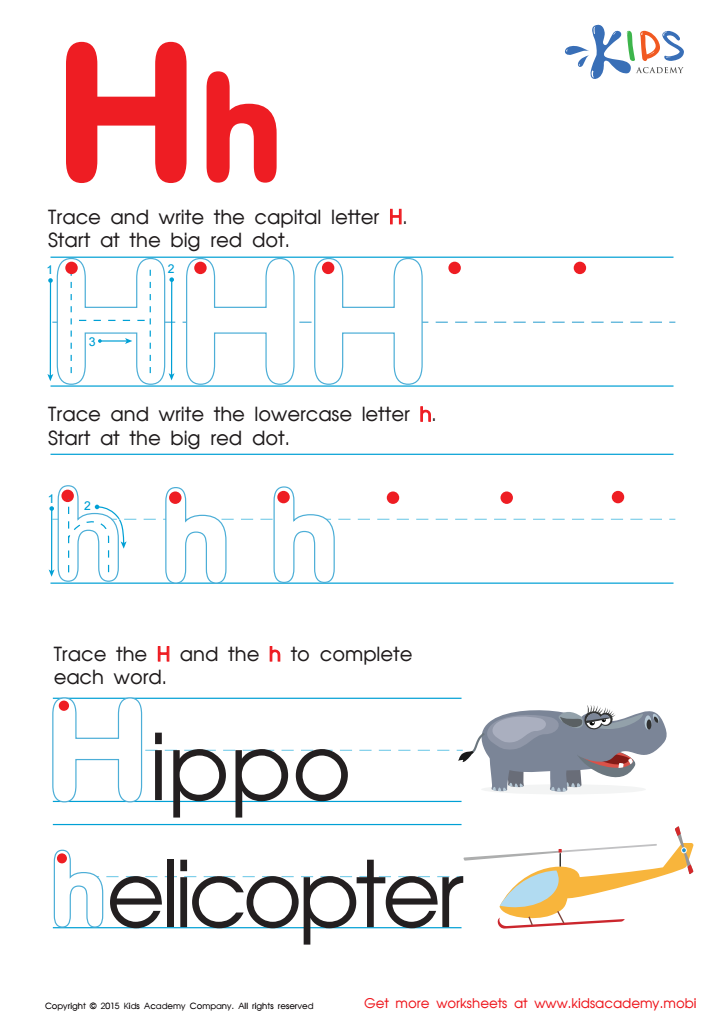
Letter H Tracing Page
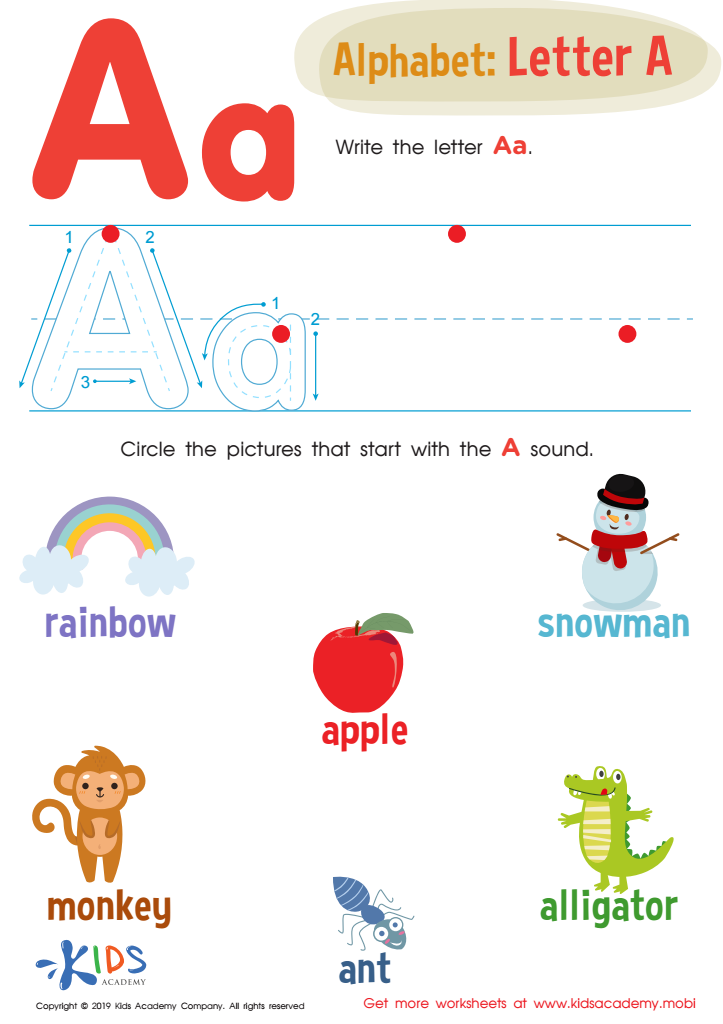
Letter A Tracing Worksheet
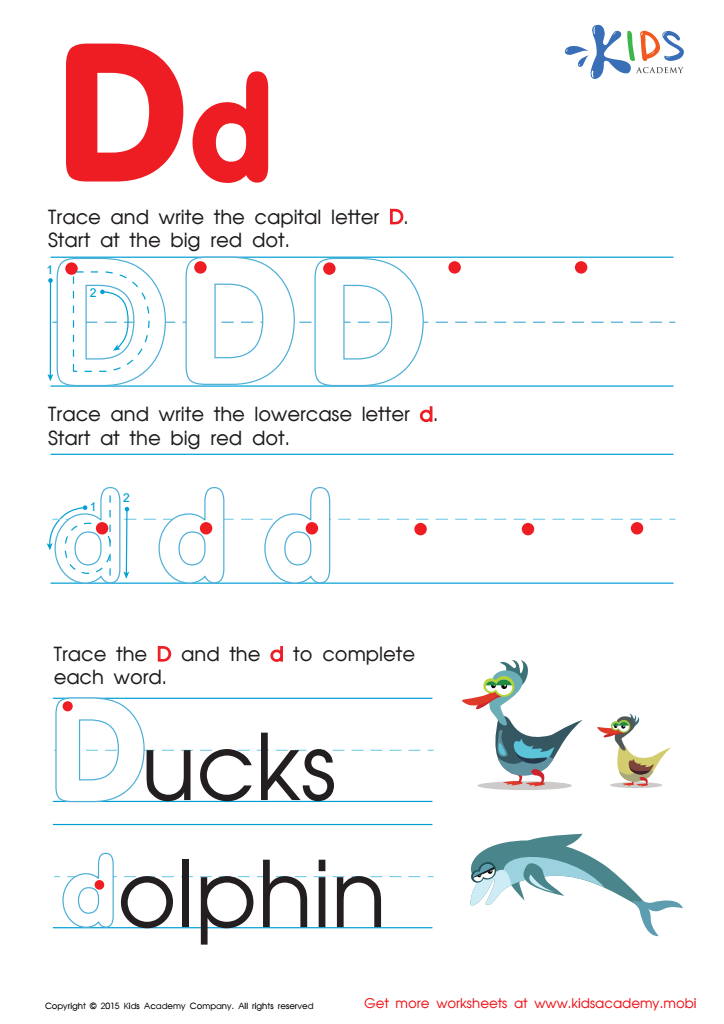
Letter D Tracing Page








Alphabet tracing is an essential activity for young children, particularly for those aged 6-7, as it lays the crucial building blocks for their literacy and fine motor skills development. At this formative age, children's hands and fingers are still gaining dexterity and strength, and the repetitive motion of tracing letters helps to build muscle memory needed for fluent writing. By practicing tracing, children develop better hand-eye coordination and spatial awareness, which are vital for writing accurately and neatly.
Furthermore, the repetitive nature of alphabet tracing reinforces familiarity with letter shapes and sounds, seamlessly integrating both visual and kinesthetic learning. This repetition can significantly help children who struggle with letter recognition, making it easier for them to develop reading skills. Recognizing and remembering the shapes and sounds of letters are foundational literacy skills that directly influence reading comprehension and writing abilities.
For teachers and parents, promoting alphabet tracing is also an avenue for fostering patience, attention to detail, and concentration in young learners. These skills are transferable to other areas of learning and personal development. Additionally, positive reinforcement during tracing activities can boost children's confidence and enjoyment of literacy tasks, establishing a solid, enthusiastic base for future educational endeavors. Given its myriad benefits, consistent alphabet tracing practice should be a foundational component of early childhood education.








