Alphabet Recognition Normal Upper & Lowercase Letters Worksheets for Ages 6-7
19 filtered results
-
From - To
Enhance your child's alphabet recognition skills with our engaging worksheets designed for ages 6-7! Our "Alphabet Recognition Normal Upper & Lowercase Letters" worksheets provide an interactive and fun learning experience, helping young learners identify and differentiate between uppercase and lowercase letters. Perfect for classroom and home use, these worksheets feature a variety of activities, including tracing, matching, and coloring, tailored to boost confidence and reinforce letter recognition. By using these resources, your child will develop essential reading and writing skills, laying a strong foundation for their literacy journey. Download now and watch your child thrive as they explore the world of letters!
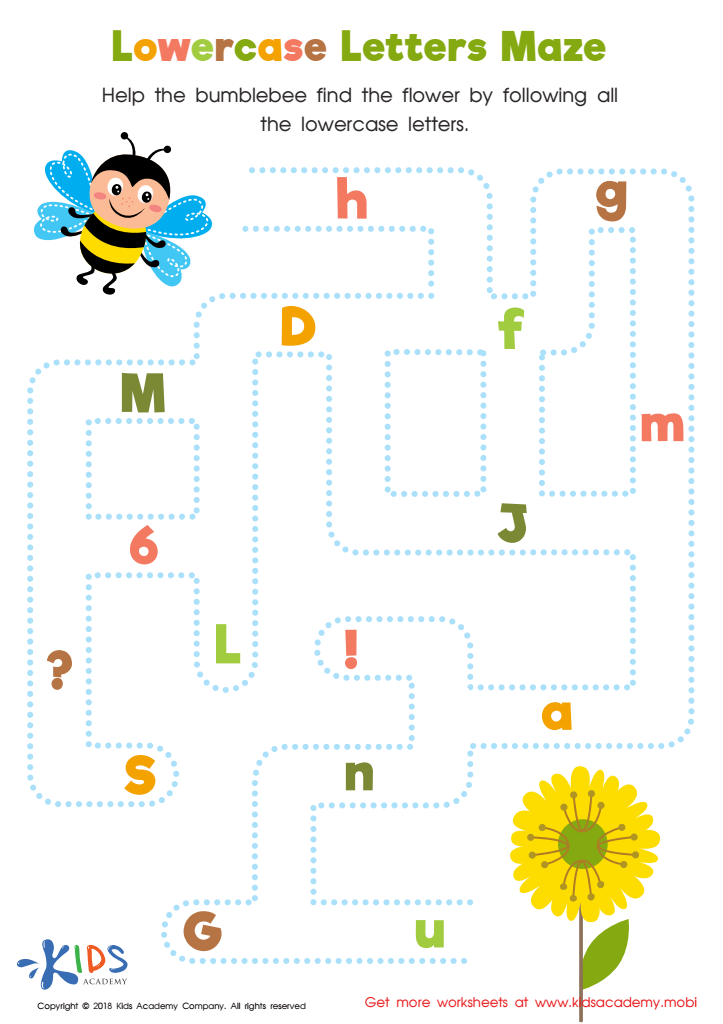
Lowercase Letters Maze Worksheet
 Assign to My Students
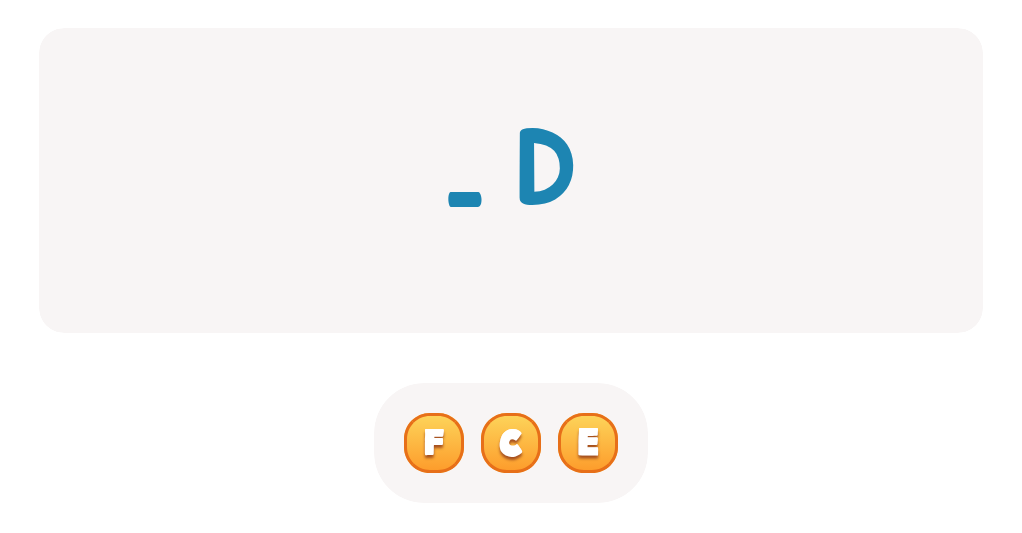

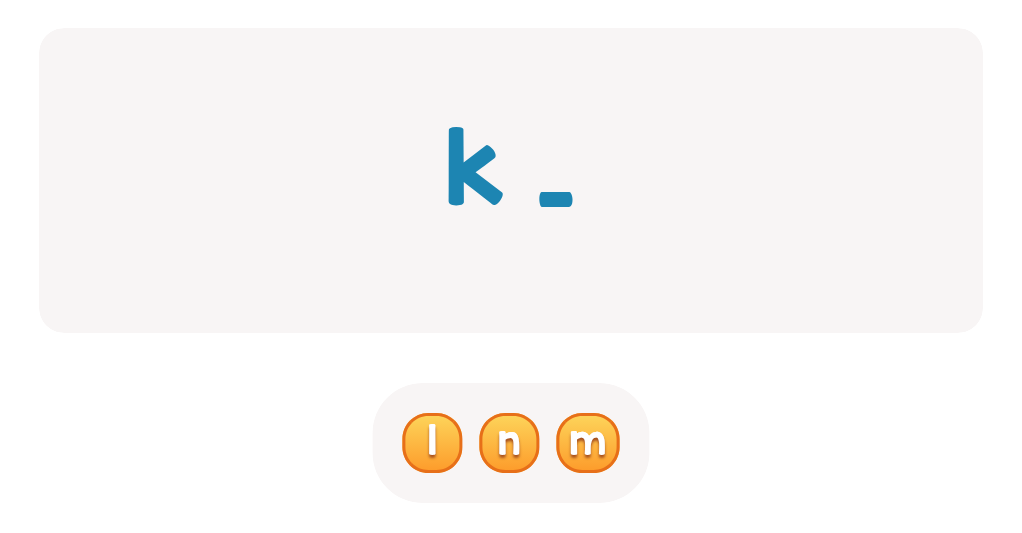
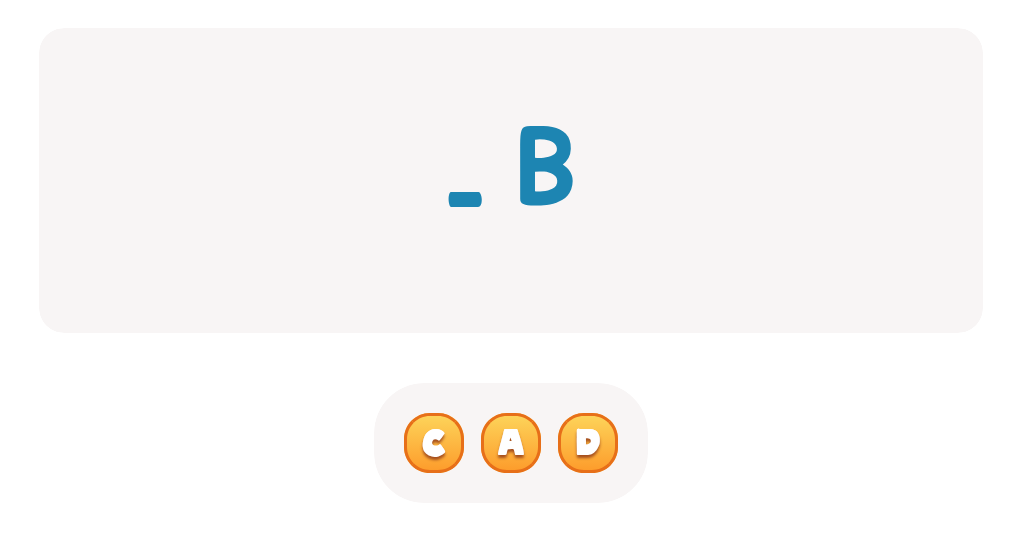
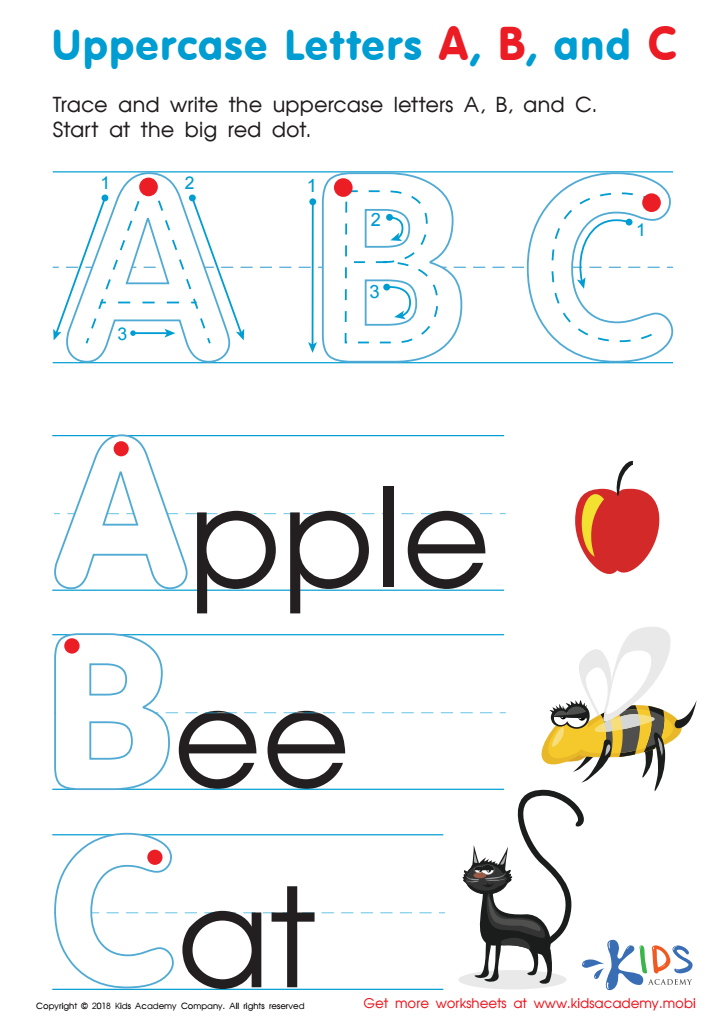
Uppercase Letters A, B, and C Worksheet
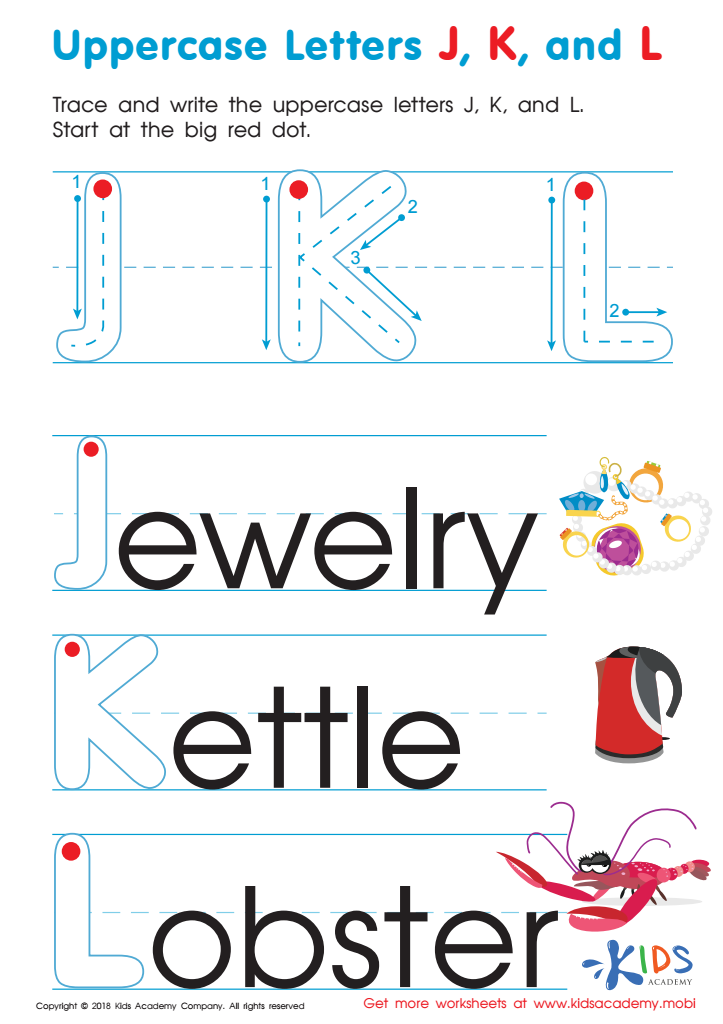
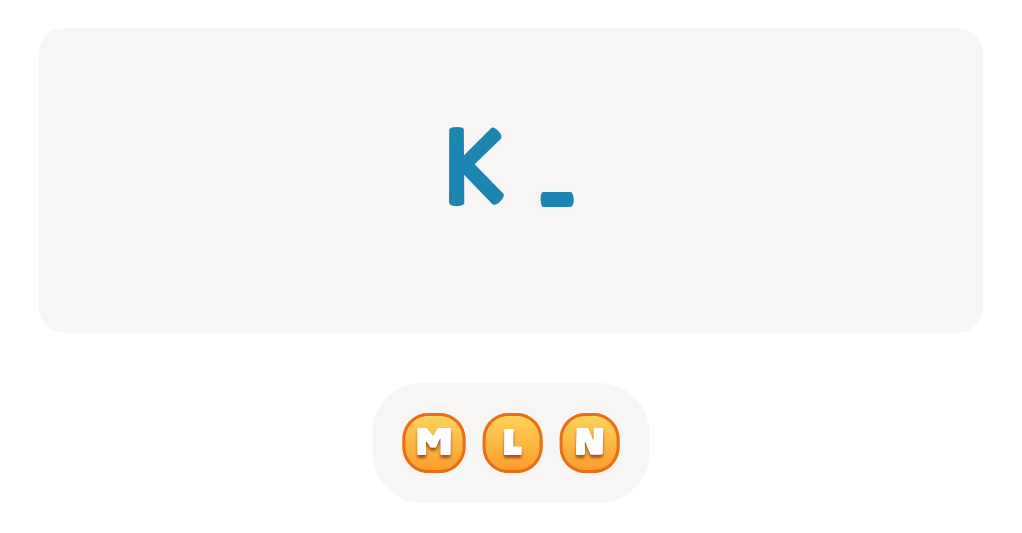
Uppercase Letters J, K, and L Worksheet
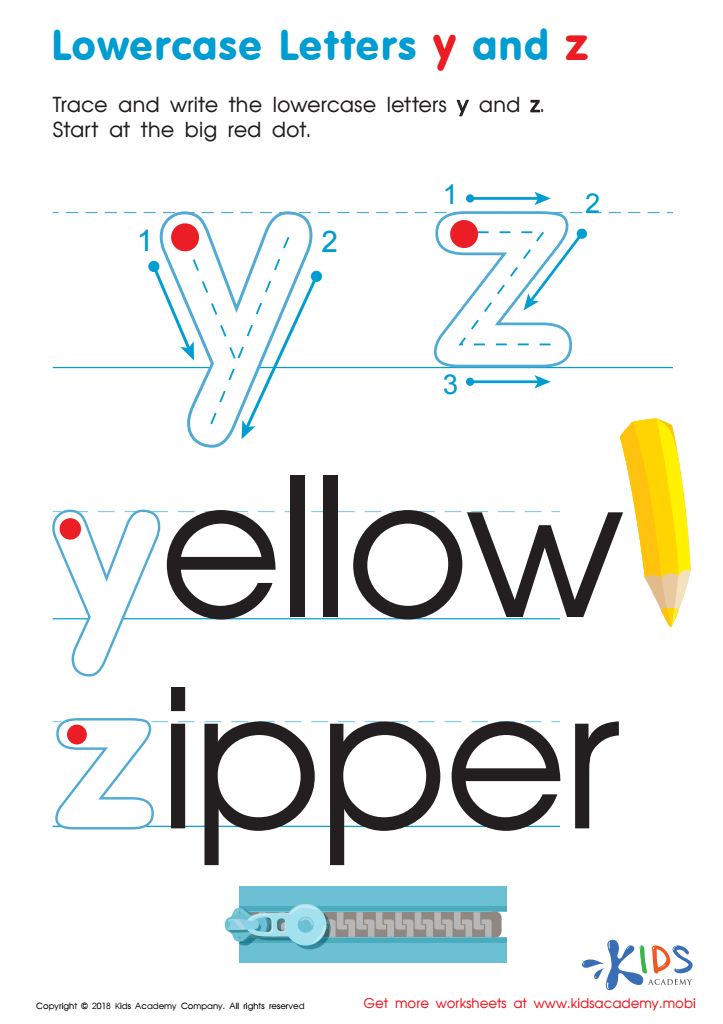
Lowercase Letters y z Worksheet
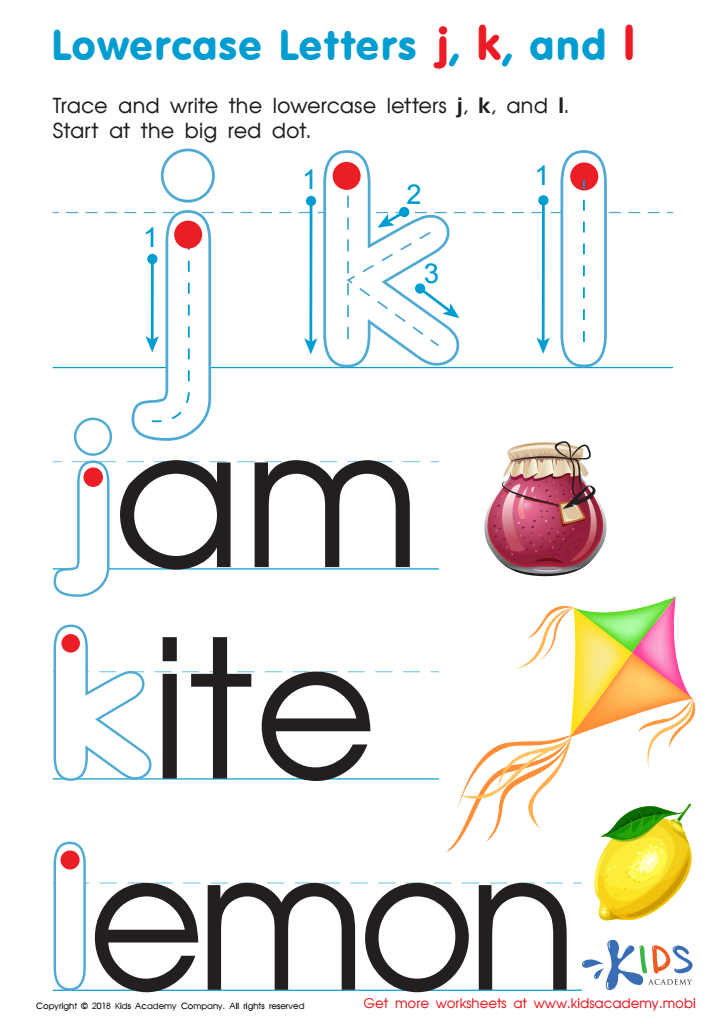
Lowercase Letters j k l Worksheet
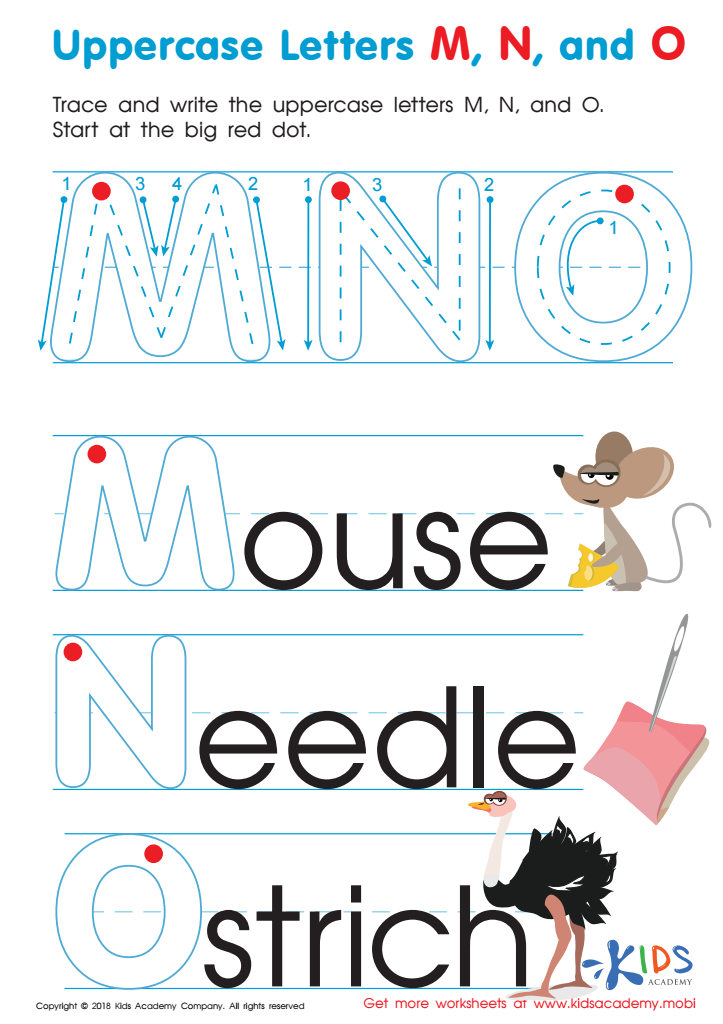
Uppercase Letters M, N, and O Worksheet
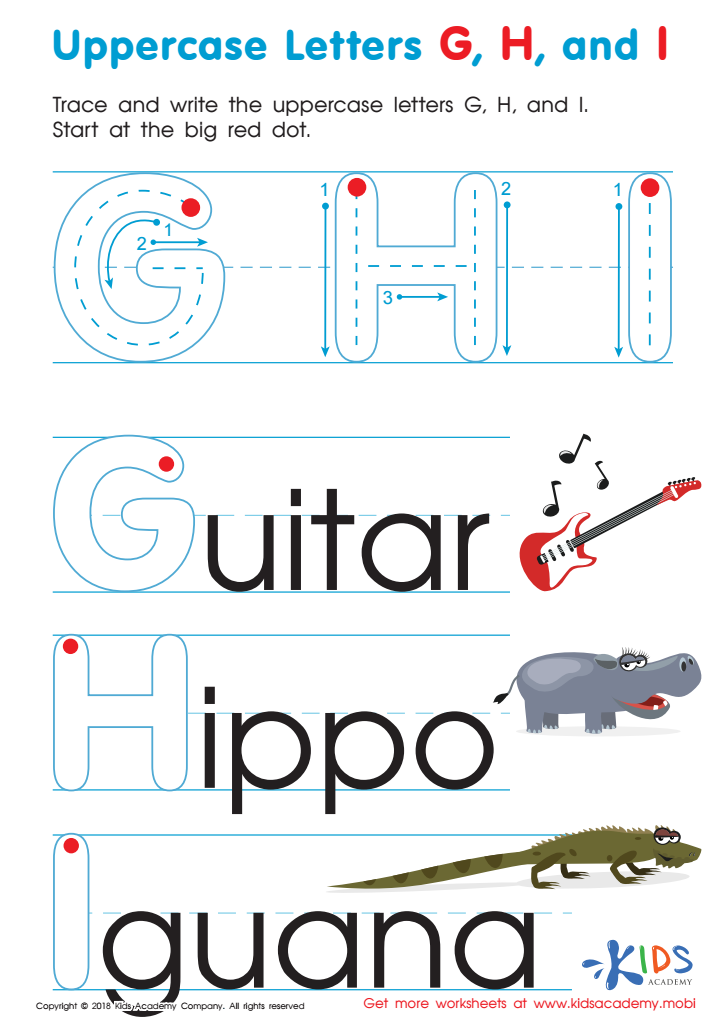
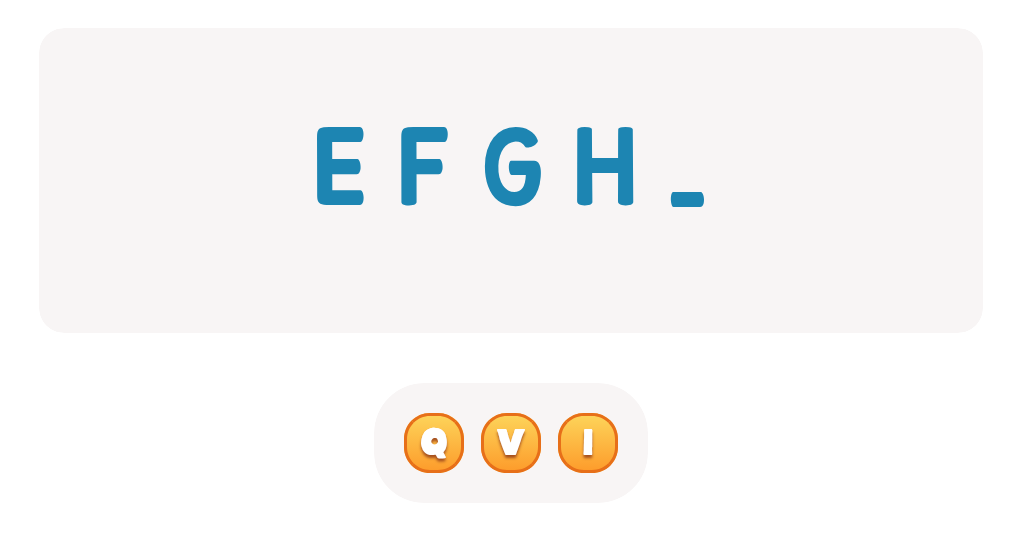
Uppercase Letters G, H, and I Worksheet
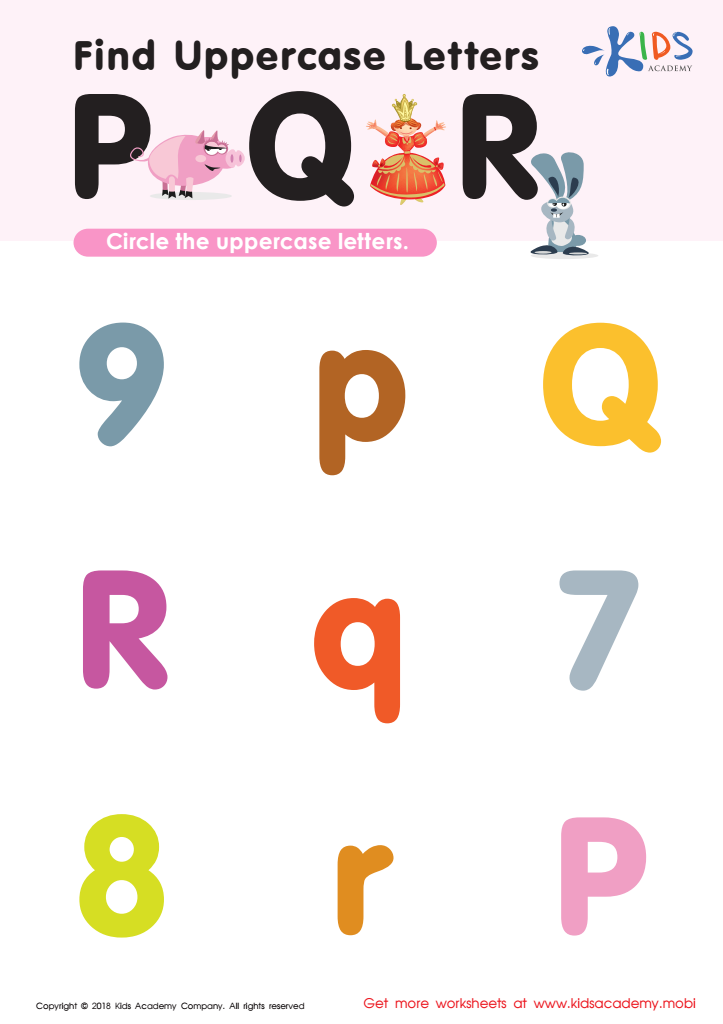
Find Uppercase Letters P, Q, and R Worksheet

Lowercase Letters m n o Worksheet
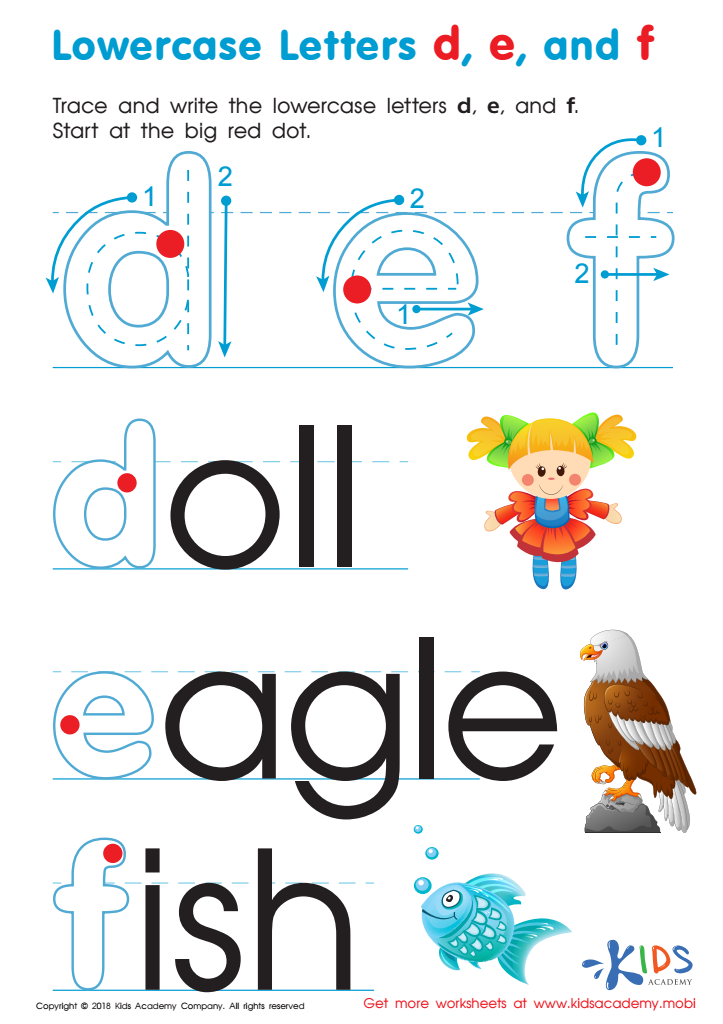
Lowercase Letters d e f Worksheet
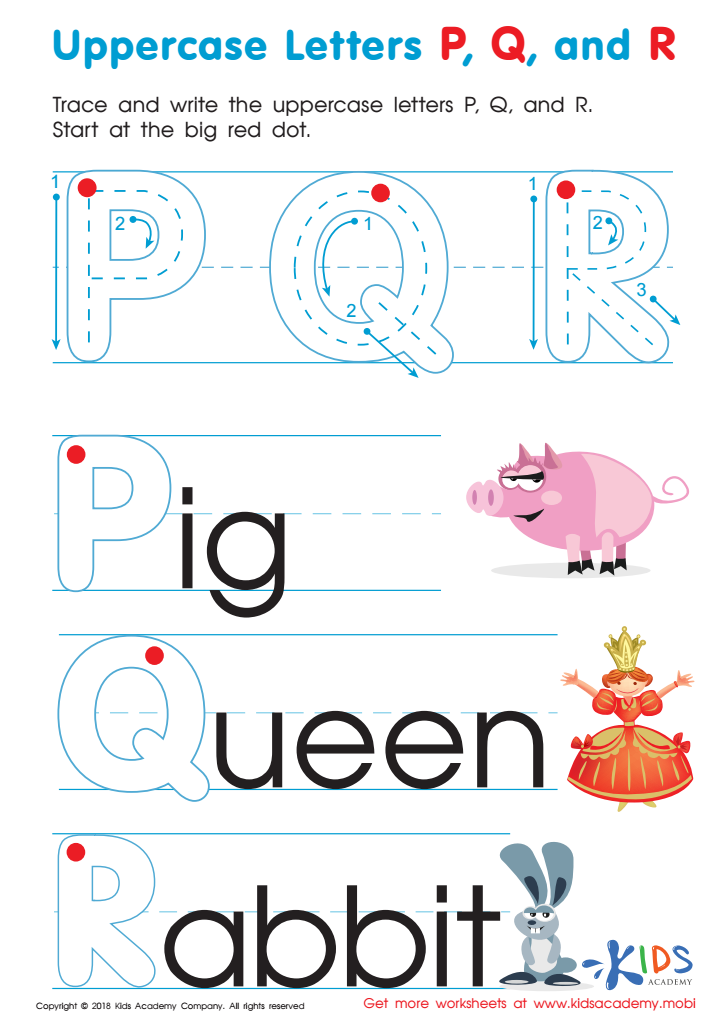
Uppercase Letters P, Q, and R Worksheet
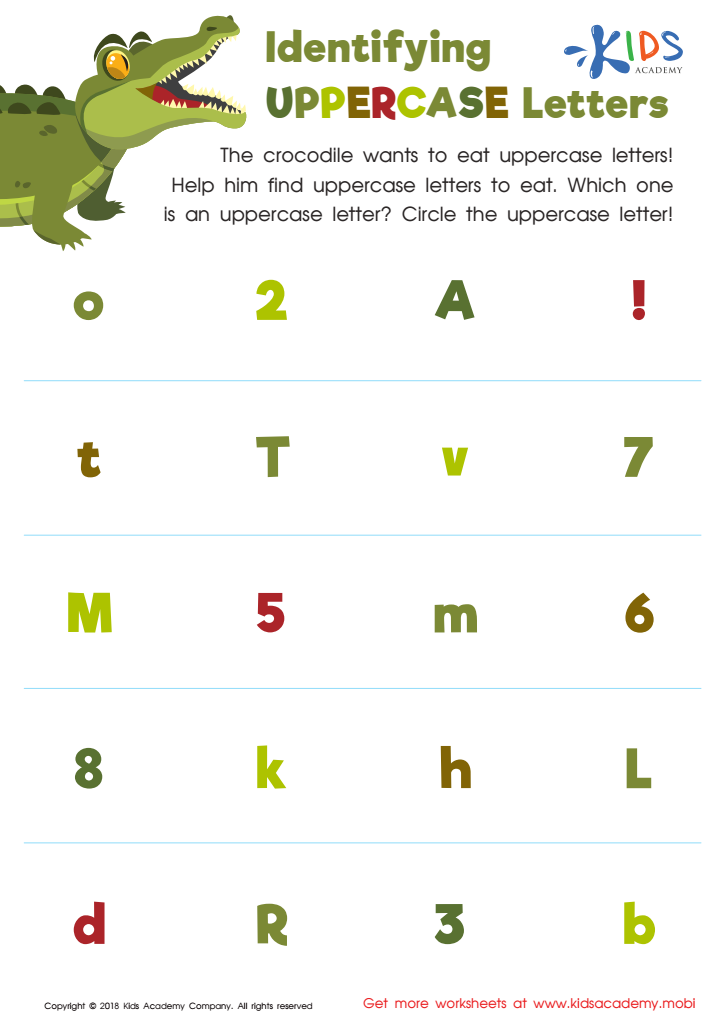
Identifying Uppercase Letters Worksheet
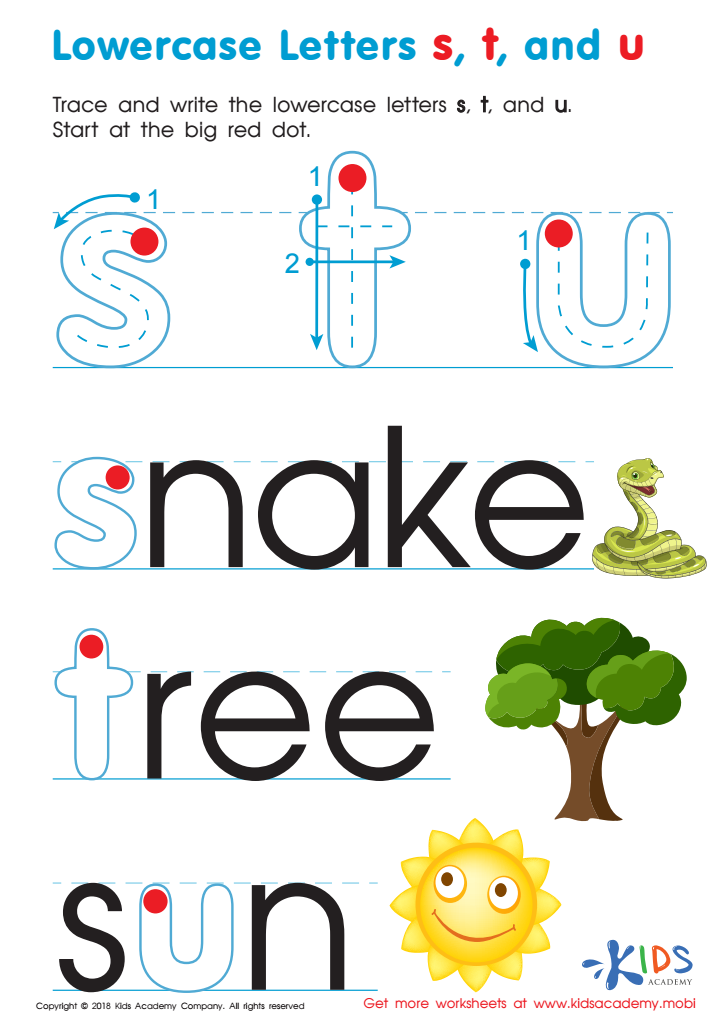
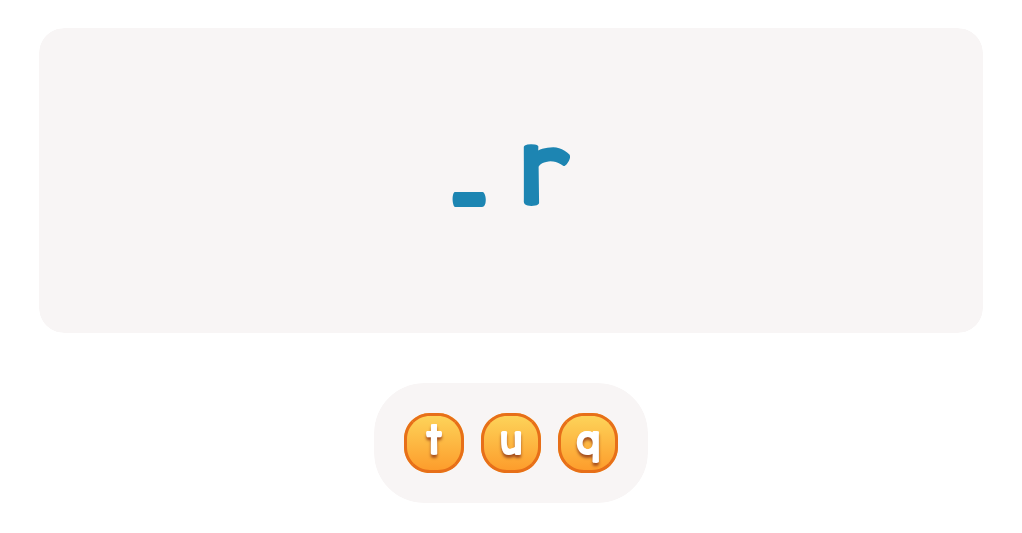
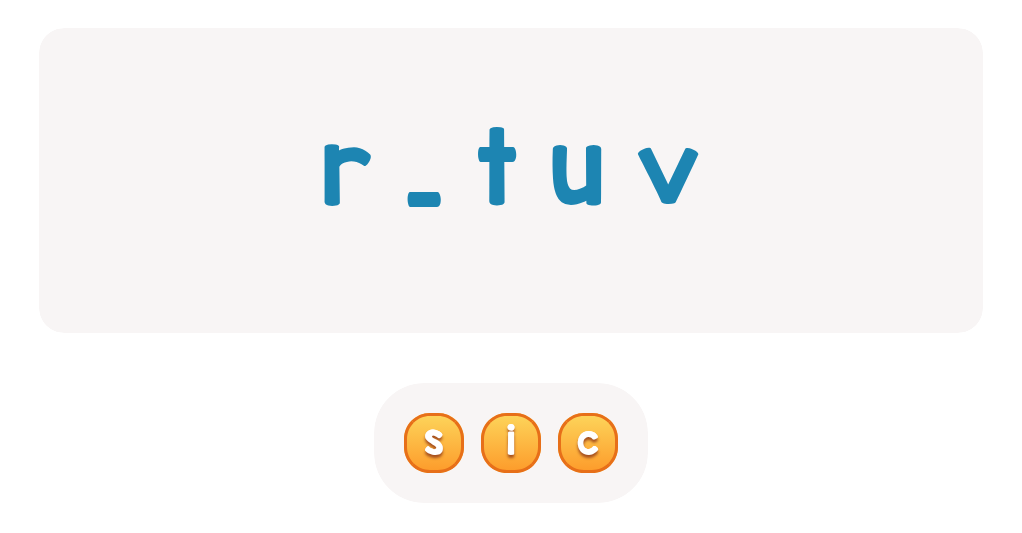
Lowercase Letters s t u Worksheet
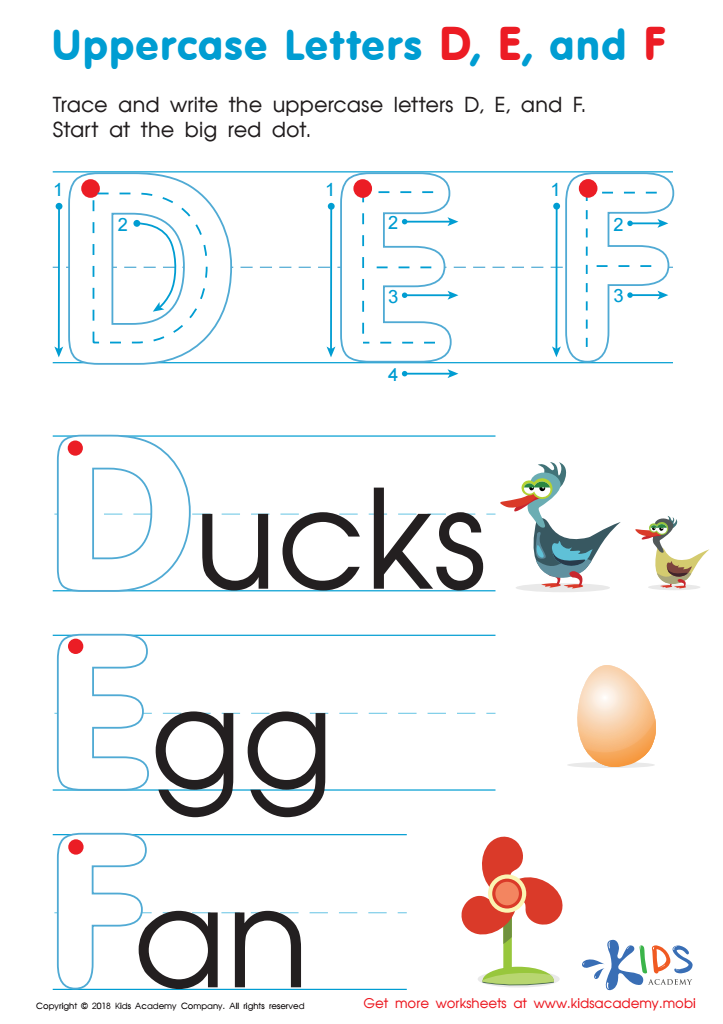
Uppercase Letters D, E, and F Worksheet
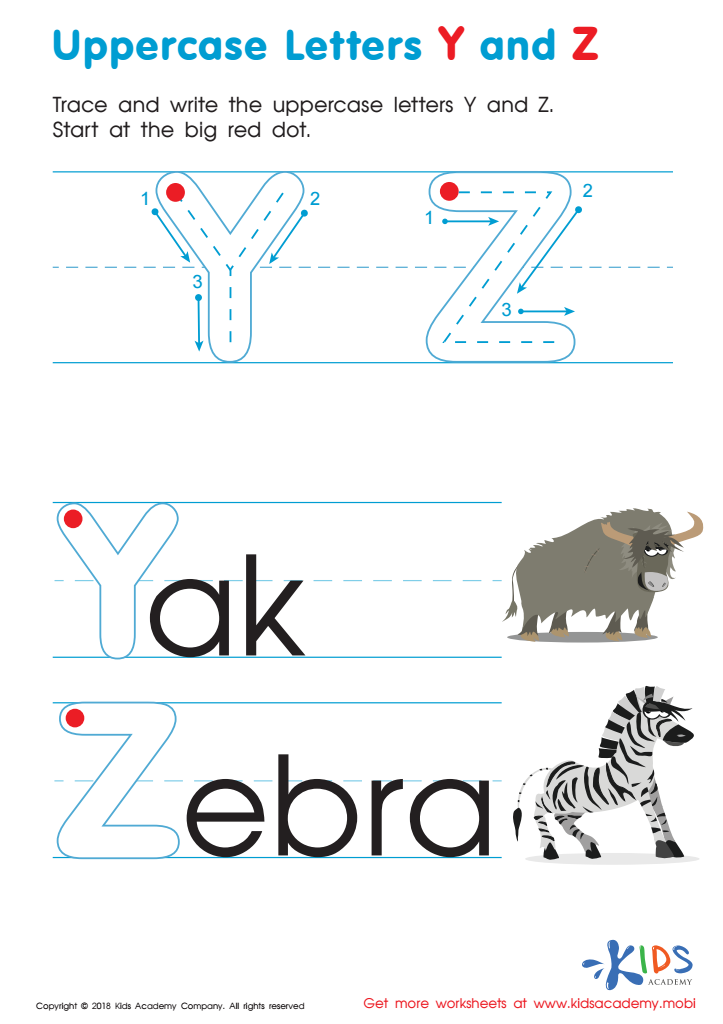
Uppercase Letters Y Z Worksheet
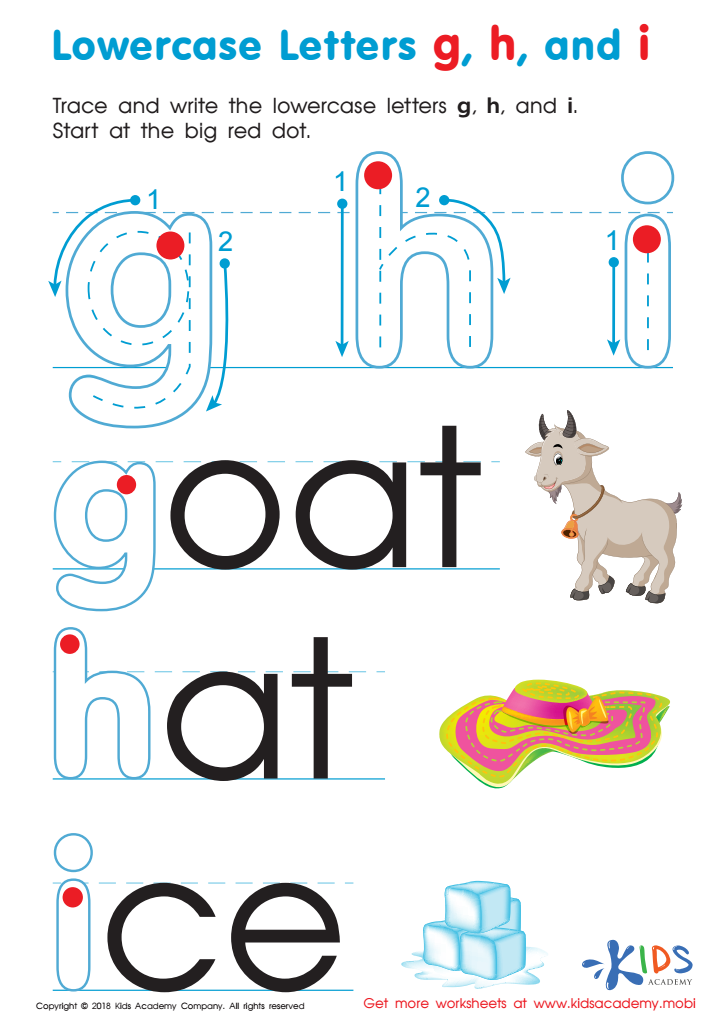
Lowercase Letters g h i Worksheet
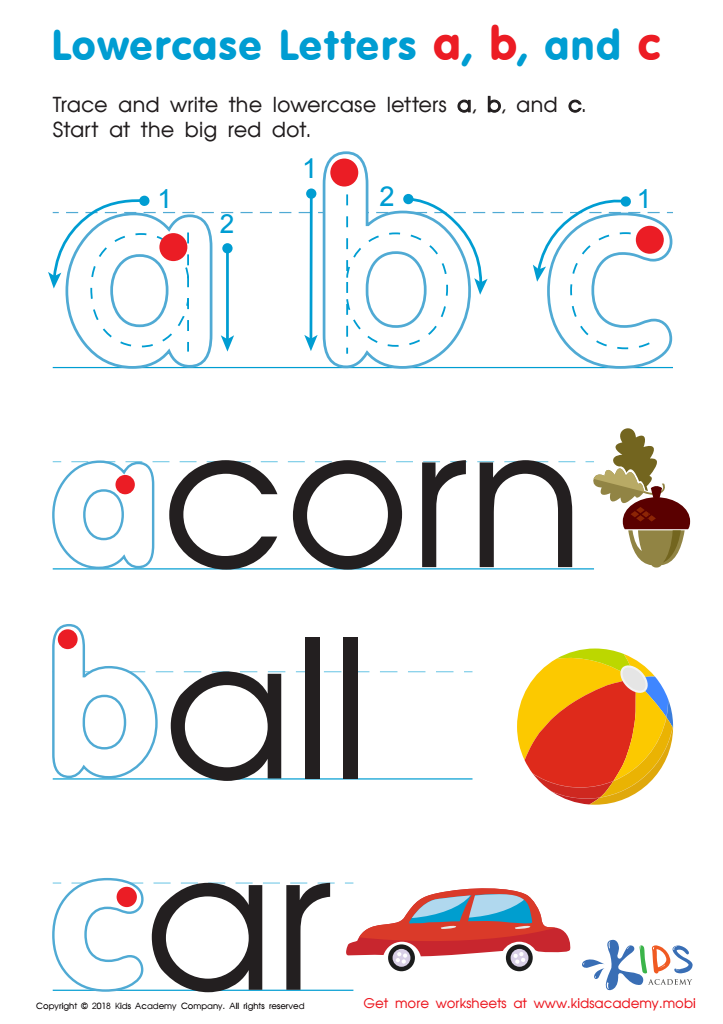
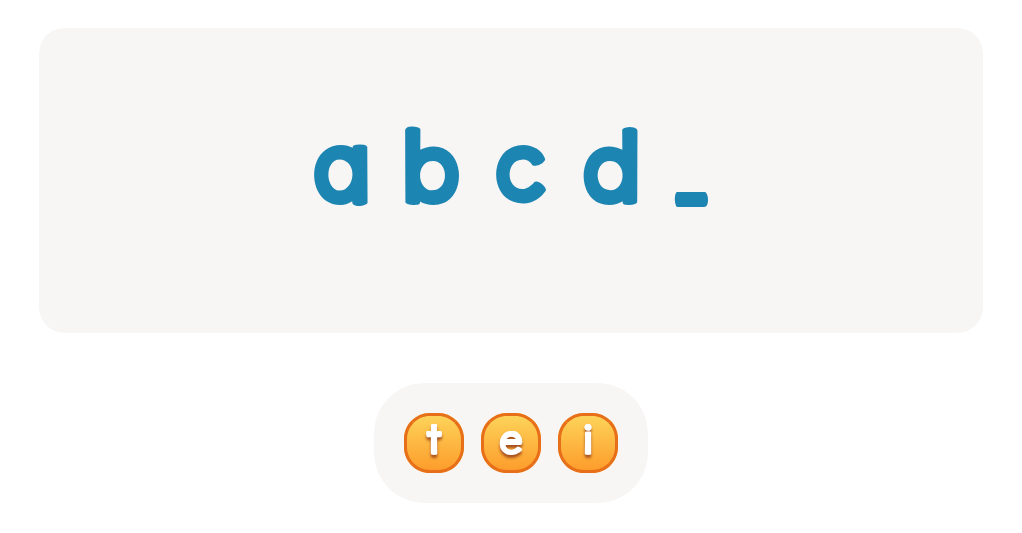
Lowercase Letters a b c Worksheet
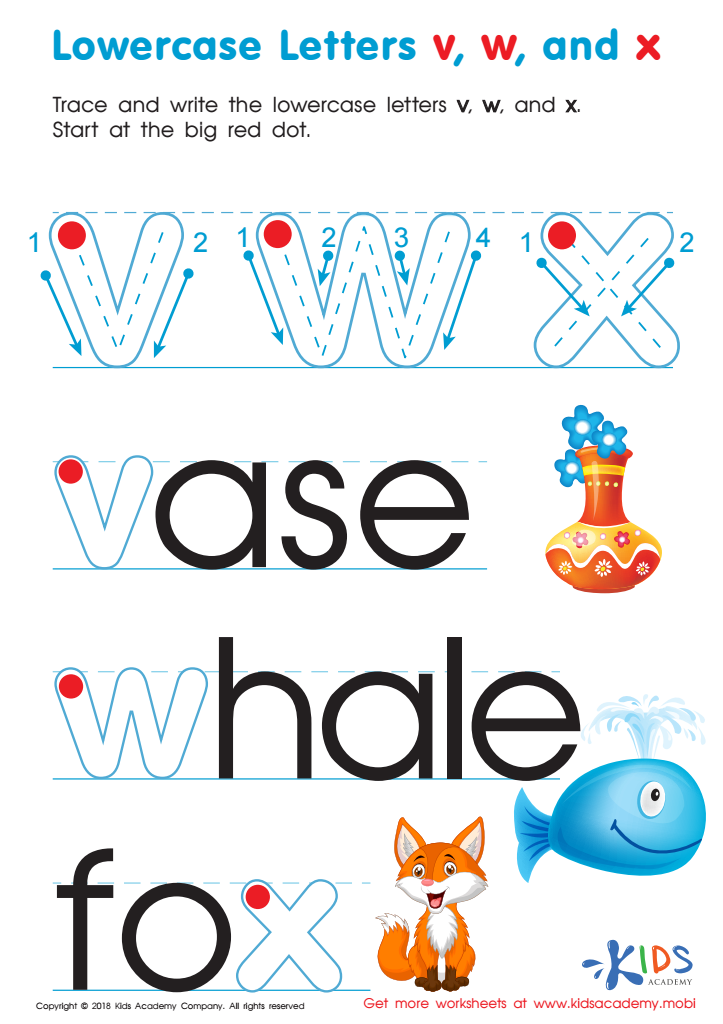
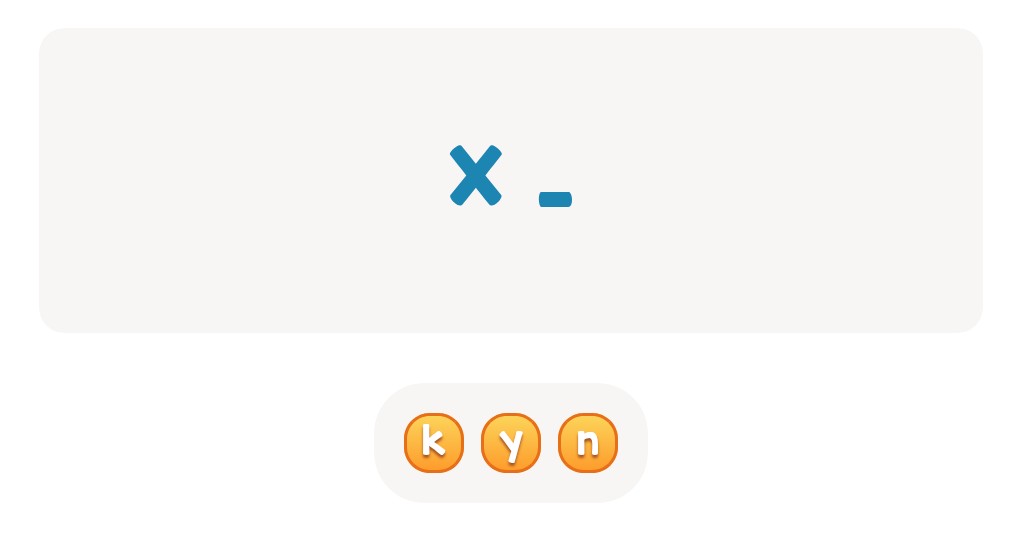
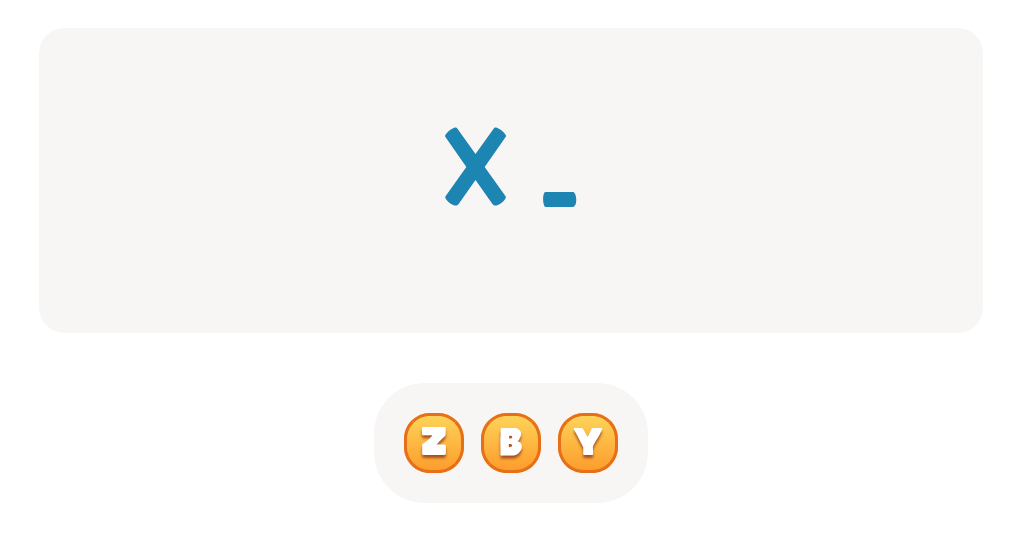
Lowercase Letters v w x Worksheet
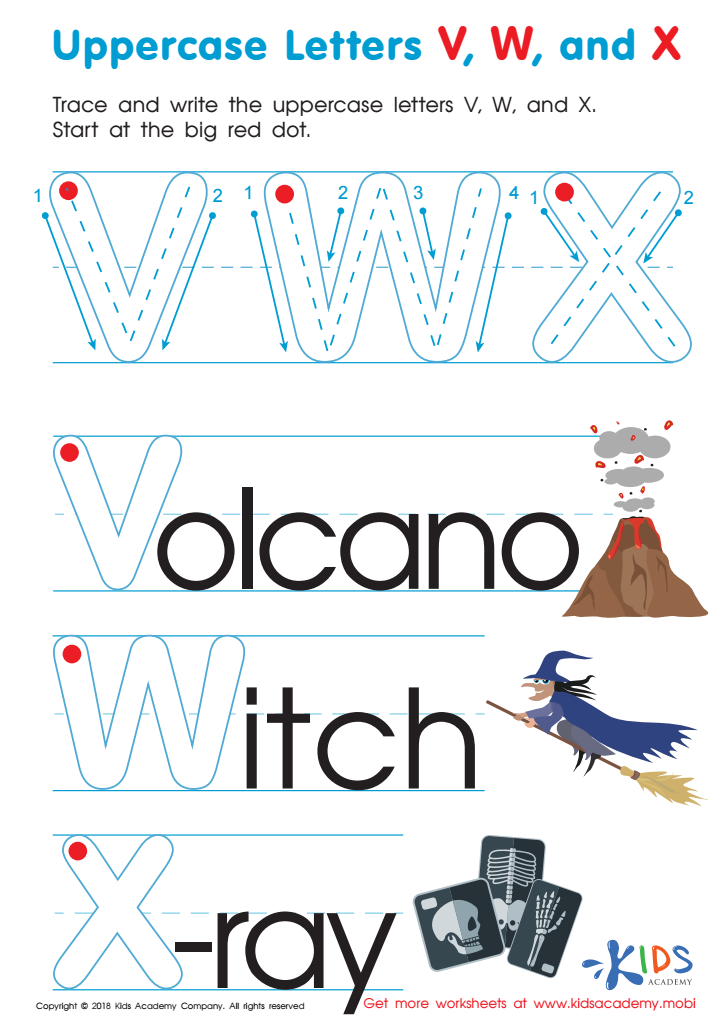
Uppercase Letters V, W, and X Worksheet






Alphabet recognition is a fundamental skill that lays the groundwork for literacy and overall academic success in children aged 6-7. Recognizing both upper and lowercase letters is crucial because it helps students develop reading and writing fluency. As they transition from learning the shapes of letters to connecting them with sounds, understanding the distinction between upper and lowercase becomes vital for decoding words in text.
At this age, children are often introduced to various texts, from storybooks to educational materials, where uppercase letters signal the beginning of sentences and proper nouns, while lowercase letters populate the majority of text. Mastering both forms enables children to read comprehensively and with confidence. Furthermore, as they begin to write, knowing how to correctly capitalize letters enhances their writing quality and aids in effective communication.
Moreover, early alphabet recognition contributes to positive self-esteem; children who can confidently identify and use letters are likely to engage more in learning activities. Ultimately, fostering this skill supports a child's cognitive development and prepares them for future literacy challenges. Both parents and teachers should prioritize alphabet recognition in their teaching and support strategies, ensuring a strong foundation for lifelong learning.







