Fine Motor Skills Normal Upper & Lowercase Letters Worksheets for Ages 6-7
21 filtered results
-
From - To
Enhance your child’s fine motor skills with our “Fine Motor Skills Normal Upper & Lowercase Letters Worksheets”, designed for children aged 6-7. These engaging activities help young learners develop hand-eye coordination while mastering the alphabet. Each worksheet focuses on tracing and writing uppercase and lowercase letters, providing a fun, educational way to reinforce essential writing skills. Ideal for both classroom and home use, these worksheets offer delightful practice that boosts confidence and literacy foundation. Printable and easy to follow, they’re perfect for supporting your child's learning journey and ensuring handwriting success. Download now and watch their skills flourish!
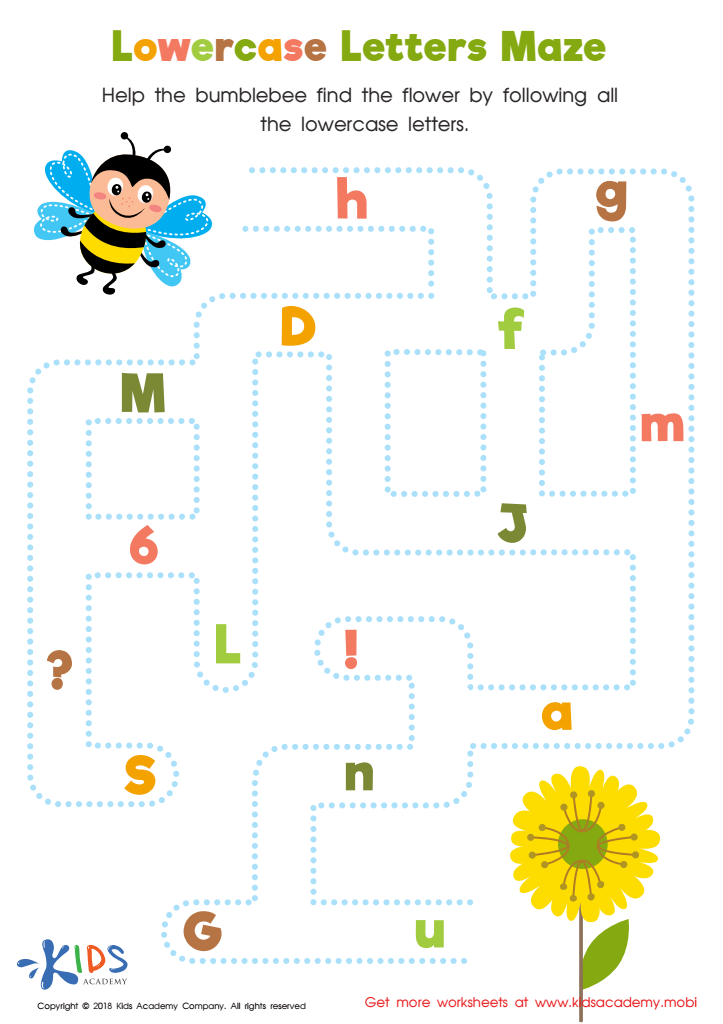
Lowercase Letters Maze Worksheet
 Assign to My Students


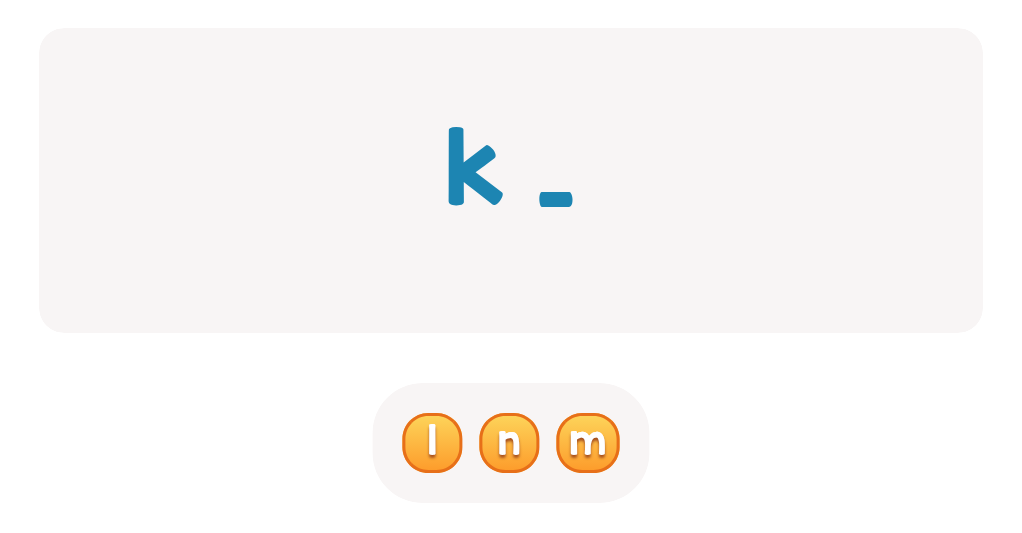
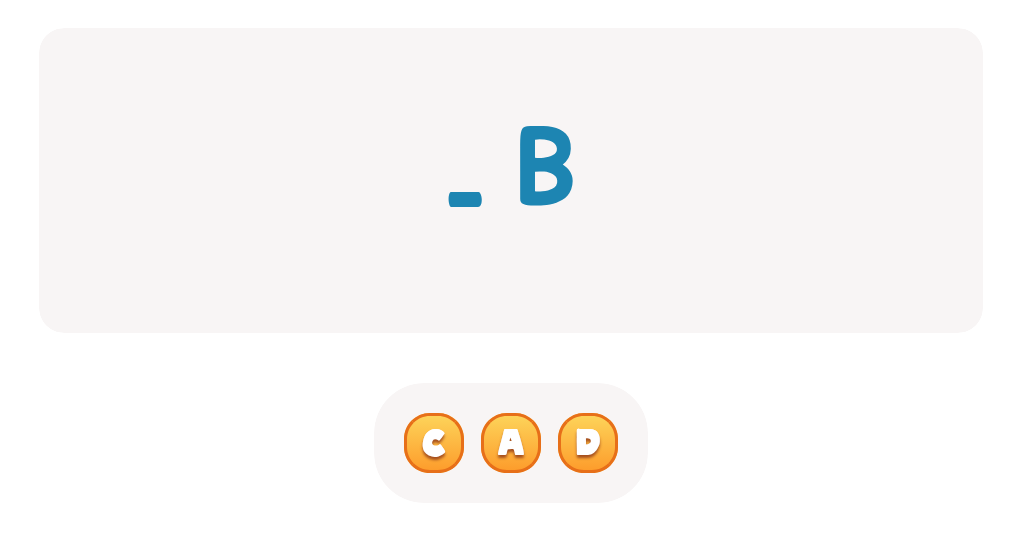

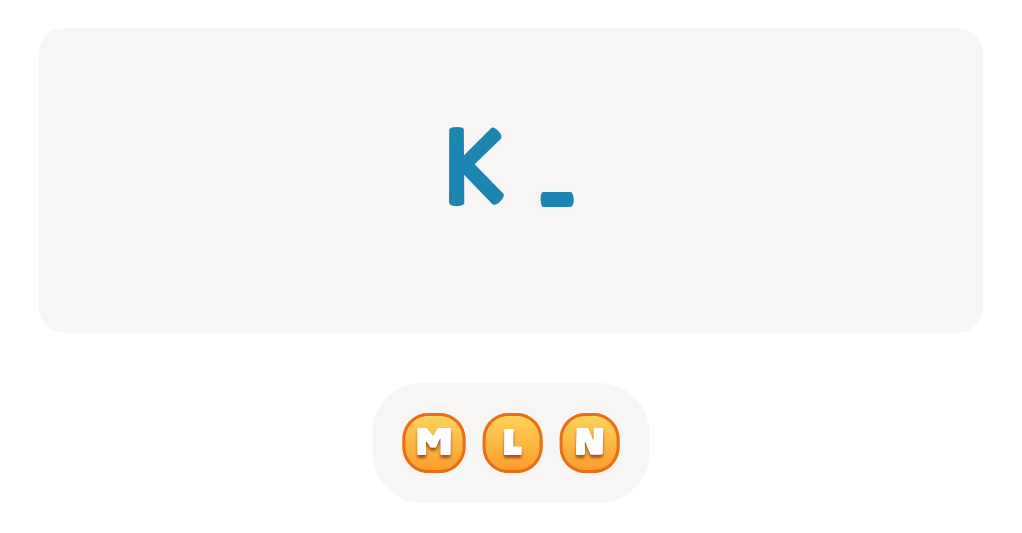




Find Lowercase Letters g h i Worksheet
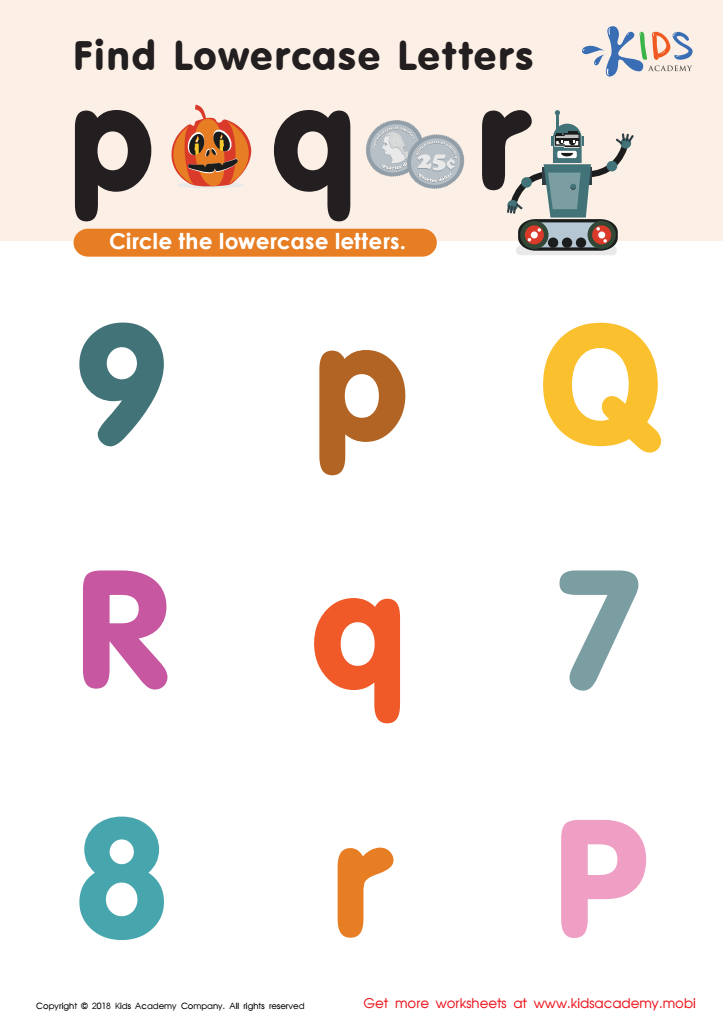
Find lowercase Letters p q r Worksheet
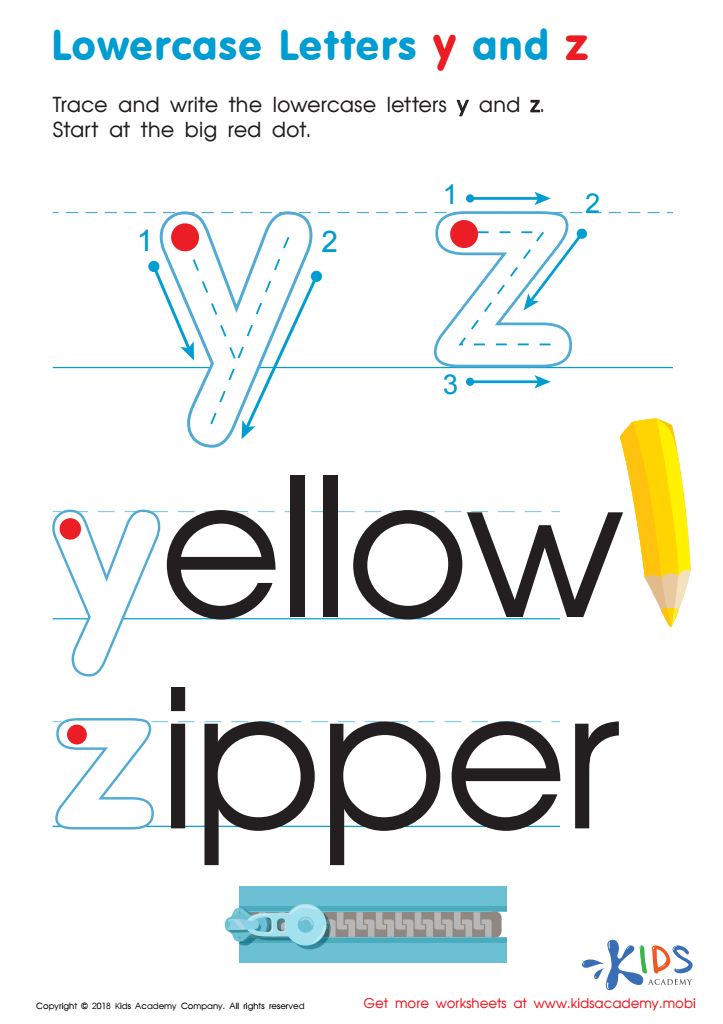
Lowercase Letters y z Worksheet
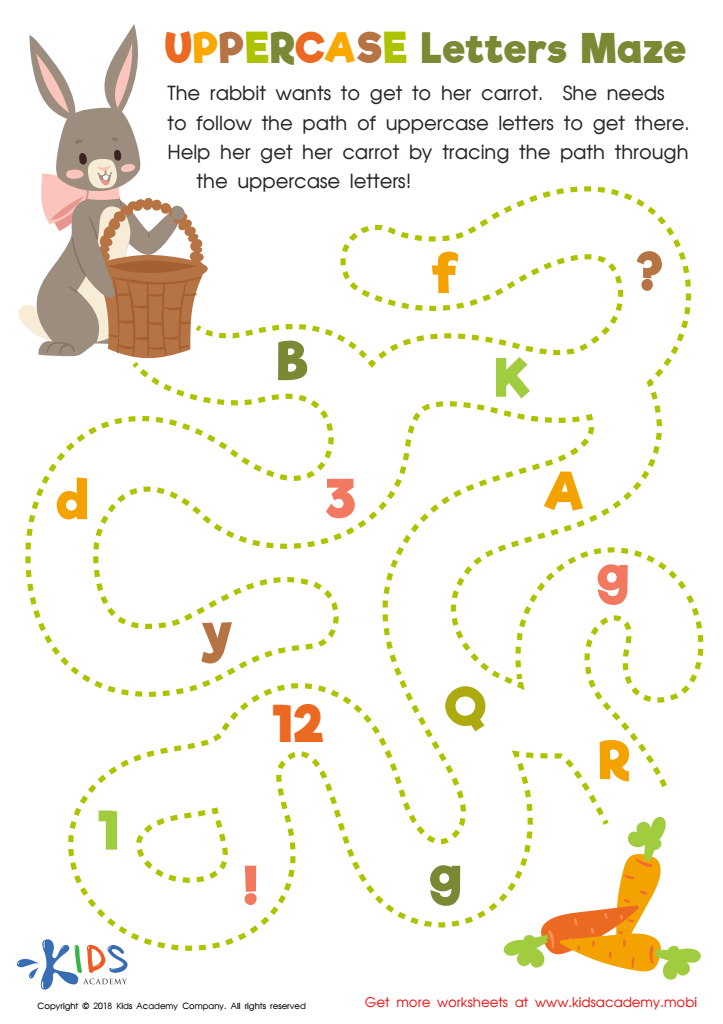
Uppercase Letters Maze Worksheet
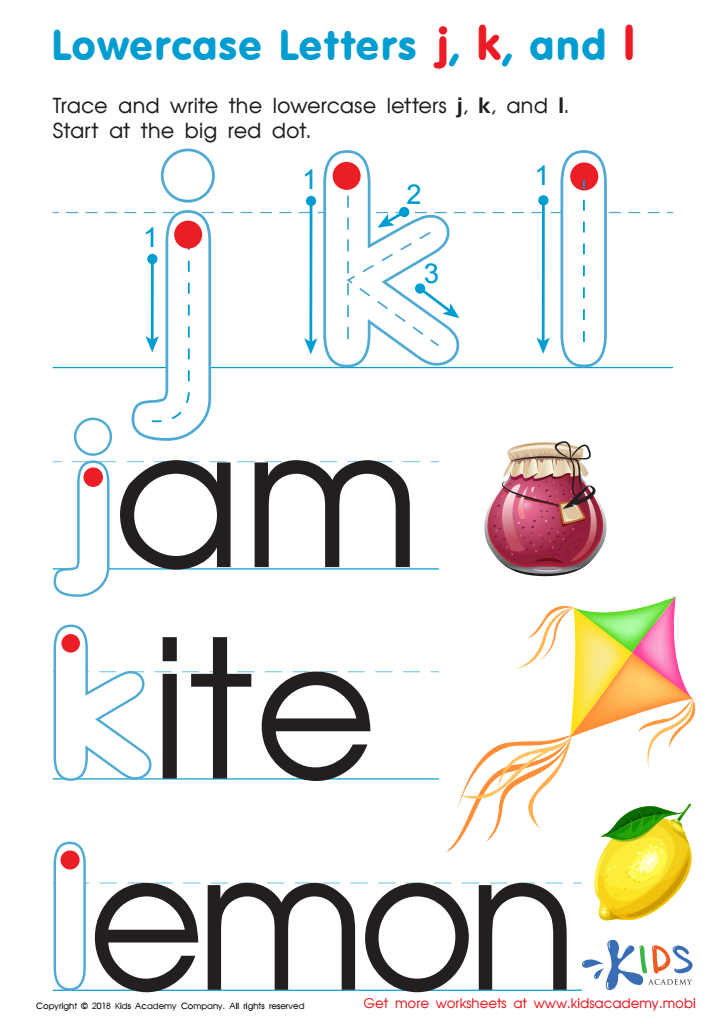
Lowercase Letters j k l Worksheet
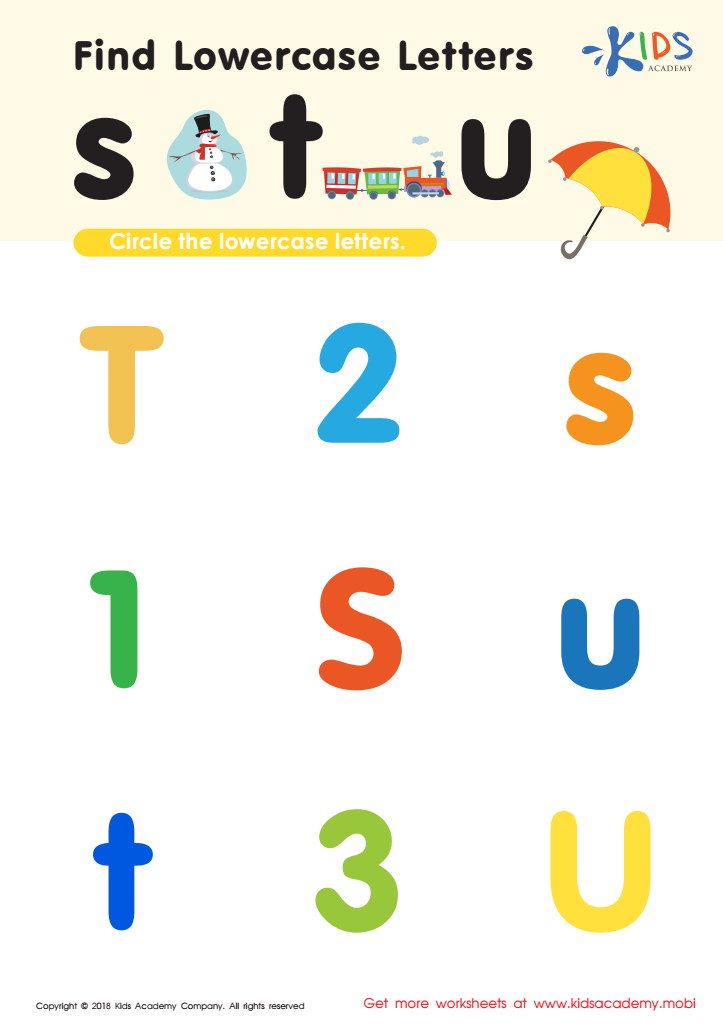
Find lowercase Letters s t u Worksheet
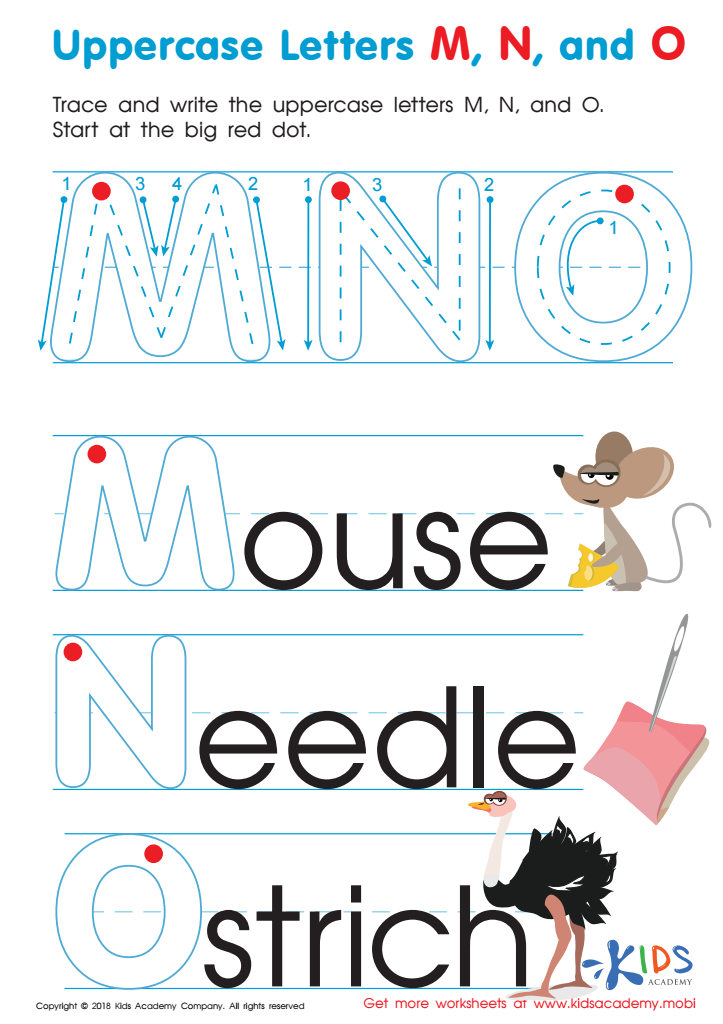
Uppercase Letters M, N, and O Worksheet
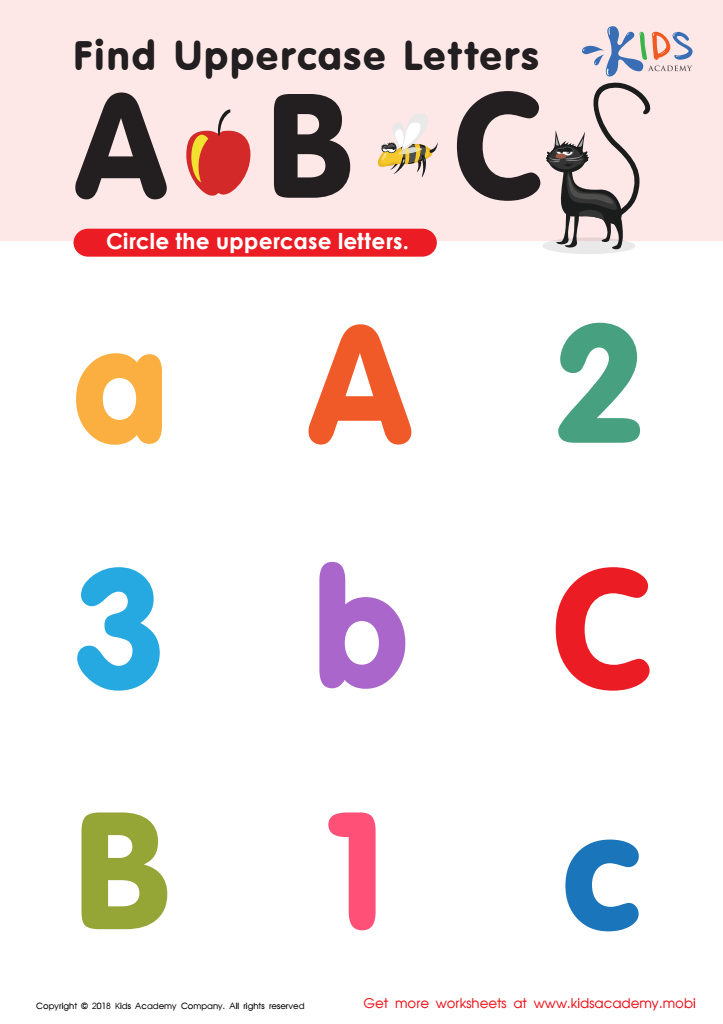
Find Uppercase Letters A, B, and C Worksheet
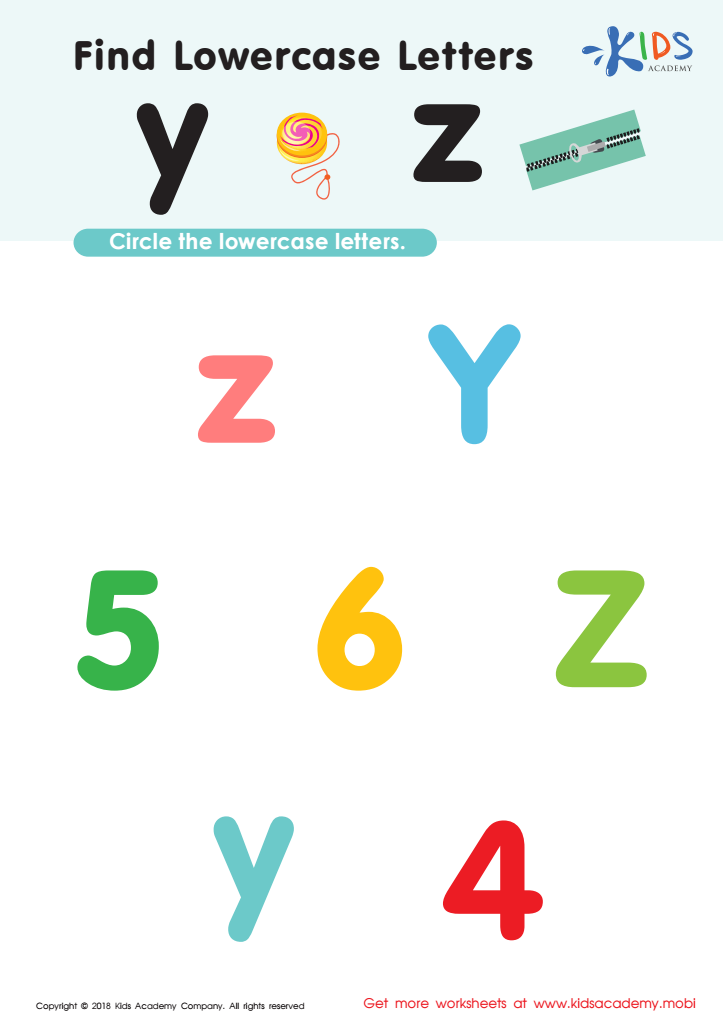
Find Lowercase Letters y z Worksheet
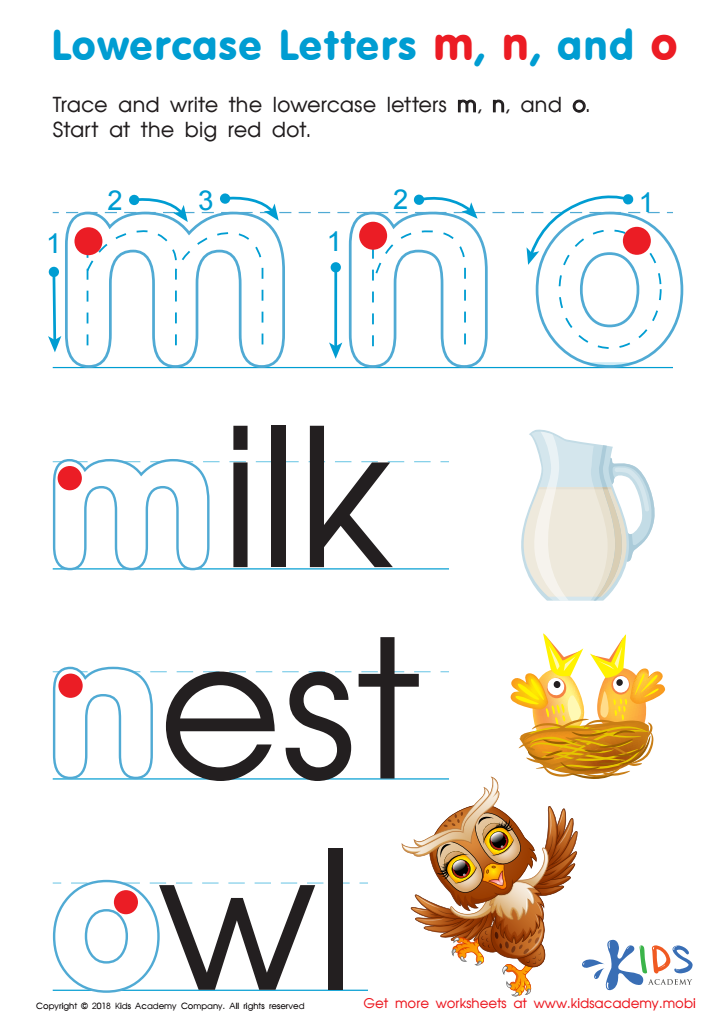
Lowercase Letters m n o Worksheet
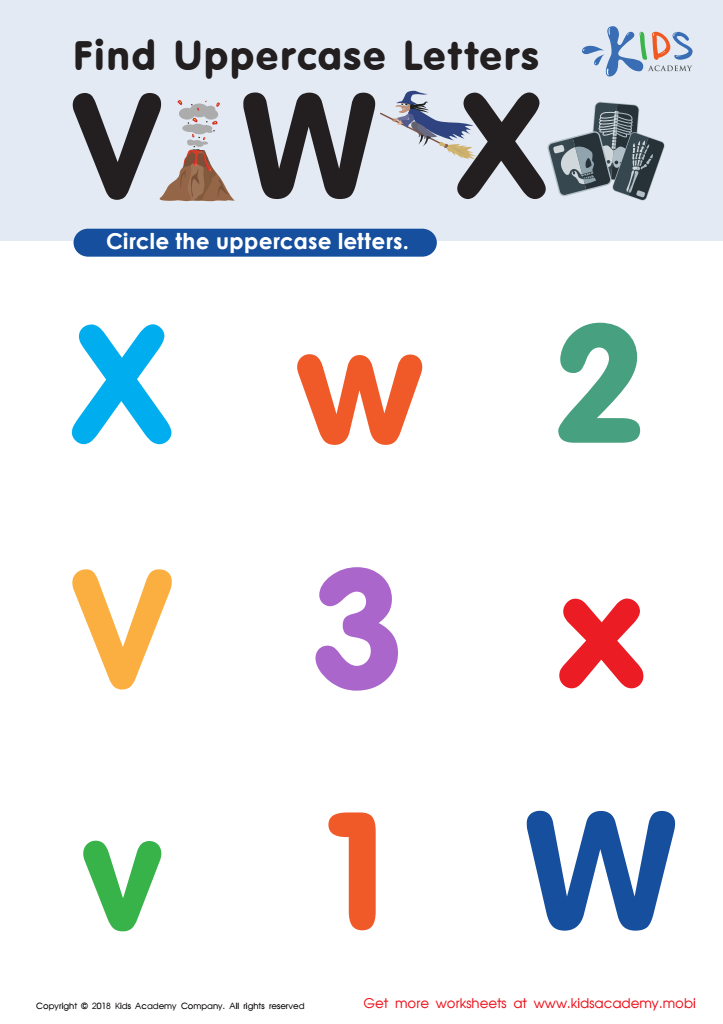
Find Uppercase Letters V, W, X Worksheet
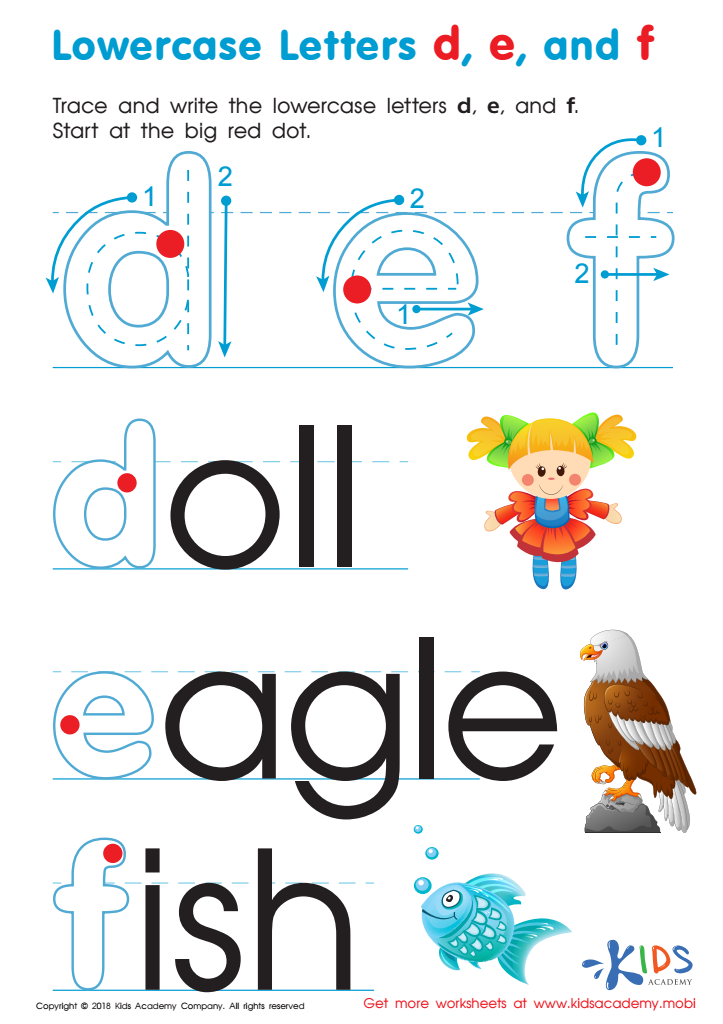
Lowercase Letters d e f Worksheet
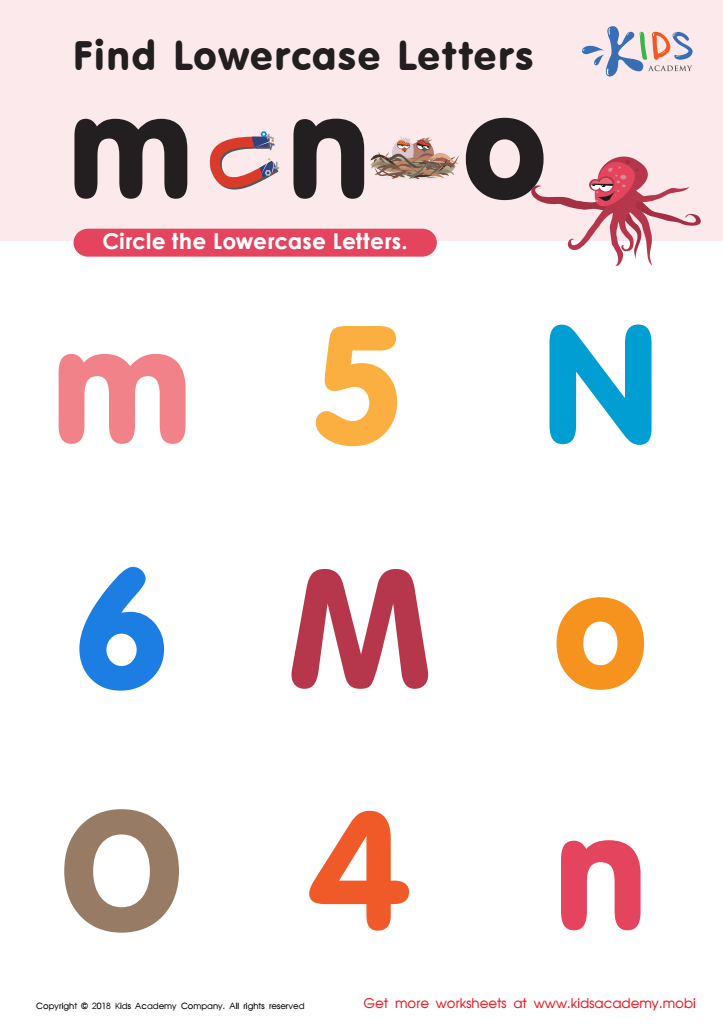
Find Lowercase Letters m n o Worksheet
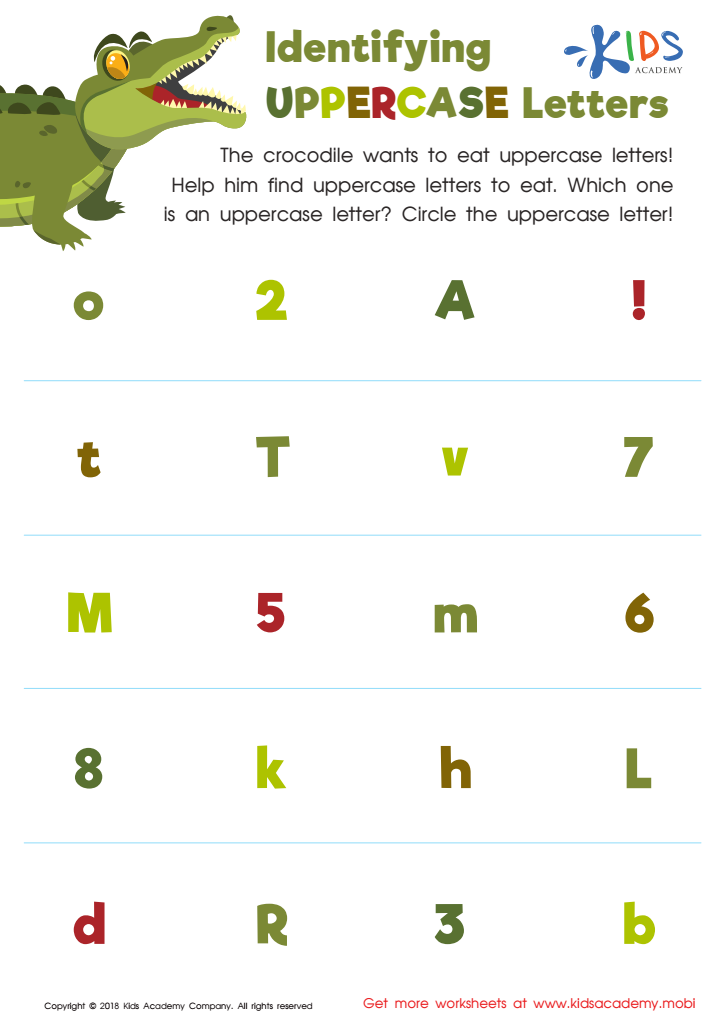
Identifying Uppercase Letters Worksheet
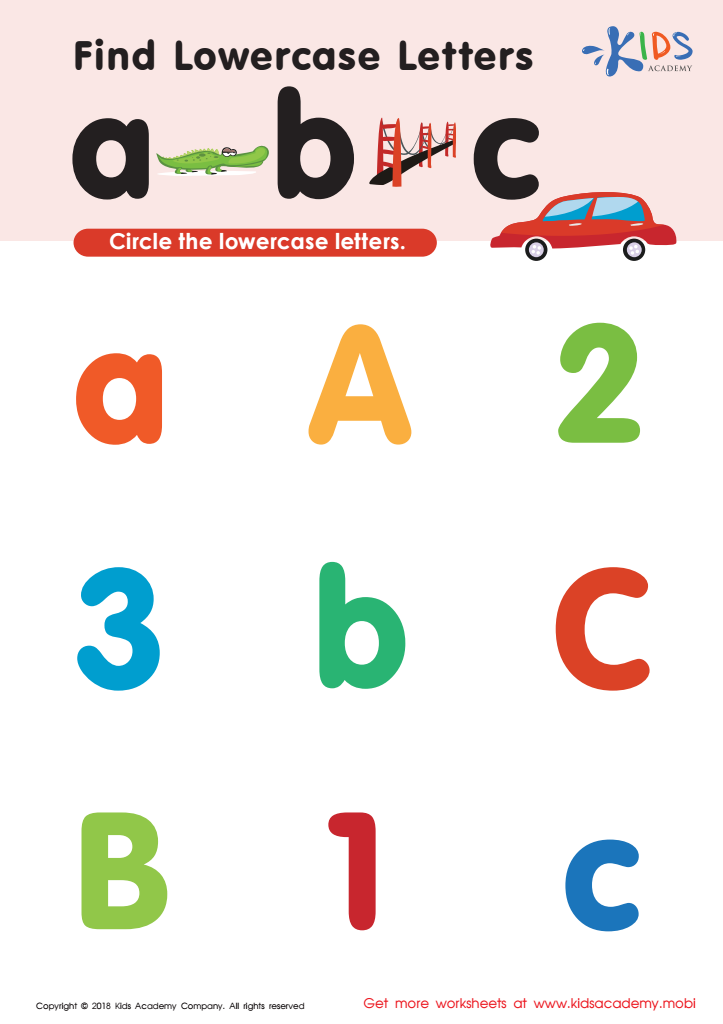
Find lowercase letters a b c Worksheet
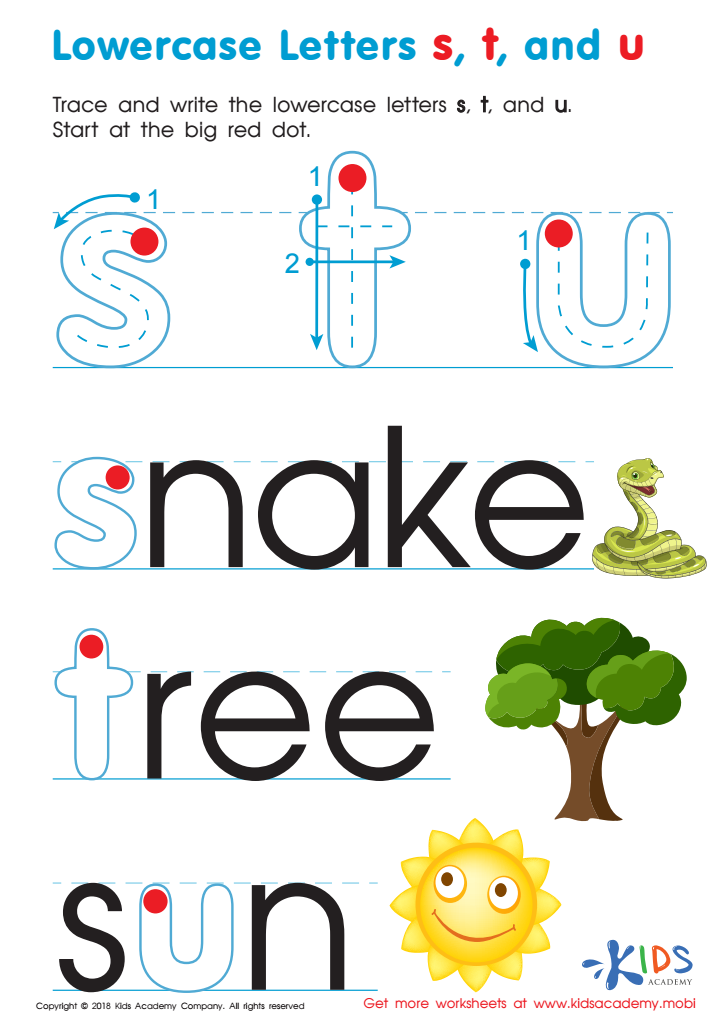
Lowercase Letters s t u Worksheet
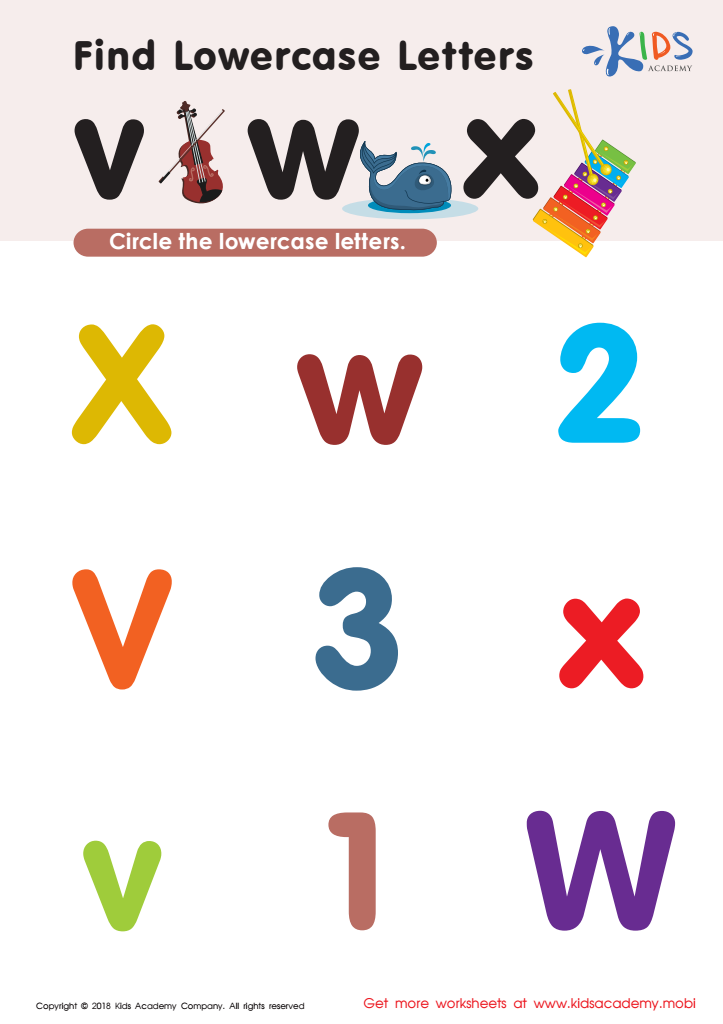
Find Lowercase Letters v w x Worksheet
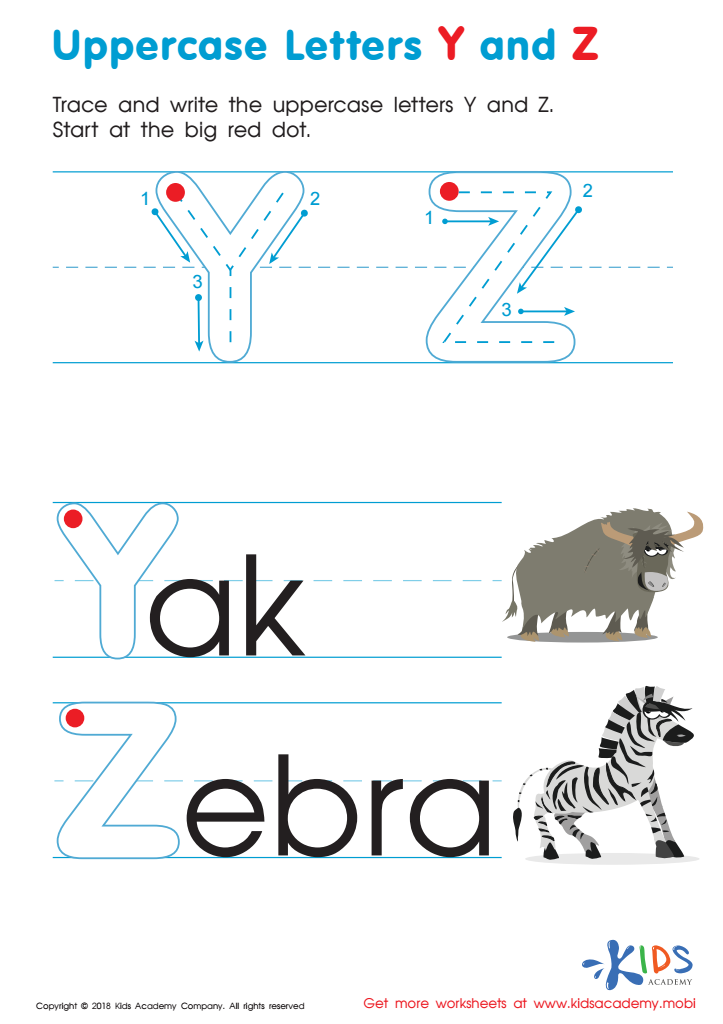
Uppercase Letters Y Z Worksheet
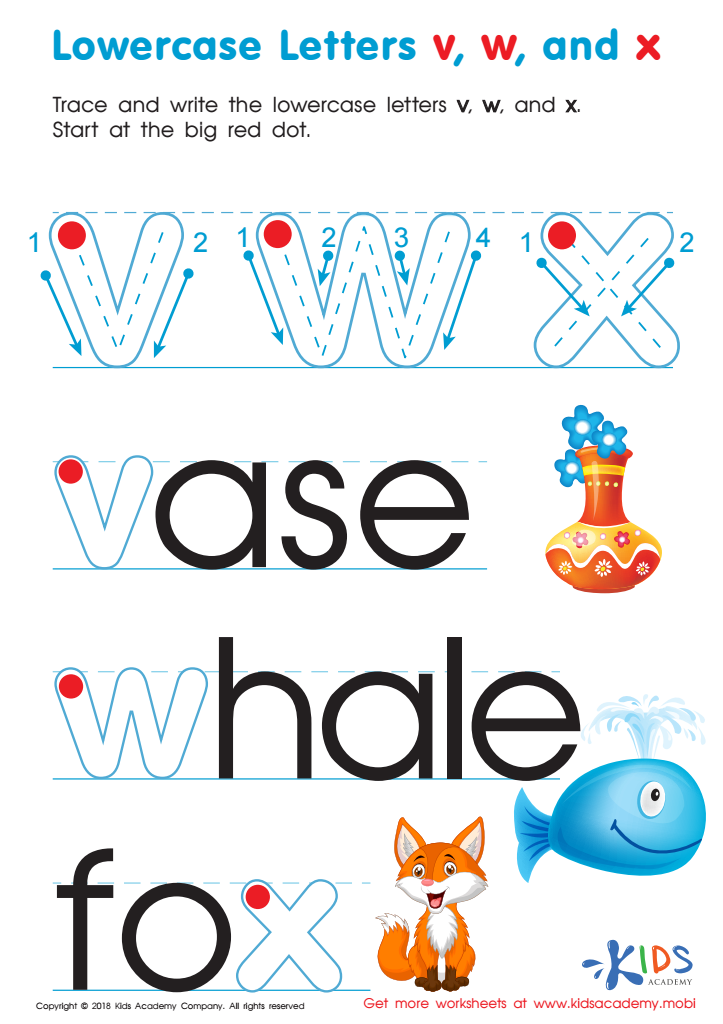
Lowercase Letters v w x Worksheet
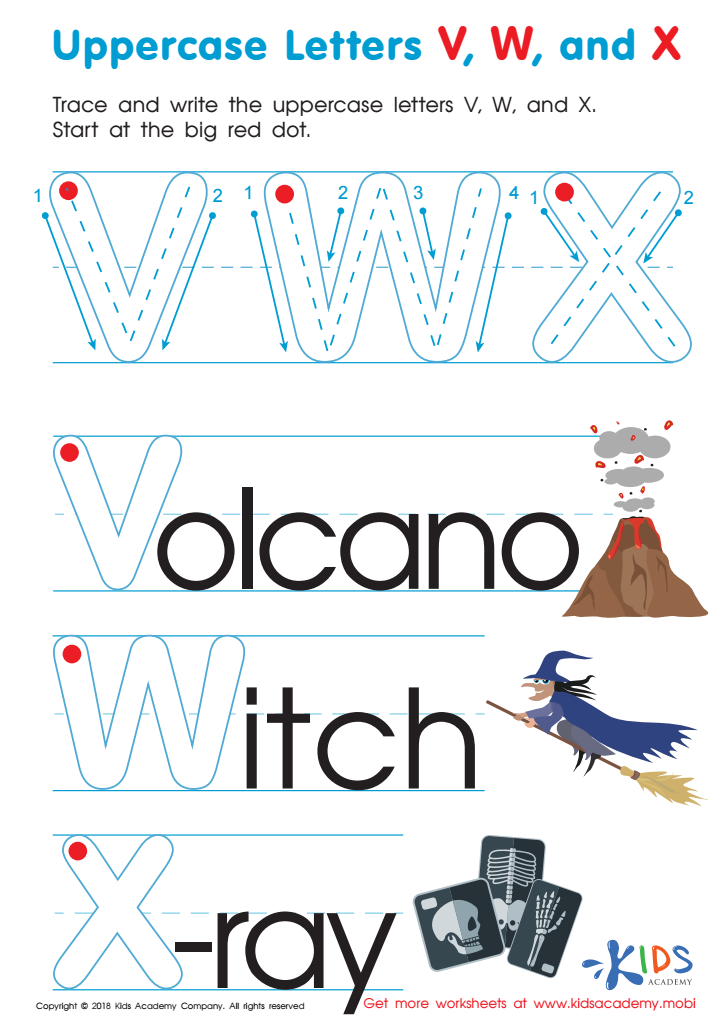
Uppercase Letters V, W, and X Worksheet






Fine motor skills are crucial for children's development, especially for children aged 6-7, as they form the foundation for many key academic and everyday tasks. These skills involve the coordination of small muscles in the hands and fingers with the eyes, which is vital for writing tasks. At the ages of 6-7, children are typically in early elementary school, where they'll need to write both uppercase and lowercase letters with increasing proficiency. This writing proficiency not only helps in expressing their thoughts and knowledge on paper but also builds the physical dexterity needed for other fine motor activities like drawing, cutting with scissors, or tying shoelaces.
Proper development of these skills directly influences a child's literacy development. Writing clear and legible letters is critical for both reading readiness and self-esteem. Children who struggle with fine motor control may find it difficult to keep up with classroom tasks, leading to frustration and a potentially decreased interest in learning. By showing attentiveness to fine motor skills and letter formation, parents and teachers can support children in mastering these essential pre-academic fundamentals, ultimately leading to greater academic success and confidence. Encouraging practice through fun activities, positive reinforcement, and appropriate ergonomic tools, like age-appropriate pencils and paper, can make a significant impact.







