Handwriting practice Normal Upper & Lowercase Letters Worksheets for Ages 6-7
16 filtered results
-
From - To
Boost your child's handwriting skills with our "Normal Upper & Lowercase Letters Worksheets" designed for ages 6-7! These engaging worksheets provide a fun way for young learners to practice their penmanship by focusing on both uppercase and lowercase letters. Each worksheet features traceable letter formations, encouraging correct grip and writing techniques. Ideal for homeschoolers, classroom settings, or after-school practice, these resources foster confidence in reading and writing. With vibrant illustrations and interactive activities, children will stay motivated and excited about learning. Download and print our worksheets today to help your child develop strong handwriting skills that set the foundation for academic success!
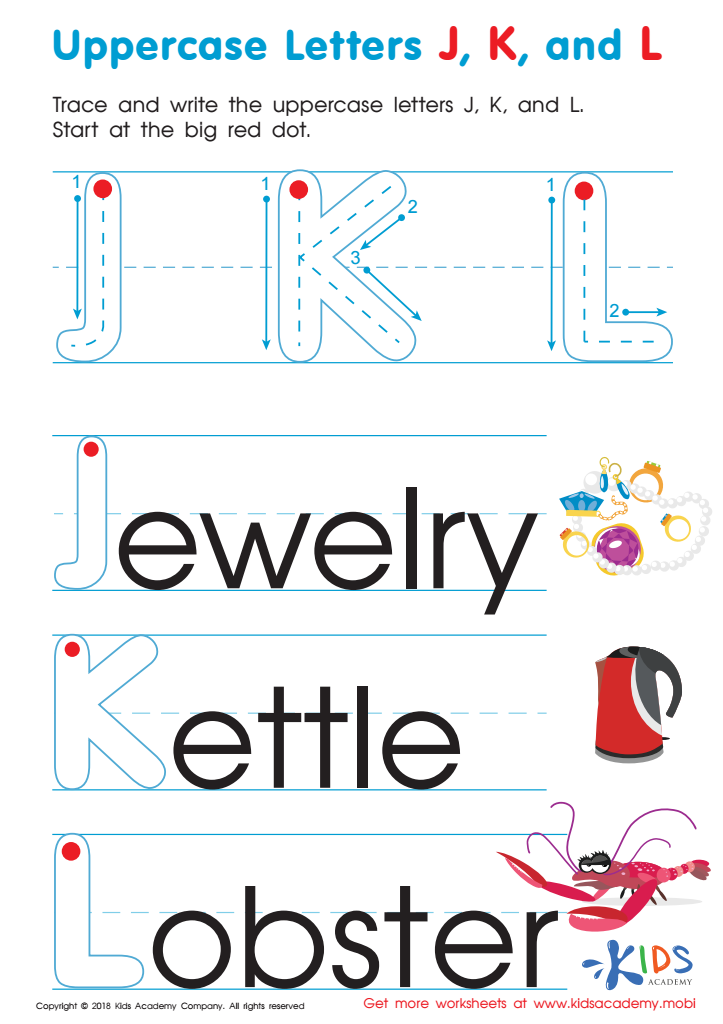
Uppercase Letters J, K, and L Worksheet
 Assign to My Students


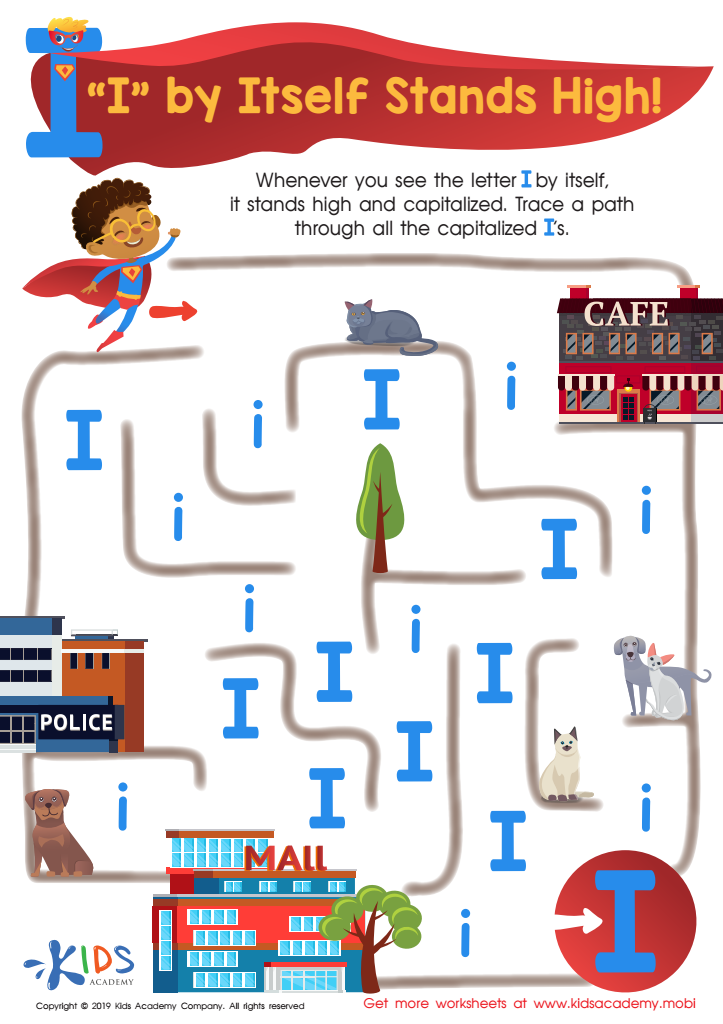
I Stands High Worksheet
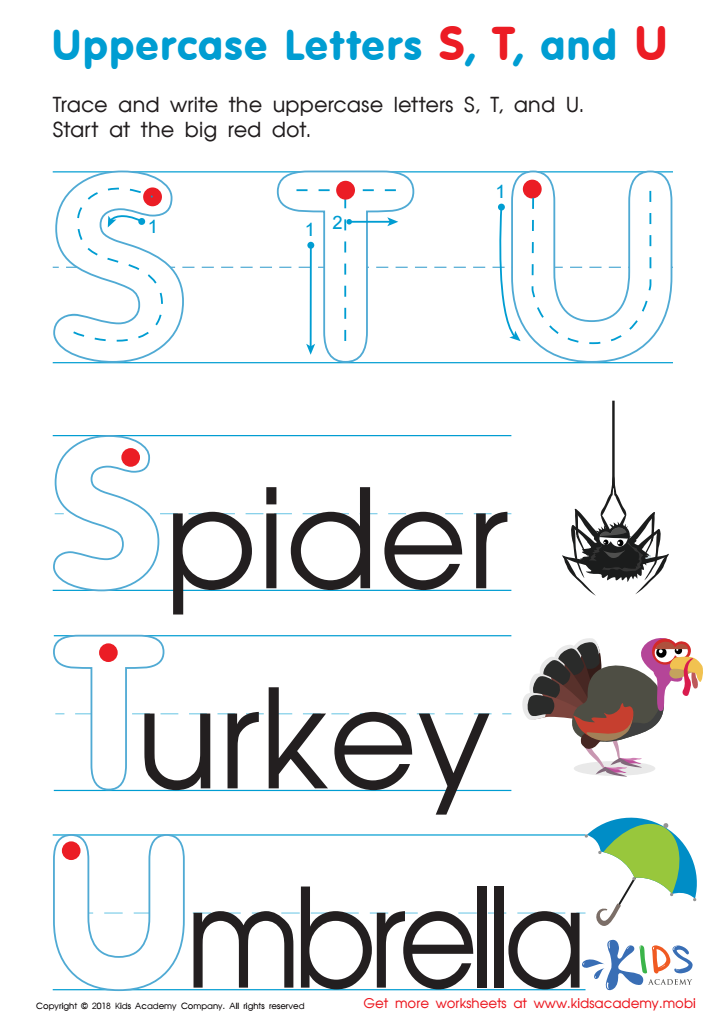
Uppercase Letters S, T, and U Worksheet
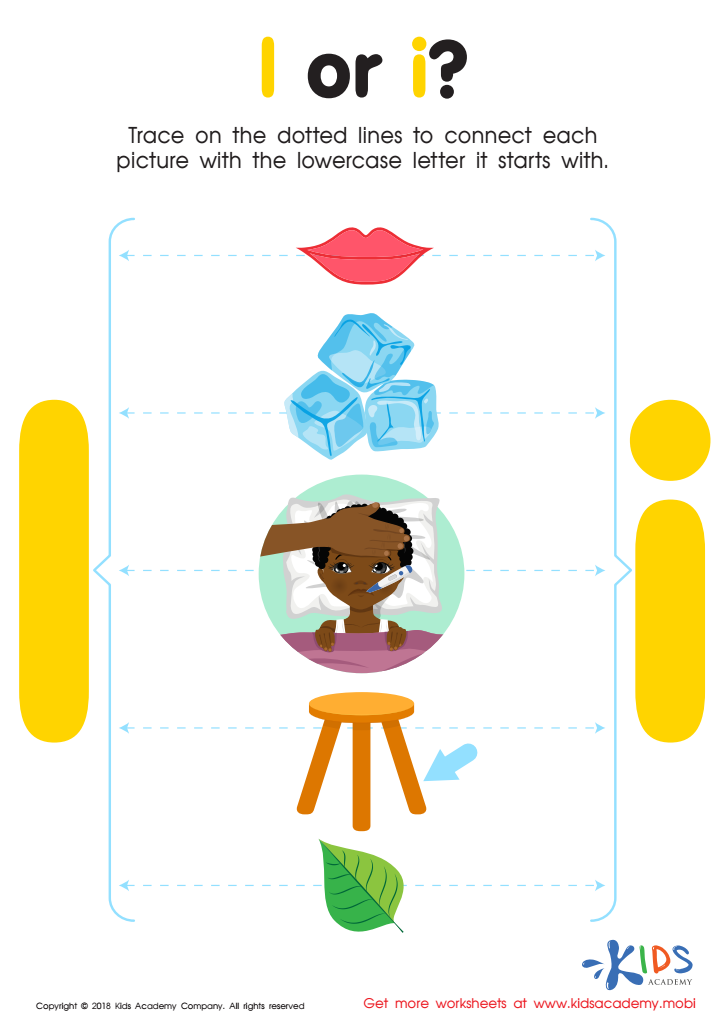
l or i? Worksheet
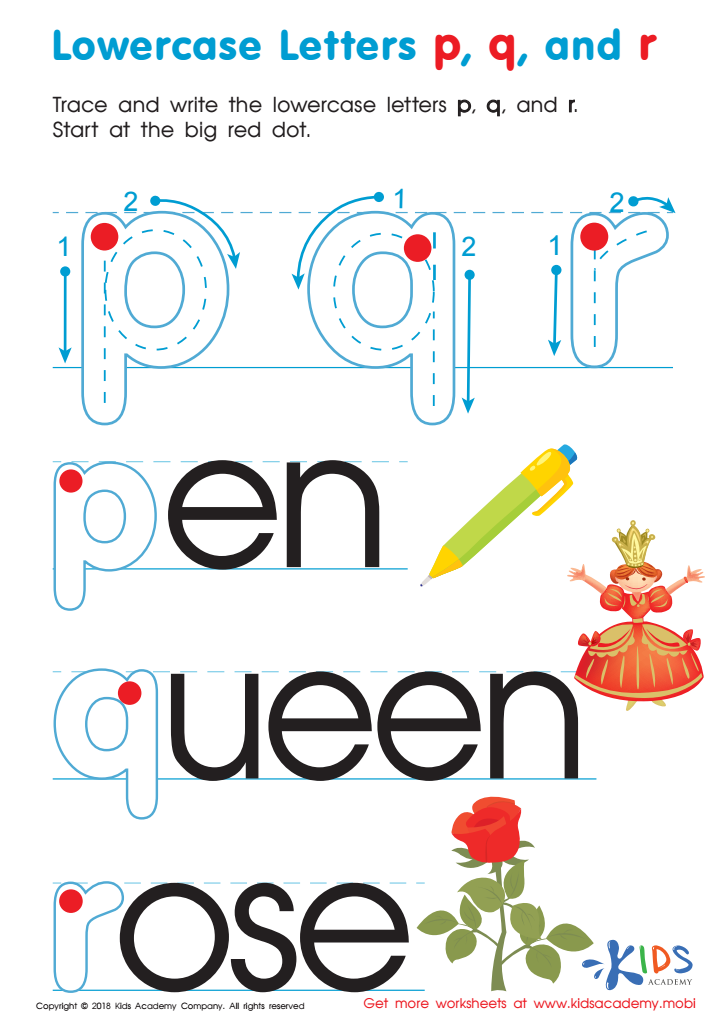
Lowercase Letters p q r Worksheet
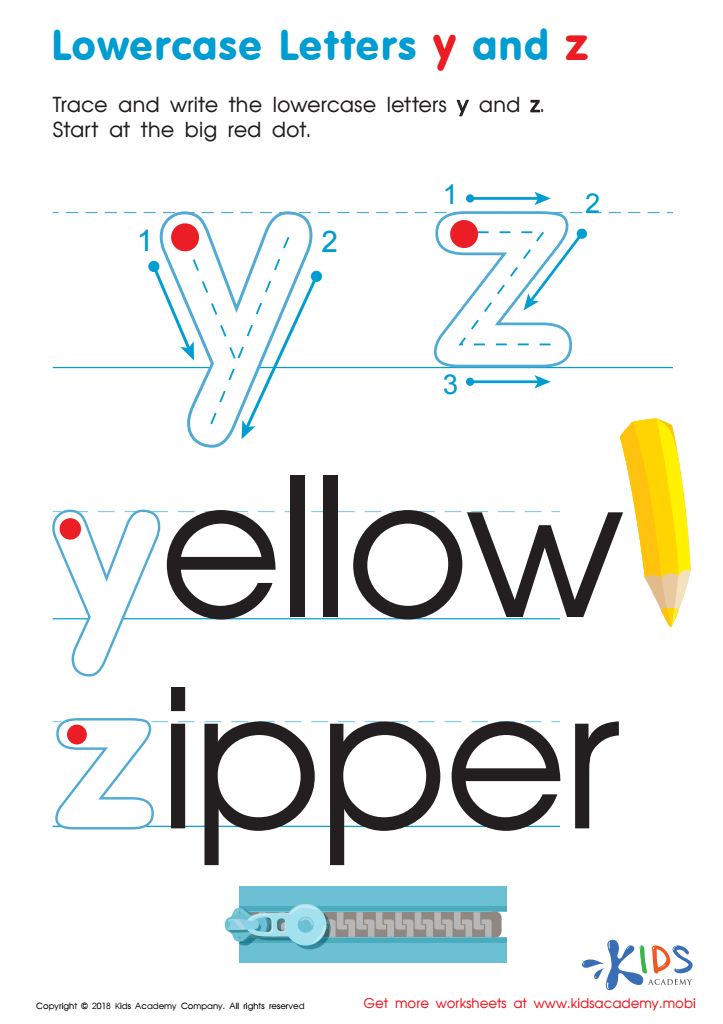
Lowercase Letters y z Worksheet
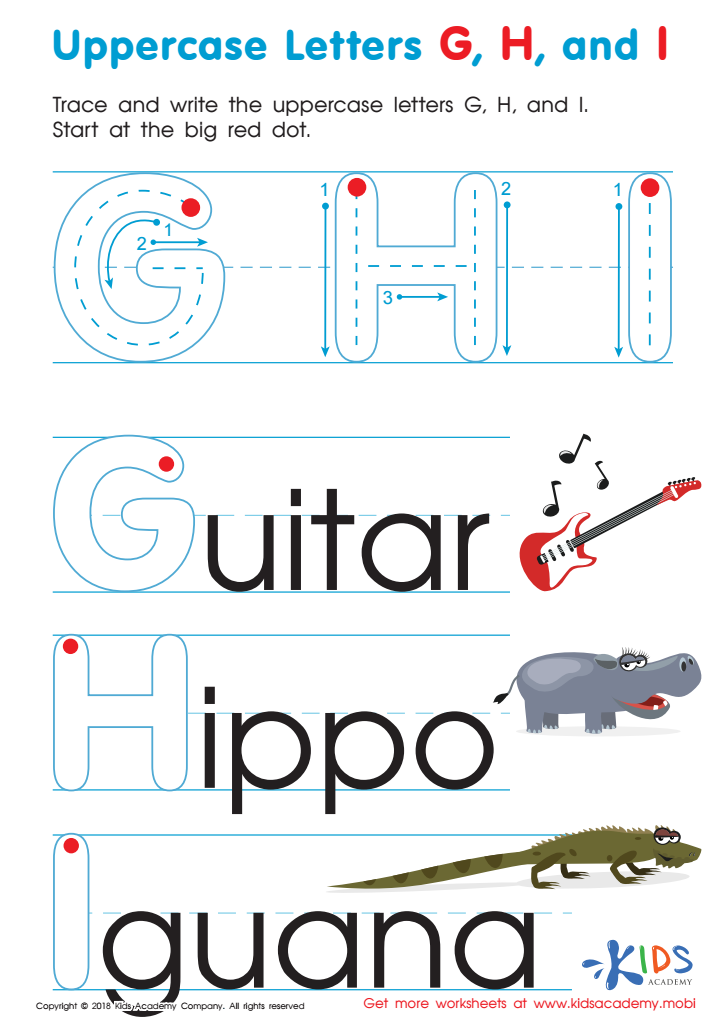
Uppercase Letters G, H, and I Worksheet
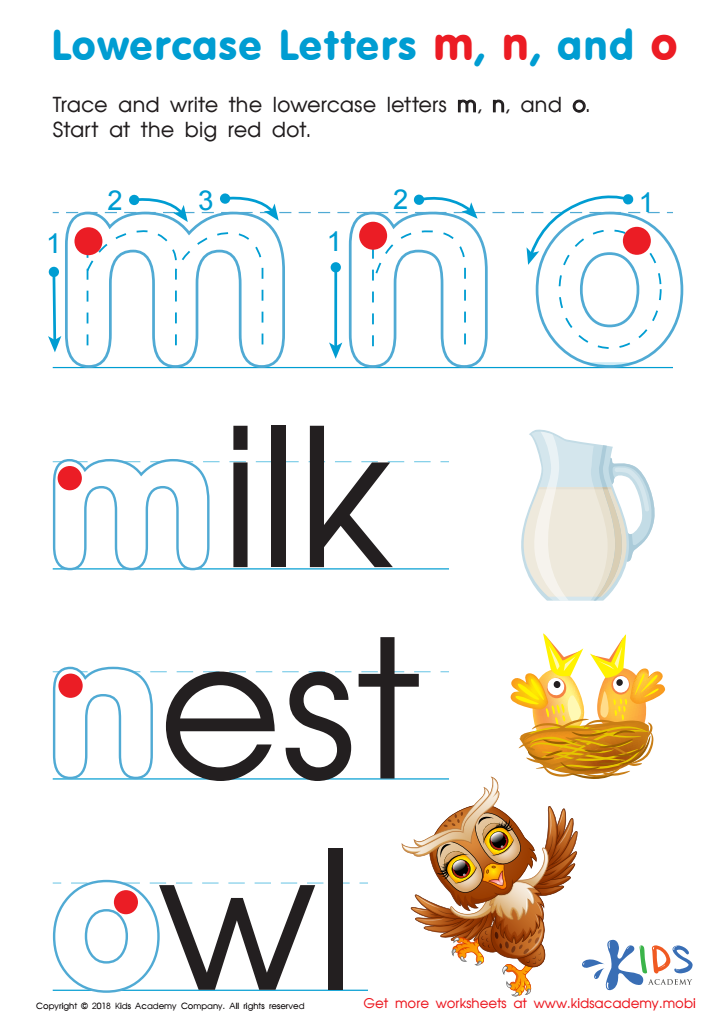
Lowercase Letters m n o Worksheet
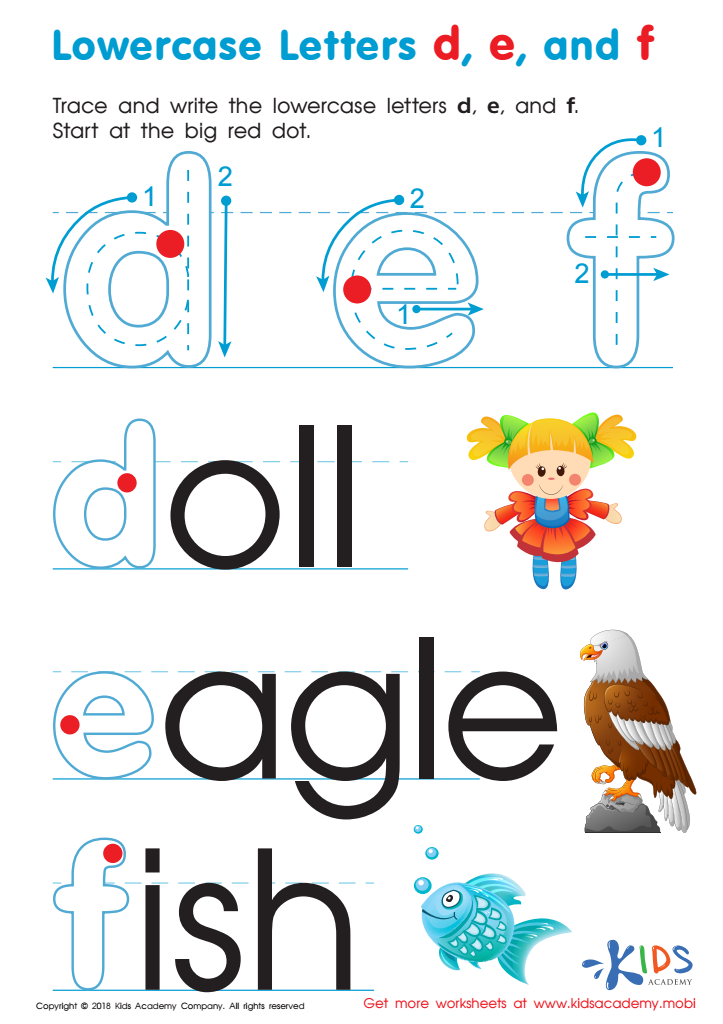
Lowercase Letters d e f Worksheet
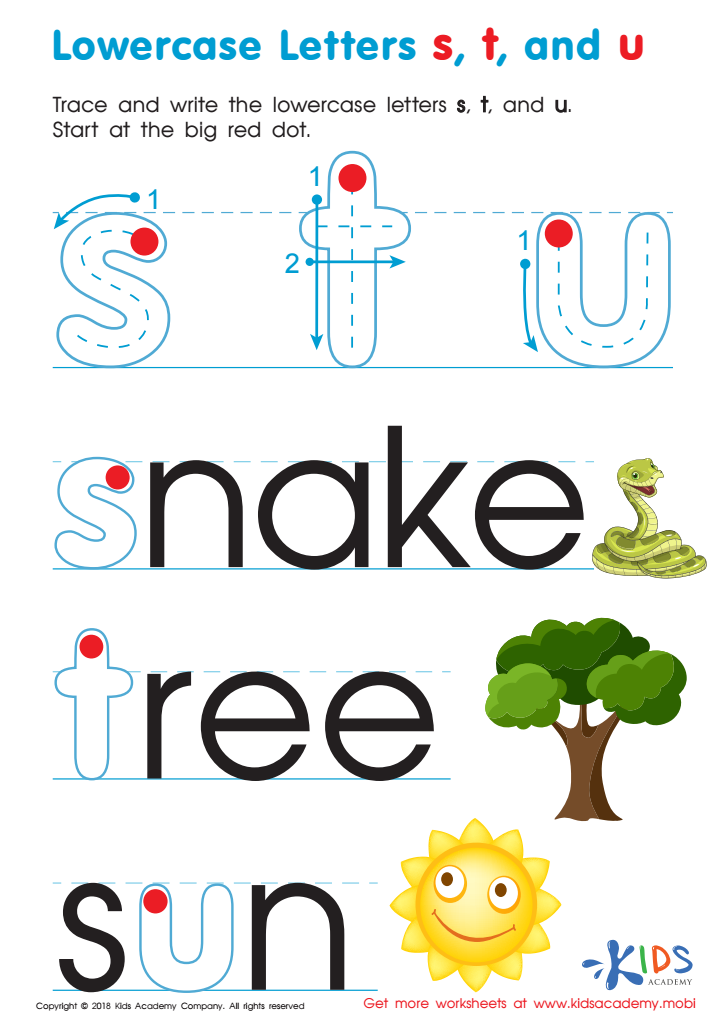
Lowercase Letters s t u Worksheet
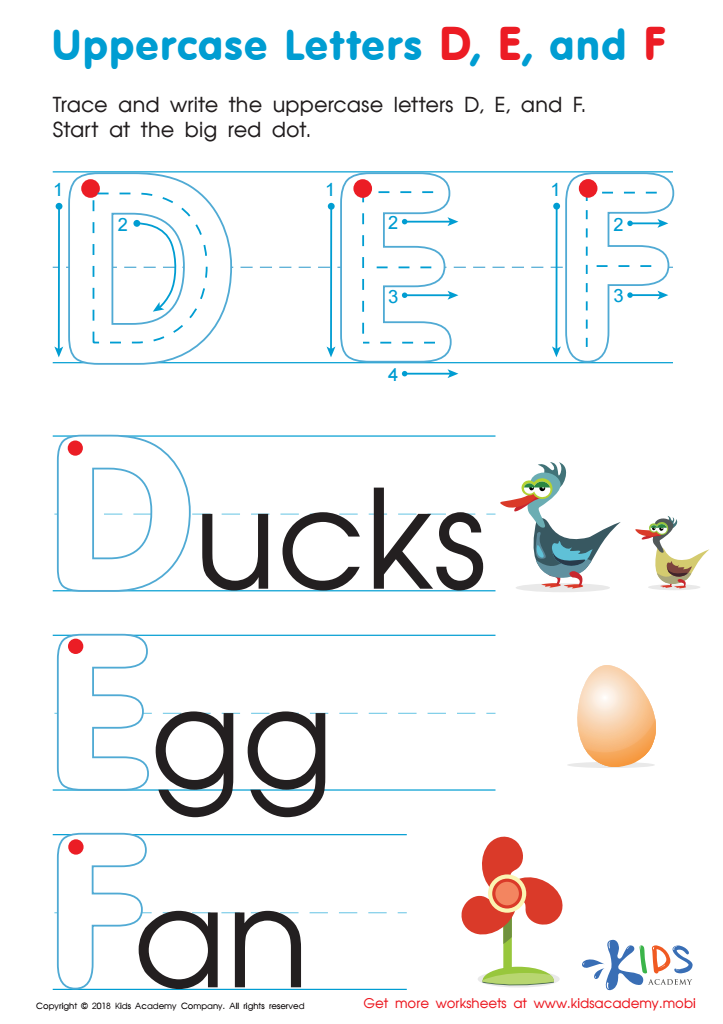
Uppercase Letters D, E, and F Worksheet

Uppercase Letters Y Z Worksheet
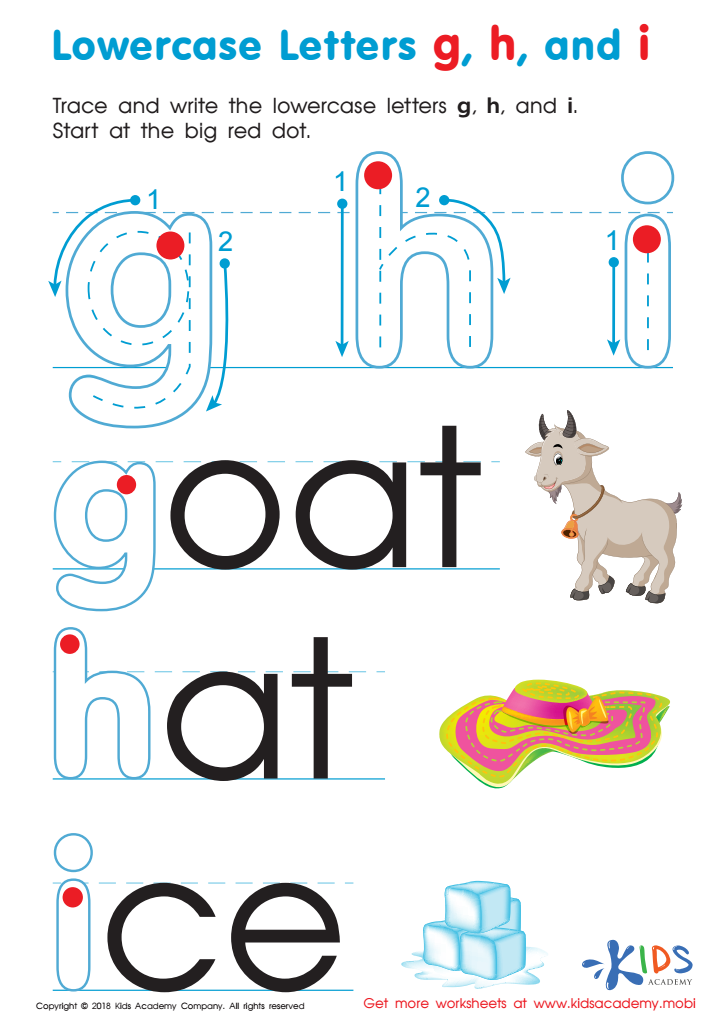
Lowercase Letters g h i Worksheet
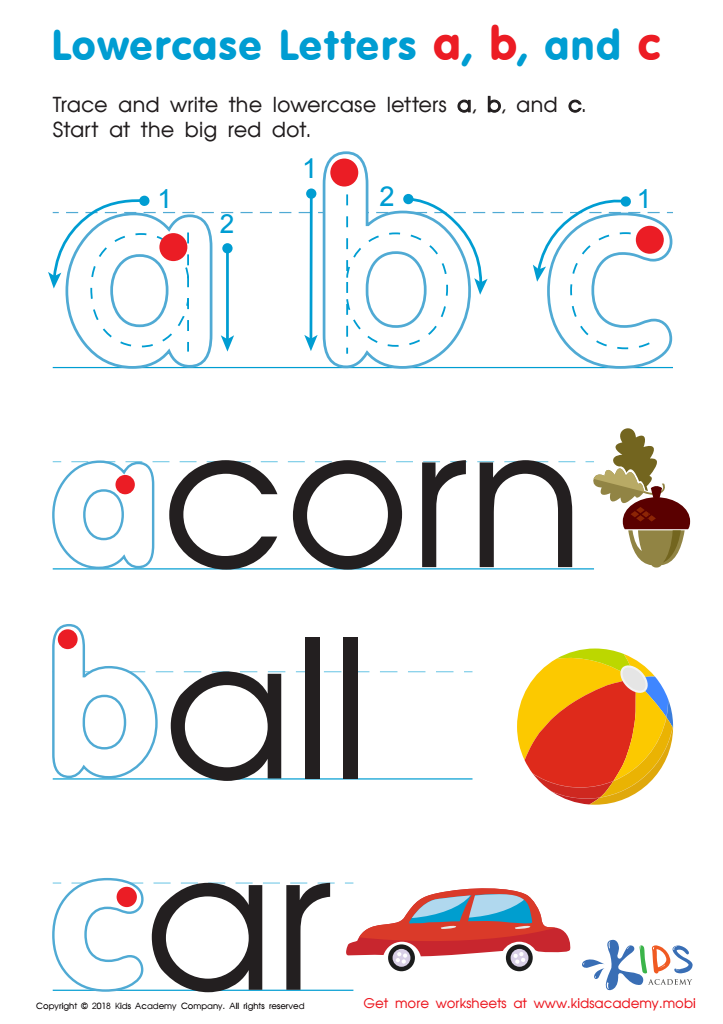
Lowercase Letters a b c Worksheet
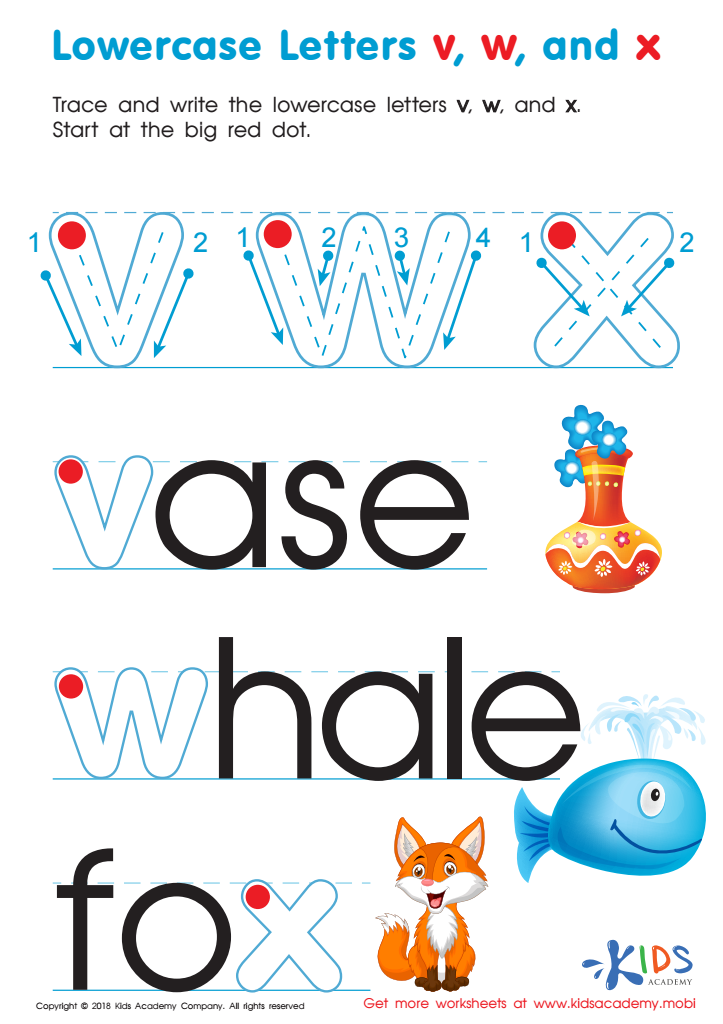
Lowercase Letters v w x Worksheet
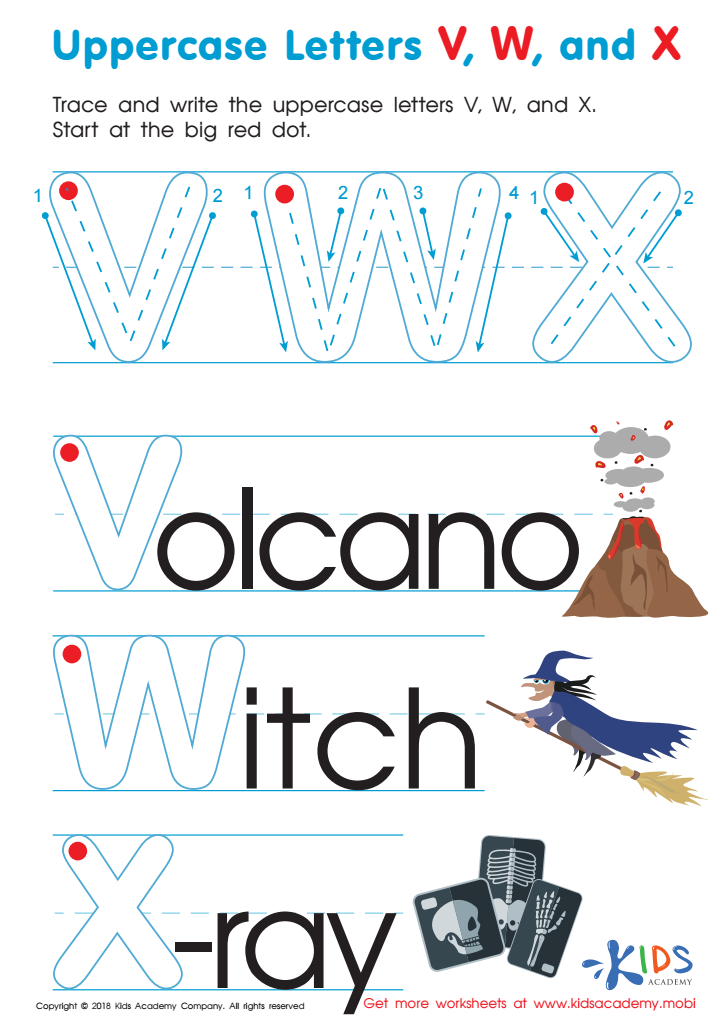
Uppercase Letters V, W, and X Worksheet






Handwriting practice, particularly for normal upper and lowercase letters, is essential for children aged 6-7 as it lays the foundation for effective written communication. At this age, children are developing their fine motor skills and hand-eye coordination, which are crucial for overall academic success. Mastering handwriting contributes to their ability to express thoughts clearly and confidently.
Furthermore, good handwriting fosters a positive self-image and motivation among young learners. When children take pride in their ability to write legibly, they are more likely to engage in writing activities, enhancing creativity and critical thinking. Additionally, proper handwriting aids in learning to read, as it helps children recognize letter forms and spellings, bridging important connections between oral and written language.
Improved handwriting can also minimize frustration during assessments, allowing children to focus on their ideas rather than struggling with the mechanics of writing. By emphasizing handwriting practice, parents and teachers can create a supportive environment that fosters discipline, patience, and perseverance—habits that will serve children well beyond their early years in school. Therefore, investing time in upper and lowercase letter practice is critical for holistic development, academic growth, and positive lifelong learning experiences.







