Alphabet tracing Normal Worksheets for Ages 6-7
5 filtered results
-
From - To
Unlock your child's potential with our Alphabet Tracing Normal Worksheets tailored for children aged 6-7. These expertly designed sheets help kids master letter formation and pencil control while enhancing their fine motor skills. Each worksheet provides an engaging and fun experience, ensuring repetitive practice of both uppercase and lowercase letters. Foster a strong foundation in handwriting by integrating our reliable, easy-to-use resources into your daily learning routine. Set the stage for literacy success and watch your child’s confidence soar with consistent practice and effective learning tools. Perfect for home or classroom use!

Letter P Tracing Page
 Assign to My Students
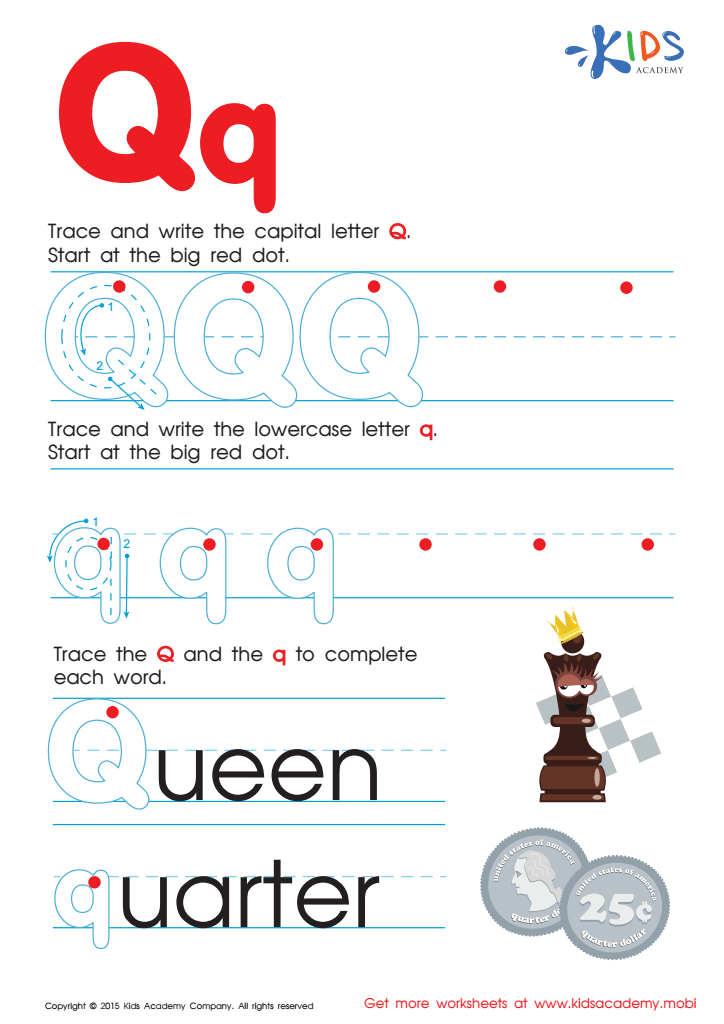
Letter Q Tracing Page

Letter H Tracing Page
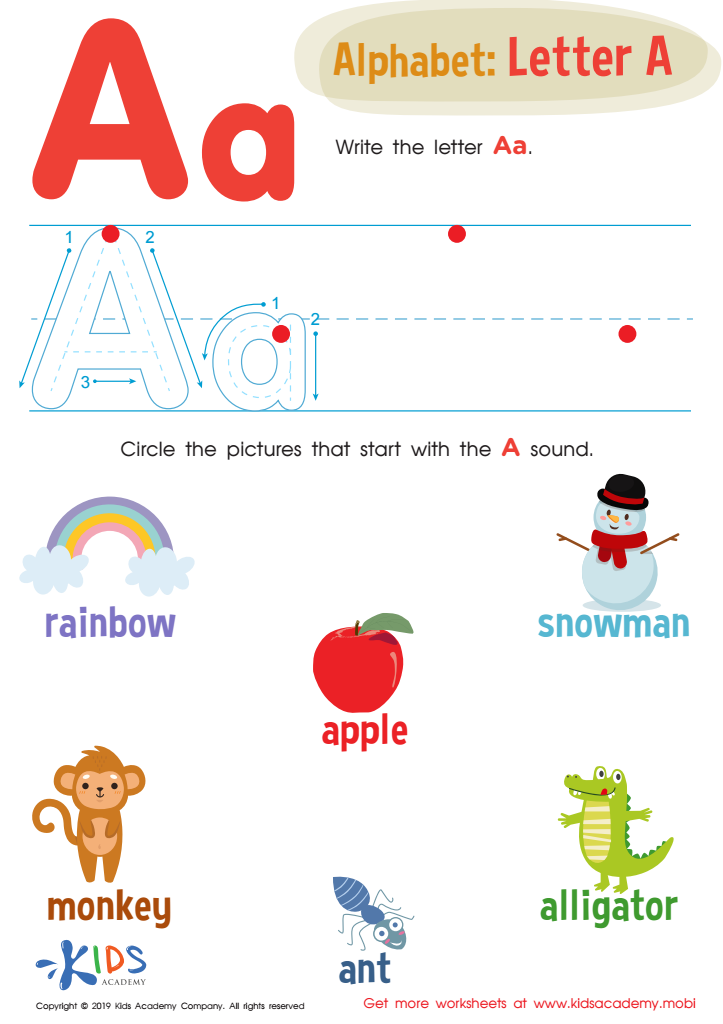
Letter A Tracing Worksheet

Letter D Tracing Page








Parents and teachers should prioritize alphabet tracing for children aged 6-7 because it plays a crucial role in their early literacy development. Alphabet tracing helps young learners improve their handwriting skills, which are foundational for their overall academic success. At this developmental stage, fine motor skills are still maturing, and tracing activities provide the repetitive practice needed to refine these skills. As children trace letters, they gain a better understanding of letter shapes and structures, enhancing their ability to recognize and reproduce letters independently.
Moreover, alphabet tracing reinforces letter-sound recognition, which is essential for spelling and reading proficiency. Through consistent practice, children start to form mental connections between how letters look, how they are written, and the sounds they make. These associations support the development of phonemic awareness, a key component in learning to read.
Additionally, tracing exercises promote cognitive skills such as focus, attention to detail, and the ability to follow instructions. The integration of sensory experiences, such as seeing, touching, and moving, strengthens multisensory learning pathways in the brain, fostering better retention and recall.
In summary, alphabet tracing for ages 6-7 is fundamental for developing fine motor skills, handwriting, letter-sound recognition, and cognitive skills. It builds a strong foundation for literacy, ensuring children are well-equipped for future academic challenges.








