Fine motor skills development Normal Worksheets for Ages 6-7
6 filtered results
-
From - To
Nurture your child’s fine motor skills with our expertly crafted worksheets designed for ages 6-7. These worksheets are crucial for developing intricate hand-eye coordination, dexterity, and precision. Through engaging activities like tracing, cutting, and drawing, children will enhance their ability to perform everyday tasks such as writing and buttoning. Our age-appropriate exercises are perfect for building the foundational skills necessary for academic success and daily life. Empower your child with the confidence and abilities needed for their growing independence. Start today and watch their fine motor skills flourish! Visit [link] to explore our full range of worksheets.

I Stands High Worksheet
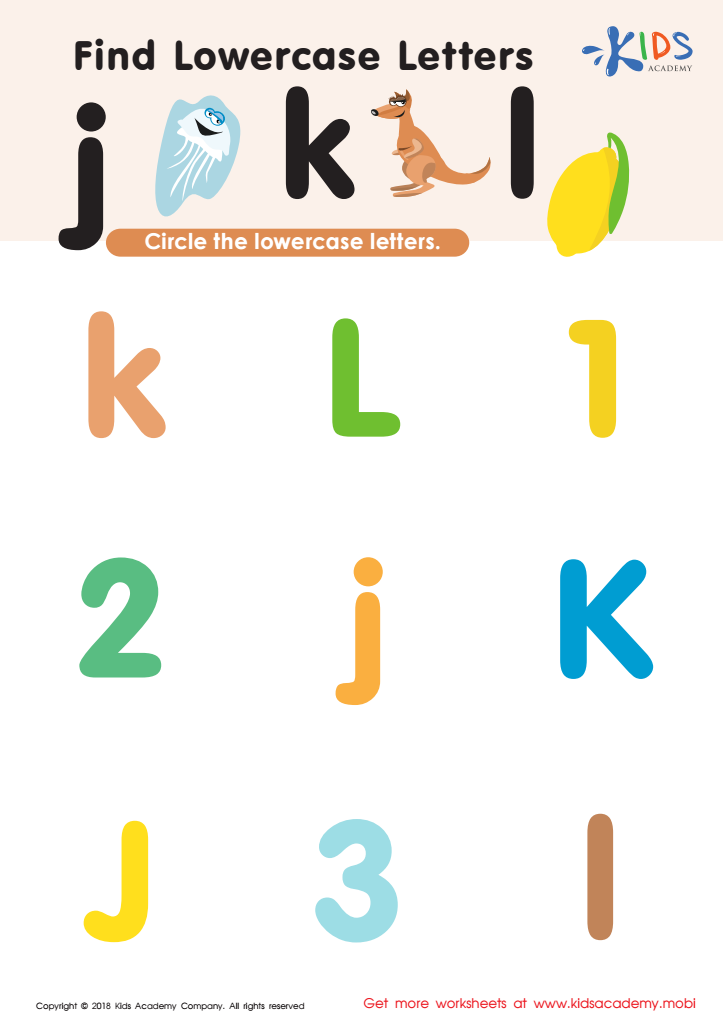
Find Lowercase Letters j k l Worksheet
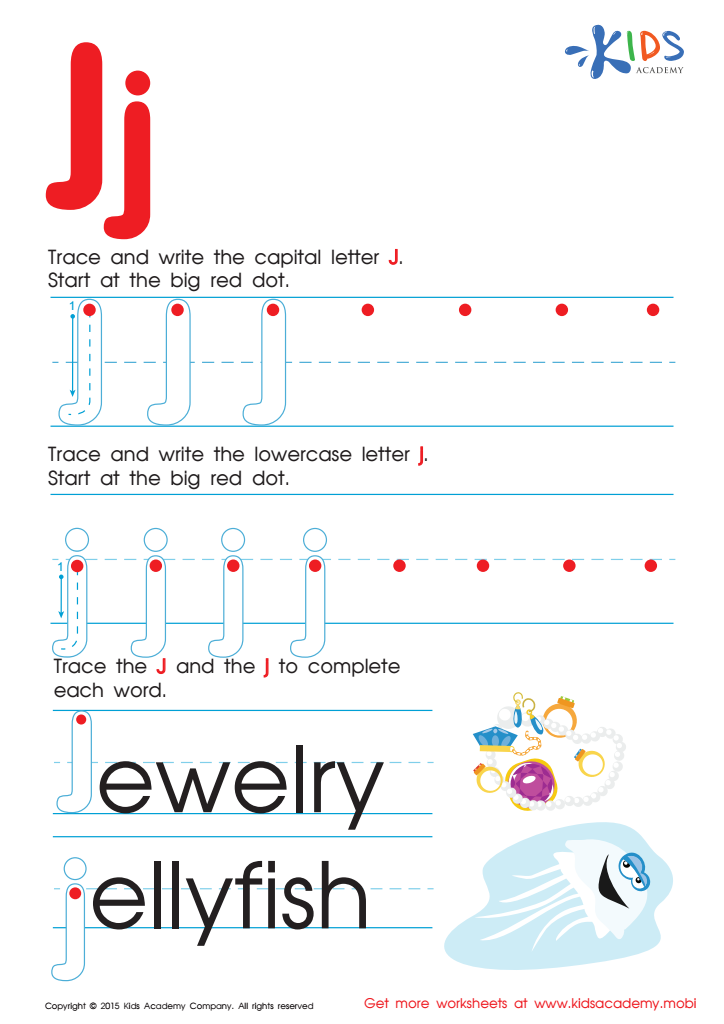
Letter J Tracing Page
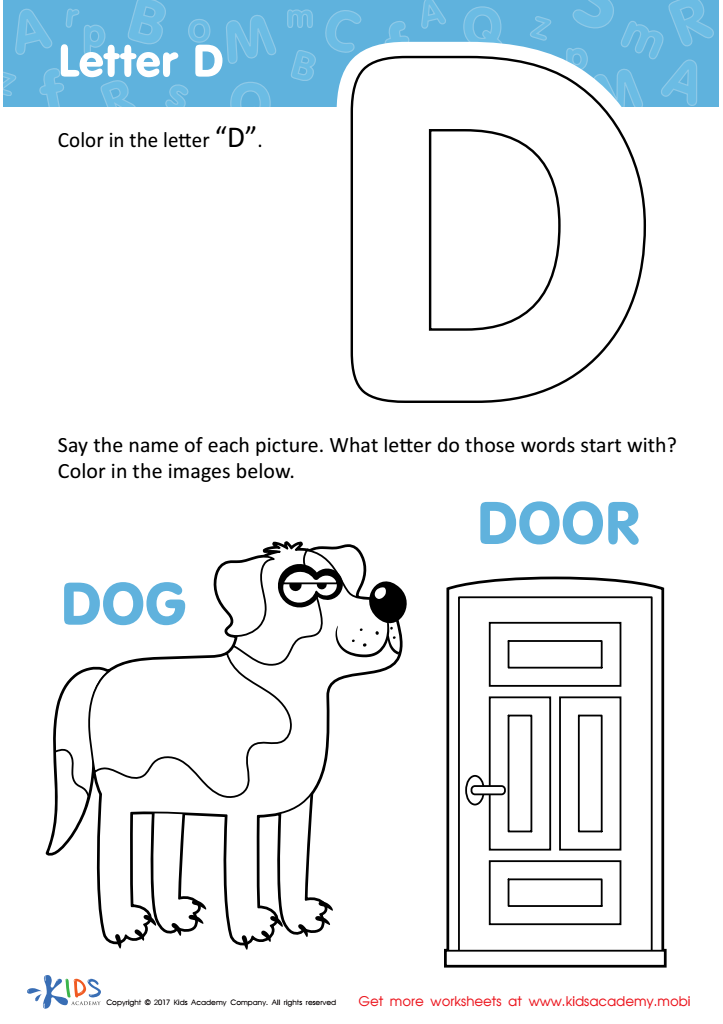
Letter D Coloring Sheet
 Assign to My Students

Night Sky Constellations: Aries Worksheet
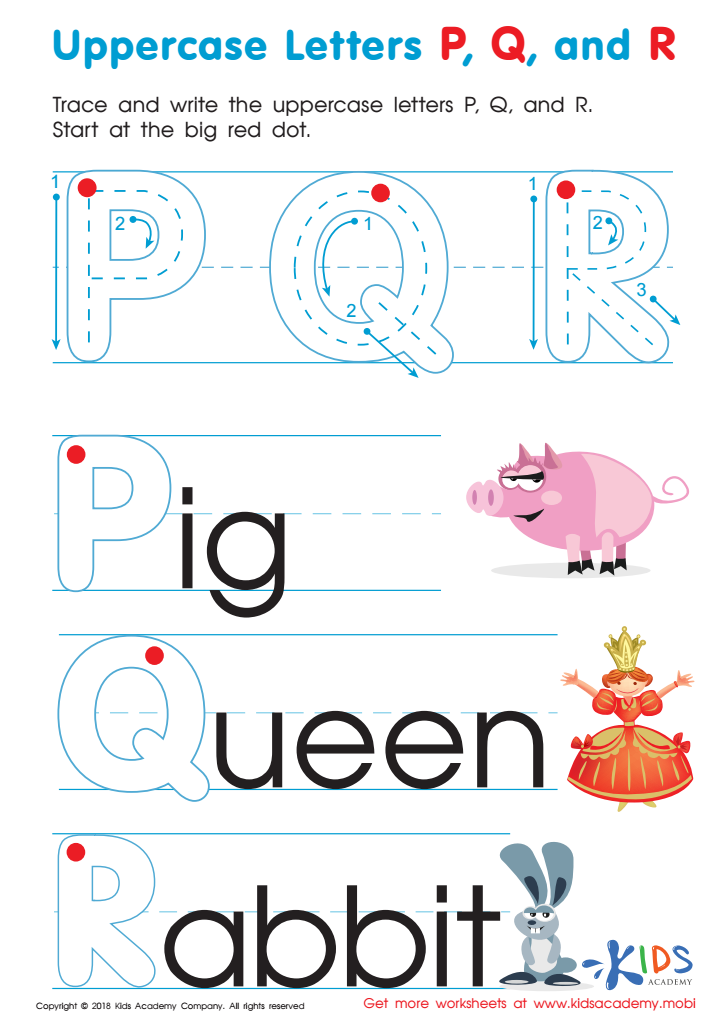
Uppercase Letters P, Q, and R Worksheet







Fine motor skills development is crucial for children aged 6-7 as it significantly impacts their daily functioning and academic success. These skills involve the coordination of small muscles in the hands and fingers, enabling children to perform essential tasks such as writing, buttoning clothes, and using utensils. Mastery of fine motor skills allows children to gain independence in personal care and contributes to their self-esteem and confidence.
In an academic setting, fine motor skills are foundational for activities like writing, drawing, and manipulating small objects, which are all crucial for effective communication and learning. Without well-developed fine motor skills, children may struggle with classroom tasks, leading to frustration and decreased motivation. These difficulties can hinder their academic progress and overall development.
Moreover, fine motor skills are closely linked to cognitive development. Tasks that require fine motor precision, such as puzzles and construction play, promote problem-solving, attention to detail, and spatial awareness. These activities also enhance hand-eye coordination and prepare children for more complex motor tasks as they grow.
Therefore, parents and teachers should actively engage children in activities that foster fine motor development. This can include arts and crafts, playing with building blocks, and practicing writing. Encouraging these activities support a child’s academic abilities and their overall growth, ensuring they build a solid foundation for future skills and learning.








