Identifying story elements Normal Worksheets for Ages 6-7
3 filtered results
-
From - To
Explore our engaging "Identifying Story Elements Normal Worksheets" designed for children ages 6-7. These interactive resources help young learners recognize fundamental components of stories, including characters, settings, plots, and main ideas. Our worksheets are thoughtfully crafted to spark imagination and foster comprehension skills, making reading a fun adventure. Ideal for classroom or home activities, these exercises encourage critical thinking and enhance literacy skills as kids become confident storytellers. Simply download and print to start your children on an exciting journey of literary exploration today! Perfect for integrating into your lesson plans or for independent practice, our worksheets will captivate and educate young minds.
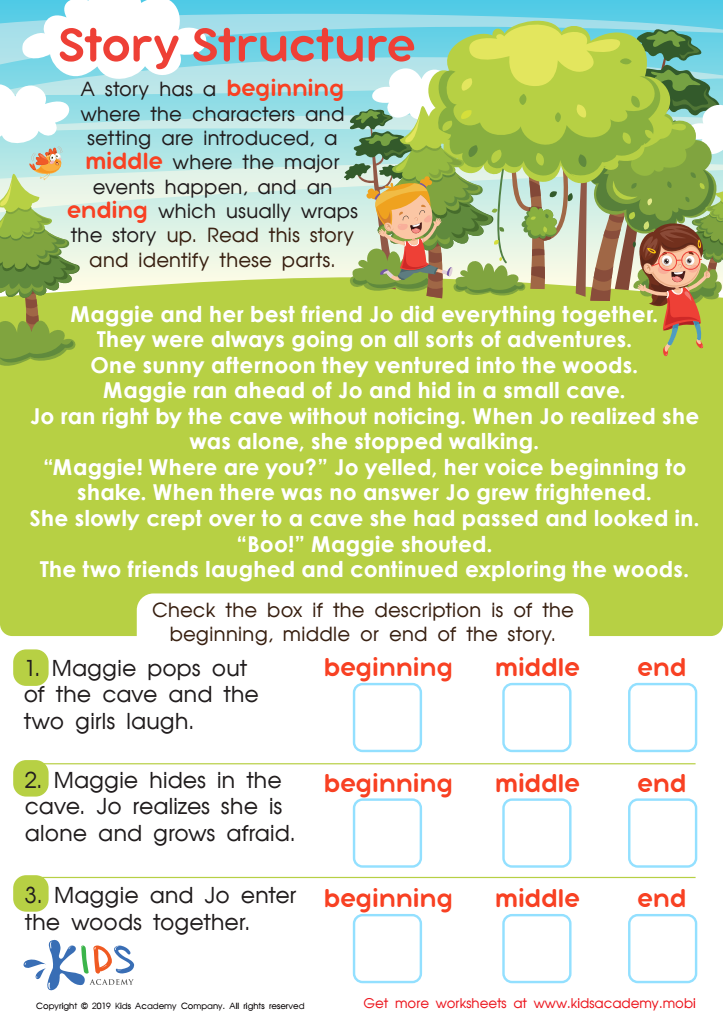
Story Structure Worksheet
 Assign to My Students
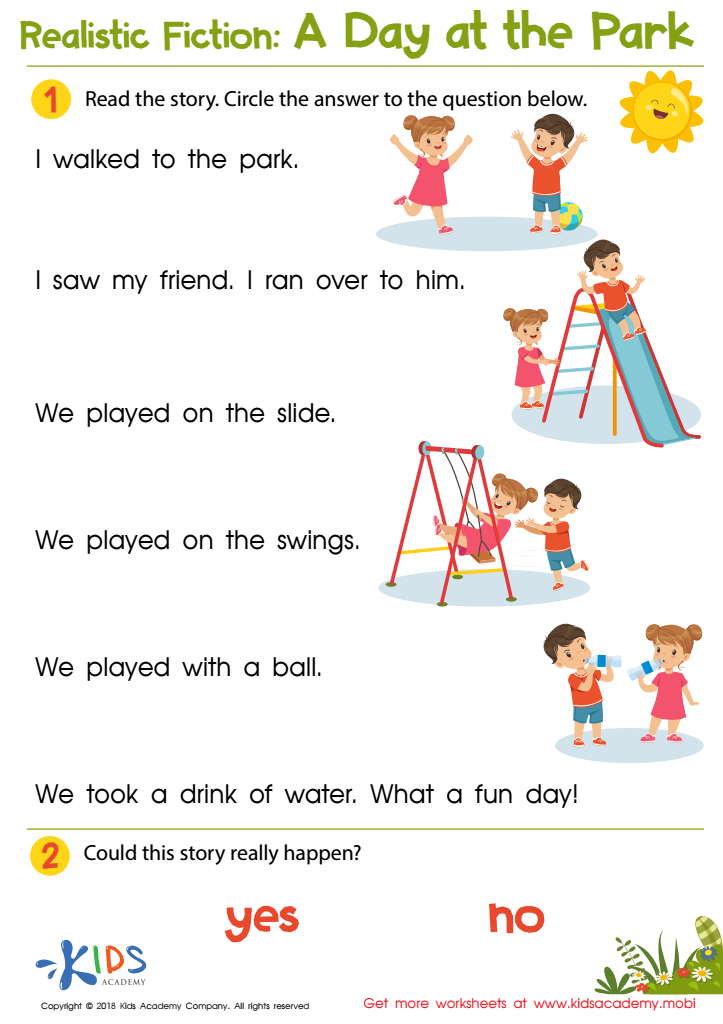
A Day at the Park Worksheet
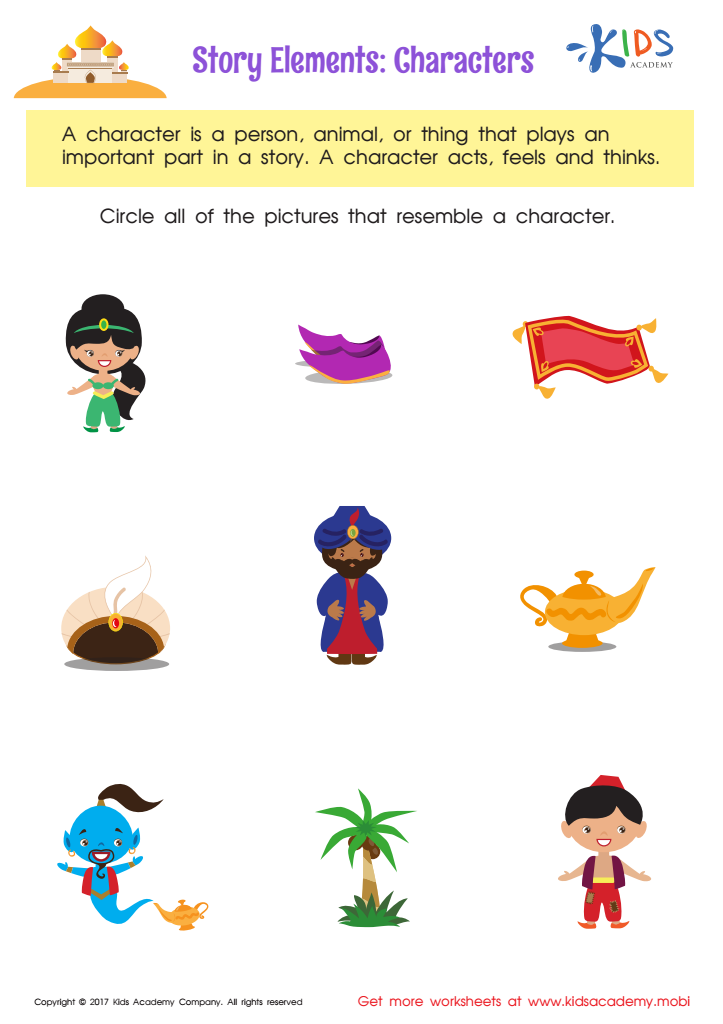
Story Elements Printable




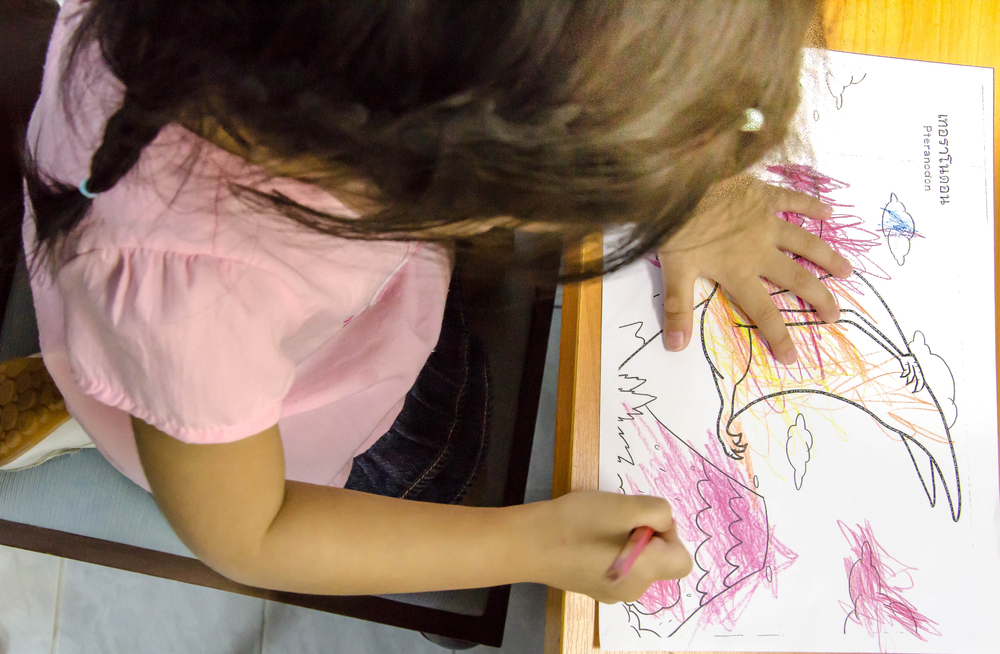


Identifying story elements is crucial for children aged 6-7, as it forms the foundation for literacy and comprehension. Parents and teachers play a vital role in guiding children to recognize elements such as characters, settings, plot, conflict, and resolution. When children understand these components, they enhance their ability to follow narratives, predicting outcomes and connecting with the material on a deeper level.
By focusing on story elements, educators can foster critical thinking and discussion skills. Children learn to analyze stories instead of passively consuming them, encouraging dialogue about characters’ motivations and the consequences of their actions. This skillset not only supports reading comprehension but also nurtures creativity, as kids begin crafting their own stories.
Moreover, recognizing story elements aids vocabulary development and enhances writing skills. Children become equipped to create structured narratives, utilizing their understanding of plots and character development.
For parents, engaging in this process during reading time enhances the bonding experience and promotes a love for literature. Storytelling becomes an interactive adventure, where comprehension skills are developed through discussion and exploration. In essence, valuing the identification of story elements at this age fosters lifelong learners who appreciate narratives both in books and in their everyday lives.








