Improving observation skills Normal Worksheets for Ages 6-7
4 filtered results
-
From - To
Enhance your child's observation skills with our specially designed worksheets for ages 6-7. Our engaging activities help young learners sharpen their attention to detail through fun and interactive exercises. These worksheets use colorful illustrations and diverse tasks, such as spotting differences, matching objects, and finding hidden items, to make learning enjoyable. By boosting their observational abilities, children enhance their critical thinking and problem-solving skills, laying a strong foundation for academic success. Perfect for classroom use or at-home practice, our observation skills worksheets are a valuable resource for any young learner's development. Explore our collection today and watch your child's skills grow!
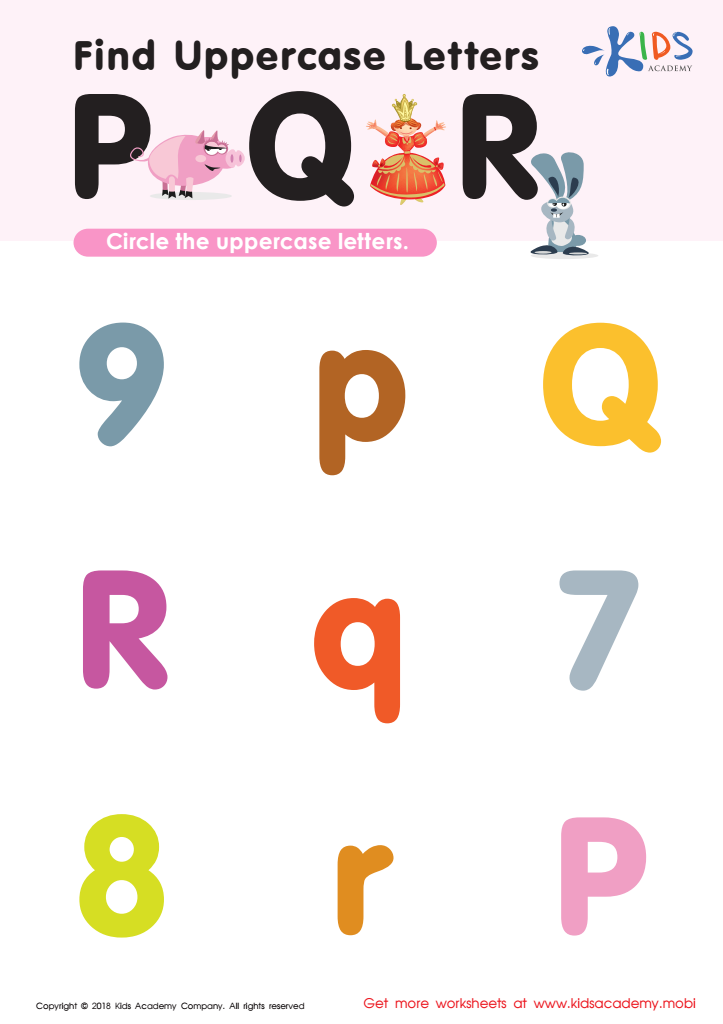
Find Uppercase Letters P, Q, and R Worksheet
 Assign to My Students
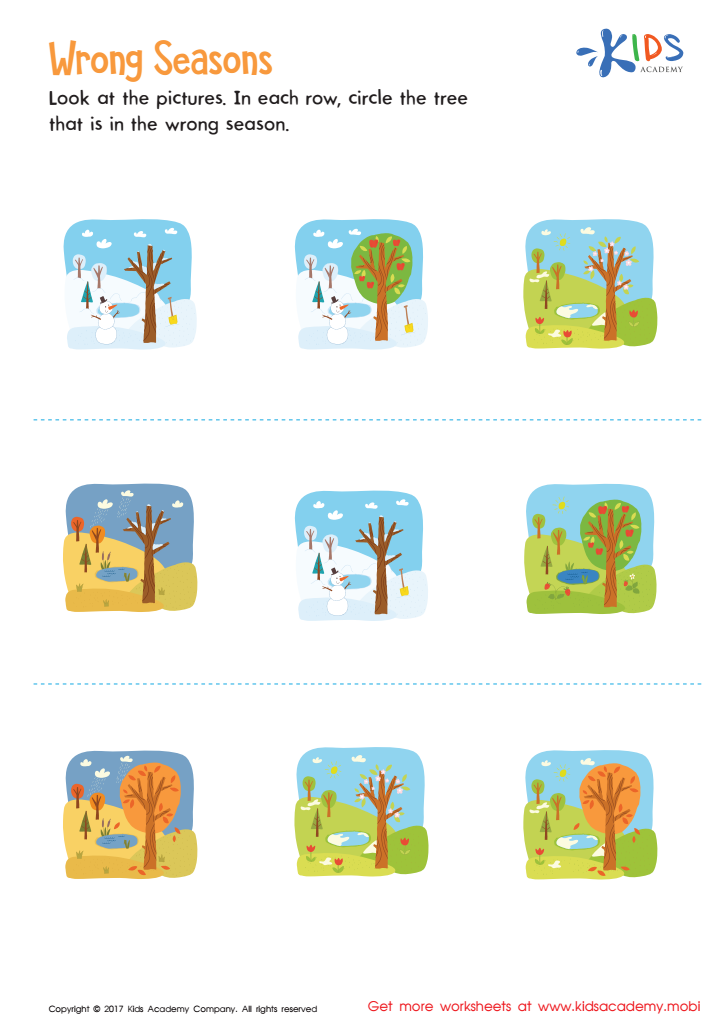
Wrong Seasons Worksheet
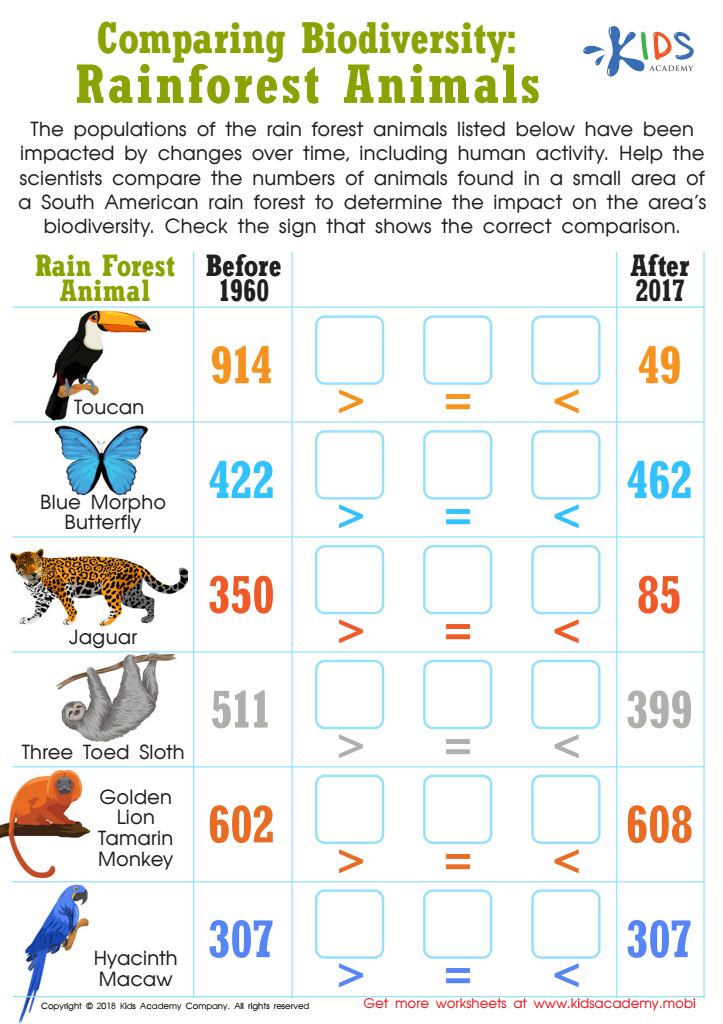
Comparing Biodiversity: Rainforest Animals Worksheet
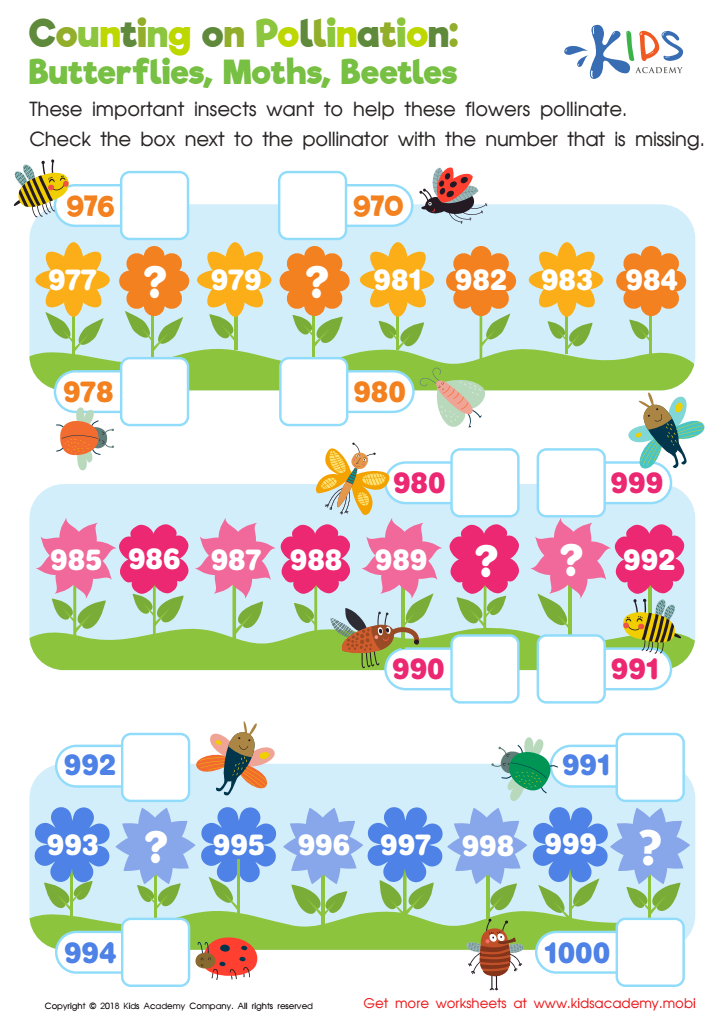
Counting on Pollination: Butterflies, Moths, Beetles Worksheet






.jpg)

Improving observation skills in children aged 6-7 is crucial for several reasons. Firstly, it enhances learning and comprehension. At this age, children are naturally curious and eager to explore their surroundings. By honing their ability to observe, they can better understand concepts in subjects like science, where noticing details in experiments leads to greater discoveries, or in reading, where observing pictures and text features aids comprehension.
Secondly, observation skills are foundational for critical thinking and problem-solving. When children learn to keenly observe, they can identify patterns, relationships, and discrepancies, which are essential for making informed decisions and solving problems efficiently.
Thirdly, strong observation skills are tied to emotional and social development. By paying attention to social cues, body language, and the emotional states of others, children can develop empathy, improve communication, and build stronger relationships with peers and adults.
Finally, fostering these skills encourages mindfulness and promotes a lifelong love of learning. When children are taught to carefully observe their world, they become more present, engaged, and appreciative of the details around them. This capability lays a foundation for academic success and personal growth, making it a vital area for parents and teachers to nurture in early childhood education.








