Letter Tracing Practice Normal Worksheets for Ages 6-7
6 filtered results
-
From - To
Enhance your child's writing skills with our "Letter Tracing Practice Normal Worksheets for Ages 6-7." Designed specifically to support learning at this crucial stage, these worksheets help young learners master the art of letter formation. Through fun and engaging exercises, children practice tracing both upper and lower case letters, improving their fine motor skills and hand-eye coordination. Perfect for home or classroom use, these printable worksheets provide a solid foundation for literacy development, ensuring your child is confident and school-ready. Download now and watch your child's writing skills flourish with structured and enjoyable activities.
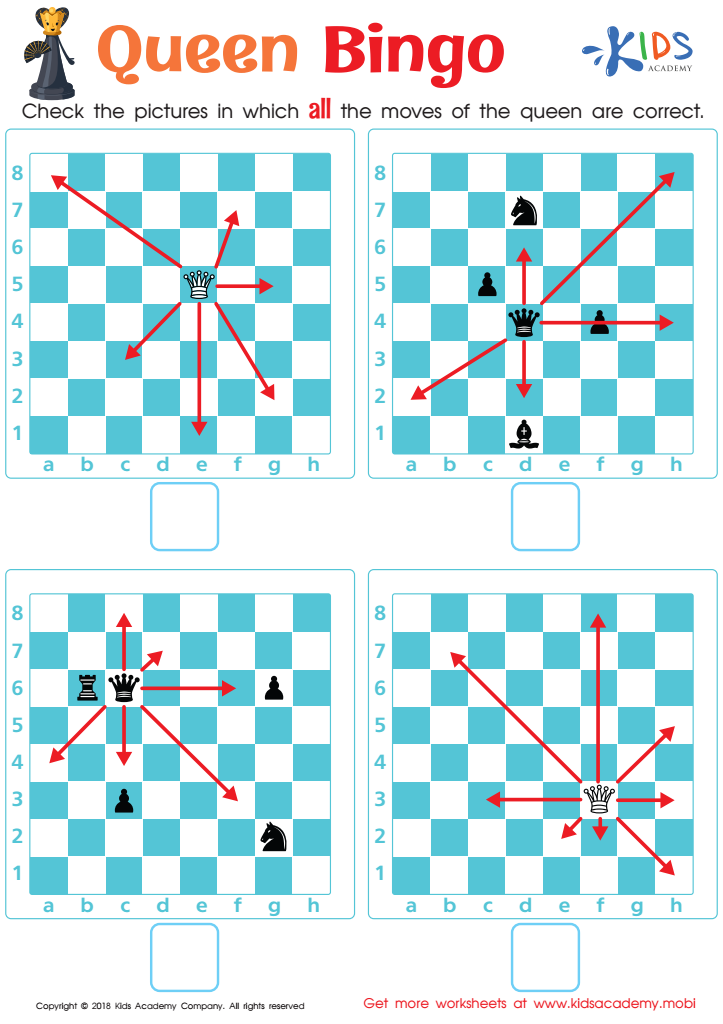
Queen Bingo Worksheet
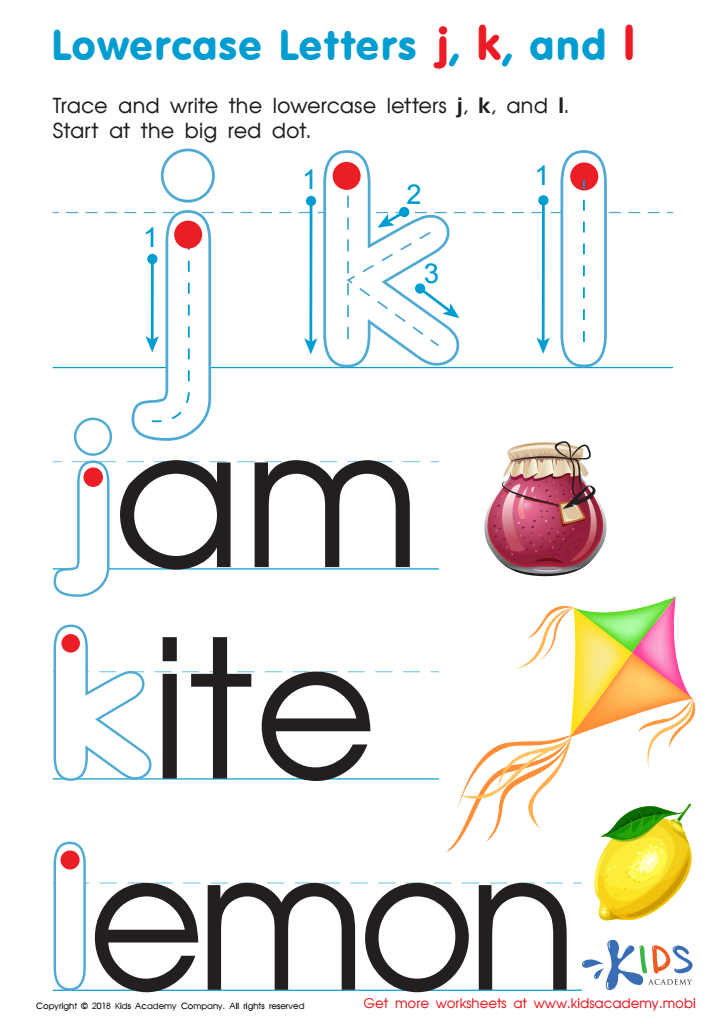
Lowercase Letters j k l Worksheet
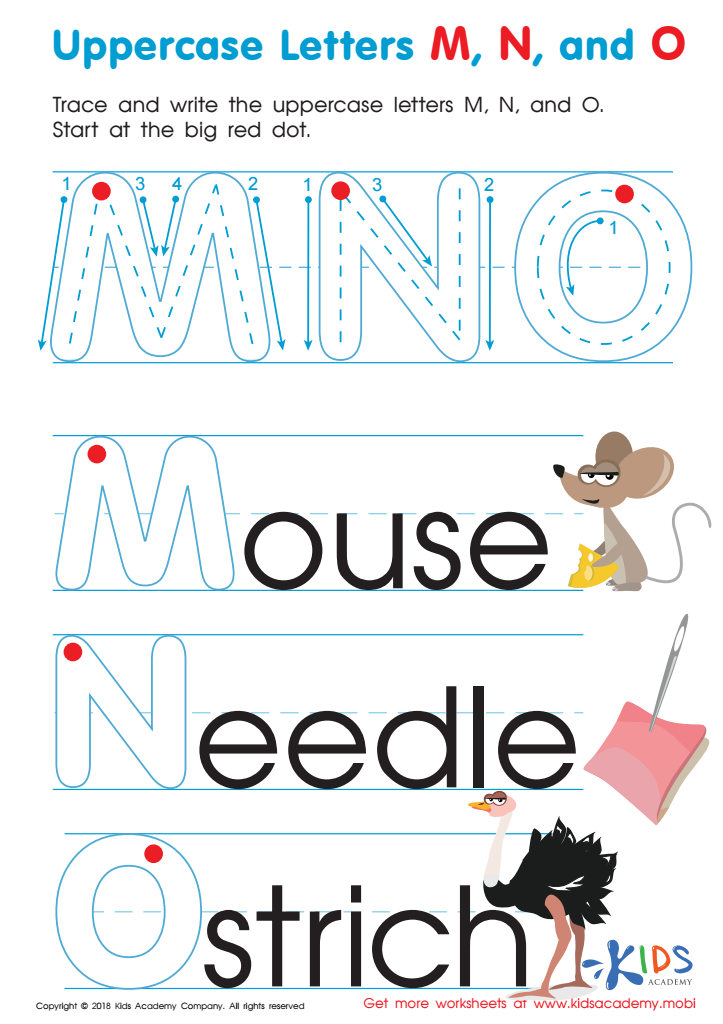
Uppercase Letters M, N, and O Worksheet
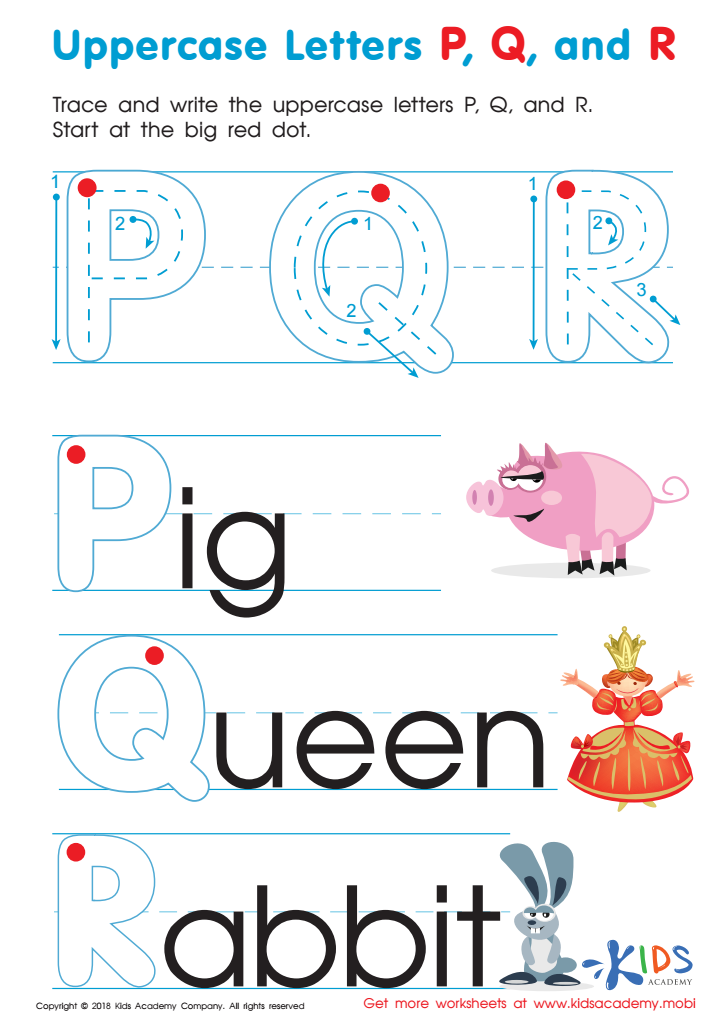
Uppercase Letters P, Q, and R Worksheet
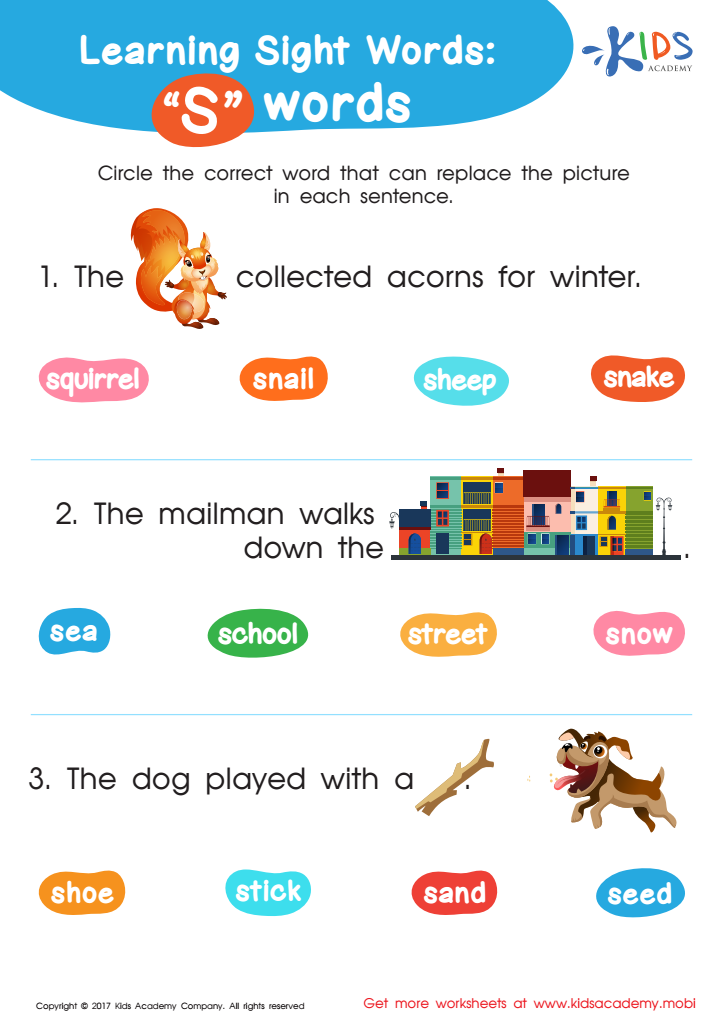
S Words Sight Words Worksheet
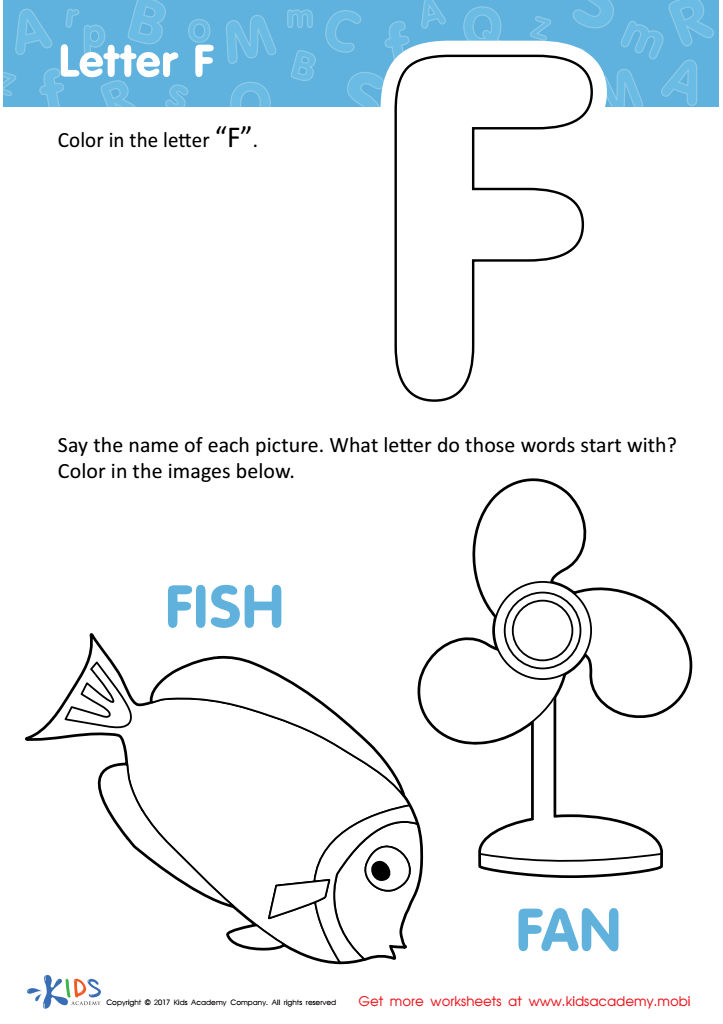
Letter F Coloring Sheet
 Assign to My Students








Letter tracing practice is fundamental for children ages 6-7 because it forms the cornerstone of writing skills and, by extension, communication abilities. At this age, children's motor skills are still developing, and letter tracing helps solidify fine motor control in their hands and fingers. Engaging in this practice ensures children can form letters clearly and efficiently, which fosters confidence in their writing ability.
Furthermore, letter tracing reinforces letter recognition and familiarity with the alphabet, two skills essential for literacy development. As children trace letters repeatedly, they commit the shapes, curves, and lines of each letter to memory, which aids in reading fluency and accurate spelling down the line. It also creates a tactile learning experience that can be more effective for some learners compared to visual or auditory methods alone.
Practicing tracing also instills patience and attention to detail in young learners. It fosters an environment where kids learn about effort, persistence, and taking pride in neat work. Cumulatively, these benefits lay a sturdy foundation for future academic success, positively influencing a child's educational trajectory. Therefore, both parents and teachers should prioritize and encourage consistent letter tracing practice, recognizing it as a pivotal step in holistic child development.








