Sequencing events Normal Worksheets for Ages 6-7
4 filtered results
-
From - To
Our "Sequencing Events Normal Worksheets for Ages 6-7" are expertly designed to enhance logical thinking and reading comprehension in early learners. These engaging worksheets help children grasp the concept of sequencing by arranging pictures and sentences in the correct order. Through fun and interactive activities, kids will develop essential skills such as understanding story structure, improving narrative abilities, and enhancing their ability to follow directions. Perfect for use at home or in the classroom, these worksheets are an invaluable resource for fostering critical learning milestones in children ages 6 to 7. Encourage young minds to explore, understand, and organize events with confidence!
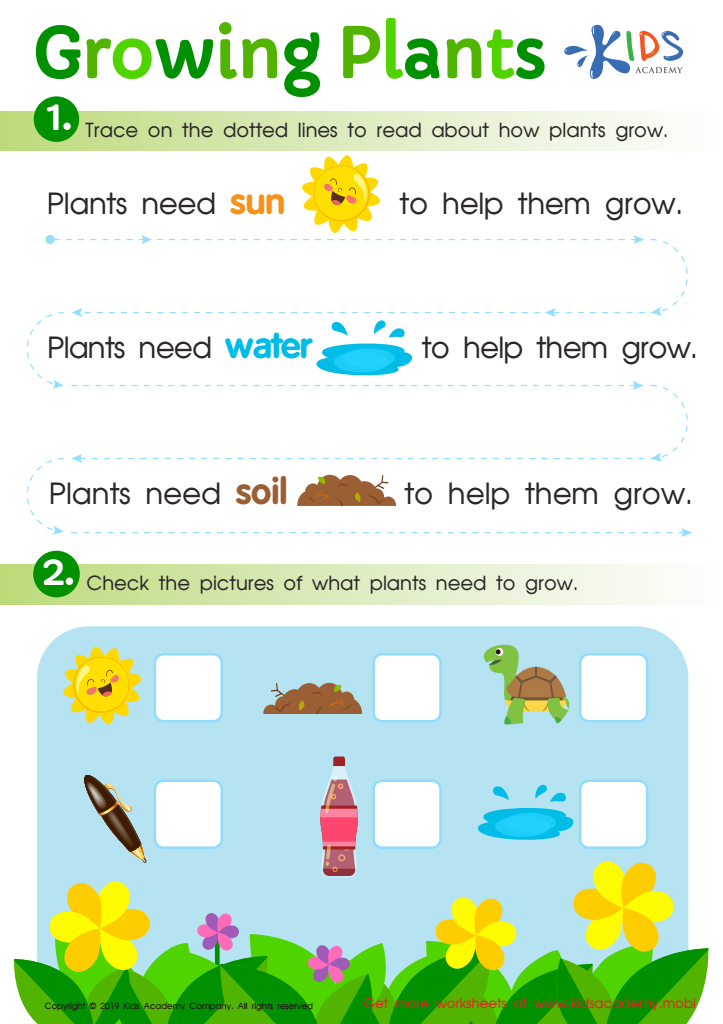
Growing Plants Worksheet
 Assign to My Students
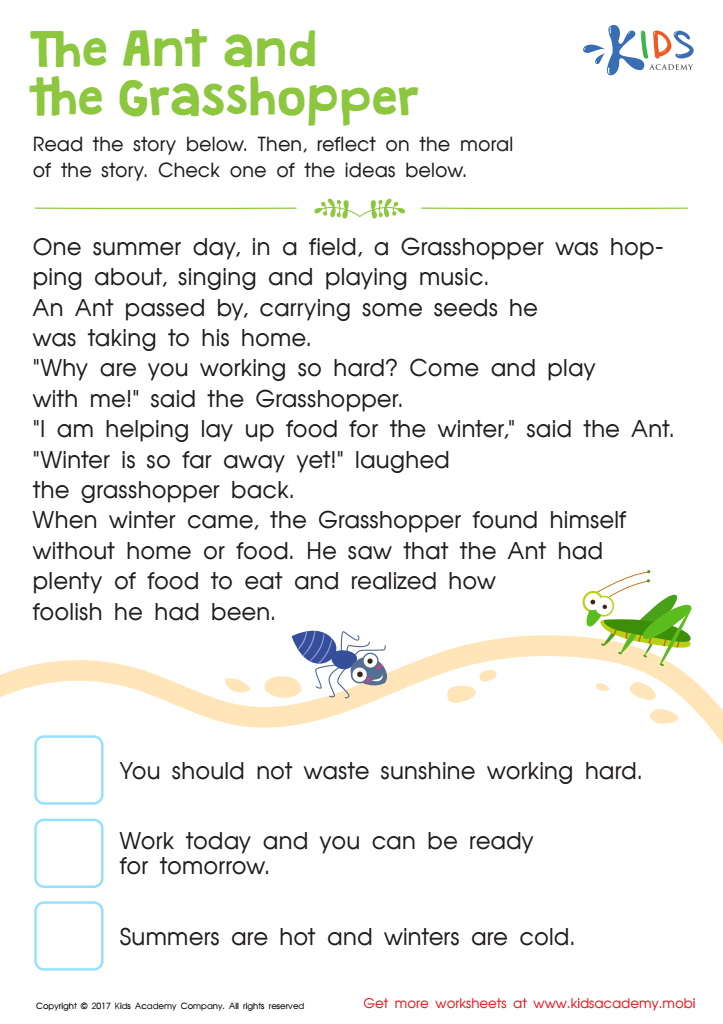
The Ant and The Grasshopper Printable

Emperor Penguin Journey Worksheet
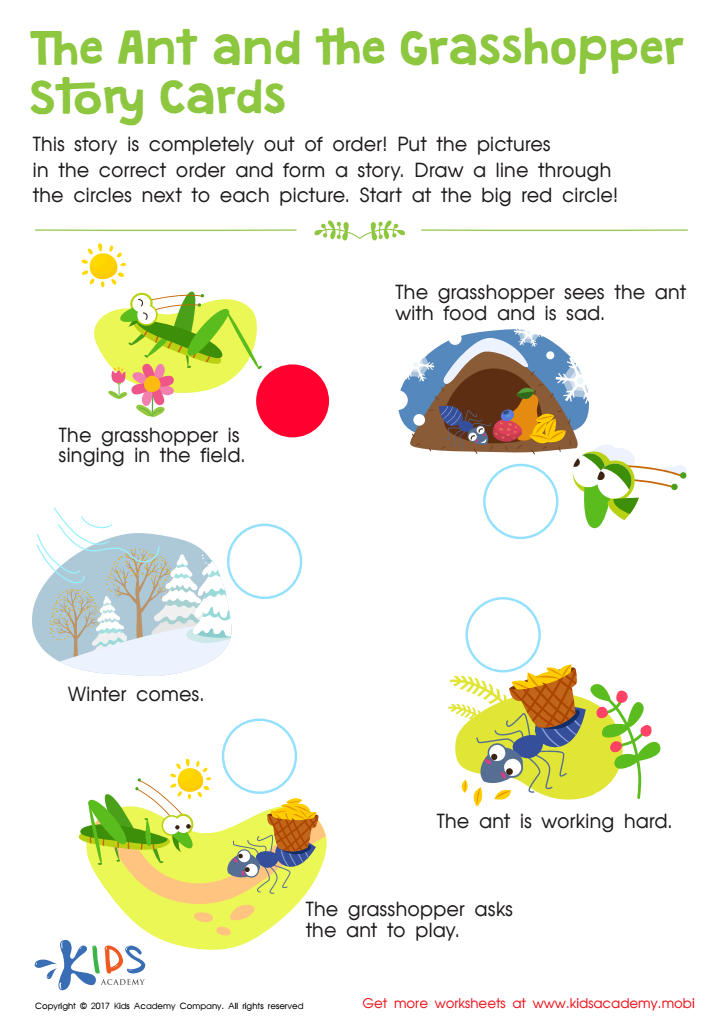
The Ant and The Grasshopper Worksheet





Sequencing events is an essential skill for children ages 6-7 as it forms the foundation for comprehension and critical thinking. Parents and teachers should prioritize this skill because it supports several crucial aspects of a child's development.
Firstly, sequencing helps with reading comprehension. Children learn to understand the order of events in a story, which enhances their ability to retell and recall information accurately. This foundational skill enables them to derive meaning from texts and follow plots, making reading a more engaging and educational experience.
Secondly, sequencing aids in cognitive development and logical thinking. By arranging events in a logical order, children learn to identify patterns and predict outcomes. For instance, understanding the sequence of daily routines, scientific processes, or math problems builds the groundwork for problem-solving skills.
Moreover, sequencing events is crucial for organizing thoughts and effective communication. When children describe events in the correct order, it improves their narrative skills, making it easier for others to understand their stories or explanations. This evolves into effective written communication as they advance in school.
Lastly, mastering sequencing promotes independence and confidence. When children know what to expect next in a sequence, such as in routines or multistep tasks, they navigate daily activities more smoothly, fostering self-reliance and a sense of accomplishment. Hence, caring about sequencing is investing in a child's overall academic and personal growth.








