Word identification Normal Worksheets for Ages 6-7
5 filtered results
-
From - To
Enhance your child’s reading skills with our engaging Word Identification Normal Worksheets designed for ages 6-7. These thoughtfully crafted worksheets provide young learners with a variety of fun and interactive activities that promote word recognition and vocabulary development. Through exciting exercises such as matching words to pictures, completing sentences, and circling specific words, children will build their confidence in reading. Each worksheet is tailored to meet the learning needs of this age group, making reading enjoyable and effective. Explore our collection today and help your child embark on a rewarding literacy journey that will shine in their academic future!
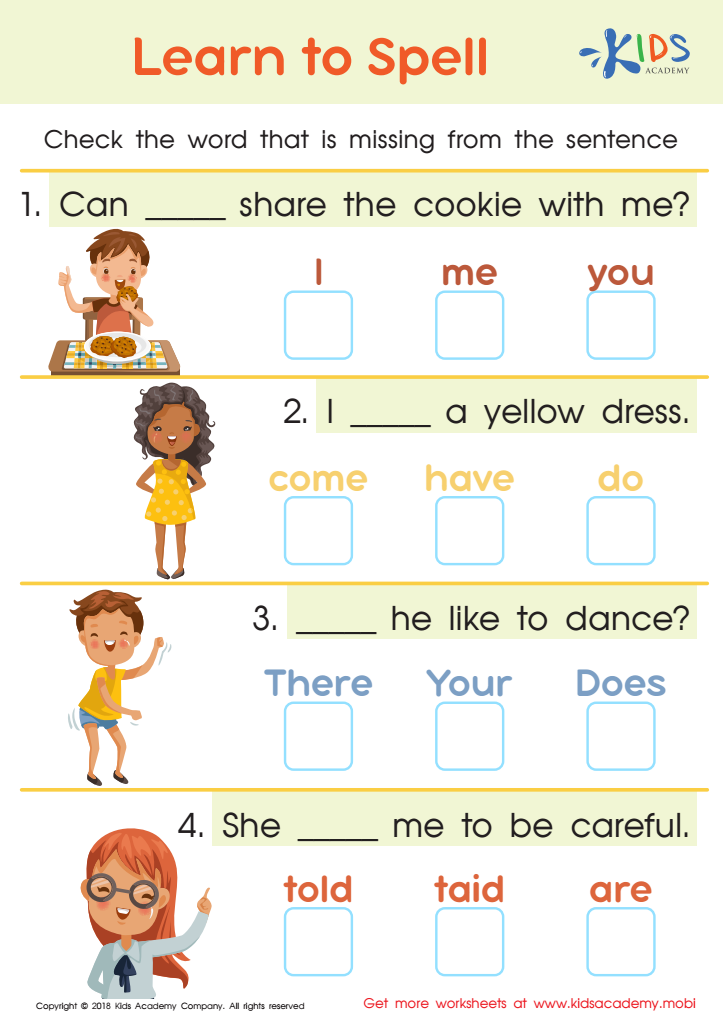
Learn to Spell Worksheet
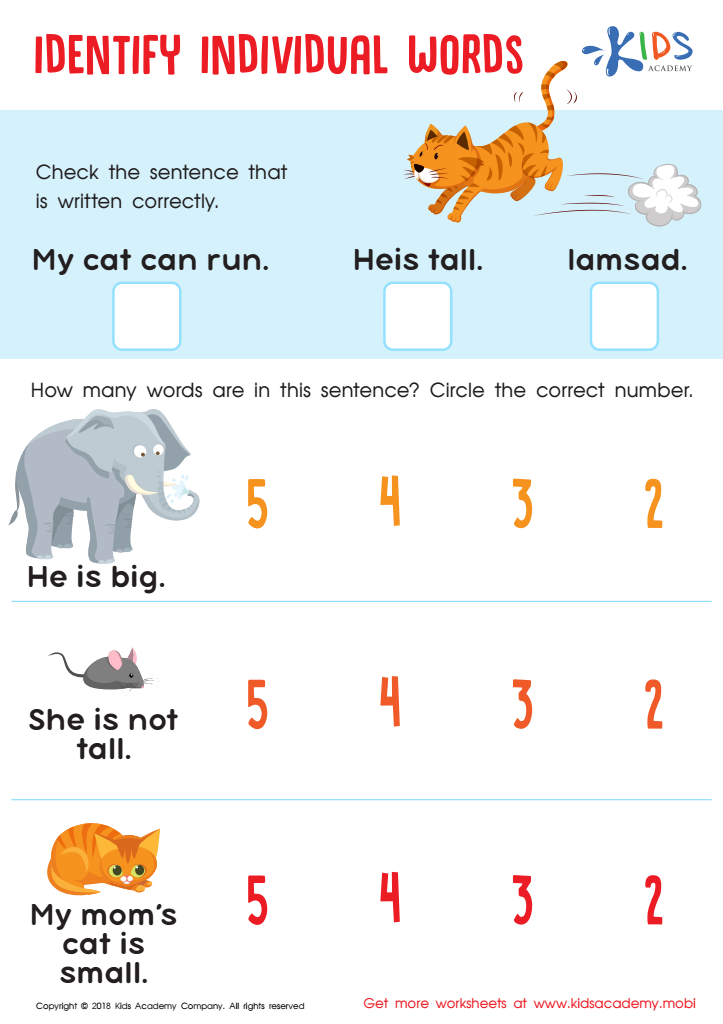
Identify Individual Words Worksheet
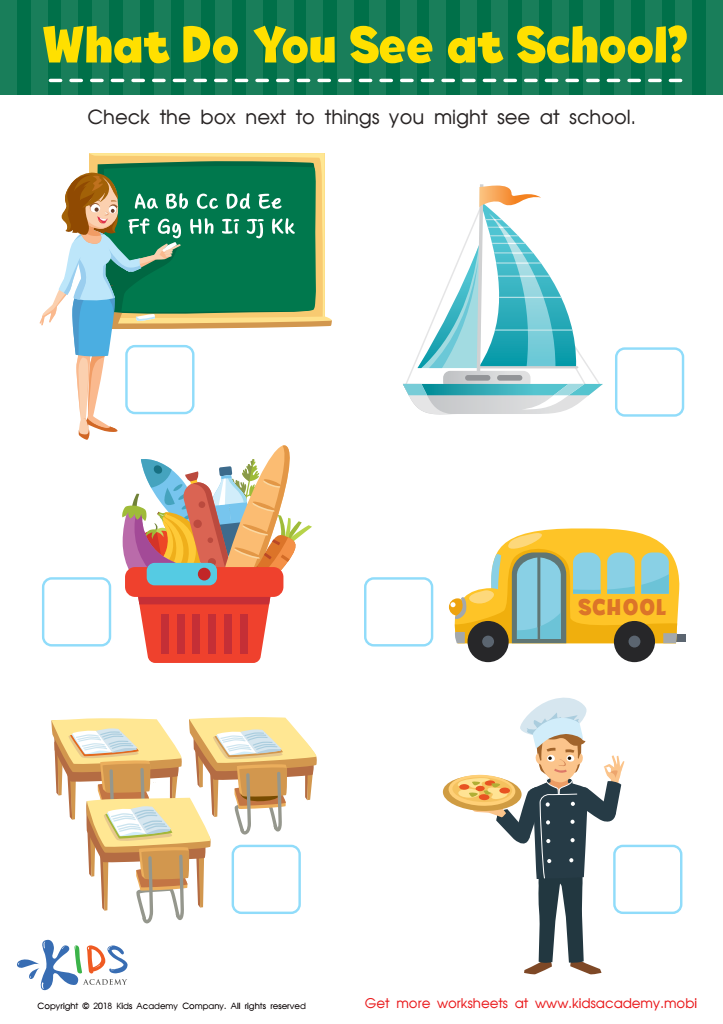
What Do you See at School? Worksheet
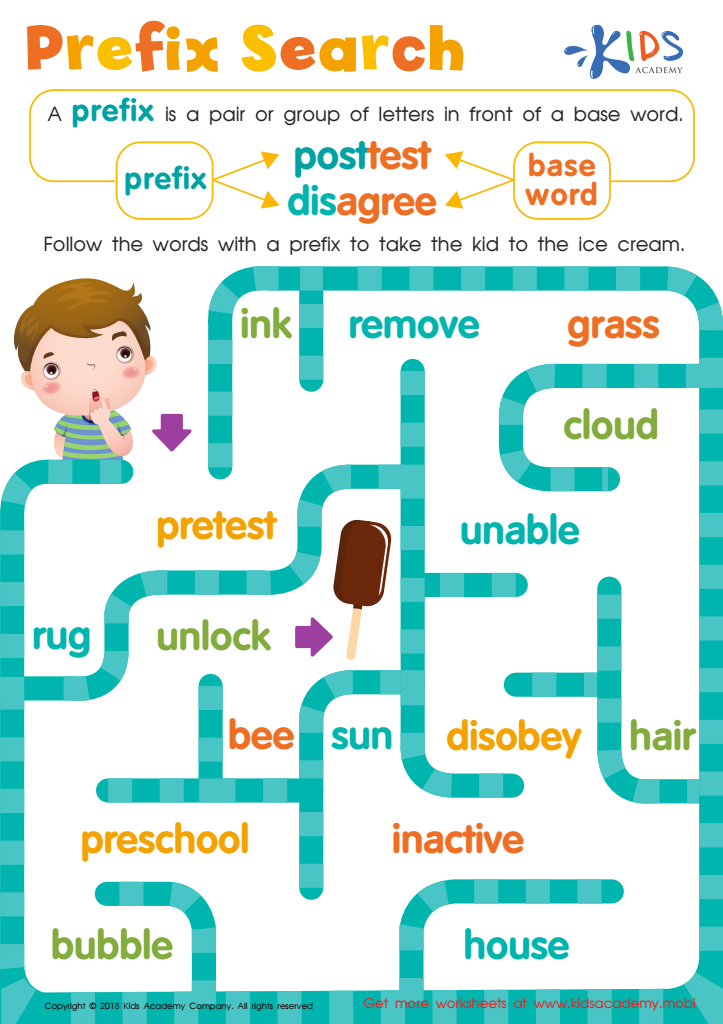
Reading: Prefix Search Worksheet
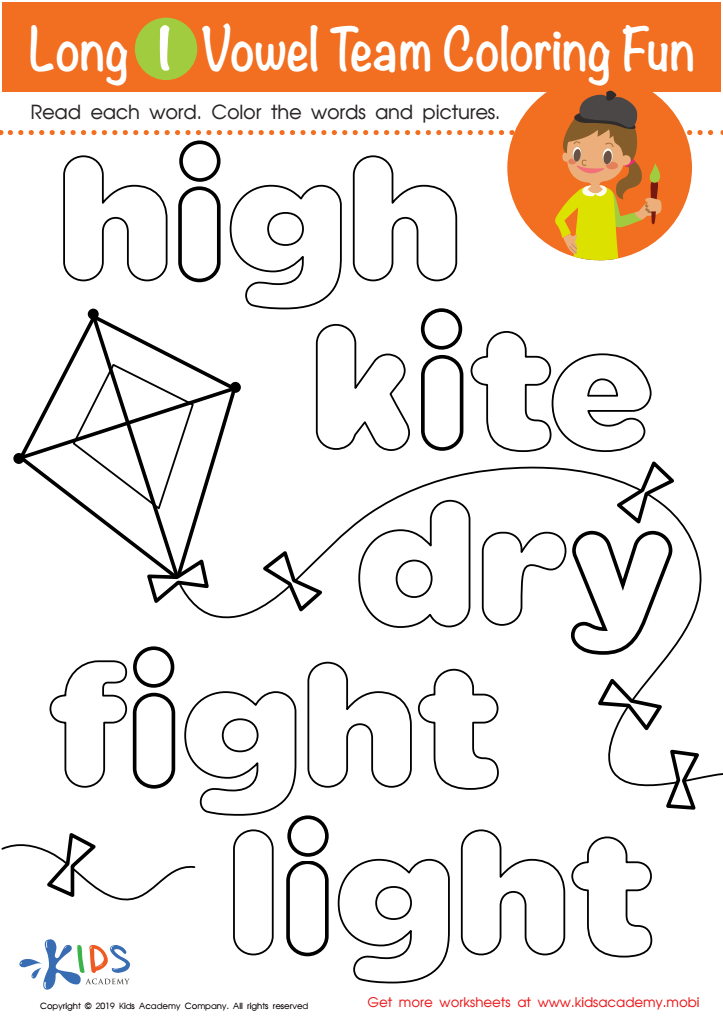
Long I Vowel Team Coloring Worksheet
 Assign to My Students




.jpg)


Word identification normal for ages 6-7 is crucial as it serves as a foundational skill for literacy development. At this stage, children are at a significant turning point in their reading journey, transitioning from learning letter sounds to recognizing words autonomously. Strong word identification skills enhance fluency, comprehension, and overall academic performance. When children proficiently identify words, they can focus on understanding the meaning of texts rather than struggling with the mechanics of reading.
Teachers and parents should care about this milestone as it influences a child's confidence and independent reading ability. If children are unable to identify words at an expected level, they may become frustrated, leading to a negative attitude towards reading. Early intervention can address any challenges, ensuring that children develop the necessary skills to succeed.
Moreover, proficient word identification allows kids to engage in more complex vocabulary and texts, widening their exposure to diverse language and concepts. This skill is not only vital for literacy but also fosters critical thinking, creativity, and communication skills essential for lifelong learning. By supporting word identification development, parents and teachers lay the groundwork for children's future academic achievements and a love for reading.








