Color recognition Normal Math Worksheets for Ages 6-7
6 filtered results
-
From - To
Enhance your child's learning with our engaging Color Recognition Normal Math Worksheets designed specifically for ages 6-7. These worksheets help young learners develop essential skills by combining math concepts with vibrant color activities. Ideal for reinforcing color identification while solving simple math problems, our resources offer a fun and interactive way to build confidence in both math and color recognition. Each worksheet is created in line with educational standards, ensuring that children not only grasp fundamental math skills but also enhance their cognitive development. Perfect for home or classroom use, download now to inspire a love for learning through colorful exercises!
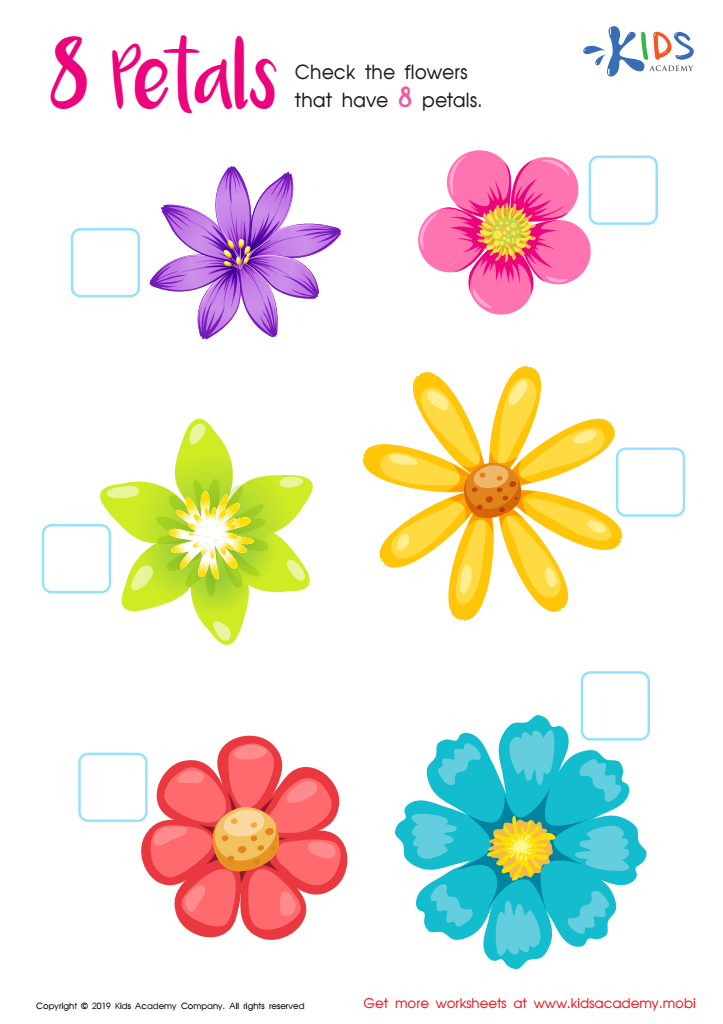
8 Petals Worksheet
 Assign to My Students
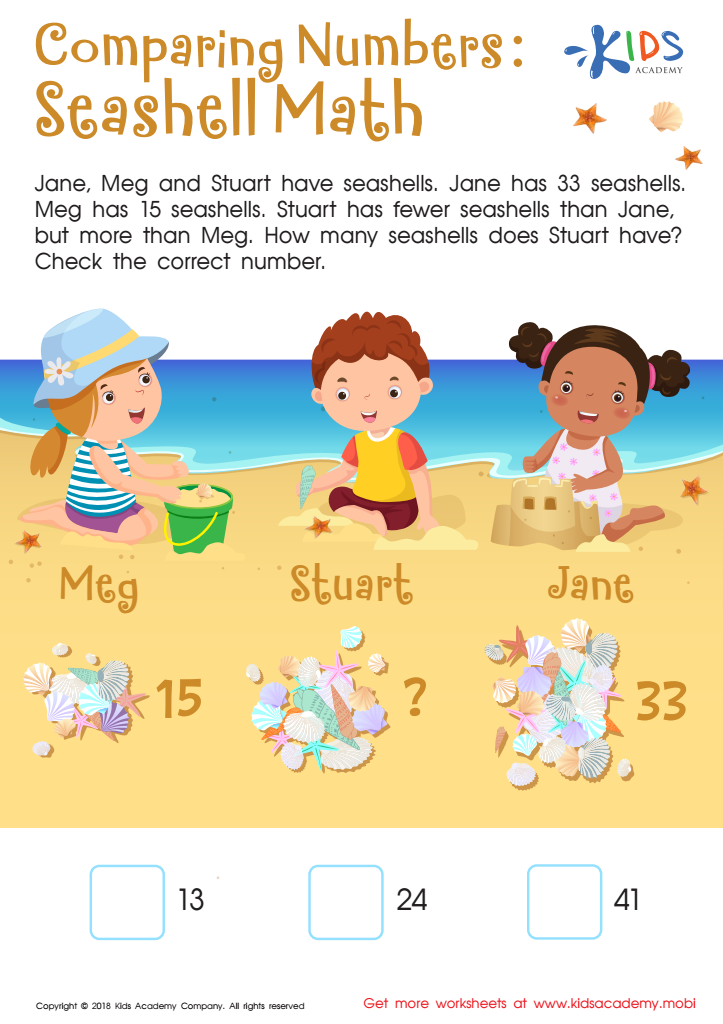
Seashell Collectors Worksheet
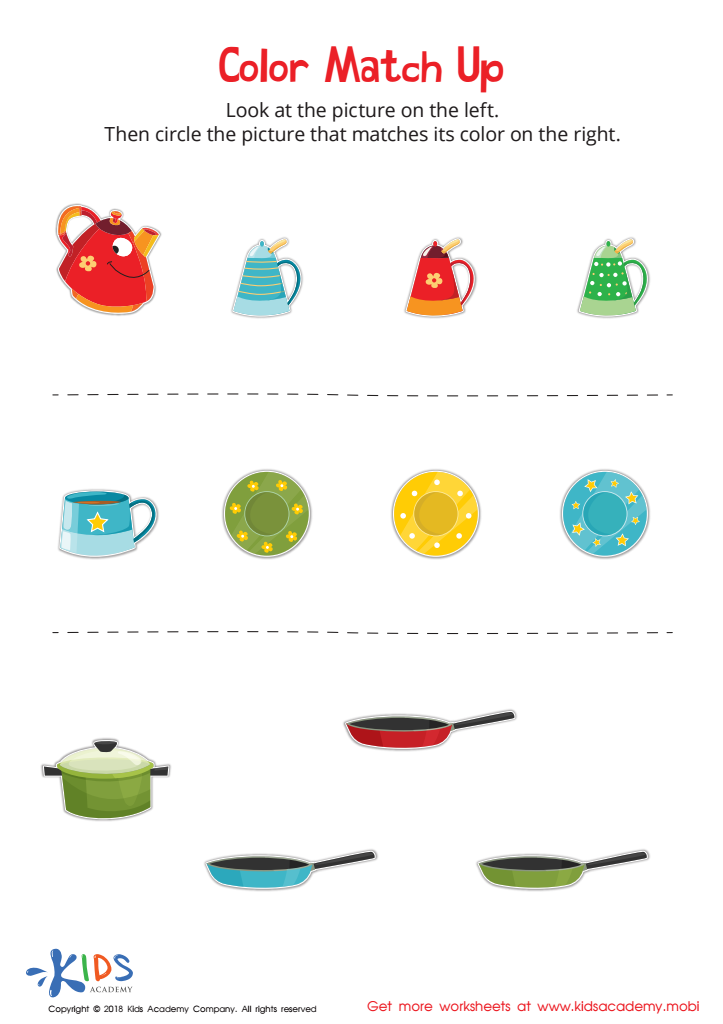
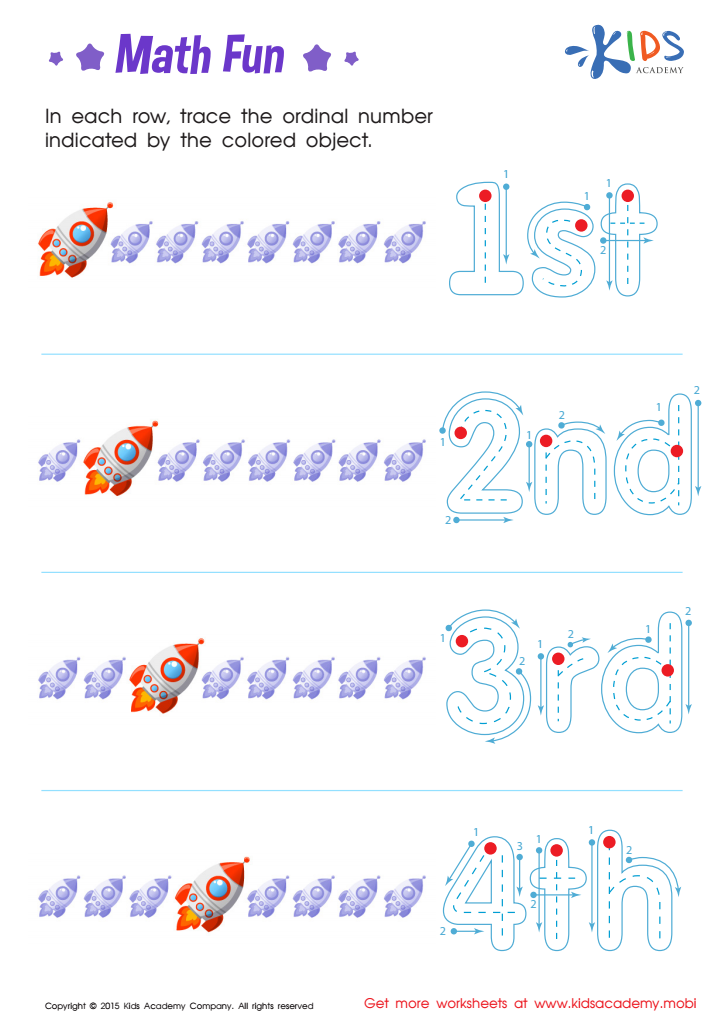
Ordinal Numbers: Math Fun Worksheet
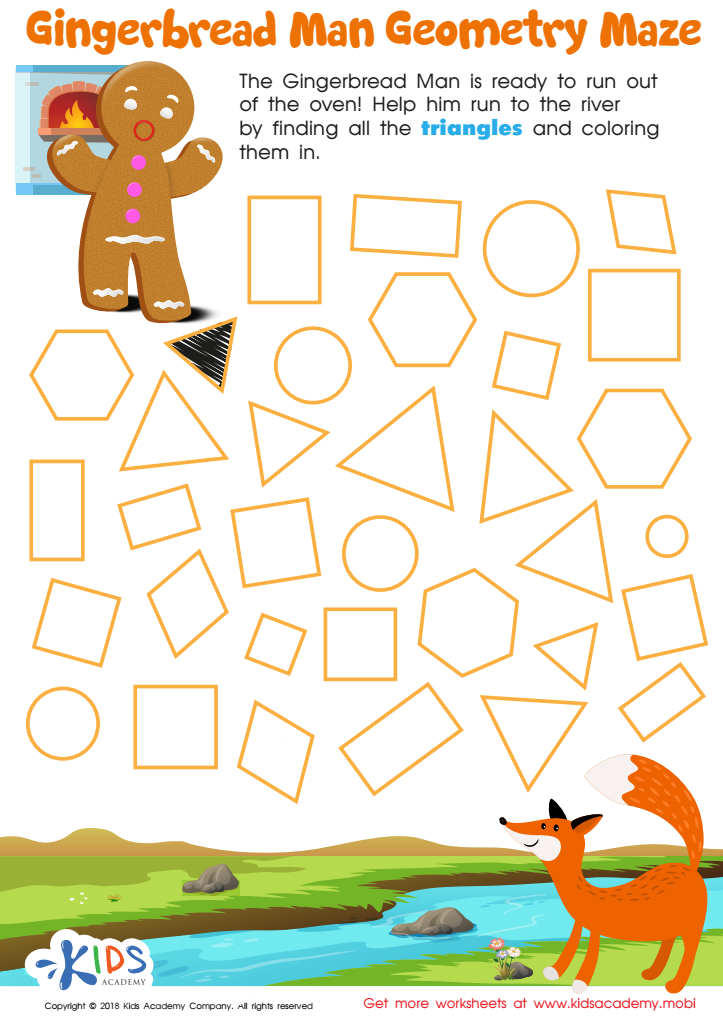
Gingerbread Man Geometry Maze Worksheet
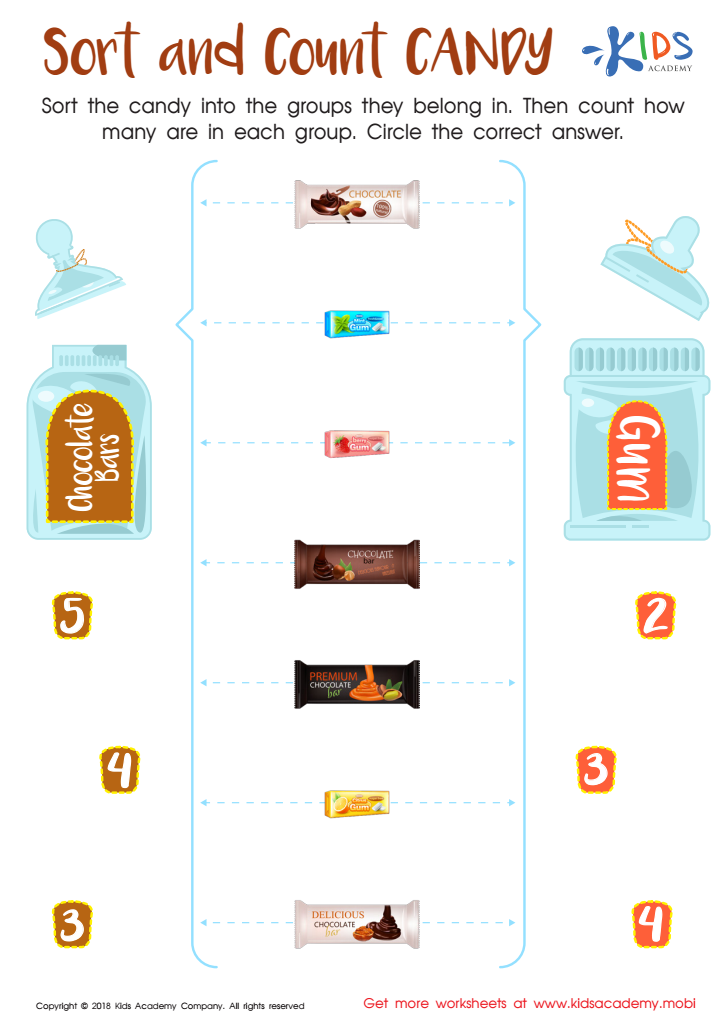
Sort and Count Candy Worksheet







Color recognition is fundamental for children aged 6-7 as it enhances their cognitive and emotional development. At this stage, children are not only learning about colors but also how they relate to the world around them. Recognizing and naming colors helps improve their language skills and vocabulary, allowing them to express themselves more effectively. Beyond basic recognition, understanding colors can promote critical thinking as children differentiate and categorize objects based on their attributes.
Additionally, incorporating color recognition into math activities can make learning more engaging and enjoyable. For instance, colors can be utilized in counting exercises, shape recognition, and even graphing, making abstract mathematical concepts more tangible. This multisensory approach to learning helps students retain information better and fosters a love for learning.
Moreover, colors play a significant role in emotional expression, as they can evoke feelings and moods. Teachers and parents should leverage this by encouraging discussions about colors in art and play, facilitating a conducive environment for emotional growth. By focusing on color recognition in both educational and informal settings, adults can support children’s holistic development, helping them build a solid foundation for future academic success and social interactions.








