Comparative analysis Normal Math Worksheets for Ages 6-7
3 filtered results
-
From - To
Explore our comprehensive Comparative Analysis of Normal Math Worksheets designed specifically for children aged 6-7. This resource provides detailed insights into various worksheets that focus on essential mathematical concepts tailored to early learners. Discover how these worksheets integrate fundamental skills such as addition, subtraction, and comparative reasoning to enhance critical thinking. Each worksheet is thoughtfully crafted to align with educational standards, ensuring a fun and engaging learning experience. Perfect for teachers and parents alike, our analysis helps identify the most effective materials for fostering a strong mathematical foundation in young children. Unlock the potential for growth and mastery with our user-friendly comparison guide.
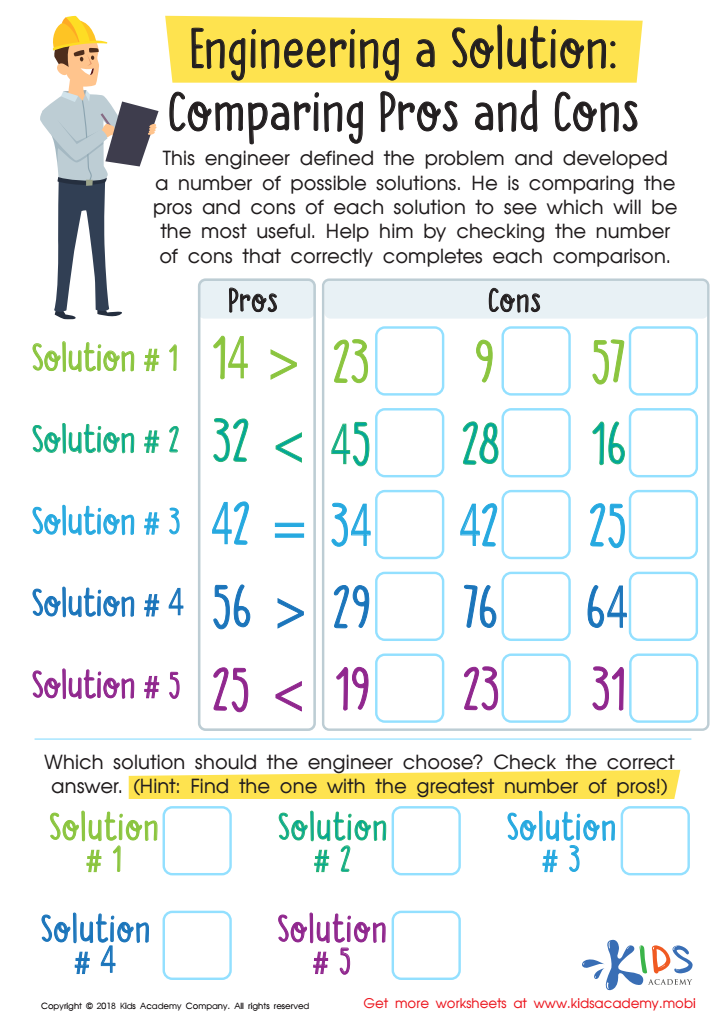
Engineering a Solution: Comparing Pros and Cons Worksheet
 Assign to My Students
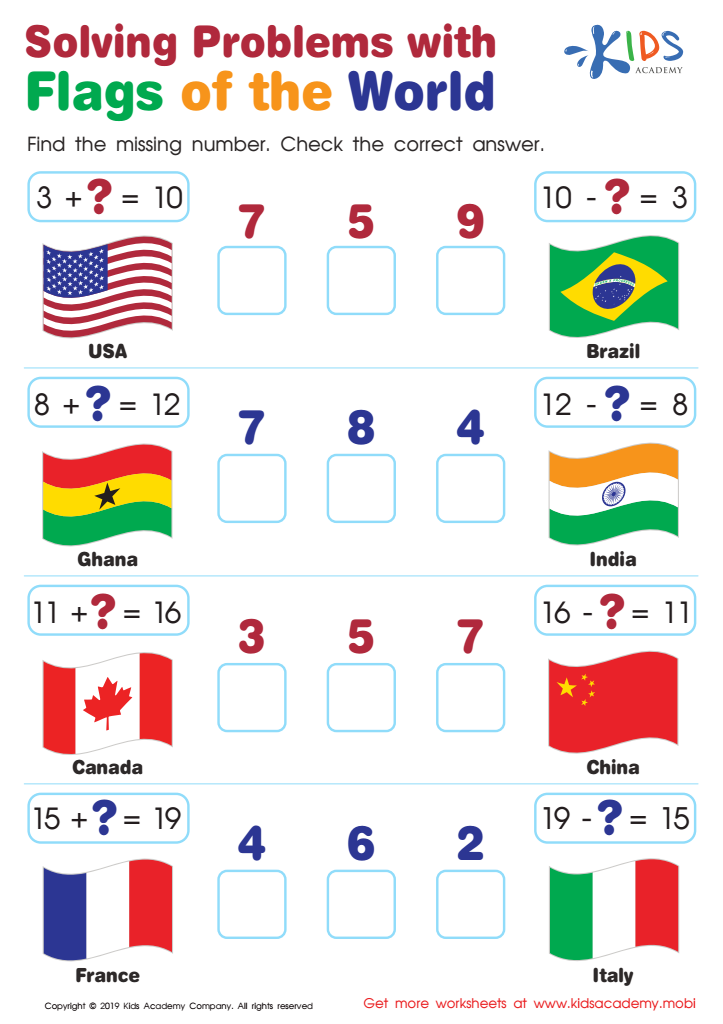
Solving Problems with Flags of the World Worksheet
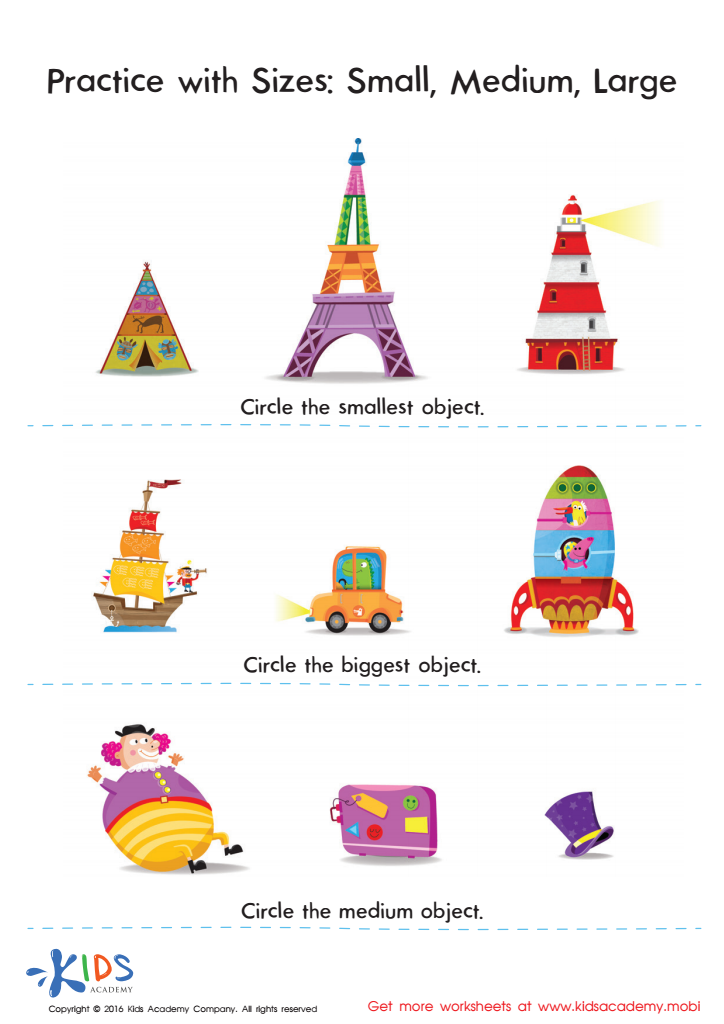








Comparative analysis in normal math for ages 6-7 offers essential insights into children's mathematical development and understanding. At this age, children are forming foundational skills in numerical comprehension, problem-solving, and logical reasoning. By engaging in comparative analysis, parents and teachers can assess a child's performance in comparison to peers, guiding them in identifying areas of strength and those needing further support.
This analysis not only highlights a child's individual capabilities but also informs instructional strategies. For teachers, it provides data to tailor lessons to meet diverse needs, fostering a supportive learning environment. Parents benefit by gaining a clearer perspective on their child’s progress, which can facilitate meaningful conversations and collaborative support at home.
Moreover, understanding comparative performance can help identify potential learning gaps early on, allowing for timely interventions. In an increasingly competitive world, where foundational math skills are vital for future academic success, ensuring that children achieve proficiency by age 7 is crucial. Overall, comparative analysis aids in nurturing confident and competent learners, making it a critical focus for both educators and parents in fostering a positive attitude towards mathematics.








