Mental math practice Normal Math Worksheets for Ages 6-7
5 filtered results
-
From - To
Discover fun and engaging mental math practice worksheets designed specifically for children ages 6-7. Our carefully crafted resources aim to enhance numerical fluency and problem-solving skills through a variety of interactive exercises. Range from simple addition and subtraction to more challenging operations, each worksheet is designed to build confidence and improve mental arithmetic abilities. Perfect for classroom or at-home learning, these worksheets encourage critical thinking and help develop essential math skills. Foster a love for math in your child and watch them thrive! Browse our extensive collection today to support your young learner's educational journey.
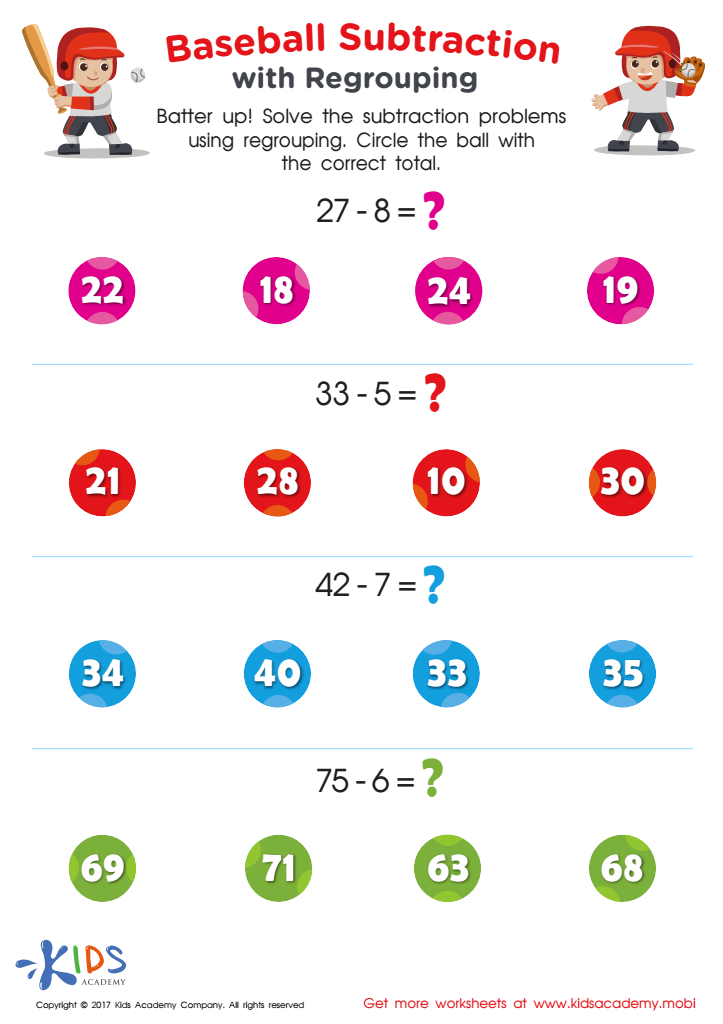
Subtraction With Regrouping for 2nd Grade Worksheet
 Assign to My Students
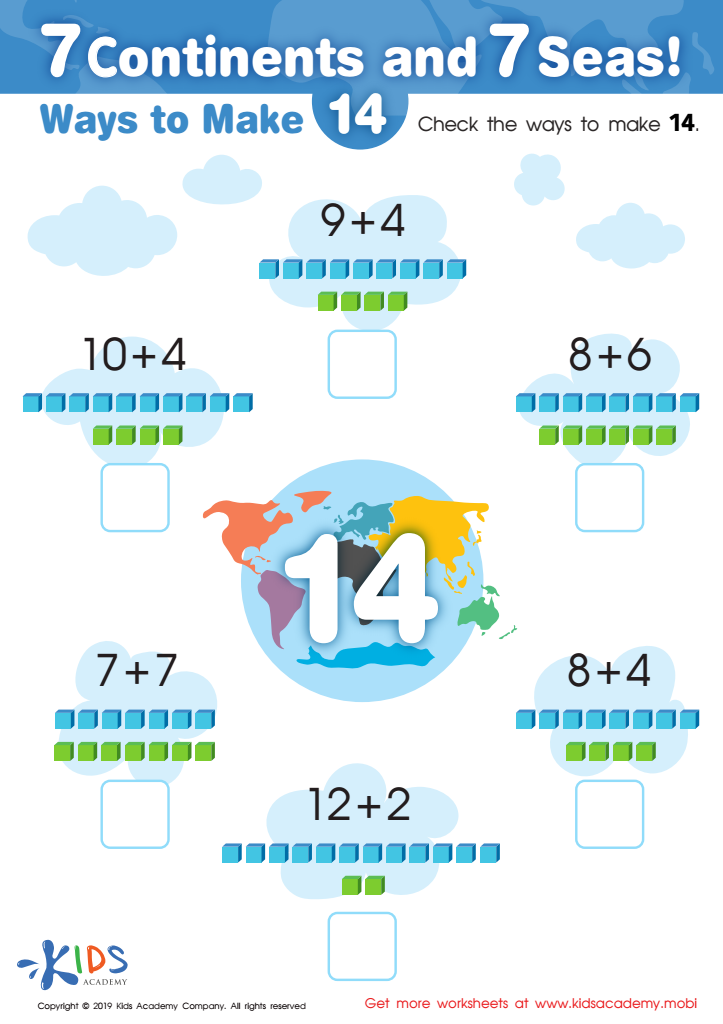
7 Continents and 7 Seas Worksheet
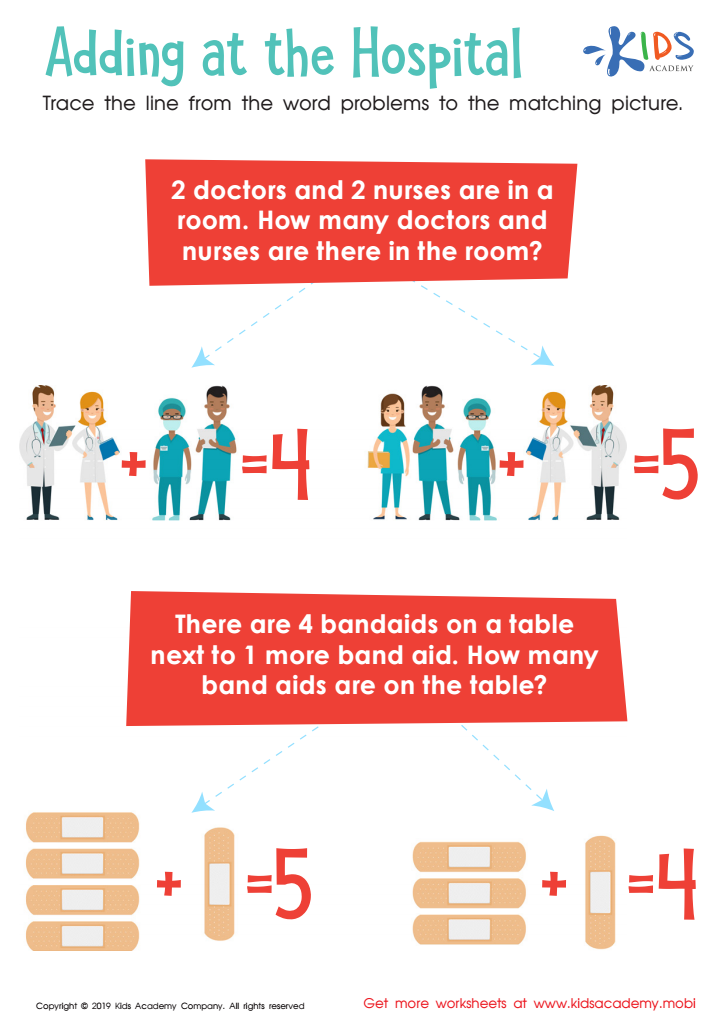
Adding at the Hospital Worksheet
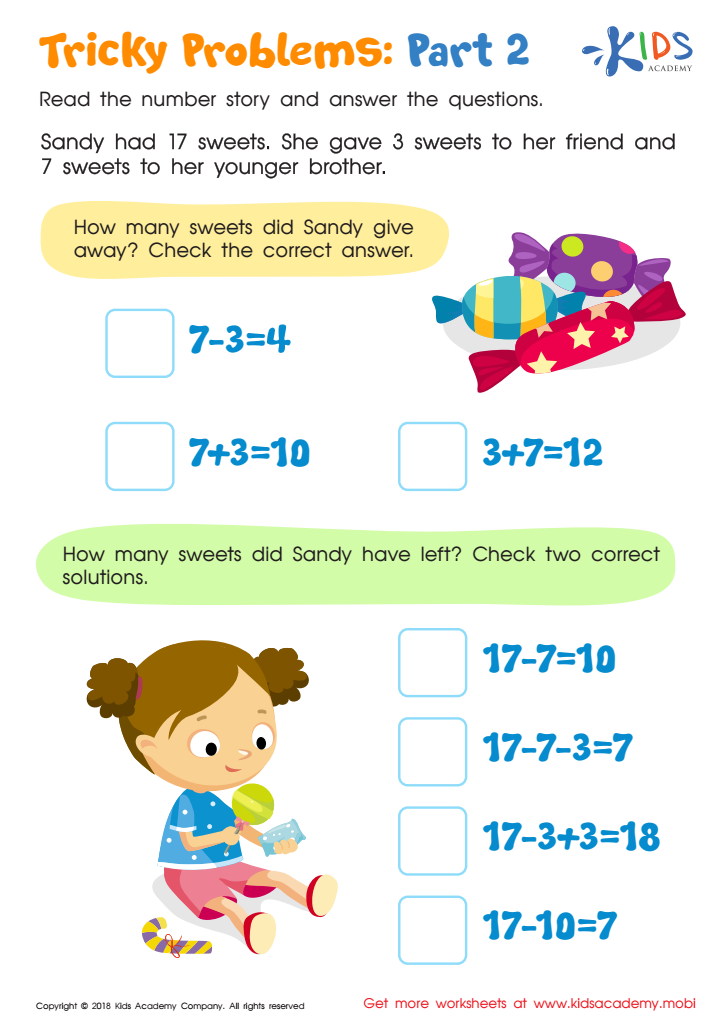
Tricky Problems Worksheet: Part 2
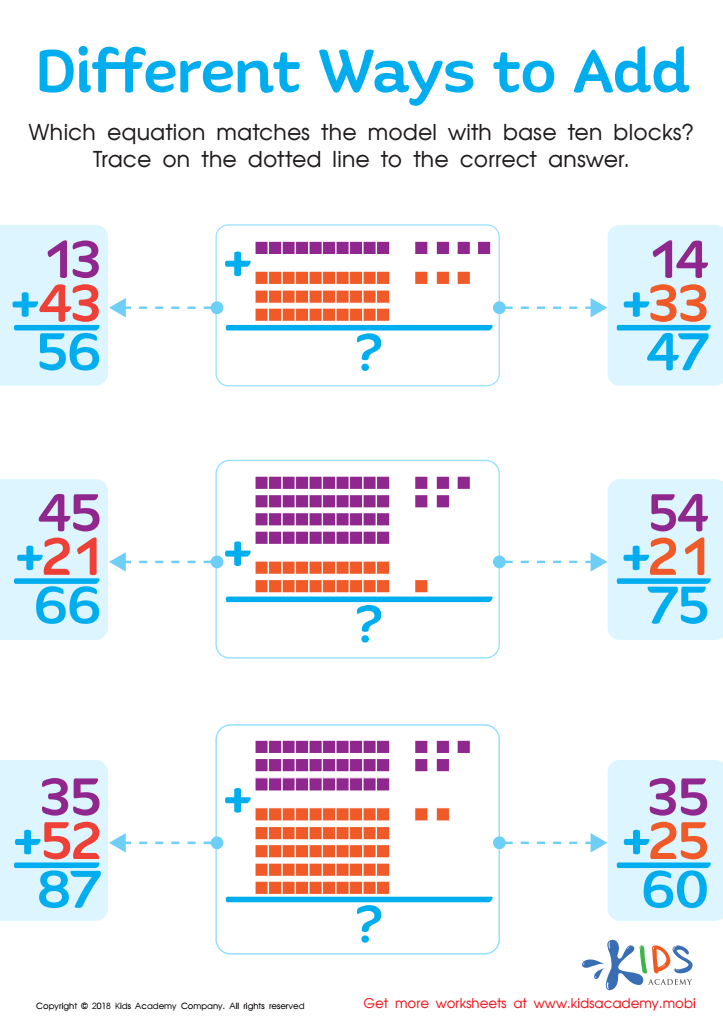
Different Ways to Add Worksheet





.jpg)

Mental math practice is crucial for children aged 6-7 as it lays a strong foundation for their mathematical understanding and overall cognitive development. At this age, children are developing essential problem-solving skills, and mental math helps them build number sense, which is vital for understanding the properties of numbers and relationships between them.
Engaging in mental math allows children to practice basic arithmetic operations without relying on calculators or paper, fostering independence and confidence in their abilities. This practice enhances their ability to think quickly and flexibly, skills that are beneficial not just in mathematics but across all areas of learning.
Involving parents and teachers in mental math activities makes the learning process more engaging and interactive. Games, challenges, and practical applications of math in daily life can make the discipline lively and fun, encouraging a positive attitude toward learning math. Moreover, these interactions support communication skills and reinforce concepts through real-life scenarios.
Ultimately, nurturing mental math skills in young learners prepares them for more complex mathematical concepts in the future while equipping them with valuable life skills, instilling a lifelong appreciation for mathematics. Therefore, it’s essential for parents and teachers to prioritize mental math practice.








