Cognitive Development Normal Building Vocabulary Worksheets for Ages 6-7
4 filtered results
-
From - To
Unlock your child's potential with our "Cognitive Development Normal Building Vocabulary Worksheets" designed for ages 6-7. These engaging worksheets aim to enhance vocabulary and cognitive skills through fun and interactive activities. Tailored to support early readers, they focus on recognizing words, understanding meanings, and using context clues—essential for literacy development. Perfect for classroom or home use, our resources foster critical thinking and creativity, making learning enjoyable. Help your child build a strong foundation for reading as they explore diverse themes and apply their new vocabulary in meaningful ways. Download now to equip your budding learner with essential language skills!
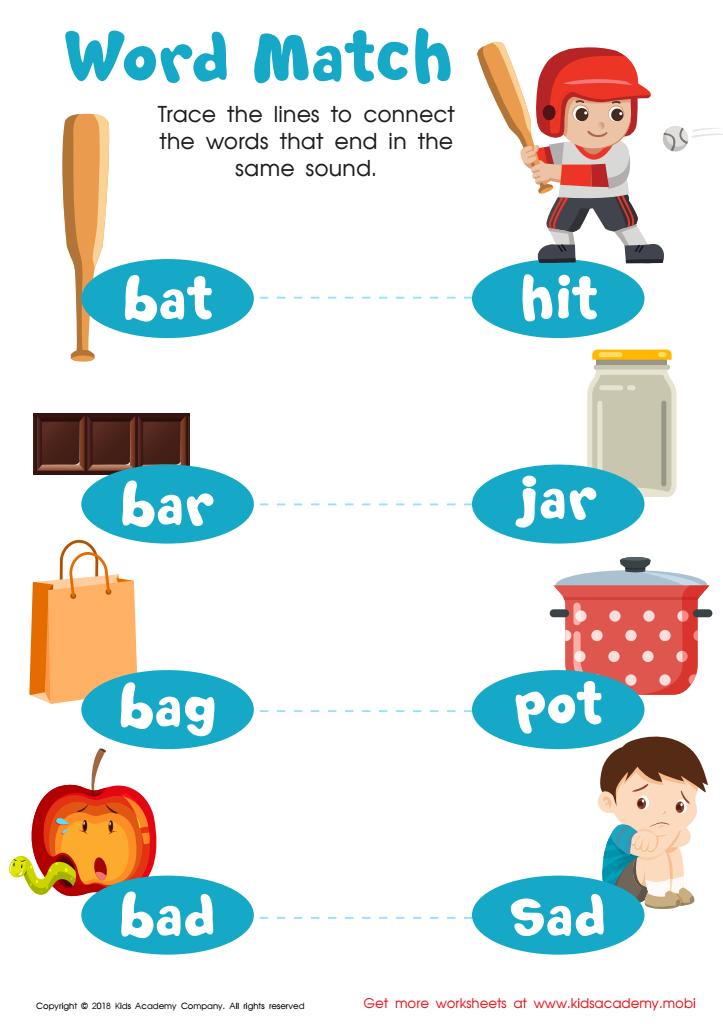
Word Match Reading Worksheet
 Assign to My Students











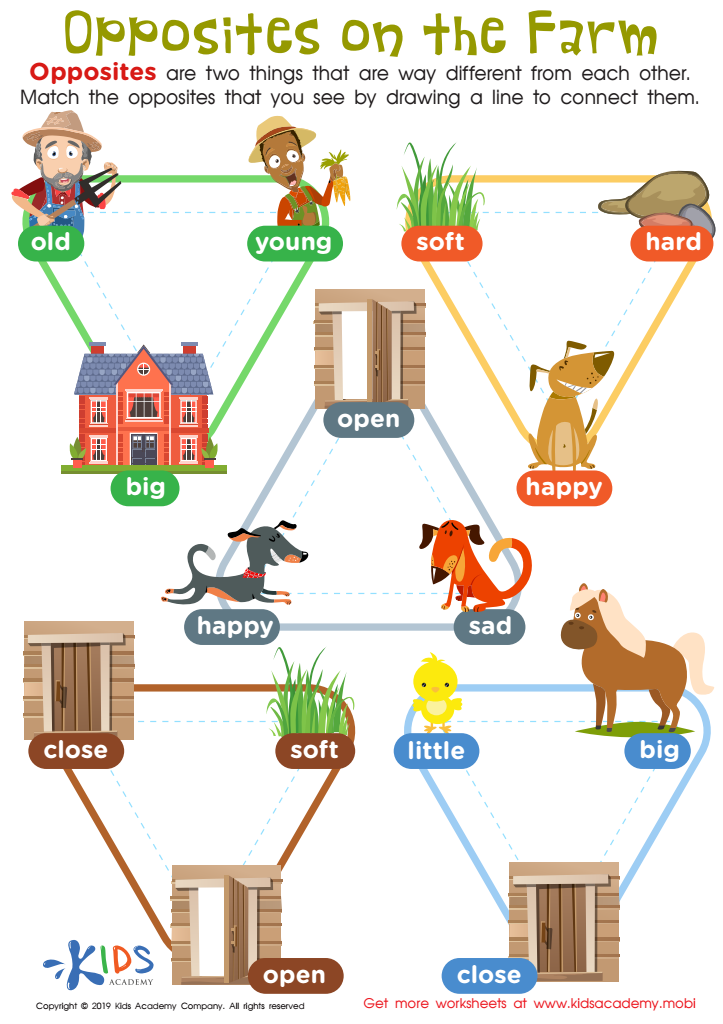
Opposites on the Farm Worksheet
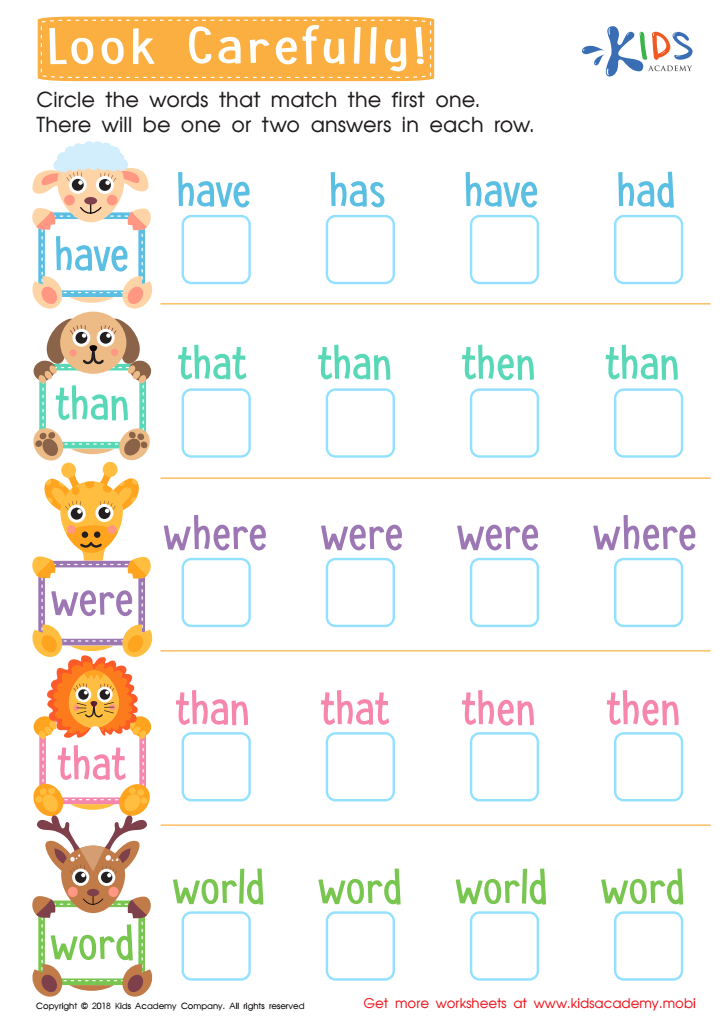
Look Carefully Worksheet
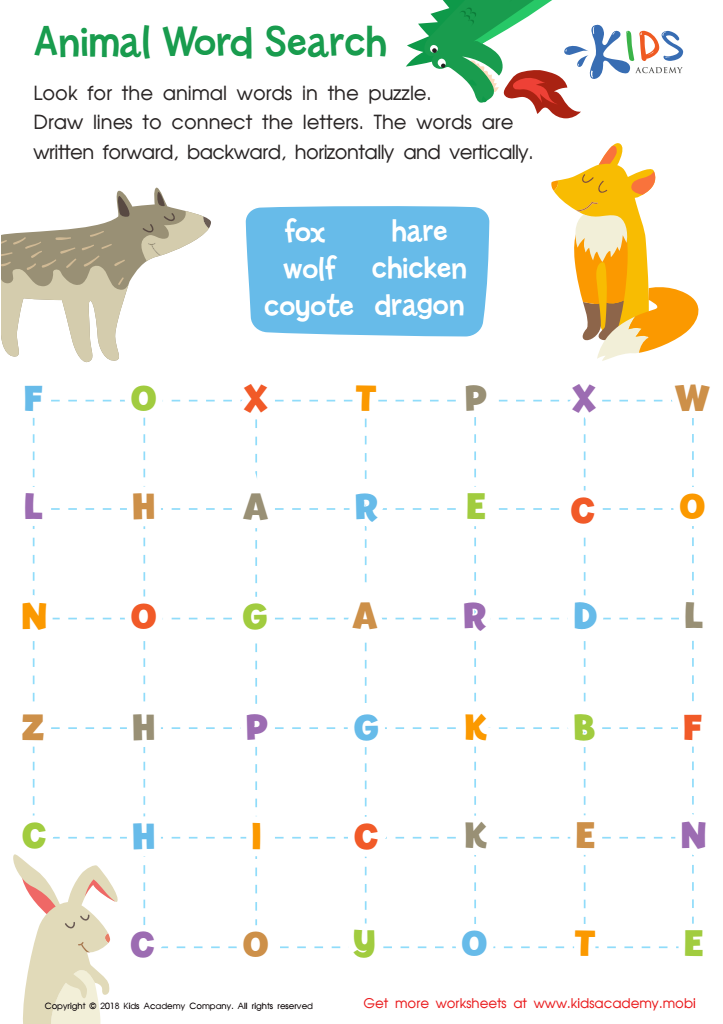
Animal Word Search Worksheet








Cognitive development, especially vocabulary building, is crucial for children aged 6-7 as it lays the foundation for their future learning and social interactions. During this age, children experience significant brain growth, enabling them to learn new concepts, express themselves clearly, and understand more complex ideas. A robust vocabulary enhances reading comprehension, ensuring that children can engage with a variety of texts, which is essential for academic success.
Teachers and parents play a vital role in promoting language skills through daily interactions, storytelling, and reading together. By introducing diverse words in conversations and encouraging questions, adults can spark curiosity and a love for language. Children with a strong vocabulary are often better equipped to articulate their thoughts, solve problems, and navigate social situations, improving their overall confidence.
Moreover, an expansive vocabulary helps facilitate critical thinking as children learn to categorize and relate concepts, enhance cognitive flexibility, and develop reasoning skills. By investing in vocabulary development, teachers and parents are not just nurturing language abilities; they are also supporting future cognitive growth that will benefit children academically, socially, and emotionally. Prioritizing vocabulary building during these formative years is essential for fostering lifelong learning and self-expression.








