Filters

6 filtered results

Clear all filters
Favorites
With answer key
Interactive

6 filtered results

Difficulty Level

Grade


Enhance your child's learning experience with our Problem-Solving Skills Normal Reading Worksheets, specifically designed for ages 6-7. These engaging worksheets foster essential skills by challenging young learners to think critically, analyze situations, and devise solutions. With age-appropriate themes and interactive exercises, children will not only develop their reading abilities but also sharpen their problem-solving techniques. Each worksheet is crafted to promote creativity and independent thinking, encouraging kids to explore different approaches to challenges. Perfect for home or classroom use, our worksheets ensure that learning is both fun and effective. Equip your child with the tools for success today!

Check out this FREE Trial Lesson on Reading for age 6-7!

Compare and Contrast the Experiences of Characters in Familiar Stories

Favorites
With answer key
Interactive
  • 6-7
  • Problem-Solving Skills
  • Reading
  • Normal
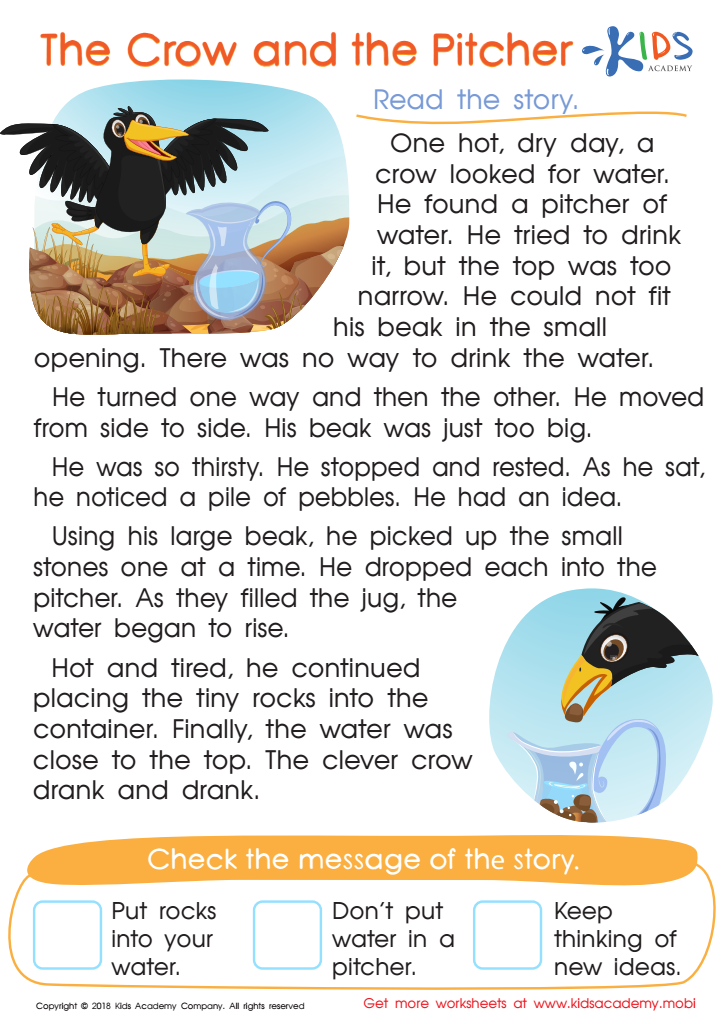
The Crow and the Pitcher Worksheet

The Crow and the Pitcher Worksheet

Introduce your child to reading comprehension with this fascinating worksheet from Kids Academy! Featuring Aesop's fable of a thirsty crow, your child will enjoy reading and determining the central theme of the passage. This worksheet is a great way to give your child a purpose for reading while helping to build their comprehension skills.
The Crow and the Pitcher Worksheet
Worksheet
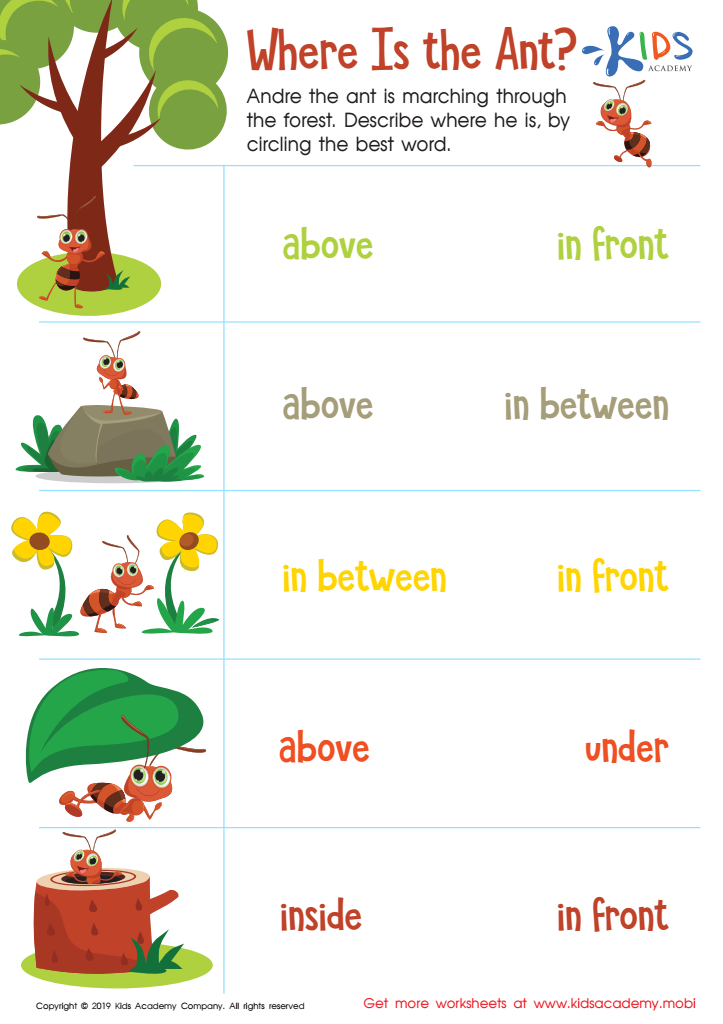
Where Is the Ant? Worksheet

Where Is the Ant? Worksheet

Kids are captivated by ants. Andre is a busy ant, marching through the forest. Help your child circle the best word that best describes what he's doing in each picture. This colorful printout will show them the way.
Where Is the Ant? Worksheet
Worksheet
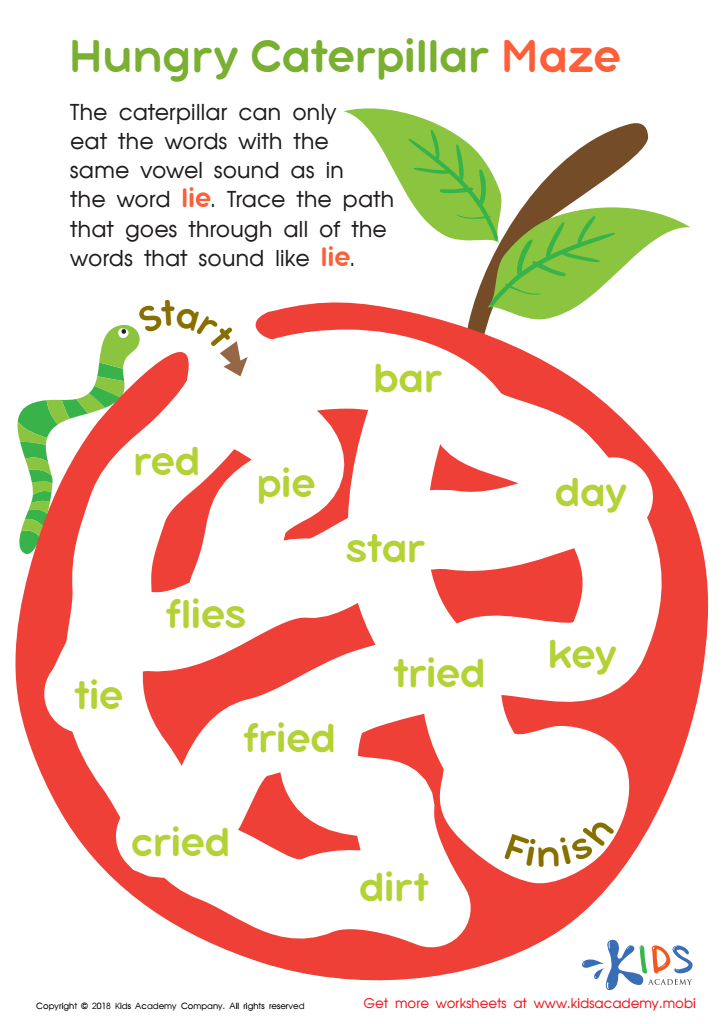
Hungry Caterpillar Maze Worksheet

Hungry Caterpillar Maze Worksheet

Remind the kids that caterpillars turn into butterflies! This worksheet helps them practice their vowel sounds. They must trace the path of words that sound like ‘lie’ to help the caterpillar reach the finish line. It's a fun way to learn and explore!
Hungry Caterpillar Maze Worksheet
Worksheet
“The Princess and the Pea” or “Cinderella” Worksheet

“The Princess and the Pea” or “Cinderella” Worksheet

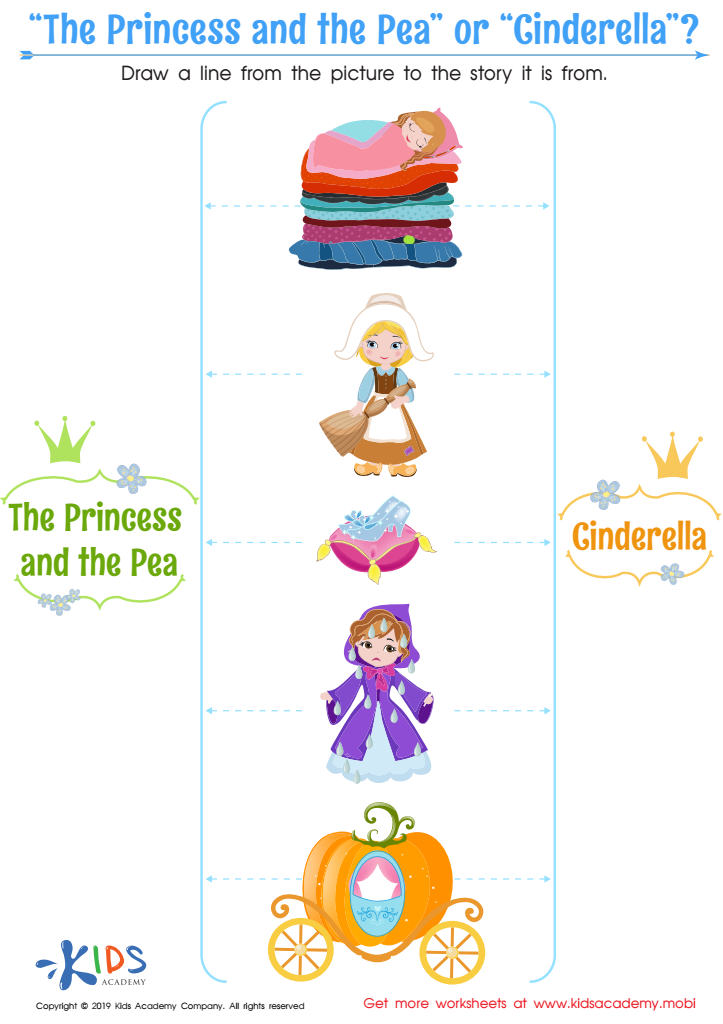
Help your child identify the characters and objects from both the Princess and the Pea and Cinderella. Ask them to draw a line from the pictures to the story it's from on the tracing sheet. Encourage them to tell you the similarities between the two stories. Enjoy the tale with your daughter and watch her be fascinated by these two classic children's stories.
“The Princess and the Pea” or “Cinderella” Worksheet
Worksheet
Fairy Tales Maze Worksheet

Fairy Tales Maze Worksheet

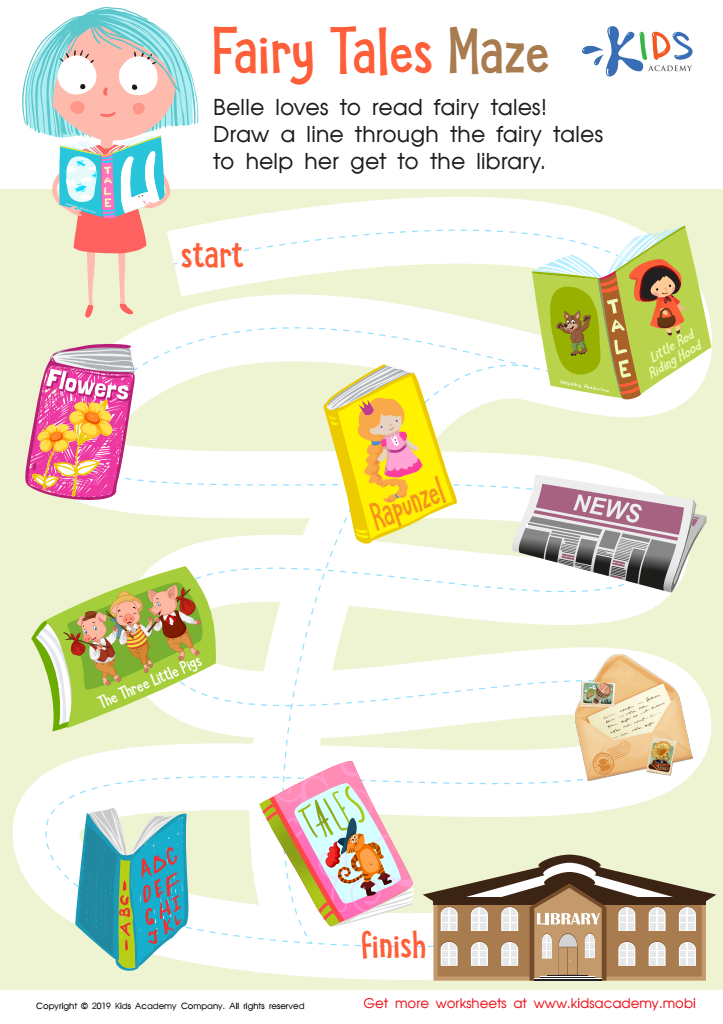
Kids love mazes and fairy tales, so this free worksheet is a great way to help teach young readers about familiar topics. They'll join Bella and use the traceable lines to travel through different reading genres, and find their way to the library for a nice reward!
Fairy Tales Maze Worksheet
Worksheet
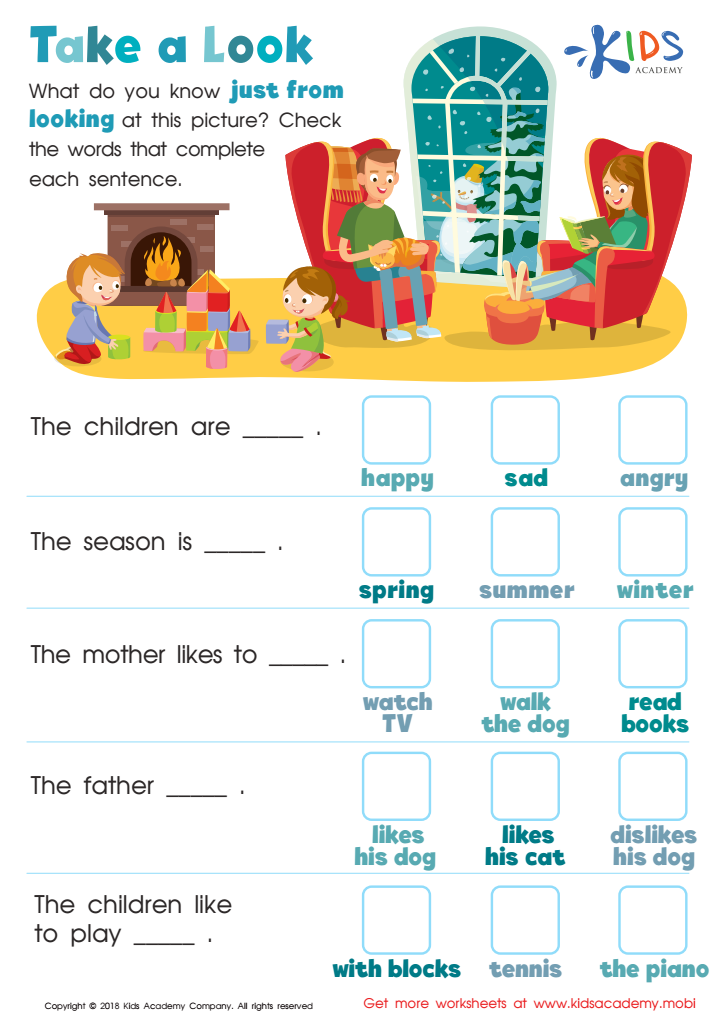
Take a Look - Part 1 Worksheet


Take a Look - Part 1 Worksheet

Young learners gain understanding when using picture clues when reading. Looking at illustrations can help students learn the meaning of key vocabulary when reading fiction or informational text. Ask your students to look at the worksheet and observe what they can learn from the picture. It's a great comprehension strategy for early readers.
Take a Look - Part 1 Worksheet
Worksheet


Problem-solving skills are crucial for children aged 6-7 as they form the foundation for critical thinking and decision-making abilities essential in everyday life. Parents and teachers should care about nurturing these skills at this stage because children are increasingly faced with challenges that require innovative thinking and adaptability.

During early childhood, children are naturally curious and are developing their understanding of the world. By engaging them in problem-solving activities, such as puzzles, games, or real-life scenarios, adults can nurture their ability to think creatively and evaluate different solutions. This practice enhances cognitive abilities, promotes perseverance, and fosters a positive attitude toward overcoming challenges.

Moreover, encouraging problem-solving builds self-confidence and resilience. When children successfully navigate problems, they learn that mistakes are part of the learning process, which promotes a growth mindset. Teachers and parents can support this by asking open-ended questions and facilitating discussions that allow children to explore various possibilities and outcomes.

Ultimately, fostering problem-solving skills in young children will aid in their academic success and better prepare them for future challenges in life, making it a priority for educators and parents alike. Investing time in these skills now creates proficient and confident learners for the future.