Sequencing Skills Normal Reading Worksheets for Ages 6-7
4 filtered results
-
From - To
Boost your child's reading abilities with our "Sequencing Skills Normal Reading Worksheets" designed specifically for ages 6-7. These engaging worksheets help young readers enhance their comprehension by focusing on the vital skill of sequencing events in a story. By arranging story elements in the correct order, kids improve their understanding of narrative structure and logical thinking. Perfect for classroom use or at-home practice, these worksheets make learning fun with colorful illustrations and captivating stories. Equip your child with essential reading skills to support their educational journey and foster a lifelong love for reading. Download now and watch their confidence soar!
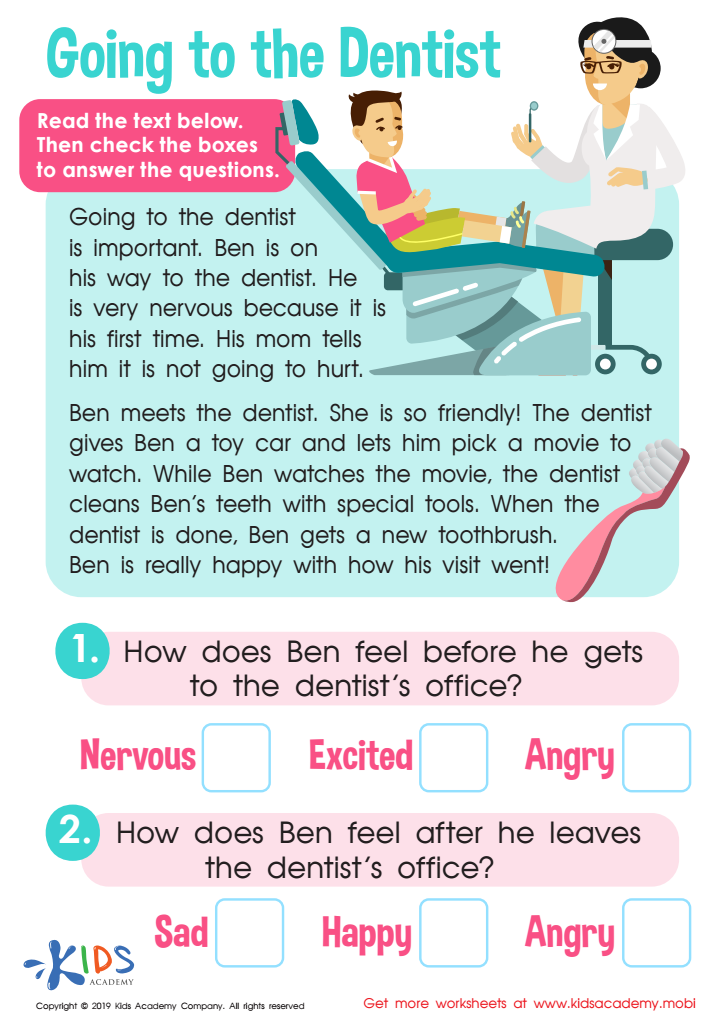
Going to the Dentist Worksheet
 Assign to My Students
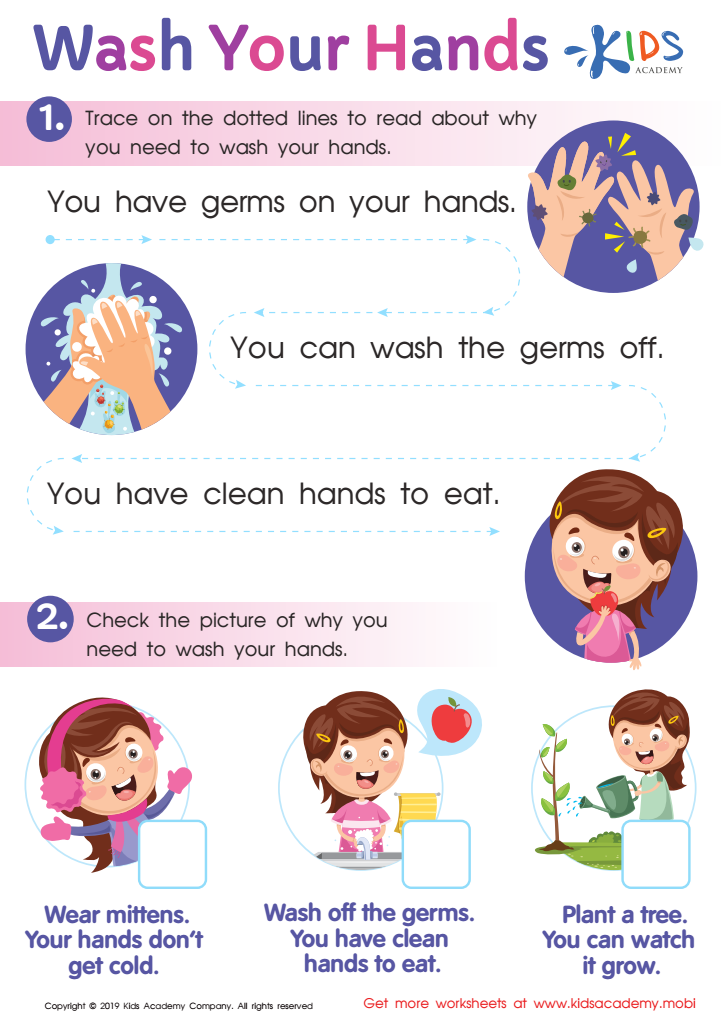
Wash Your Hands Worksheet
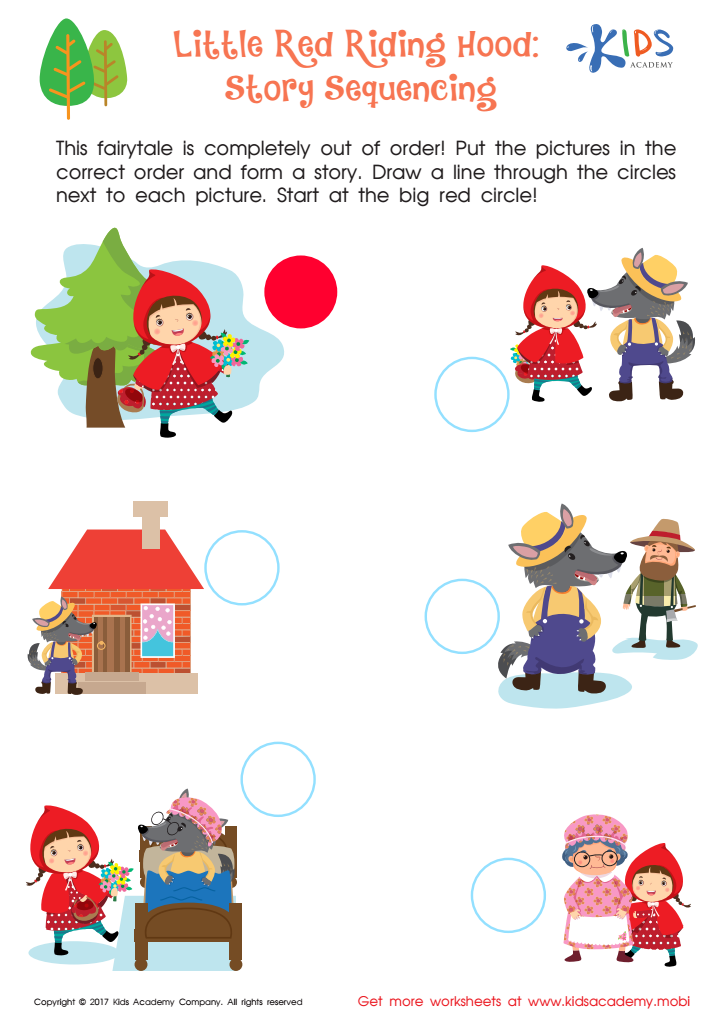
Story Sequencing Printable
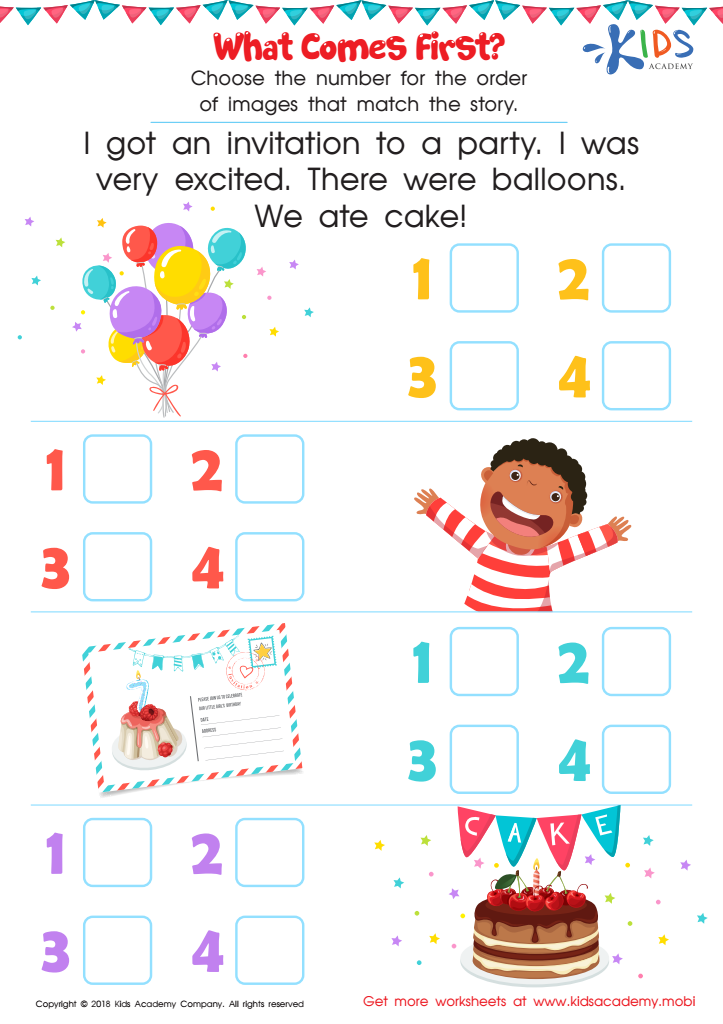
What Comes First Worksheet







Sequencing skills are crucial for normal reading development in children aged 6-7 because they lay the foundation for strong comprehension and literacy skills. At this age, kids are transitioning from "learning to read" to "reading to learn." Sequencing is the ability to understand and organize events or steps in a logical order. This skill directly influences a child's ability to grasp the structure of stories, follow plotlines, and understand cause and effect, which are all essential for reading comprehension.
When children recognize the sequence of events in a story, they are better equipped to predict what might happen next, understand the relationships between events, and recall details accurately. These skills not only enhance their enjoyment and engagement with reading but also improve their ability to summarize and retell stories, which reinforces their learning.
Furthermore, strong sequencing skills are not limited to reading. They also play a critical role in writing, problem-solving, and executing multi-step tasks in everyday life. For example, understanding the sequence is pivotal in subjects like math and science, where processes and procedures must be followed in order.
Teachers and parents should prioritize activities that strengthen sequencing skills, such as reading together, discussing story events, and engaging in sequencing games. By fostering these skills early on, they set children up for long-term academic success and a lifetime of literate, confident learning.








