Historical Knowledge Normal Reading Comprehension Worksheets for Ages 6-7
5 filtered results
-
From - To
Discover an engaging collection of Historical Knowledge Normal Reading Comprehension Worksheets designed specifically for children aged 6-7. These carefully crafted worksheets help young learners explore fundamental historical concepts while improving their reading skills. Each activity encourages critical thinking, comprehension, and the ability to connect with the past. Students will delve into fascinating historical events and figures, fostering a love for history and enhancing their understanding of the world. Perfect for classrooms or home learning, our worksheets provide a fun and educational experience tailored to early readers. Unlock the world of history through reading comprehension today and ignite a lifelong interest in learning!
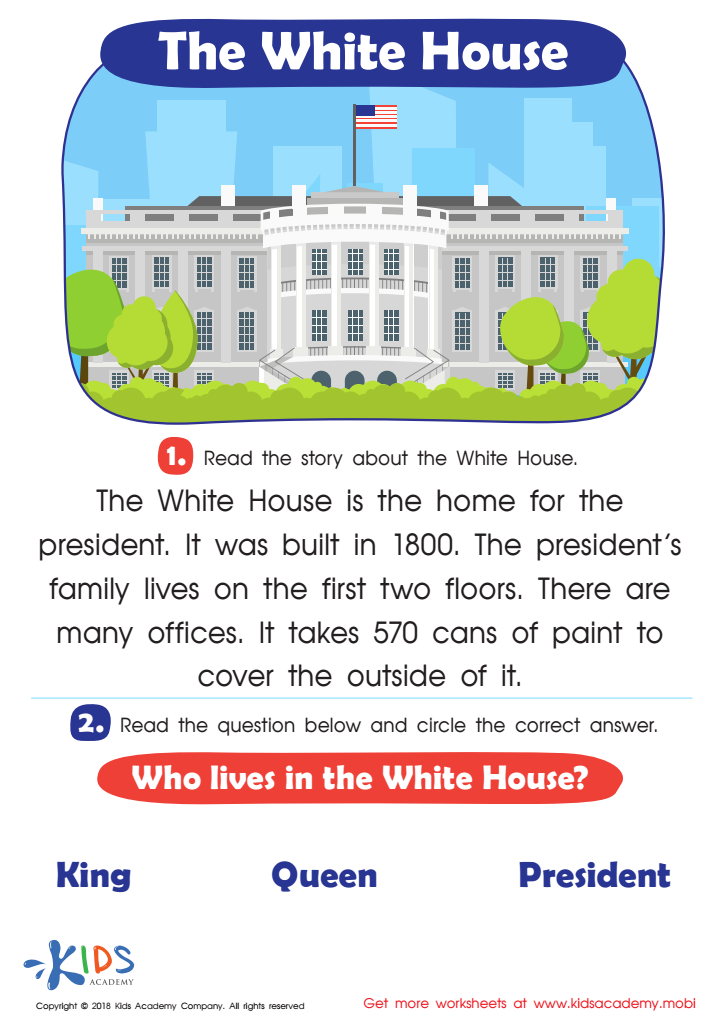
White House Worksheet
 Assign to My Students
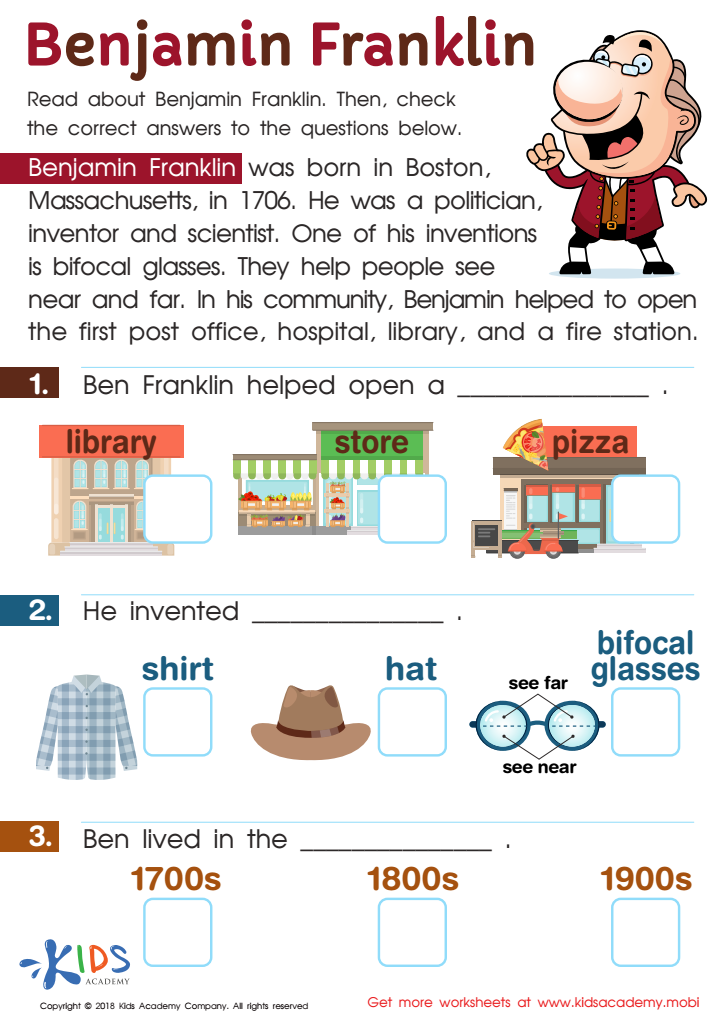
Benjamin Franklin Worksheet
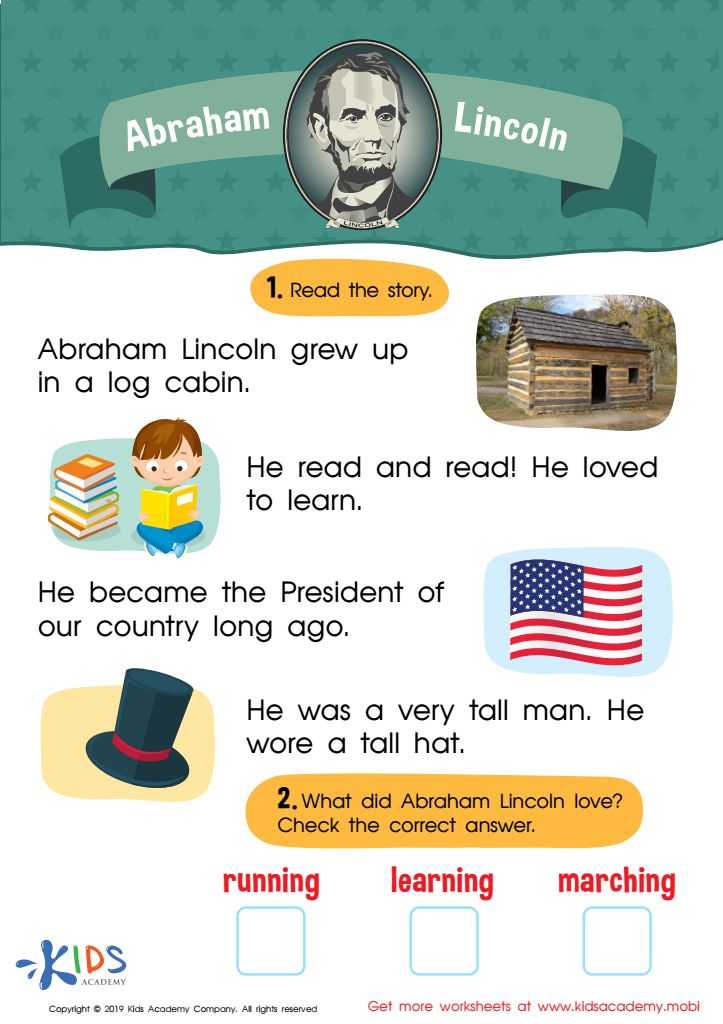
Abraham Lincoln Worksheet
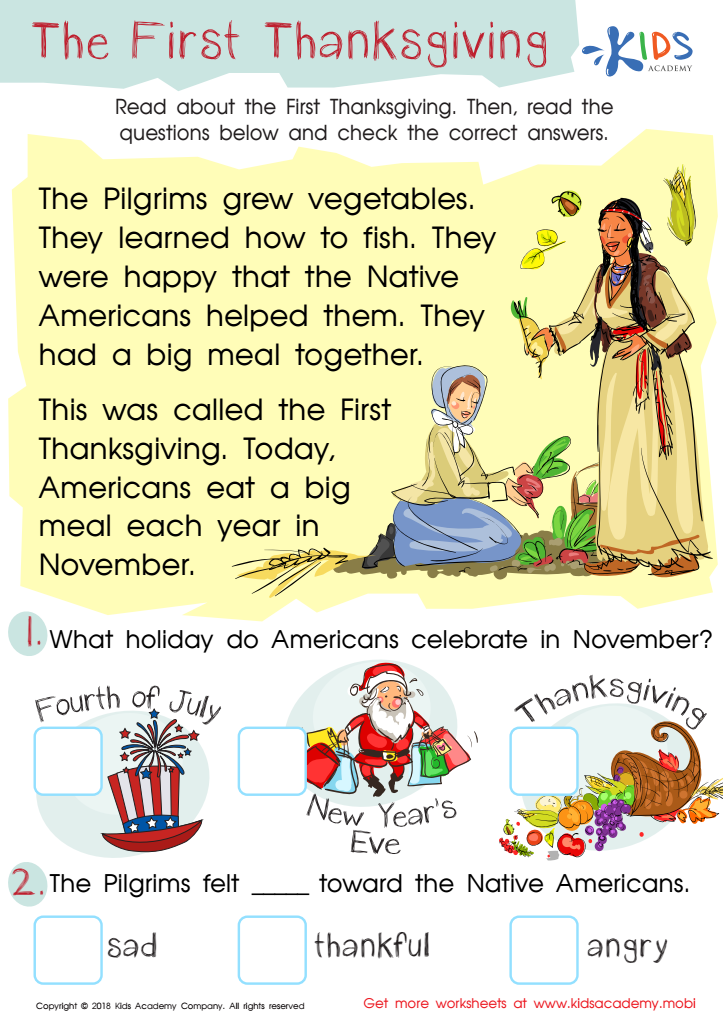
Assessment: First Thanksgiving Worksheet
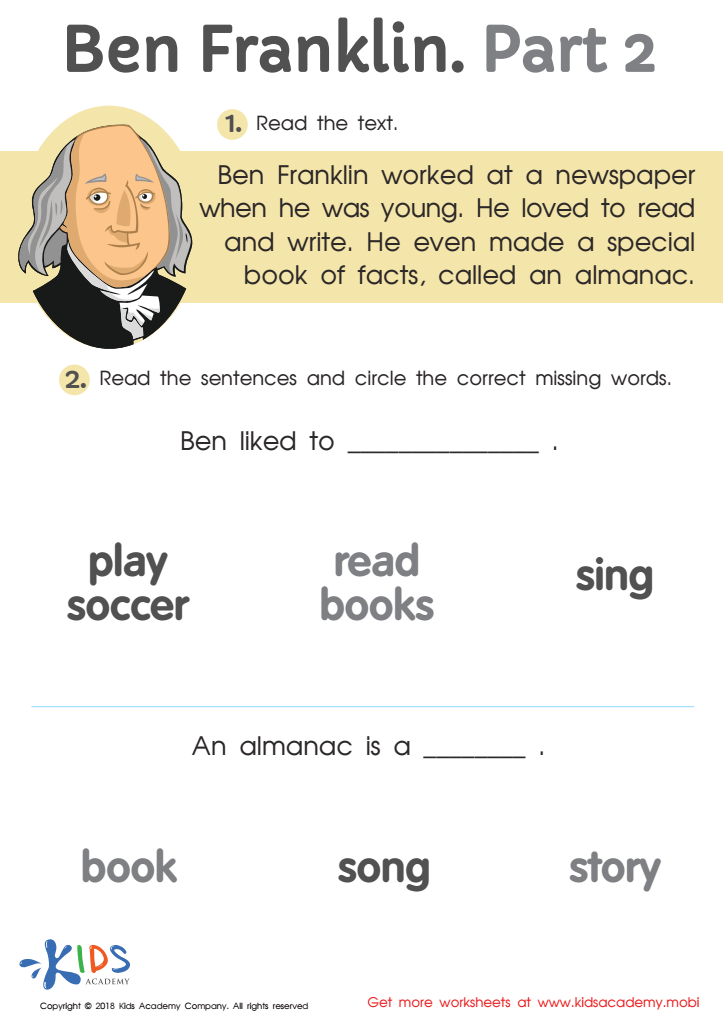
Ben Franklin Part 2 Worksheet








Historical knowledge plays a crucial role in developing reading comprehension skills for children aged 6-7. At this age, children are beginning to make connections between their learning and the world around them. Understanding historical context enriches their reading experience, allowing them to grasp the significance of stories, characters, and events. When students learn about history, they sharpen their critical thinking skills, examining cause and effect, which enhances their ability to analyze texts.
Integrating historical knowledge in reading activities fosters curiosity and engagement. Children become more invested in stories when they can relate them to past events or figures, stimulating their imaginations and inspiring a love for learning. Furthermore, historical content can introduce diverse viewpoints and foster empathy, teaching children to appreciate different cultures and experiences through literature.
For teachers and parents, nurturing historical comprehension aligns with educational goals; it forms a well-rounded curriculum that supports literacy development. By valuing historical context in reading, they help children build foundational skills necessary for academic success, enhance vocabulary, and improve overall comprehension. Ultimately, integrating historical knowledge fosters a generation of informed, thoughtful readers who understand their place in an ever-evolving world.








